

Brazil is often associated with its coastline’s iconic beaches, oceanfront cocktails, and the energy of Carnival. While these elements are undeniably part of the country’s appeal, there’s far more to Brazil than its shorelines. From colonial towns to Afro-Brazilian traditions and a wide range of artistic expressions, the country has much to offer beyond sun and sand.
If you’re considering a trip to Brazil, it’s worth looking past the beachside experiences to explore its cultural and historical richness. Cities and regions across the country present opportunities to learn, observe, and connect with Brazil’s complex identity.
1. Ouro Preto and the Legacy of Colonial Brazil
Located in the hills of Minas Gerais, Ouro Preto is known for its colonial architecture and historical importance during Brazil’s 18th-century gold rush. A UNESCO World Heritage Site, the town is home to Baroque churches, cobblestone streets, and museums that offer insight into Brazil’s past.
Among the notable sites are the Church of São Francisco de Assis, attributed to sculptor Aleijadinho, and the Museum of the Inconfidência, which explores early independence movements. Nearby towns such as Mariana and Tiradentes provide similar charm, with a quieter atmosphere and a focus on local craftsmanship and cuisine.
2. Salvador: A Center of Afro-Brazilian Heritage
In northeastern Brazil, Salvador is often described as a cultural crossroads. The city blends Portuguese colonial history with African-influenced music, religion, and food. Its historic center, the Pelourinho, is known for its colorful buildings and active street life.
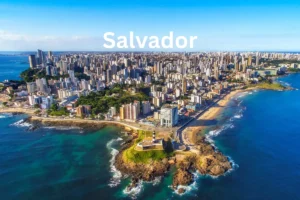
Here, visitors can learn more about Afro-Brazilian culture by visiting the Afro-Brazilian Museum, attending a Candomblé ceremony, or seeing performances by groups like Ilê Aiyê or Olodum. Salvador is also one of the few places where Carnival still unfolds in the streets, making it a distinct cultural experience.
3. São Paulo: Urban Culture and Contemporary Art
As Brazil’s largest city, São Paulo is often viewed through the lens of business and finance. However, it also hosts a vibrant cultural scene, with major museums, a thriving street art culture, and diverse neighborhoods.
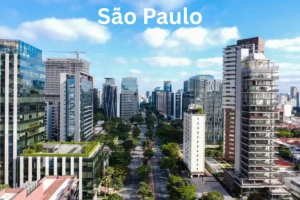
Some key highlights include:
- MASP (Museum of Art of São Paulo), featuring international and Brazilian works.
- Avenida Paulista on weekends, transformed into a pedestrian area with performances and street food.
- Vila Madalena, a district known for its murals, galleries, and creative spaces.
São Paulo’s diverse population also contributes to its multicultural character, seen in its food, music, and traditions.
4. Olinda and Recife: Artistic and Historical Cities
In the state of Pernambuco, the cities of Olinda and Recife offer a mix of history, coastal scenery, and cultural activities.
Olinda is appreciated for its colonial architecture and artistic atmosphere. The city is also known for its Carnival, featuring the traditional bonecos gigantes — large puppets that parade through the streets.

Adjacent to Olinda, Recife is a larger city with museums and cultural centers. Notable sites include the Ricardo Brennand Institute and the Francisco Brennand Sculpture Park, both combining art with nature in unique settings.
5. Festivals and Traditions Around the Country
Cultural events take place throughout Brazil year-round, reflecting the country’s regional diversity. Whether rooted in religion, folklore, or music, these festivals provide insight into local identities.
Examples include:
- Círio de Nazaré in Belém (October), a major religious procession.
- Festa de São João (June), popular in the Northeast, celebrated with music, dance, and traditional clothing.
- Parintins Folklore Festival in the Amazon (June), a storytelling competition between two rival performance groups.
These events offer more than spectacle they’re opportunities to observe or even take part in meaningful traditions.
Understanding Culture Through Food
Brazilian cuisine varies significantly by region and often reflects a mix of Indigenous, African, and European influences. Dishes like moqueca from Bahia, pão de queijo from Minas Gerais, and fruits from the Amazon illustrate this diversity.
Participating in a cooking class, visiting a local market, or dining in a family-run guesthouse can be a simple and enjoyable way to explore the country’s cultural background.
Planning a Culture-Focused Trip
Travelers interested in Brazil’s cultural aspects have several options. It’s possible to design an itinerary that focuses primarily on culture, or to combine it with nature and relaxation.
Here are a few suggested combinations:
- Ouro Preto + Rio de Janeiro + Paraty for history, culture, and coastline.
- Salvador + Chapada Diamantina for heritage and natural landscapes.
- São Paulo + Iguazu Falls + Curitiba for a mix of art, environment, and architecture.
- These combinations allow for a varied experience without necessarily covering great distances.
