

If you’ve ever typed “best way to see Australia and New Zealand“ into a search bar at 1 a.m., there’s a decent chance you’ve stumbled across TheLowDownUnder Travel. It’s not a booking engine, and it’s not another glossy magazine recycling the same ten photos of the Sydney Opera House. It’s a travel resource built by writers with on-the-ground experience across the South Pacific, around one simple idea the trip you remember isn’t the one with the most stamps in your passport it’s the one where you actually slowed down enough to notice where you were.
That philosophy matters more than ever the median international stay in New Zealand is just 9 days, and visitors from New Zealand to Australia average only around 10 days per trip barely enough time to skim the surface of two countries known for depth, not speed.
This guide breaks down what makes TheLowDownUnder Travel a trustworthy planning resource, why repeat readers rely on it, and how to apply its slow-travel approach to Australia, New Zealand, and the wider South Pacific, turning a rushed itinerary into a trip that actually sticks with you.
Understanding TheLowDownUnder Travel
At its core, TheLowDownUnder Travel is a philosophy as much as it is a resource built by writers and long-term residents who’ve actually lived the routes they cover, not just passed through them. The name plays on “Down Under,” the informal nickname for Australia and New Zealand, and the idea of getting the real “lowdown” the honest, unpolished version of a place, not the postcard one. That approach matters more now than ever 73% of global travelers say they now seek authentic, local experiences over standard tourist stops, yet nearly half worry their trips won’t feel genuine at all.
Instead of organizing content around landmarks, TheLowDownUnder organizes around lived experience: what a region smells like at dawn, how locals actually get from A to B, which beach towns still feel like beach towns versus which have been swallowed by resort chains. Every entry is fact-checked against current, on-the-ground reporting not recycled listicles to keep information trustworthy and current. The goal isn’t to replace guidebooks or booking sites; it’s to sit in the gap between them, giving travelers real context before they commit to a plan.
What TheLowDownUnder Travel Actually Means
Instead of organizing content around famous landmarks, it organizes around experiences: what a region smells like in the early morning, how locals actually get from A to B, which beach towns still feel like beach towns and which ones have been swallowed by resort chains. It’s less concerned with checklists of must-see sights and more interested in the textures of daily life the sound of a market waking up, the rhythm of a Sunday afternoon, the specific quality of light that makes a place feel like itself. It pays attention to the small, unglamorous details that guidebooks tend to skip which side streets are worth wandering down for no particular reason, where the locals actually eat versus where the tourists are funneled, and how a neighborhood’s character shifts from one block to the next. Rather than treating a destination as a collection of photo opportunities, it treats it as something lived-in and layered, shaped as much by habit and history as by anything you could point a camera at.
Why It Stands Out
There’s no shortage of travel content online, so it’s fair to ask what makes this particular approach worth your time. A few things separate it from the pack:
- Region-specific depth. Rather than spreading thin across the entire globe, the focus stays tight on Australia, New Zealand, Fiji, and the broader Pacific which means the advice tends to be more specific and less generic.
- Slow travel as a default, not an afterthought. Itineraries lean toward fewer places explored properly rather than a rushed circuit of highlights.
- Practical over aspirational. Distances, costs, and logistics get real attention, not just pretty descriptions.
- Community-informed advice. Tips often reflect patterns from many travelers’ actual experiences, not a single opinion dressed up as universal truth.
Best Destinations Covered
The geographic scope is broader than people expect, spanning two countries and a scattering of Pacific nations, each with a distinct rhythm and reason for being on the list. Popular focus areas include:
Australia’s East Coast
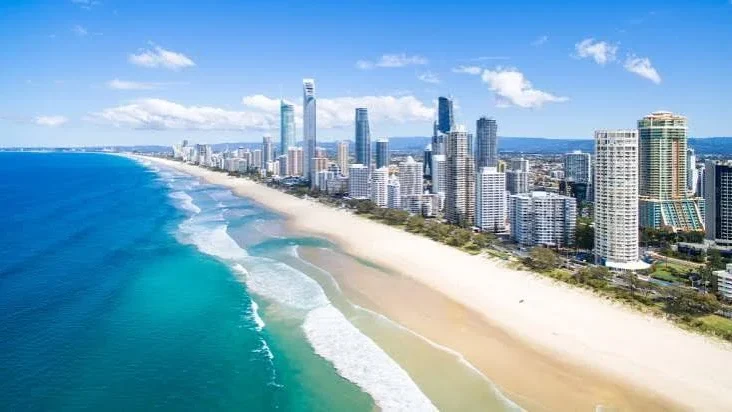

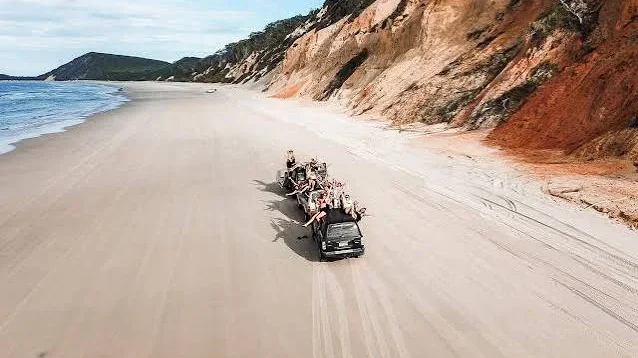
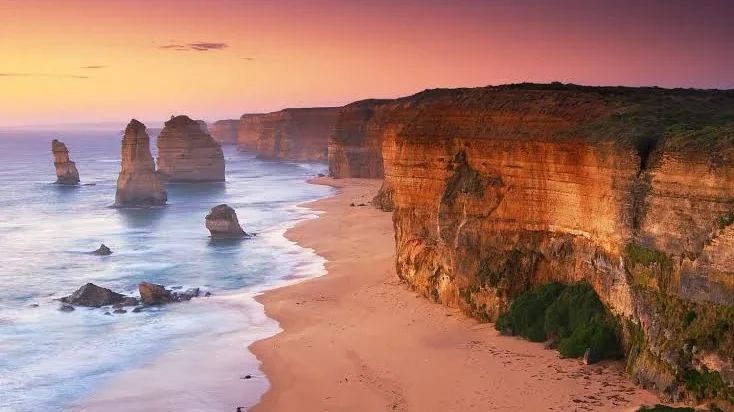
Sydney, Byron Bay, Brisbane, and Cairns form the backbone of most itineraries, generally recommended as the easiest entry point for first-time visitors. The appeal comes down to infrastructure frequent domestic flights, hop-on-hop-off coach networks, and a dense concentration of hostels and tour operators that make solo travel low-friction. Sydney anchors the southern end with harbor and beach culture (Bondi to Coogee walk, the Opera House, Blue Mountains day trips), Byron Bay offers a laid-back, surf-and-wellness detour, Brisbane is often used as a stopover or gateway to the Sunshine and Gold Coasts, and Cairns is the launch point for the Great Barrier Reef and the Daintree Rainforest. Because the route is essentially linear along the coast, it’s forgiving for travelers piecing together a trip on the fly.
Tasmania
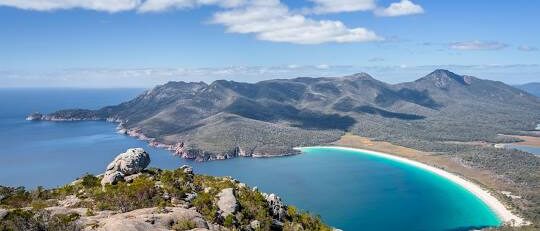
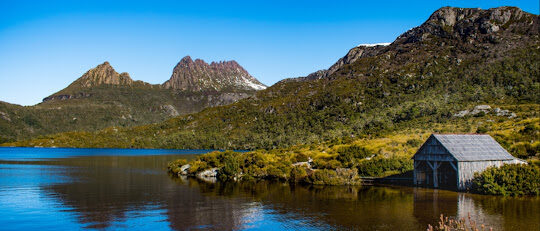
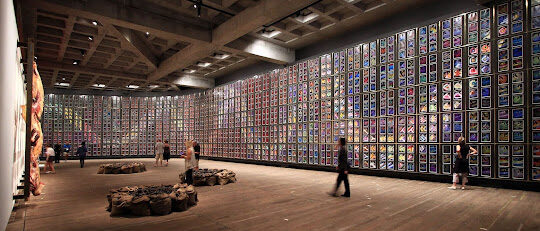
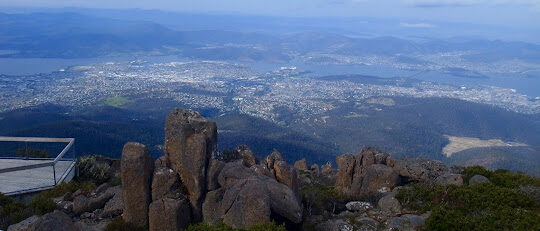
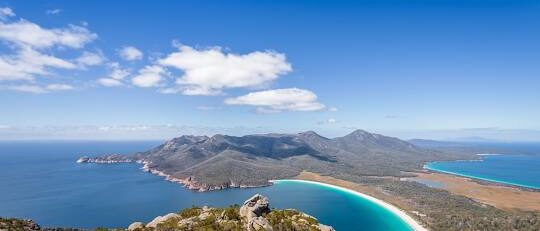
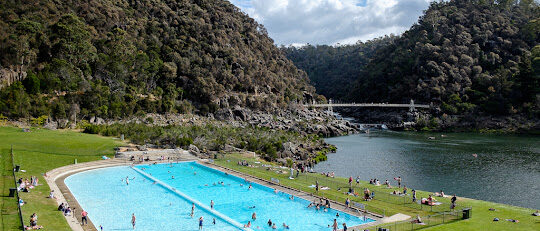
Centered on food, hiking, and history, with a noticeably slower pace than the mainland, partly because the island is small enough to circuit by car in one or two weeks. Hobart anchors the food and arts scene, with MONA (Museum of Old and New Art) frequently cited as a must, alongside the Salamanca Market and a growing whisky and cool-climate wine scene. Hikers gravitate toward the Overland Track and Cradle Mountain, both demanding but manageable multi-day treks, while Freycinet National Park and Wineglass Bay offer shorter, high-reward outings. History-focused travelers add Port Arthur’s convict-era ruins. Tasmania tends to attract a different traveler profile than the mainland east coast older, more independent, less party-oriented.
Western Australia
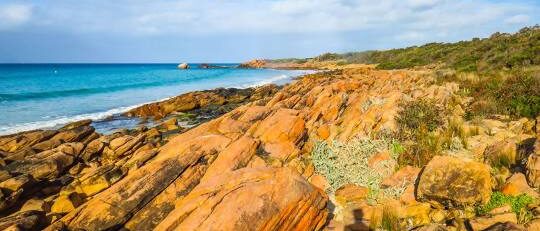


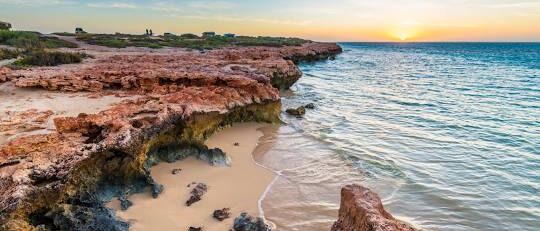

Stretching from Perth down to Margaret River and up to Ningaloo Reef, this region is notably less crowded than the east, mostly because of sheer distance and cost of access. Perth itself is compact and often used as a short base before heading out. Margaret River, about three hours south, is the draw for wine, craft beer, and world-class surf breaks, with caves and towering karri forests nearby. Ningaloo Reef, roughly 1,200km north, is the counterpoint to the Great Barrier Reef smaller, closer to shore, and known for whale shark and manta ray encounters during their seasonal migrations, without the crowds or infrastructure of Cairns. The distances involved mean this region tends to suit travelers with either more time to spend or a specific bucket-list activity (usually diving or wine) driving the decision to go.
The Red Centre

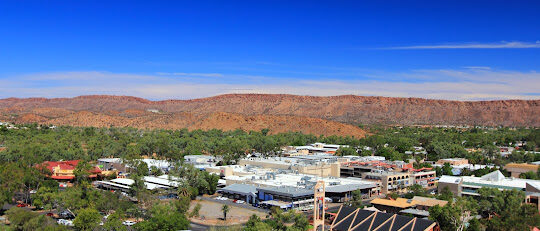





Uluru, Kata Tjuta, and Alice Springs make up Australia’s most iconic outback experience, typically framed as a focused three-to-four-day add-on rather than a full itinerary. The logic is practical once travelers have done the Uluru sunrise/sunset viewings, the base walk, and Kata Tjuta’s Valley of the Winds, the remoteness and heat limit how much additional time is worth spending there. Alice Springs functions more as a logistical hub flights in and out than a destination in its own right, though it does offer access to the West MacDonnell Ranges for those with extra days.
New Zealand’s South Island
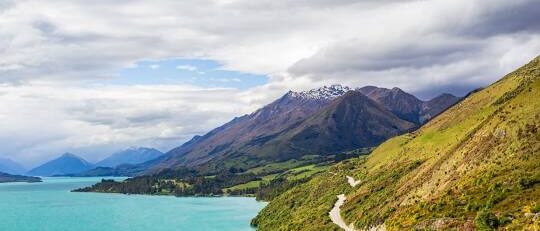
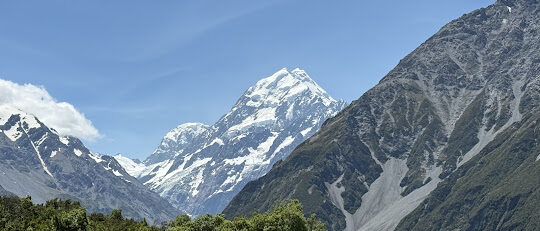
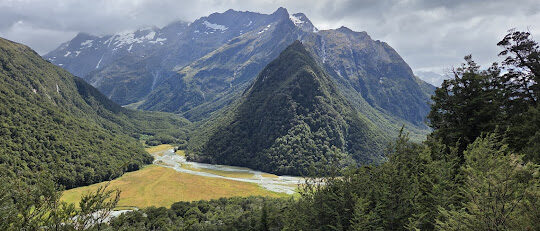
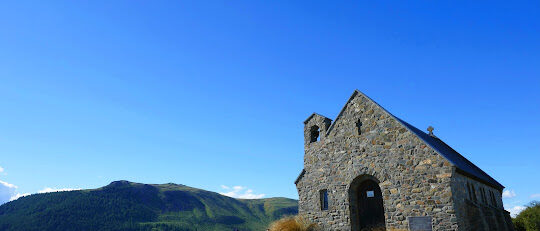
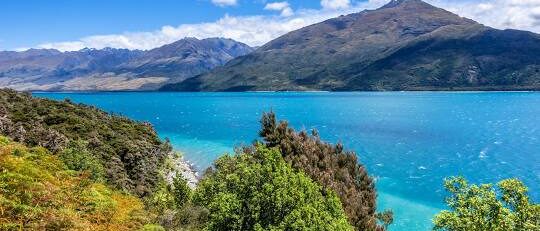
Queenstown, Fiordland, and the West Coast glaciers anchor an itinerary built almost entirely around road-trip logistics, since the highlights are spread across long, scenic but time-consuming drives and public transport is sparse outside the main towns. Queenstown functions as the adventure-sports hub, bungee jumping, skydiving, jet boating, and also as a base for day trips into Fiordland, where Milford Sound (and the less-visited Doubtful Sound) is usually the scenic centerpiece of the entire New Zealand leg. The West Coast glacier towns, Franz Josef and Fox, offer a rare geographic combination of glacial ice, temperate rainforest, and coastline within a short drive of each other, though guided access to the ice itself has become more restricted in recent years. Because driving distances are long, this region rewards travelers who rent a car and build in flexible days for weather.
Fiji and the Pacific Islands
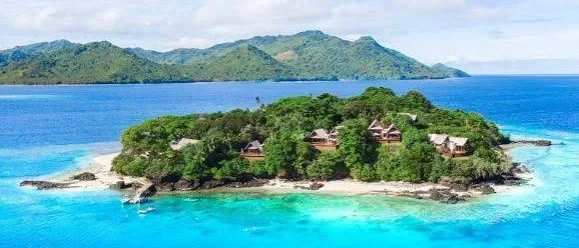
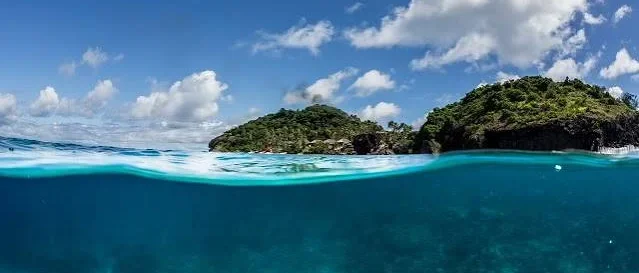
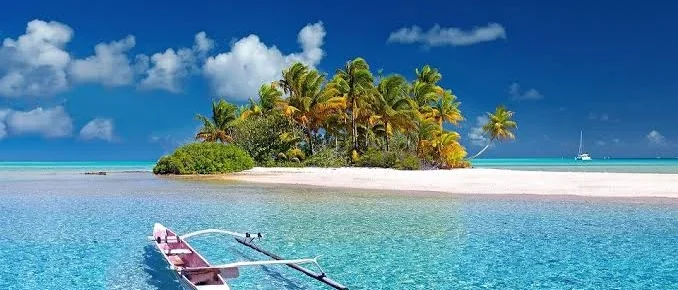
Including the Yasawa and Mamanuca island groups, which are popular largely for their accessibility from Nadi International Airport and the wide spread of options from budget backpacker boats to overwater luxury resorts. The Mamanucas sit closer to the mainland and suit shorter stays or day trips, while the Yasawas, reached via a longer boat transfer, offer a quieter, more remote island-hopping experience. Beyond Fiji, Samoa, Vanuatu, and Tonga get more occasional mentions, generally appealing to travelers looking for a less commercialized, less touristed version of the same Pacific island appeal fewer resorts, more direct interaction with local village life, and in Tonga’s case, seasonal whale swimming as a specific draw.
Top 3 Best Things to Do
Not every day of a trip needs to be built around a big activity, and this is where the region really shows its range. The best trips tend to alternate between moments of genuine adventure and stretches of unstructured time, and this part of the world offers plenty of both, often within the same afternoon.
1. Wildlife Encounters
Wildlife encounters are a highlight almost everywhere spotting kangaroos and koalas in the wild across Australia, swimming alongside sea turtles in Fiji’s lagoons, or watching penguins come ashore at dusk in parts of New Zealand and South Australia. What makes these experiences stand out isn’t just the animals themselves, but the settings they happen in a quiet beach at sunset, a reef barely touched by crowds, a bush trail where the wildlife simply goes about its day, indifferent to the fact that anyone’s watching. These moments tend to require patience more than planning showing up at the right time of day, staying quiet, and letting the encounter unfold on its own terms.
2. City Life and Everyday Rhythms
City time matters too: Sydney’s harbourside walks, Melbourne’s laneway coffee culture, and Auckland’s waterfront markets all offer an easy, low-effort way to get a feel for local life between bigger excursions. These aren’t “attractions” in the traditional sense there’s no ticket to buy or line to wait in but they capture something essential about how people actually live in these cities. A slow morning coffee in a Melbourne laneway or an evening walk along Sydney’s harbour reveals more about daily rhythm than most scheduled tours ever could.
3. Day Trips and Easy Outings
For travelers who want a change of scenery without the commitment of an overnight stay, day trips offer a manageable way to see more of a region.
i. Wine Regions
The Yarra Valley, Barossa Valley, and Marlborough are all doable as relaxed day trips from major cities, with cellar-door tastings built around a slower pace. These trips work well precisely because they don’t demand much no strict itinerary, just a drive through scenic countryside and the option to linger as long as a tasting room invites you to.
ii. National Parks Close to Cities
The Blue Mountains outside Sydney or the Waitakere Ranges near Auckland offer a full day of hiking and lookout views without needing an overnight stay. Their proximity to major cities makes them especially useful for travelers with limited time a way to fit in real nature and a genuine change of pace without reshuffling an entire itinerary.
iii. Island Hopping
In Fiji and the Whitsundays, half-day boat trips between islands are an easy way to see more without repacking a bag. These outings are ideal for travelers who want variety different beaches, different views, maybe a different pace of life on each island without the logistical hassle of checking in and out of multiple accommodations.
Travel Planning Resources
Good planning starts with the right tools, and this is where a layered approach works best combining digital tools with real-world research and a clear sense of priorities before you ever book a flight.
1. Digital Planning Tools
Use flexible itinerary apps to keep bookings organized without locking yourself into a rigid schedule, and pair them with fare-tracking tools to catch price drops on flights before they disappear. Beyond the apps themselves, it’s worth building a habit of checking in on these tools regularly rather than setting things up once and forgetting about them. Prices shift, schedules change, and a little ongoing attention can save real money and stress down the line.
2. On-the-Ground Research
For on-the-ground research, first-person travel accounts tend to reveal the kind of details like a neighborhood’s actual safety at night, or how reliable a regional bus route really is, that official tourism sites often skip over. These accounts, whether blog posts, forum threads, or recent reviews, tend to capture the lived reality of a place in a way polished marketing copy rarely does the annoying construction that’s been going on for months, the restaurant that quietly closed, the trail that’s more overgrown than the map suggests. Cross-referencing a few different sources, especially recent ones, helps separate outdated advice from what’s actually true right now.
3. The Planning Order
The general planning order worth following set a budget first, since it shapes nearly every decision that follows. Figure out your travel style next (comfort versus simplicity, structured versus spontaneous) and only then move into destination research covering weather, transport, and seasonal demand. Doing things in this order helps prevent the common trap of falling in love with a destination before checking whether it actually fits your budget or preferred pace of travel.
Accommodation Tips
Where you stay shapes the trip more than most people plan for. It affects not just comfort, but the kinds of interactions you have, the neighborhoods you get to know, and how much of the local rhythm actually seeps into your experience. A few patterns worth keeping in mind:
- Choose character over convenience. Boutique stays, farm stays, and eco-lodges often deliver more memorable experiences than large hotel chains, especially outside major cities. These smaller properties tend to reflect the personality of the region itself local materials, regional food, a host who’s happy to talk about the area rather than the standardized comfort of a chain that could be anywhere in the world.
- Book early, but not too early. Booking flights and accommodation roughly two to three months ahead typically results in meaningfully better pricing, since demand-based pricing tends to climb as departure dates approach. This window tends to strike a good balance early enough to avoid the steepest price hikes, but not so far out that your plans are locked in before you’ve settled on an itinerary.
- Let your hosts be your guides. In smaller towns, locally run guesthouses often double as a source of the best travel advice you’ll get on the whole trip. Hosts tend to know which restaurants are actually good this month, which trails are currently passable, and which “tourist attractions” are honestly skippable insight that’s hard to find anywhere else, let alone in a guidebook.
Food & Cultural Experiences
Food is one of the fastest ways into a culture, and it’s treated as a priority rather than an afterthought. What people eat, how they eat it, and when they eat it all carry information about a place that no landmark ever could. Alongside food, cultural awareness rounds out the picture together, they shape whether a trip feels like genuine immersion or just sightseeing with better photos.
1. Eating Like a Local, Not a Tourist
The general advice is to eat where locals eat, not where the menu is printed in five languages. A restaurant translating its offerings into half a dozen languages is often optimized for volume and turnover rather than quality a signal, more than a promise, of what kind of experience awaits inside. Finding these local spots usually just takes a willingness to walk a few streets further than the main tourist strip, or to ask a shopkeeper or hotel host where they’d actually go to eat.
2. The Case for Markets and Street Food
Markets and street food stalls tend to offer both better value and a more accurate picture of everyday life than restaurants built for tourists. Beyond the cost savings, they operate on local time and local logic what’s fresh, what’s in season, what people are actually craving that week. They’re also where a lot of the unplanned, memorable moments of travel tend to happen a vendor who insists you try something new, a dish you’d never have ordered off a formal menu, a conversation that starts simply because you’re standing in the same line as everyone else.
3. Doing the Cultural Homework
Cultural respect matters just as much as the food itself. A little homework before you arrive local customs, appropriate behavior at cultural sites, basic etiquette goes a long way toward avoiding the kind of missteps that make travelers stand out for the wrong reasons. This doesn’t require deep expertise, just attention to the basics how to dress at religious sites, which gestures might be considered rude, whether tipping is expected or seen as awkward.
4. Why the Small Efforts Matter
Small efforts like these tend to be noticed and appreciated, and they often open doors literally and figuratively that stay closed to travelers who haven’t bothered to look into any of it beforehand. A shopkeeper is more likely to recommend their favorite spot, a local might strike up a conversation, a host might go out of their way to help not because of anything dramatic, but because basic respect tends to be met with basic warmth in return.
Budget Travel Advice
Meaningful travel doesn’t require a large budget, and this region actually makes that easier than many people assume.
Cost-Saving Habits That Actually Work
- Traveling in shoulder or off-season months, which can cut costs by 30–50% on accommodations and tours.
- Using public transit instead of taxis or rideshares not just for the savings, but because it puts you inside the everyday rhythm of a place.
- Choosing one or two regions per trip rather than trying to cover an entire country, which saves money on internal flights and reduces wasted travel days.
Luxury Travel Recommendations
For travelers with more room in the budget, the region rewards it well. Lord Howe Island, a UNESCO World Heritage site off the Australian coast, caps visitor numbers at around 400 at a time, which keeps it quiet and pristine a rare thing at any price point. Tasmania’s Bay of Fires offers a similar sense of remote luxury, pairing white sand beaches with striking orange lichen-covered rocks. In New Zealand, Queenstown remains the benchmark for adventure-meets-comfort, with high-end lodges built around some of the country’s most dramatic scenery.
Seasonal Travel Guides
Timing changes everything in this part of the world, largely because the seasons run opposite to the Northern Hemisphere. Broadly:
- December–February (Southern summer): Peak season for beaches and coastal towns, but also peak crowds and prices.
- March–May (autumn): Often the sweet spot mild weather, fewer tourists, and in places like Bright, Victoria, genuinely spectacular foliage.
- June–August (winter): Best for New Zealand’s ski regions and for exploring northern Australia, where the dry season keeps things comfortable.
- September–November (spring): A strong all-around window, especially for road trips before summer crowds arrive.
Adventure Activities
This region was practically built for people who want their itinerary to include a little adrenaline. From reef to mountain to fjord, the sheer geographic range means adventure travelers rarely have to compromise between one kind of thrill and another it’s less about picking a single adventure and more about deciding how many to fit in.
1. Australia
Australia’s adventure offerings span both water and land, with the Great Barrier Reef standing out as one of the most sought-after experiences in the world. Diving and snorkeling here reward both first-time snorkelers and experienced divers, thanks to unmatched visibility and marine biodiversity that few reef systems on earth can rival.
Beyond the reef, the Outback offers a gentler kind of thrill: hot air ballooning over vast, Cappadocia-style landscapes. It’s a reminder that adventure doesn’t always mean adrenaline sometimes it’s simply about seeing familiar terrain from a completely new vantage point.
2. Tasmania
Just off Australia’s southern coast, Tasmania offers a different pace of adventure. Hiking Cradle Mountain’s trails is less about speed and more about endurance and scenery, with terrain shifting constantly from alpine ridgelines to ancient rainforest. It’s a favorite for travelers who want their adrenaline paired with genuine natural immersion rather than a quick spike of excitement.
3. New Zealand
New Zealand arguably packs the widest range of adventure activities into the smallest area, split across two very different landscapes.
Queenstown, often called the adventure capital of the world, is built almost entirely around pushing personal limits. Bungee jumping and jet boating here are accessible even to complete beginners, with the town’s entire infrastructure designed to make extreme experiences approachable rather than intimidating.
Fiordland, by contrast, offers something quieter but no less striking. Kayaking through the Milford and Doubtful Sounds means paddling at sea level through towering fjords, waterfalls, and dense native forest adventure travel that trades speed for pure immersion and scale.
4. Fiji
Fiji’s adventure scene leans heavily into the water, unsurprising given the country is made up of over 300 islands surrounded by some of the clearest lagoons in the South Pacific. Diving and snorkeling among coral reefs and shipwrecks draw enthusiasts year-round, with soft coral formations in areas like the Somosomo Strait considered among the best diving in the world. Beyond the reefs, half-day and full-day boat trips between islands double as their own kind of adventure a mix of open-ocean travel, hidden coves, and the occasional stop for cliff jumping or cave exploring along the way. For a slower-paced but still immersive experience, sea kayaking through Fiji’s mangrove-lined coastlines offers close encounters with marine life without the intensity of diving.
Packing Essentials
Overpacking is one of the most common and most avoidable mistakes. A carry-on-only approach tends to move travelers through airports faster and noticeably reduces transit stress. A practical, no-fluff packing list should prioritize:
- Quick-dry, breathable fabrics like merino wool, which stay fresh longer between washes
- Layering pieces, since this region can swing from hot afternoons to cold nights within the same day
- A compact first-aid kit and any essential medications
- Reef-safe sunscreen, particularly for anyone spending time near the Great Barrier Reef
- A reusable water bottle and lightweight daypack for day trips
Travel Safety
Australia, New Zealand, and Fiji are generally considered safe for travelers, but a few region-specific points deserve real attention. Sun exposure is a bigger risk than most first-time visitors expect UV levels can be extreme even on overcast days. Ocean safety matters too always swim between the flags on patrolled beaches, and take rip current warnings seriously. In more remote areas like the Outback or the South Island’s backcountry, distances are often longer and services more sparse than they appear on a map, so proper trip planning and letting someone know your route isn’t optional it’s basic preparation.
Sustainable Travel Practices
Responsible travel isn’t a side note here it’s built into the core approach. That means supporting local businesses over international chains, minimizing waste, and being deliberate about environmental impact, particularly around fragile ecosystems like the Great Barrier Reef and New Zealand’s alpine regions. Partnering with eco-conscious accommodations and following local guidelines in protected areas helps preserve the very things that make these destinations worth visiting in the first place.
Common Mistakes to Avoid
A few mistakes come up again and again:
- Underestimating distance. Australia is roughly the size of the contiguous United States a “quick” day trip from Sydney to Uluru simply isn’t realistic once you account for a three-hour flight each way.
- Overpacking the itinerary. Trying to cover Sydney, Cairns, Uluru, and Tasmania in a single ten-day trip usually results in exhaustion, not memories.
- Misjudging New Zealand’s roads. A 300km stretch on the South Island can easily take five hours instead of three, thanks to mountains and winding routes.
- Relying on a single information source. Combining multiple perspectives blogs, official tourism data, and firsthand accounts gives a far more accurate picture than any one source alone.
Frequently Asked Questions
1. Is TheLowDownUnder Travel free to use?
Yes, the vast majority of content is freely accessible.
2. Does it replace booking sites or travel agents?
No. It’s designed to support planning and decision-making, not to handle reservations or replace professional travel services when they’re needed.
3. Is the advice suitable for beginners?
Yes, though beginners should still cross-check important details like visa requirements, health guidelines, and current travel alerts before finalizing plans.
4. Which destinations does it cover most thoroughly?
Australia is the primary focus, with strong coverage of New Zealand, Fiji, and the wider South Pacific as well.
Final Thoughts
Travel planning can feel overwhelming, especially for a region as vast and varied as Australia, New Zealand, and the Pacific. The value in an approach like TheLowDownUnder Travel isn’t that it hands you a perfect itinerary it’s that it reframes the questions you should be asking before you build one. Slow down, choose fewer places and see them properly, respect the communities you’re visiting, and plan with enough flexibility to let a few unplanned moments happen. Those are usually the ones you end up talking about years later. Ready to start planning smarter? Explore TheLowDownUnder Travel’s guides today and take the first step toward a trip you’ll actually remember.
Please Read These Informative Articles:
Australia Tourist Visa Requirements: All You Need to Know
5 Things To Do In Indonesia | For 2026 Tour Guides
25+ Best Things to Do in Belize: A Guide for Adults, Couples & Family
7 Travel Items to Have for Your First Road Trip
Where Is Belize? Location, Map, Geography & Travel Guide for First-Time Visitors
