Every year, thousands of travelers type the same search into Google backpacking advice CWBiancaVoyage. It’s become a trusted name for anyone dreaming of trading a suitcase for a backpack and a fixed itinerary for the open road. But why does this specific search matter so much? Because backpacking isn’t just “budget travel” it’s a mindset, and getting it right the first time saves you money, stress, and a whole lot of packing regret.
Planning before a backpacking trip is the single biggest factor separating a magical adventure from a chaotic one. A little preparation the right backpack, a flexible itinerary, a realistic budget means more time enjoying sunsets in new cities and less time scrambling for a place to sleep.
This guide covers everything from the absolute basics for first-timers to the finer details seasoned backpackers still argue about gear, safety, money management, sustainable travel, and destination-specific advice. Whether you’re packing your first backpack ever or your tenth, there’s something here for you.
What Is Backpacking Advice Cwbiancavoyage?
1. Definition of Backpacking
Backpacking is a style of independent, low-cost travel where a traveler carries all their belongings in a single backpack, typically moving between multiple destinations over an extended period rather than staying in one place.
2. Backpacking vs. Traditional Travel
Traditional travel often means fixed hotel bookings, guided tours, and a tightly scheduled itinerary. Backpacking flips that script:
- Flexibility over rigid schedules
- Local immersion over resort bubbles
- Lightweight gear over rolling suitcases
- Budget accommodations over luxury stays
3. Benefits of Traveling With Only a Backpack
- Freedom to change plans on a whim ✈️
- Lower costs on baggage fees and transport
- Easier mobility through airports, train stations, and hostels
- A forced simplicity that many travelers find genuinely liberating
4. Who Backpacking Is Best Suited For
Backpacking suits students, gap-year travelers, digital nomads, solo adventurers, and anyone who values experiences over comfort. That said, with the right planning, it’s increasingly popular among couples, families, and retirees too.
Understanding CWBiancaVoyage Backpacking Advice
1. Travel Philosophy
At its core, CWBiancaVoyage backpacking advice centers on intentional travel seeing more by carrying less, and prioritizing meaningful experiences over ticking boxes on a checklist.
2. Budget-Friendly Approach
The philosophy leans heavily into stretching every dollar hostels over hotels, street food over fine dining, and public transport over private transfers without sacrificing safety or comfort.
3. Focus on Authentic Local Experiences
Rather than following the tourist trail exclusively, the advice pushes travelers toward homestays, local markets, and community-run tours that put money directly into local economies.
4. Sustainable and Responsible Travel
Environmental and cultural respect are woven throughout from packing reusable items to choosing eco-conscious tour operators.
How to Plan a Successful Backpacking Trip
1. Choosing the Right Destination
Match your destination to your budget, season, comfort with uncertainty, and visa access. Southeast Asia and Central America are famously beginner-friendly Europe and Australia suit those with a bigger budget.
2. Setting a Realistic Budget
Factor in flights, daily accommodation, food, local transport, activities, and a contingency fund of at least 10-15% for surprises.
3. Creating a Flexible Itinerary
Plan the first few days and last few days firmly, but leave the middle open. Overplanning is one of the most common regrets backpackers report.
4. Researching Local Culture and Customs
Understanding dress codes, tipping norms, greetings, and taboos helps you travel respectfully and avoid awkward missteps.
5. Checking Entry and Visa Requirements
Always verify visa rules, passport validity requirements (many countries require 6 months’ validity), and any vaccination or entry documentation well before departure.
Choosing the Perfect Backpack
1. Backpack Size Guide
- 30-40L: Weekend trips or minimalist travelers
- 40-50L: The sweet spot for most backpacking trips
- 50-65L+: Longer trips, colder climates, or camping gear
2. Features to Look For
- Padded, adjustable hip belt
- Multiple compartments for organization
- Rain cover (built-in or separate)
- Lockable zippers
- Breathable back panel
3. Proper Weight Distribution
Heavier items should sit close to your back and centered between your shoulder blades not at the bottom, which pulls your center of gravity backward and strains your lower back.
4. Common Buying Mistakes
- Buying a backpack too large “just in case” (you will fill it)
- Skipping the fitting/try-on process
- Ignoring torso length in favor of overall bag size
- Choosing style over function
Backpacking Packing List
1. Essential Clothing
Moisture-wicking shirts, one warm layer, quick-dry underwear, a versatile jacket, and comfortable walking shoes.
2. Travel Documents
Passport, visas, printed and digital copies of reservations, travel insurance documents, and emergency contact information.
3. Toiletries
Travel-sized containers, a quick-dry towel, sunscreen, and any personal medications in their original packaging.
4. Electronics
Universal adapter, portable power bank, phone, and a lightweight camera if desired.
5. First Aid Kit
Band-aids, pain relievers, antiseptic wipes, motion sickness tablets, and any personal prescriptions.
6. Safety Gear
A door stop alarm, a whistle, a money belt, and a basic padlock for hostel lockers.
7. Reusable Travel Essentials
Reusable water bottle, tote bag, and a water purification tool to cut down on single-use plastic.
8. Optional Comfort Items
Travel pillow, earplugs, a sleep mask, and a small journal for capturing memories.
Budget Backpacking Tips
- Saving on flights: Book in advance, use flexible date search tools, and fly mid-week when possible
- Affordable accommodations: Mix hostels, guesthouses, and the occasional splurge night
- Cheap transportation: Overnight buses and regional trains save both money and a night’s accommodation
- Eating on a budget: Local markets and street food are often cheaper and more authentic than tourist restaurants
- Free attractions and activities: Many cities offer free walking tours, museums, and hiking trails
- Managing daily expenses: Set a daily spending cap and track it as you go
Accommodation Options for Backpackers
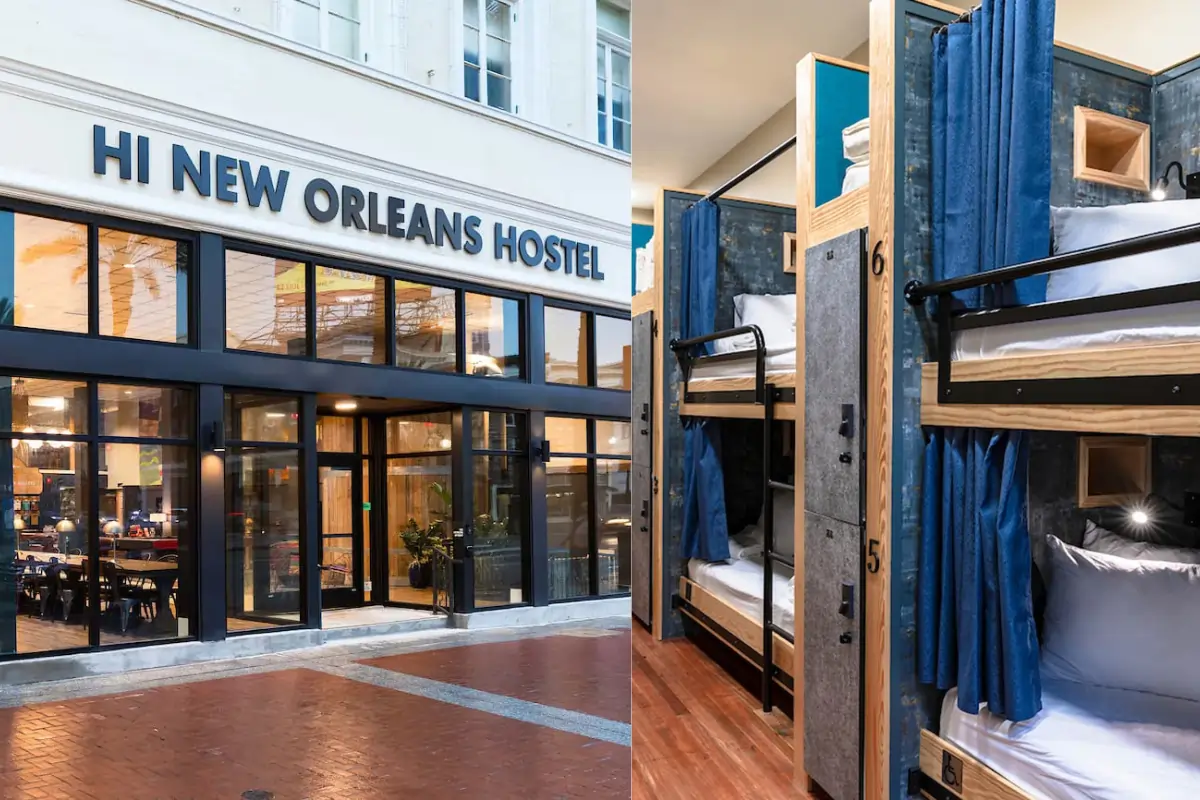
1. Hostels
The backpacker classic social, affordable, and often centrally located.
2. Guesthouses
A step up in privacy, typically family-run with a more personal touch.
3. Budget Hotels
Ideal for a comfort night or when hostels aren’t available.
4. Homestays
Live with a local family for a genuinely immersive cultural experience.
5. Camping
A budget-friendly option in destinations with strong outdoor infrastructure.
6. House Sitting
Free accommodation in exchange for watching someone’s home (and often their pets) while they travel.
7. Volunteer Exchange Programs
Trade a few hours of work daily for free room and board popular on farms, hostels, and eco-lodges.
Transportation Tips
- Public transportation: Usually the cheapest way to get around any city
- Overnight buses and trains: Save money on a hotel night while covering long distances
- Budget airlines: Great for hopping between regions, but watch baggage fees closely
- Renting bikes or scooters: A fun, flexible way to explore smaller towns
- Walking to explore destinations: Often the best way to discover hidden gems
- Ride-sharing options: Convenient for short trips or late-night safety
Staying Safe While Backpacking
1. Personal Security
Stay aware of your surroundings, avoid displaying valuables, and trust your instincts in unfamiliar areas.
2. Protecting Valuables
Use a money belt, split your cash and cards across bags, and keep digital backups of important documents.
3. Travel Insurance
Non-negotiable. A good policy covers medical emergencies, trip cancellations, and lost or stolen gear.
4. Emergency Contacts
Save local emergency numbers, your embassy’s contact info, and a trusted person back home who knows your itinerary.
5. Health and Vaccinations
Check recommended vaccinations for your destination well in advance, and pack any necessary prescriptions with documentation.
6. Solo Travel Safety
Share your location with someone you trust, research neighborhoods before booking, and stay in well-reviewed accommodations.
Smart Money Management
- Using travel-friendly bank cards: Look for cards with no foreign transaction fees
- Carrying emergency cash: Always have a small backup stash in a separate location
- Currency exchange tips: Avoid airport kiosks; use ATMs or reputable exchange services instead
- Avoiding hidden fees: Watch for dynamic currency conversion charges at checkout
- Tracking your travel budget: Use a budgeting app to log daily expenses in real time
Responsible Backpacking Practices
- Respecting local customs: Learn basic etiquette before you arrive
- Supporting local businesses: Choose locally owned guesthouses, restaurants, and tour operators
- Reducing plastic waste: Carry a reusable bottle and say no to single-use plastics
- Following Leave No Trace principles: Pack out what you pack in, especially in nature areas
- Ethical wildlife tourism: Avoid attractions that exploit or mistreat animals
Technology Every Backpacker Should Use
1. Navigation Apps
GPS-based apps help you find your way without relying on spotty local signage.
2. Offline Maps
Download maps in advance so you’re never stranded without directions, even offline.
3. Translation Tools
Real-time translation apps break down language barriers in markets, restaurants, and emergencies.
4. Budget Tracking Apps
Log expenses on the go to stay accountable to your daily spending limit.
5. Travel Planning Apps
Centralize bookings, itineraries, and confirmations in one place for easy access.
Common Backpacking Mistakes to Avoid
- Overpacking: The #1 regret of nearly every backpacker
- Poor budgeting: Underestimating daily costs leads to stress mid-trip
- Ignoring travel insurance: A single emergency can cost far more than a policy
- Booking everything too early: Locks you into a rigid schedule
- Not researching local laws: Simple ignorance can lead to serious trouble
- Carrying unnecessary valuables: Leave expensive jewelry and gadgets at home
Backpacking Tips for Different Travelers
1. First-Time Backpackers
Start with a well-established route in a beginner-friendly region, and don’t over-schedule your first trip.
2. Solo Travelers
Prioritize hostels with strong social scenes and share your itinerary with someone at home.
3. Couples
Balance shared decision-making with occasional solo time to avoid burnout.
4. Digital Nomads
Look for destinations with reliable Wi-Fi, coworking spaces, and nomad-friendly visas.
5. Long-Term Travelers
Build in slower weeks to avoid burnout, and budget for gear replacement over time.
Best Destinations for Backpacking
1. Southeast Asia
Known for affordability, incredible street food, and a well-worn backpacker trail through Thailand, Vietnam, and Cambodia.
2. Europe
More expensive but rich in culture, with excellent rail connections between countries.
3. South America
Dramatic landscapes, budget-friendly hostels, and a growing backpacker infrastructure.
4. Australia & New Zealand
Higher costs offset by working holiday visa opportunities and stunning natural scenery.
5. North America
Vast distances make road trips and national park hopping a backpacking style of their own.
Seasonal Backpacking Advice
- Summer trips: Peak season in many regions expect higher prices and bigger crowds
- Winter adventures: Ideal for Southern Hemisphere destinations or snow-based travel
- Rainy season travel: Often cheaper, with fewer tourists but a need for flexible plans
- Shoulder-season benefits: The sweet spot for lower prices and manageable crowds
Frequently Asked Questions
Q1. What is CWBiancaVoyage backpacking advice?
It’s a travel philosophy focused on budget-conscious, authentic, and sustainable backpacking, emphasizing planning and flexibility over rigid, resort-style travel.
Q2. How much money should I budget for backpacking?
Costs vary widely by region, but budget backpackers often spend anywhere from $30-$70 per day depending on destination and travel style.
Q3. What size backpack is best for beginners?
A 40-50L backpack is usually ideal for most first-time backpackers, balancing capacity with manageable weight.
Q4. How can I travel safely alone?
Research your destination in advance, stay in well-reviewed accommodations, and keep someone back home updated on your location.
Q5. What should I never pack?
Avoid excess valuables, oversized toiletries, and “just in case” items you’re unlikely to use.
Q6. Is travel insurance necessary?
Yes — it protects against medical emergencies, cancellations, and lost belongings, and is considered essential by experienced backpackers.
Q7. How do I keep my backpack lightweight?
Pack versatile, multi-use clothing, limit yourself to one pair of extra shoes, and do laundry on the road rather than packing for every day.
Q8. What are the best apps for backpackers?
Offline maps, translation tools, budget trackers, and travel planning apps are considered must-haves.
Q9. How do I avoid common travel scams?
Research common scams for your destination beforehand, use official transport and payment channels, and trust your instincts if something feels off.
Q10. Can I backpack on a tight budget?
Absolutely with hostels, street food, public transport, and free attractions, backpacking can be done affordably in most parts of the world.
Final Thoughts
The heart of CWBiancaVoyage-inspired backpacking advice comes down to a simple idea: travel light, plan smart, and stay open to the unexpected. From choosing the right backpack to practicing responsible travel, every decision you make before departure shapes the experience waiting for you on the road.
Backpacking rewards those who prepare but it rewards curiosity and flexibility even more. Travel responsibly, stay safe, budget wisely, and let every trip teach you something new. With the right mindset and a well-packed bag, your next backpacking adventure can be as memorable as it is meaningful.
Please Read More Informative Articles:
Knuk N Futz Menu | Complete Food Guide, Prices, Best Items & Dining Tips
Is Oroville Feather River Cinemas Worth Visiting? Here’s What to Know
Is Bonner Cinema Sandpoint Worth Visiting? An Honest Guide
TravelTweaks Hotels | The Complete Guide to Smarter Hotel Booking and Better Stays
TheLowDownUnder Travel | The Complete Guide