

Puerto Rico has a way of making a short trip feel like three different vacations stitched together. One afternoon you’re wandering cobblestone streets that have been standing since the Spanish colonial era, and by evening you’re wading into water that glows blue when you move your hand through it. That range is really the whole pitch Puerto Rico rewards travelers who don’t try to pick just one kind of trip.
Because Puerto Rico is a US territory, American citizens can visit without a passport, and the currency is the US dollar, which simplifies budgeting considerably compared to most Caribbean destinations. That alone makes it an easier first international-feeling trip than it gets credit for.
Below is a practical, no-fluff walk through the best things to do, organized so you can actually build an itinerary from it rather than just admire a list.
What Makes Puerto Rico Worth Visiting
Ask ten travelers what Puerto Rico is known for, and you’ll get ten overlapping answers beaches, El Yunque rainforest, Old San Juan’s Spanish forts, bioluminescent bays, and food that doesn’t taste like anywhere else in the Caribbean. The island packs all of this into a landmass roughly the size of Connecticut, which means you can genuinely combine a city trip with a nature trip and a beach trip without three separate flights.
The standout experiences, if you’re triaging:
- Walking Old San Juan’s colonial streets
- Hiking in El Yunque National Forest
- A night tour of a bioluminescent bay
- Beach time on Culebra or Vieques
- Trying mofongo, pernil, and tostones at a local spot
- Touring the historic forts overlooking San Juan Bay
25 Things to Do in Puerto Rico
1. Wander Old San Juan on Foot
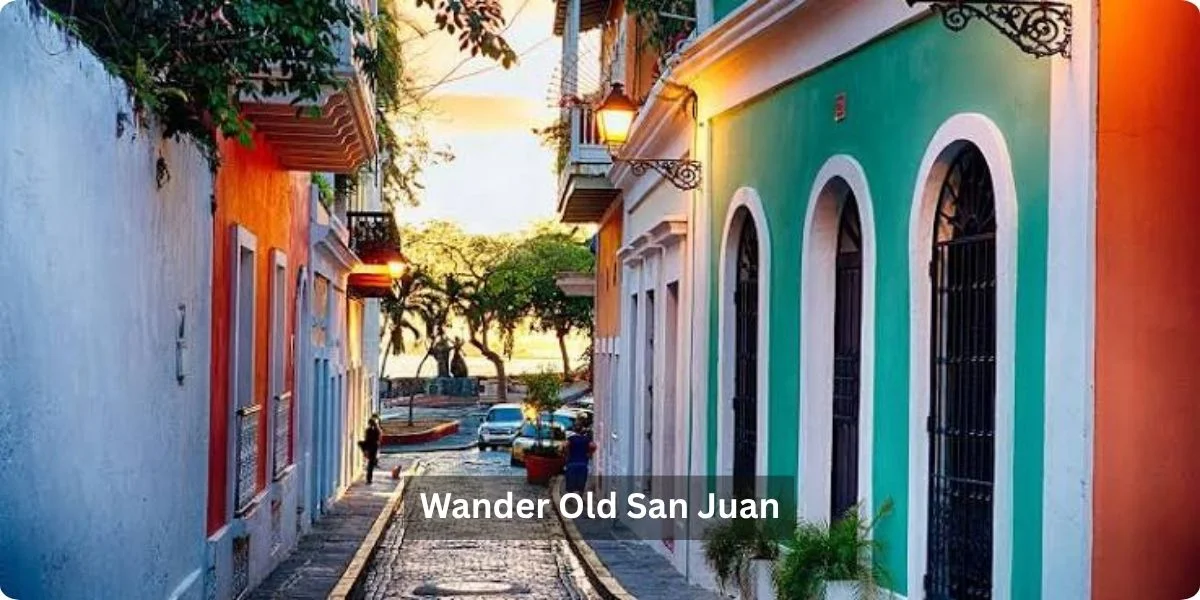
Skip the rental car for this one. Old San Juan’s streets are narrow, colorful, and genuinely built for walking, with pastel buildings, small plazas, and balconies that have been photographed a million times for good reason. Once you’re on foot, you start noticing details a car window would blur past, like hand-painted tile numbers or a courtyard glimpsed through an open gate. Give yourself a loose afternoon rather than a checklist, and let the neighborhood set the pace instead of the other way around. Duck into a café when you’re tired, order something cold, and people-watch for a while. Save the waterfront walk for late afternoon when the heat backs off and the light turns golden over the bay.
- Hours: the streets themselves are open around the clock, but individual shops typically run from about 9 AM to 6 PM, so plan errands or souvenir stops for daytime.
- Best time to visit is in the morning or late afternoon, when temperatures are cooler and the light is softer for photos the heat builds fast by midday. Give yourself a loose afternoon rather than a checklist, and let the neighborhood set the pace instead of the other way around. Duck into a café when you’re tired, order something cold, and people-watch for a while. Save the waterfront walk for late afternoon when the heat backs off and the light turns golden over the bay.
2. Hike El Yunque, National Forest

El Yunque is the only tropical rainforest in the US National Forest system, and it has a climate that’s genuinely different from the coast just twenty minutes away. You can leave San Juan in bright sun and find yourself under a cool, misty canopy within half an hour.
- Hours: the forest is open daily from 8 AM to 5 PM, closed on Christmas Day; the El Portal Visitor Center keeps slightly shorter hours. Entry to the main forest corridor is free, though visitor numbers are managed due to parking limits, so arriving right at opening gives you the best shot at easy access.
- Best time to visit is December through April, the drier season, with lower rainfall, means weekday mornings are quieter than weekends year-round. Trails range from short paved walks suitable for almost anyone
3. Spend a Day at Flamenco Beach
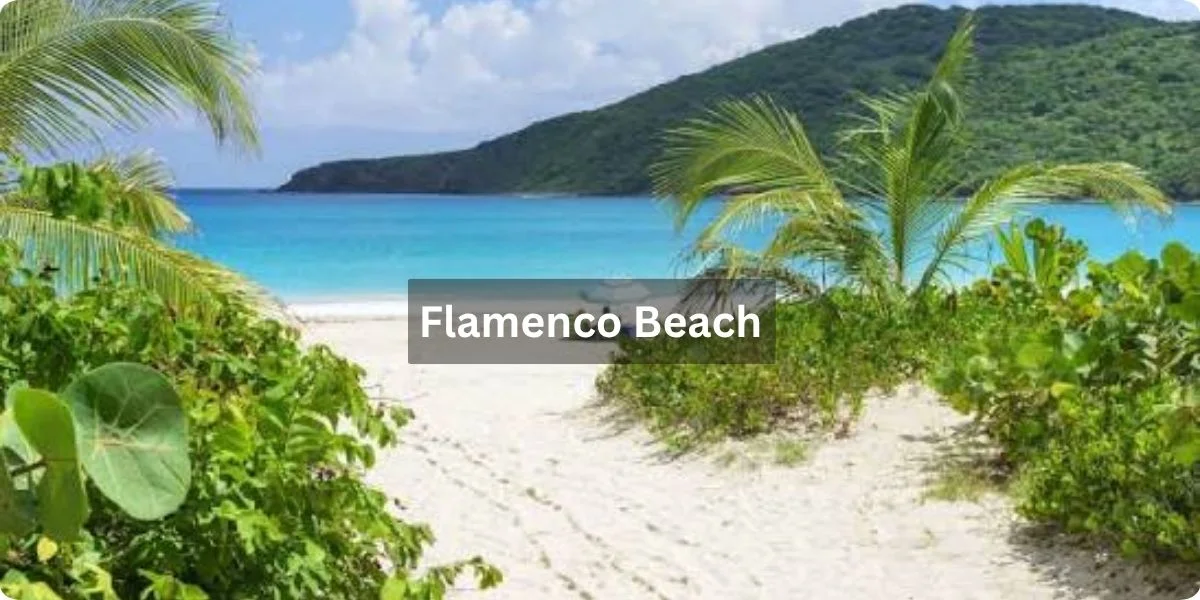
Flamenco Beach on Culebra regularly gets ranked among the best beaches in the world, and once you’re standing on it, the reason is obvious soft white sand and water in a shade of turquoise that looks lightly filtered even with the naked eye, the kind of color that photos never quite capture properly. Culebra requires a ferry or small plane to reach, so this isn’t a spontaneous afternoon trip, and it’s worth treating that logistics step as part of the experience rather than an obstacle.
- Hours: the beach itself is open all day, but the gate for the parking area, kiosks, and camping zones closes at 5:30 PM sharp.
- Best time to visit is in the morning, roughly 8 to 11 AM, when the light hits the water at its most turquoise and the crowds from later ferry arrivals haven’t shown up yet. December through April brings the driest, most reliable weather, though it’s also peak season. Build travel time into your plan rather than treating it as a quick add-on, and consider staying past sunset before you head back.
4. Take a Bioluminescent Bay Tour
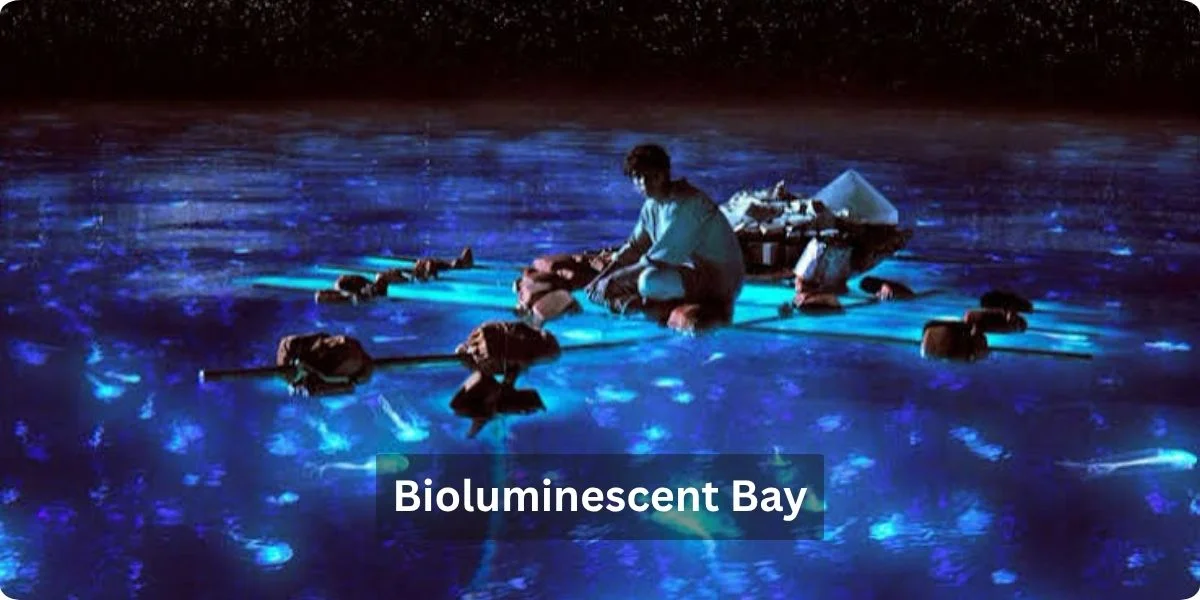
This is the experience people describe years later, the one they bring up unprompted when someone asks about the trip. Microorganisms in the water light up when disturbed, so paddling a kayak through a bio bay at night leaves a glowing trail behind your paddle and around your hands, almost like disturbing a field of tiny blue stars. Vieques’ Mosquito Bay is the most famous location for this, largely because it stays darker and less developed than comparable bays elsewhere, which keeps the bioluminescence vivid instead of washed out by ambient light.
- Access: the bay is only open to permitted tour operators, generally between 6 PM and midnight, with independent entry not allowed to protect the ecosystem. Tours typically depart around 7 PM and 9 PM and run 1.5 to 2 hours.
- Best time to visit is around the new moon for the darkest skies most operators close for three nights around each full moon, so check the lunar calendar before booking. A bright moon washes out the glow, and the difference between a dim night and a dark one is dramatic.
5. Tour Castillo San Felipe del Morro
Locals just call it El Morro. This 16th-century fortress guards the mouth of San Juan Bay, and its scale is honestly hard to appreciate from photos, since the walls drop straight down to the water in a way that only really registers once you’re standing on them.
- Hours: open daily from 9 AM to 5 PM, closed on Thanksgiving, Christmas, and New Year’s Day.
- Admission is around $10 for visitors 16 and up, with kids 15 and under free; the ticket also covers Castillo San Cristóbal on the other side of Old San Juan.
- Best time to visit is early morning or late afternoon, when the heat eases and crowds thin out weekdays tend to be quieter than weekends. Walk the ramparts, check out the lookout towers, and budget an hour minimum, more if you want to read the historical placards rather than just take pictures.
6. Spend an Evening in Condado

Condado is San Juan’s answer to a beach resort strip, minus the isolation of an actual resort town. You get sand and surf a short walk from restaurants, cocktail bars, and boutique shopping, so a morning swim can turn into an afternoon of browsing shops without ever needing a car. It’s a smart base if you want beach access without giving up city convenience, especially if you’re the type who likes to shower off the salt and be at dinner twenty minutes later. The neighborhood also puts you within easy reach of Old San Juan and the airport, which makes it a practical anchor point for the rest of the trip.
- Hours: the beach itself is open all day, though most nearby shops and restaurants operate on a roughly 9 AM to 9 PM rhythm, and the small lifeguarded stretch near the Condado Plaza hotel is staffed from about 8:30 AM to 5 PM.
- Best time to visit is early morning, especially Tuesday through Thursday, for the calmest water and thinnest crowds weekends draw heavy local and tourist traffic. It’s a smart base if you want beach access without giving up city convenience, especially if you’re the type who likes to shower off the salt and be at dinner twenty minutes later.
7. Eat Like You Mean It

Puerto Rican food deserves its own paragraph, not a footnote. Start with mofongo, fried green plantains mashed with garlic and usually stuffed with pork, shrimp, or chicken, a dish that rewards you for eating with your hands and asking for extra garlic sauce. Add pernil, slow-roasted pork shoulder that falls apart at the touch of a fork after hours over low heat, plus tostones (crispy fried plantain rounds) and arroz con gandules (rice with pigeon peas), the kind of plate that shows up at every family gathering on the island. Skip the hotel restaurant at least once and eat where the parking lot is full of local cars that’s usually the surest sign the food is worth the trip.
- Hours: most local spots run lunch from about 11 AM to 3 PM and dinner from around 6 to 10 PM, though a few no-frills places stay open around the clock.
- Best time to visit these places is a weekday lunch, when they’re full of local workers rather than tourists, or right at opening for dinner before the wait builds. Skip the hotel restaurant at least once and eat where the parking lot is full of local cars that’s usually the surest sign the food is worth the trip.
8. Slow Down in Vieques
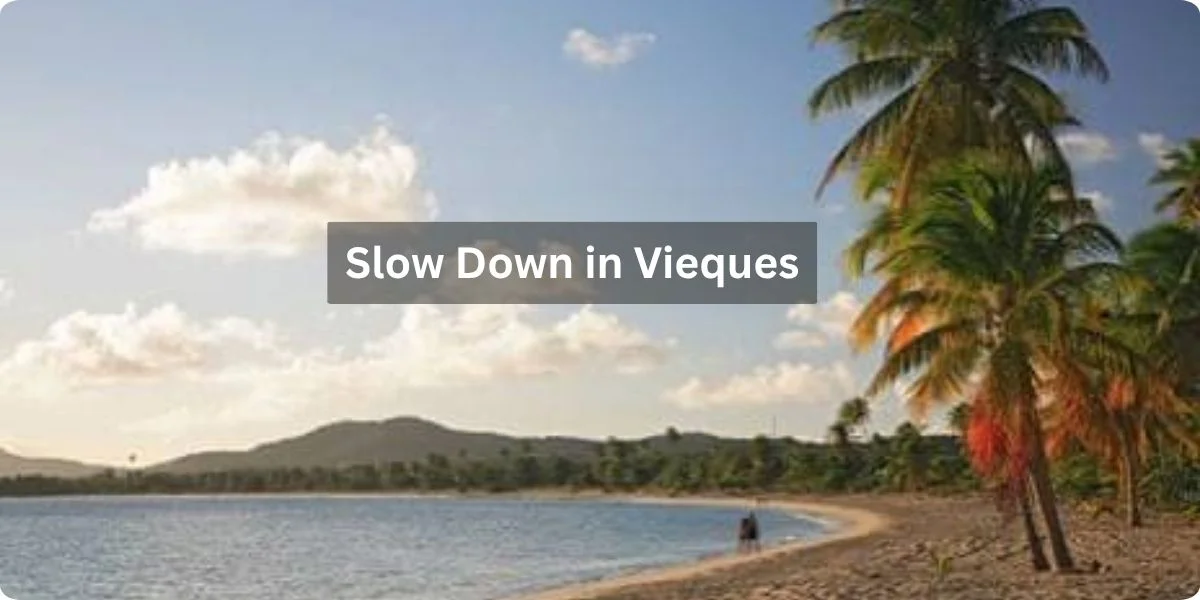
Vieques sits off Puerto Rico’s east coast and moves at a noticeably slower pace than San Juan, the kind of place where dinner plans loosen and nobody minds if you show up late. Wild horses roam freely, wandering across roads and beaches as if they own the place, which in a sense they do. Beaches stay uncrowded even in high season, and the island rewards an overnight stay rather than a rushed day trip, since so much of its appeal only shows up once the ferry crowds have gone home. If your schedule only allows one island getaway, weigh Vieques against Culebra based on whether you want beaches (Culebra) or a broader mix of beaches, hiking, and quiet (Vieques).
- Getting there: ferries run from Ceiba roughly every two hours between about 4 AM and 8:30 PM, with the crossing taking around 30 to 50 minutes; small planes from San Juan cover the same distance in about 25 minutes. Beaches stay uncrowded even in high season, and the island rewards an overnight stay rather than a rushed day trip, since so much of its appeal only shows up once the ferry crowds have gone home.
- Best time to visit is December through April for reliably dry, sunny weather, though late spring and fall bring fewer crowds and lower prices if you don’t mind the odd shower. If your schedule only allows one island getaway, weigh Vieques against Culebra based on whether you want beaches (Culebra) or a broader mix of beaches, hiking, and quiet (Vieques).
9. Explore Culebra Beyond Flamenco
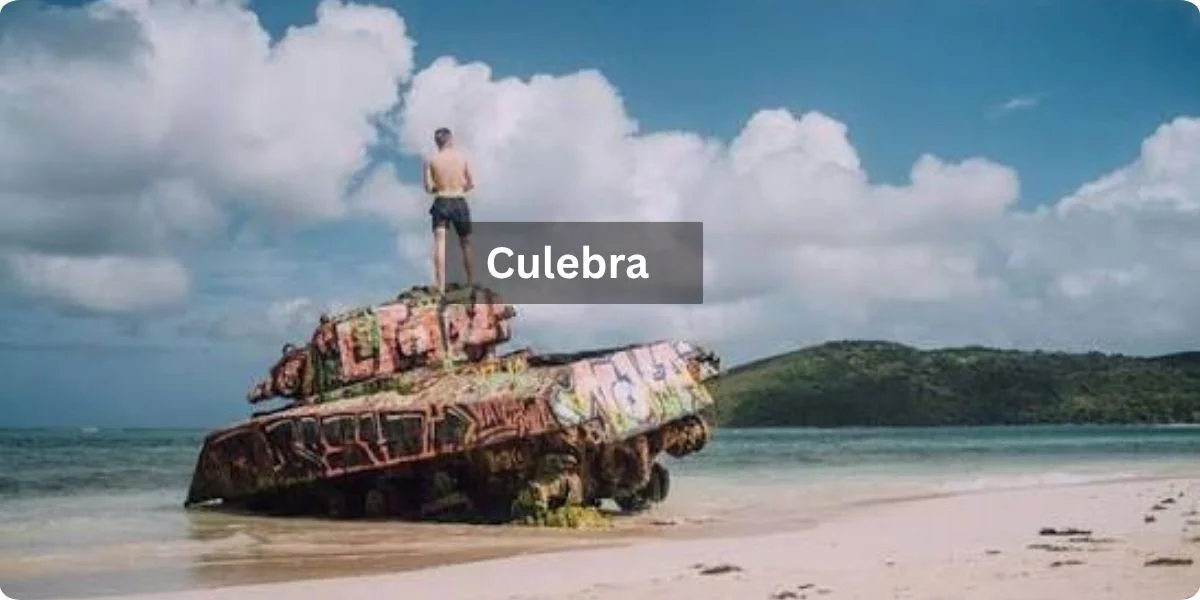
Flamenco gets the fame, but Culebra has other beaches worth a look, including Zoni Beach on the island’s quieter east side, where you’re far more likely to have long stretches of sand mostly to yourself. The snorkeling around Culebra’s reefs is genuinely good, not just serviceable, thanks to the marine reserve protections that keep the coral and fish life healthier than in many more heavily trafficked spots. Pack a mask even if swimming is your main goal, since even a few minutes floating near the rocks at either end of a beach can turn up sea turtles, rays, or a school of parrotfish you wouldn’t have known was there otherwise.
- Hours: Zoni has no gates or facilities, so it’s accessible any time, but there’s no shade, no lifeguard, and nothing nearby after dark, so plan to leave before dusk.
- Best time to visit is early morning, before the midday sun gets intense, and during the dry season from roughly December through April, when visibility for snorkeling peaks. The snorkeling around Culebra’s reefs is genuinely good, not just serviceable, thanks to the marine reserve protections that keep the coral and fish life healthier than in many more heavily trafficked spots. Pack a mask even if swimming is your main goal, since even a few minutes floating near the rocks at either end of a beach can turn up sea turtles, rays, or a school of parrotfish you wouldn’t have known was there otherwise.
10. Catch the Night Scene at La Placita de Santurce
@kelsacosta La Placita in PR ✨️🇵🇷✨️ We walking around La Placita to catch a couple vibes and enjoy tha night! Peep tha scene 🔥 #puertorico #puertorico🇵🇷 #puertoricotiktok #puertorican #travel ♬ original sound – Kels Acosta
La Placita in Santurce is a produce market by day, stocked with fruit vendors and small food stalls doing brisk business with locals running errands. By night, it turns into one of San Juan’s liveliest gathering spots, with bars spilling into the street, live music drifting between blocks, and a crowd that’s mostly locals rather than tourists, which gives it a different energy than the nightlife strips built for visitors. If loud nightlife isn’t your thing, an early evening visit still gets you the market atmosphere without the crowd, letting you wander the stalls, grab a bite, and watch the transition from daytime commerce to nighttime party happen around you.
- Hours: the market runs during daytime hours, then the transition to nightlife happens between about 5 and 6 PM, when vendors close up and bars and food kiosks take over the party runs into the early hours of the morning, especially on weekends. By night, it turns into one of San Juan’s liveliest gathering spots, with bars spilling into the street, live music drifting between blocks, and a crowd that’s mostly locals rather than tourists, which gives it a different energy than the nightlife strips built for visitors.
- Best time to visit for the full street-party atmosphere is Thursday through Saturday night, when the streets close to cars and the energy peaks; for a calmer scene, come earlier in the evening. If loud nightlife isn’t your thing, an early evening visit still gets you the market atmosphere without the crowd, letting you wander the stalls, grab a bite, and watch the transition from daytime commerce to nighttime party happen around you.
11. See a Different Side of the Island in Ponce
Ponce, on the south coast, has a completely different feel from San Juan neoclassical architecture lining the main plaza, a well-regarded art museum with a collection that punches above its weight for a city this size, and a slower, more residential rhythm that makes it feel like a real place rather than a resort backdrop. It works well as a base for exploring the south coast if you want to get outside the San Juan bubble for a day or two, with easy access to nearby dry forest reserves, historic sites, and beaches that see a fraction of the crowds you’d find up north.
- Hours: the Museo de Arte de Ponce is open 10 AM to 5 PM Monday and Wednesday through Saturday, noon to 5 PM Sunday, and closed Tuesdays.
- Best time to visit the museum is Friday, when free guided tours run in Spanish and English and the crowds tend to be lighter; for the city overall, December through April brings the driest weather for wandering the plaza and nearby streets. It works well as a base for exploring the south coast if you want to get outside the San Juan bubble for a day or two, with easy access to nearby dry forest reserves, historic sites, and beaches that see a fraction of the crowds you’d find up north.
12. Get Coastal in Cabo Rojo
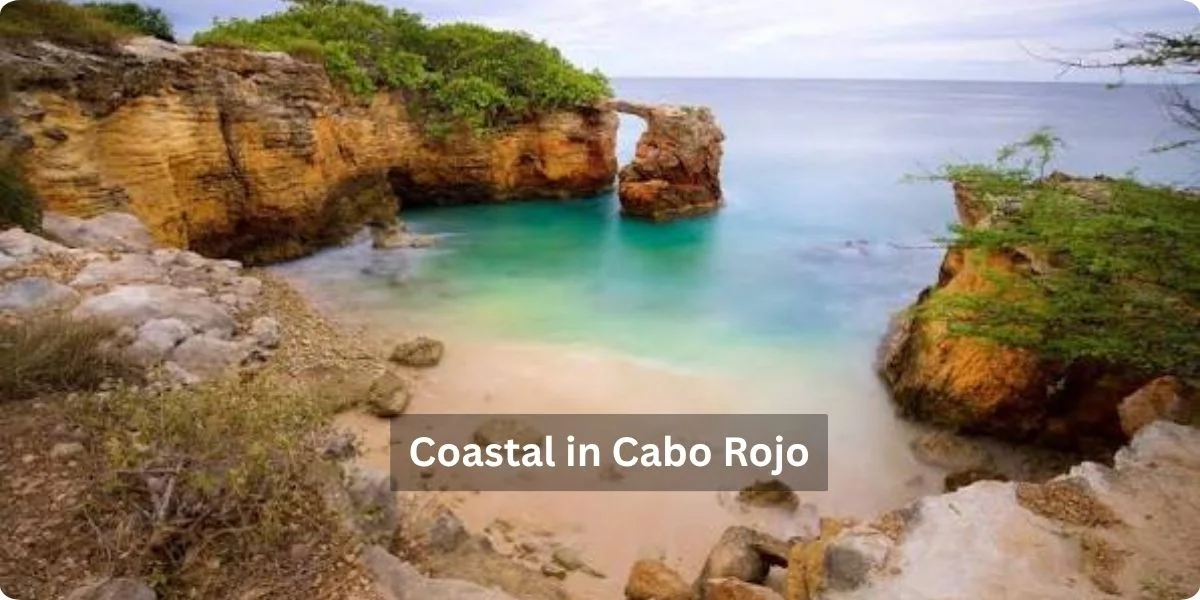
Cabo Rojo delivers dramatic scenery that doesn’t look like the rest of Puerto Rico: pink salt flats stretching out under the sun, red-and-white striped lighthouses standing against the coastline, and cliffside viewpoints where the Caribbean drops away in shades of blue you don’t see on the north coast. It’s less about a single attraction and more about the drive itself, with the coastal road winding past salt ponds, dry forest, and small fishing towns that reward an unhurried pace. Leave room in your schedule to actually stop the car, since half the appeal here is the pull-over view you weren’t planning for.
- Hours: the Los Morrillos lighthouse grounds are open Thursday through Tuesday (closed Wednesdays) from about 9 AM to 4:30 PM, and the nearby wildlife refuge keeps weekday hours from 7 AM to 4 PM.
- Best time to visit is during the dry season from December through April for reliable sun, and specifically late afternoon if you want the lighthouse and cliffs at sunset, when the light turns the whole scene gold. It’s less about a single attraction and more about the drive itself, with the coastal road winding past salt ponds, dry forest, and small fishing towns that reward an unhurried pace. Leave room in your schedule to actually stop the car, since half the appeal here is the pull-over view you weren’t planning for.
13. Go Underground at the Camuy River Cave Park
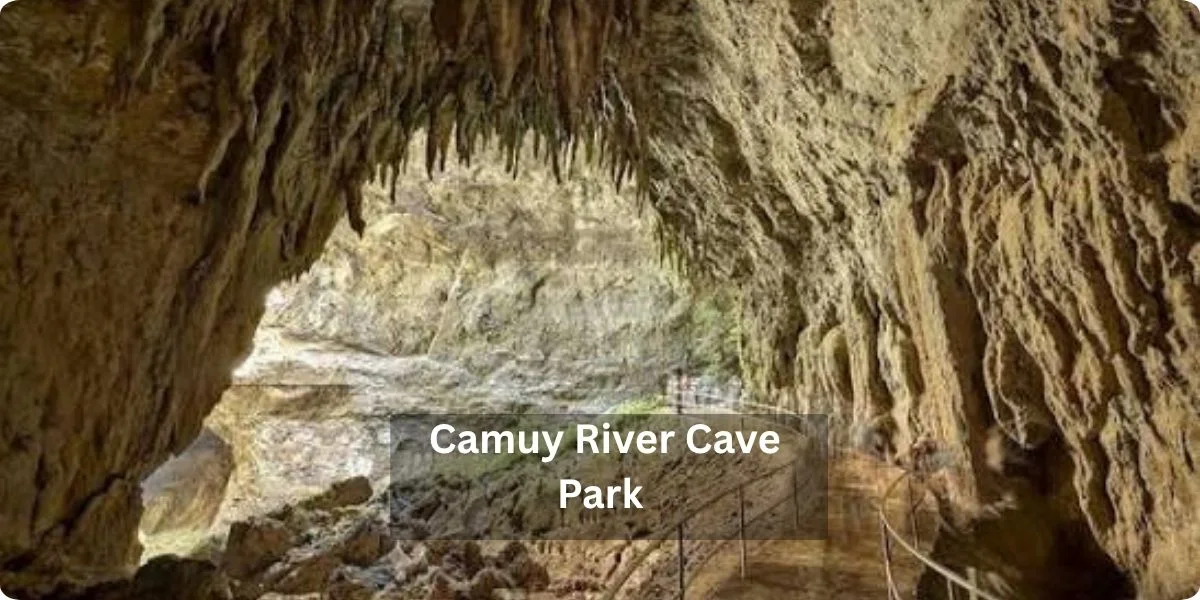
Puerto Rico’s karst region hides one of the largest cave systems in the Western Hemisphere, and the Camuy River Cave Park makes a section of it accessible with guided tours through the massive Clara Cave chamber and a sinkhole where you can see the underground river still flowing below, a chamber so large it could reportedly swallow a twenty-story building whole.
- Hours: the park is generally open Wednesday through Sunday, roughly 8 AM to 3 or 4 PM depending on the season, with tours departing on the hour and the last one leaving in the early-to-mid afternoon.
- Best time to visit: Is right at opening, since entry is first-come, first-served with a daily capacity limit, and arriving early also means shorter waits between tours during busy winter months when school groups and families crowd the ticket line. It’s a solid rainy-day plan since you’re underground regardless of weather, though operating hours can vary and the park has closed unexpectedly in the past due to storm damage or funding issues, so confirm before driving out and have a backup plan ready just in case.
14. Snorkel the Reefs
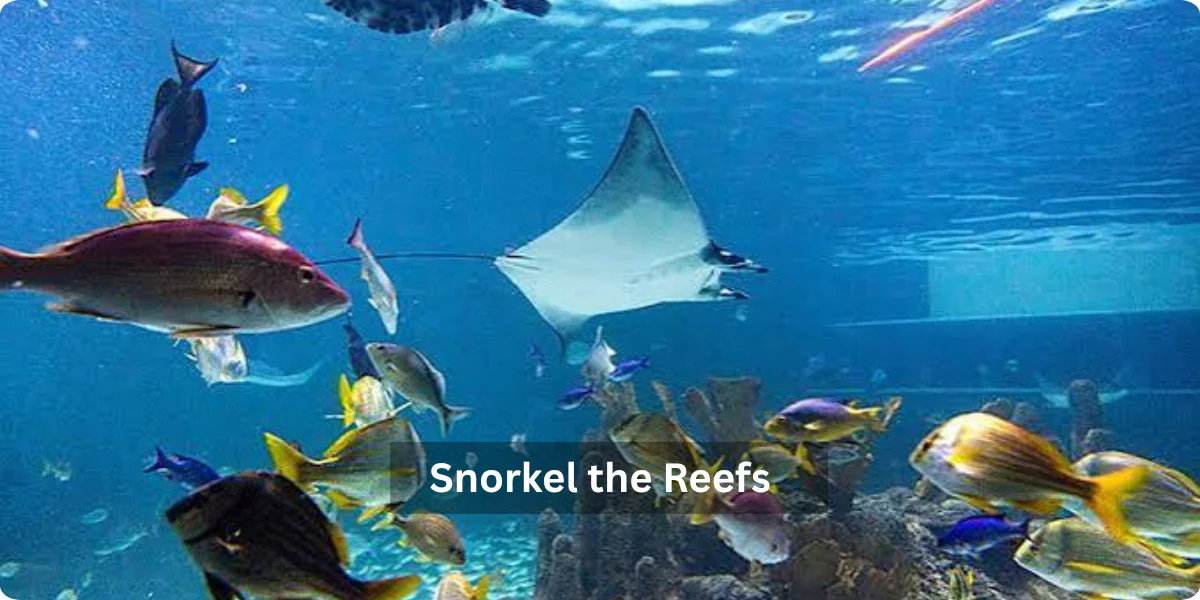
Culebra tends to get the most praise for snorkeling, but plenty of coastal spots around the main island have healthy reef systems too, from the protected waters off Fajardo to quieter reefs along the southwest coast near Cabo Rojo. First-timers are better off with a guided tour, since an operator will know current conditions, point out marine life you’d otherwise swim right past, and handle gear rental so you’re not troubleshooting a leaky mask on your first outing. Experienced snorkelers can often find good entry points directly from public beaches, skipping the boat trip entirely and saving both time and money if they already know where the reef starts.
- Hours: most public beaches with reef access have no set opening or closing time, though guided boat tours typically depart mid-morning, around 9 or 10 AM, and run half a day.
- Best time to visit is during the dry season from December through April, when the water is calmest and visibility is highest, and within any given day, mornings between roughly 8 and 11 AM tend to offer the clearest conditions before wind picks up. First-timers are better off with a guided tour, since an operator will know current conditions, point out marine life you’d otherwise swim right past, and handle gear rental so you’re not troubleshooting a leaky mask on your first outing. Experienced snorkelers can often find good entry points directly from public beaches, skipping the boat trip entirely and saving both time and money if they already know where the reef starts.
15. Book a Boat Trip

A half-day or full-day boat excursion changes your whole relationship with the coastline, trading the fixed view from a beach towel for a moving one that opens up coves and cays you’d never reach on foot. Depending on the operator, you might snorkel over reefs, hop between small beaches that see almost no foot traffic, or just watch the sunset from open water with a drink in hand while the coastline turns pink behind you. Compare departure points, group size, and cancellation policies before booking, since weather cancellations are common in this region, and a smaller boat with fewer passengers usually means more time in the water and less waiting around for your turn.
- Hours: most operators run morning departures around 8 or 9 AM, since morning sailing tends to be smoother, with sunset cruises leaving in the late afternoon; check-in is typically 30 to 60 minutes before departure.
- Best time to visit is winter for clearer air and comfortable temperatures, though summer often brings calmer seas for a smoother ride either way. Avoid the peak of hurricane season from August through October, when cancellations spike. Depending on the operator, you might snorkel over reefs, hop between small beaches that see almost no foot traffic, or just watch the sunset from open water with a drink in hand while the coastline turns pink behind you. Compare departure points, group size, and cancellation policies before booking, since weather cancellations are common in this region, and a smaller boat with fewer passengers usually means more time in the water and less waiting around for your turn.
16. Hit Luquillo Beach

Luquillo works well paired with El Yunque since they’re close together geographically, making it easy to spend the morning under the rainforest canopy and the afternoon back on flat, sunlit sand. Beyond the beach itself, Luquillo is known for its kiosks, a long strip of food stands selling fried snacks, fresh seafood, and cold drinks that make for one of the better casual meals on the island. The kiosks range from simple counter-service stalls to sit-down spots with plastic chairs and full menus, so it’s worth walking the row before committing to your first plate rather than stopping at the very first one you see.
- Hours: the beach itself, with lifeguards, generally runs 8:30 AM to 5:30 PM, while the kiosks keep their own schedules, typically opening around 11 AM or noon and running until 9 or 10 PM on weekdays, later on weekends.
- Best time to visit the kiosks is midday for the widest selection, since many stay closed in the early morning, or weekend evenings if you want the full lively atmosphere with more vendors open and music going. Beyond the beach itself, Luquillo is known for its kiosks, a long strip of food stands selling fried snacks, fresh seafood, and cold drinks that make for one of the better casual meals on the island. The kiosks range from simple counter-service stalls to sit-down spots with plastic chairs and full menus, so it’s worth walking the row before committing to your first plate rather than stopping at the very first one you see.
17. Chase Sunsets in Rincon

Rincón, on the west coast, built its reputation on surfing and sunsets, and it delivers on both, with a string of beach breaks that draw everyone from first-timers taking a lesson to serious surfers chasing winter swells. The vibe here is noticeably more laid-back than San Juan, more flip-flops than nightlife, the kind of place where a day plan can dissolve into watching the horizon from a beach bar and nobody thinks less of you for it. If you want a Puerto Rico trip that isn’t centered on the capital, Rincón is the clearest alternative, small enough to feel unhurried but with enough good food and lodging to comfortably anchor a stay.
- Access: the beaches themselves have no gates or set hours, so you can show up any time, though the town’s Thursday night art walk and Sunday farmers market are worth timing your visit around.
- Best time to visit depends on what you’re after December through April brings the most consistent surf and the driest weather, with humpback whales passing through the Mona Passage from January to March, while June through August offers calmer water better suited to swimming and snorkeling, just with more local crowds. The vibe here is noticeably more laid-back than San Juan, more flip-flops than nightlife, the kind of place where a day plan can dissolve into watching the horizon from a beach bar and nobody thinks less of you for it. If you want a Puerto Rico trip that isn’t centered on the capital, Rincón is the clearest alternative.
18. Learn to Surf

Rincón is the obvious hub, but several spots along the northwest coast see consistent swells, from the beach breaks around Aguadilla to quieter, less crowded stretches near Isabela. Local surf schools cater specifically to beginners, with instructors who spend most of a lesson just getting you comfortable popping up in whitewash before anyone talks about actual waves. Lessons are widely available and reasonably priced compared to other surf destinations, often bundled with board rental so you’re not paying separately for gear you’ll only use for an hour. Always check conditions locally since swell size can shift fast, and what looked manageable from the road can feel very different once you’re paddling out.
- Hours: most surf schools run morning sessions, typically starting between 8 and 10 AM, when winds are lighter and the water calmer, with lessons lasting one to two hours.
- Best time to visit for beginners is summer, roughly May through September, when swells shrink and conditions turn gentle and forgiving; winter, from November through April, brings bigger, more consistent waves better suited to experienced surfers. Local surf schools cater specifically to beginners, with instructors who spend most of a lesson just getting you comfortable popping up in whitewash before anyone talks about actual waves. Lessons are widely available and reasonably priced compared to other surf destinations, often bundled with board rental so you’re not paying separately for gear you’ll only use for an hour. Always check conditions locally since swell size can shift fast, and what looked manageable from the road can feel very different once you’re paddling out.
19. Track Down a Waterfall
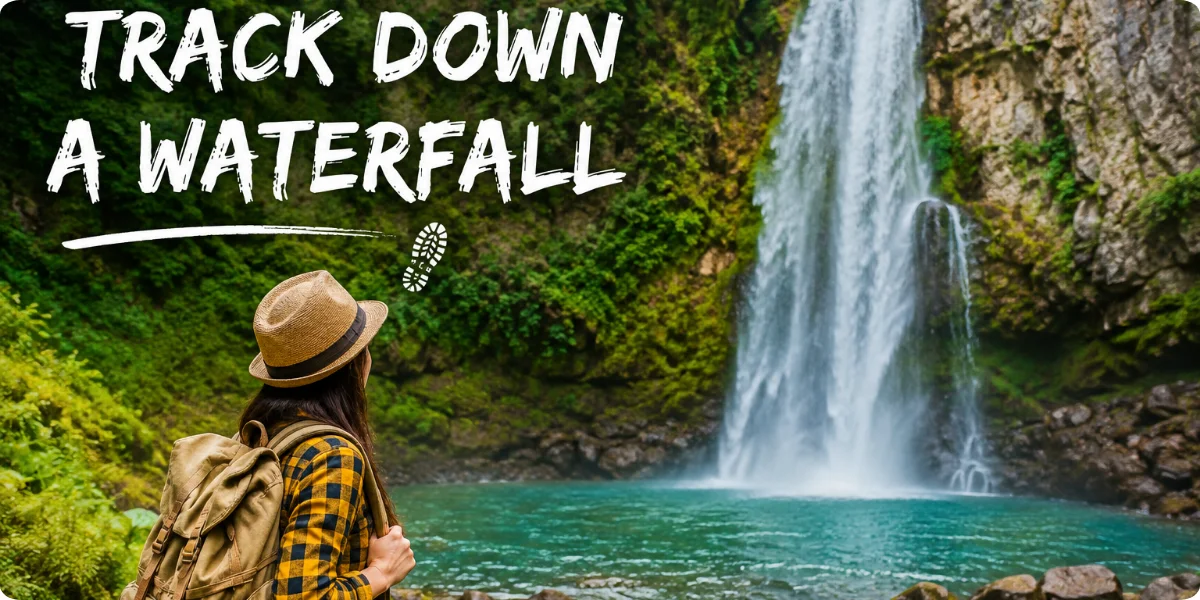
Puerto Rico’s interior hides waterfalls that don’t make every list, some requiring a short hike through farmland or forest and others visible right from the road if you know where to slow down. Not every waterfall pool is safe for swimming, particularly after rain when currents pick up and flow that looked gentle an hour earlier can turn genuinely dangerous. Treat “swimmable” as something to verify on site, not assume, since conditions can shift quickly and what a website or a friend told you last month may no longer hold. Ask locally if you’re unsure, and skip the swim entirely if the water looks fast, murky, or higher than usual.
- Hours: developed spots like Gozalandia Falls, one of the more accessible and popular options, are open daily from about 9 AM to 6 PM, with a small parking fee collected at the gate; smaller, undeveloped falls have no set hours at all, so daylight is your real limit.
- Best time to visit is right at opening, before crowds build by mid-morning, and December through April for the driest trails and safest water levels heavy rain season brings higher flow and stronger currents. Not every waterfall pool is safe for swimming, particularly after rain when currents pick up and flow that looked gentle an hour earlier can turn genuinely dangerous. Treat “swimmable” as something to verify on site, not assume, since conditions can shift quickly and what a website or a friend told you last month may no longer hold. Ask locally if you’re unsure, and skip the swim entirely if the water looks fast, murky, or higher than usual.
20. Browse a Local Market

Markets give you a version of Puerto Rico that doesn’t show up in a typical itinerary: fresh produce piled high, homemade snacks wrapped in wax paper, and vendors who’ll happily tell you what to try if you ask, often steering you toward whatever they made that morning rather than whatever sells best to tourists. It’s also one of the better places to sample food you won’t find listed on a restaurant menu, the kind of small-batch pastelillos or homemade limber that only exists because someone’s grandmother has been making it the same way for decades. Bring small bills, since most stalls don’t take cards.
- Hours: daily produce markets like La Placita in Santurce run roughly 6 AM to 6 PM Monday through Saturday and until noon on Sunday, while weekly farmers markets tend to be Saturday or Sunday morning affairs, often wrapping up by early afternoon.
- Best time to visit is early, around 7 or 8 AM, when the selection is freshest and the aisles haven’t filled up yet weekday mornings are quietest if you’d rather browse without the crowds. It’s also one of the better places to sample food you won’t find listed on a restaurant menu, the kind of small-batch pastelillos or homemade limber that only exists because someone’s grandmother has been making it the same way for decades. Bring small bills, since most stalls don’t take cards.
21. Experience San Juan After Dark
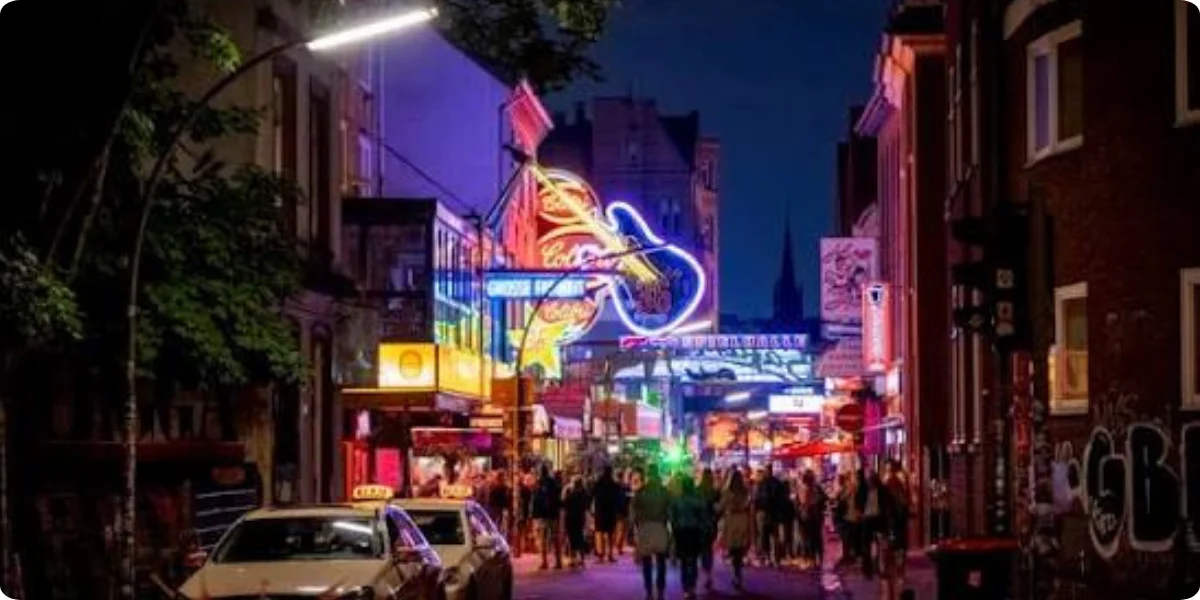
San Juan’s nightlife covers a lot of ground, from salsa clubs where the dancing spills onto the sidewalk to laid-back beach bars where the loudest thing all night is the surf. Santurce, Condado, and Old San Juan each have a distinct after-dark personality, from Santurce’s gritty, locals-first energy to Condado’s polished hotel-bar scene to Old San Juan’s mix of cobblestone wine bars and late-night reggaetón, so it’s worth sampling more than one neighborhood rather than assuming your first stop represents the whole city. Ask a bartender or your hotel where they’d go on a night off the answer will usually be more useful than any list.
- Hours: most bars and clubs get going around 9 or 10 PM and run until 2 or 3 AM, with the street-party sections of La Placita and Old San Juan often staying loud well past that on weekends.
- Best time to visit is Thursday through Saturday night, when the widest range of venues are open and busiest La Placita in particular is a much quieter, different experience earlier in the week. Santurce, Condado, and Old San Juan each have a distinct after-dark personality, from Santurce’s gritty, locals-first energy to Condado’s polished hotel-bar scene to Old San Juan’s mix of cobblestone wine bars and late-night reggaetón, so it’s worth sampling more than one neighborhood rather than assuming your first stop represents the whole city. Ask a bartender or your hotel where they’d go on a night off the answer will usually be more useful than any list.
22. Drive the Mountain Interior

The interior of the island, often called La Cordillera Central, is where a lot of visitors never go, which is exactly why it’s worth the detour if you have even a spare day to spend inland. Winding roads pass through small towns and coffee-growing regions that feel far removed from the coast, with roadside stands selling fruit and coffee grown a few hundred feet from where you’re standing. Add extra time to your route, since mountain roads take longer than the map suggests, full of switchbacks, single-lane bridges, and the occasional stray horse that isn’t in a hurry to move. A full tank of gas and an early start make the difference between a relaxed day and a rushed one.
- Hours: the region itself has no gate or closing time, but the coffee hacienda tours worth building a stop around, like Hacienda Buena Vista near Ponce, generally run tours between about 9 AM and 3 or 4 PM, with some offering English-language tours only on weekends.
- Best time to visit is mid-April through June, after the winter tourist crush and before the heaviest summer rains, when mountain roads are least likely to see flooding or mudslides. Winding roads pass through small towns and coffee-growing regions that feel far removed from the coast, with roadside stands selling fruit and coffee grown a few hundred feet from where you’re standing. Add extra time to your route, since mountain roads take longer than the map suggests, full of switchbacks, single-lane bridges, and the occasional stray horse that isn’t in a hurry to move. A full tank of gas and an early start make the difference between a relaxed day and a rushed one.
23. Tour the Bacardi Distillery in Cataño
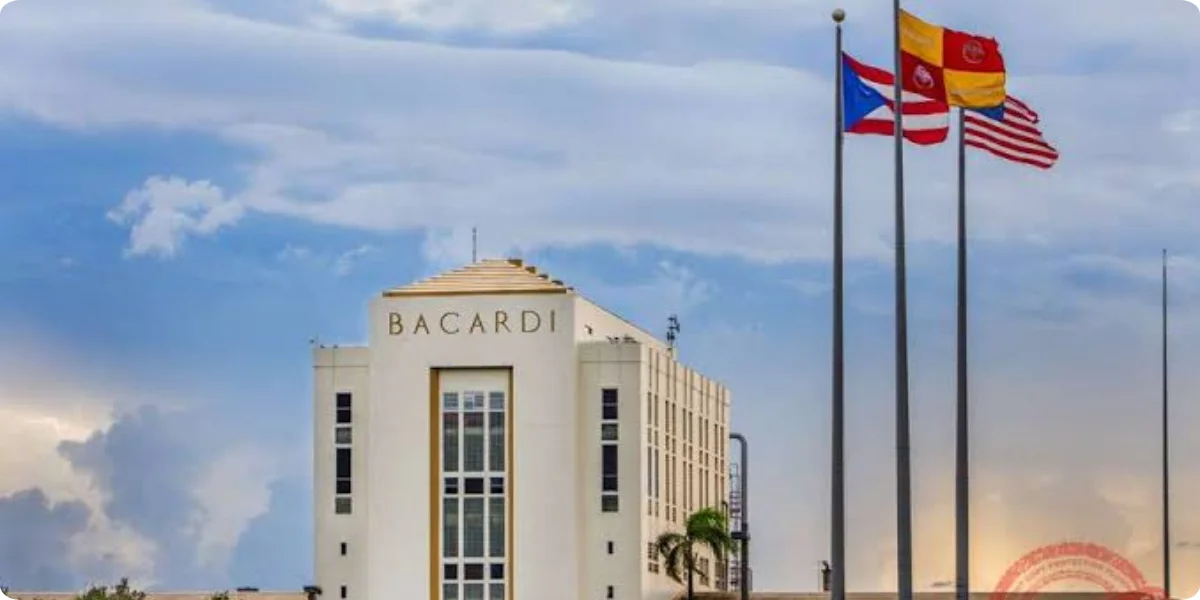
The Bacardi facility sits across San Juan Bay in Cataño, reached by a short ferry ride from Old San Juan, which makes the trip itself part of the experience rather than just a way to get there.
- Hours: Casa BACARDÍ is generally open around 9:30 AM to 7 PM daily, with tours running at set times throughout the day; the Cataño ferry runs roughly every 30 minutes, typically between 6 AM and 7 or 8 PM depending on the day.
- Best time to visit is on an earlier tour slot, since arriving mid-morning gives you time for the full visit plus the store and Pavilion bar without rushing back for a late ferry. Tours cover the brand’s history and rum production, with tastings included for guests of legal drinking age. Check the ferry schedule alongside the tour times so you’re not stuck waiting on either end, and build in extra time on both sides, since the ferry, taxi transfer, and tour together easily add up to a half-day outing.
24. Detour Through a Smaller Town

San Juan understandably gets most of the attention, but towns like Aguadilla, Utuado, and San Germán each hold onto a distinct local character with their own plazas, churches, and small museums that rarely make it onto a first-timer’s list. San Germán, in particular, is one of the oldest towns on the island and still shows it, with colonial-era buildings lining streets that see far more residents than tourists on an average afternoon. Working even one smaller town into your itinerary makes the trip feel less like a highlight reel and more like an actual visit, the kind where you end up talking to a shop owner or sitting in a plaza with nowhere in particular to be next.
- Hours: the Porta Coeli museum, the town’s most visited landmark, is generally open Wednesday through Sunday from about 8:30 AM to noon and 1 to 4:30 PM, closed for lunch and all day Monday and Tuesday.
- Best time to visit is December through March, when the weather is driest and most comfortable for walking the plazas, though smaller local museums keep their own irregular hours, so it’s worth checking at the municipal tourism office when you arrive. Working even one smaller town into your itinerary makes the trip feel less like a highlight reel and more like an actual visit, the kind where you end up talking to a shop owner or sitting in a plaza with nowhere in particular to be next.
25. Watch the Sun Go Down Over the Water

This one costs nothing. Find a stretch of coastline, sit down, and let the evening happen, no reservation, no itinerary, just the sky doing its thing while the day cools off around you. The west coast around Rincón has the reputation for the best sunsets, in part because the sun sets directly over open water there rather than behind another island or the mainland horizon, but honestly, most of Puerto Rico’s coastline delivers a version worth stopping for. Bring nothing more than yourself and maybe a drink, and resist the urge to spend the whole thing behind a camera some evenings are better left unphotographed.
- Timing: Puerto Rico’s sunset shifts from around 6:30 PM in winter to closer to 7:30 PM in summer, and most beaches have no gates, so you’re free to stay through dusk even if daytime facilities close earlier.
- Best time to visit is any clear evening, though the dry season from December through April tends to bring less cloud cover and more consistently vivid skies. The west coast around Rincón has the reputation for the best sunsets, in part because the sun sets directly over open water there rather than behind another island or the mainland horizon, but honestly, most of Puerto Rico’s coastline delivers a version worth stopping for. Bring nothing more than yourself and maybe a drink, and resist the urge to spend the whole thing behind a camera some evenings are better left unphotographed.
Where to Go Based on What You’re After
| Destination | Best For |
|---|---|
| San Juan | First-timers, food, nightlife, and history in one place |
| Old San Juan | Colonial architecture and historic sites |
| El Yunque | Hiking and rainforest scenery |
| Culebra | Beaches and snorkeling |
| Vieques | Bioluminescent bays and a slower pace |
| Rincon | Surfing, sunsets, and a laid-back west-coast feel |
| Ponce | Museums, architecture, and southern-coast culture |
| Cabo Rojo | Cliffs, salt flats, and dramatic coastal scenery |
San Juan is the practical starting point for a first visit, since nearly everything else on this list is a manageable day trip or short flight from there.
Matching the Trip to the Traveler
- Nature-focused travelers should build the trip around El Yunque, a waterfall hike or two, and time on Culebra or Vieques.
- Couples tend to do well combining a beach day with a bio bay tour and a quieter stay outside the busiest part of San Juan.
- Families are generally better served by beaches with easy facilities, shorter nature walks, and a boat trip rather than a demanding hike.
- Adventure travelers have plenty to work with between surfing, snorkeling, caving, and the mountain drive through the interior.
- History-minded travelers should anchor the trip around Old San Juan and El Morro, then branch out to Ponce or one of the smaller colonial towns.
- Food-first travelers will get more out of neighborhood restaurants and markets than anything resort-adjacent.
What Doesn’t Cost Anything
A Puerto Rico trip doesn’t have to be expensive to feel complete. Free or low-cost options include walking Old San Juan’s colorful streets, spending a day at any public beach, catching a sunset from wherever you happen to be standing, browsing local markets for a taste of things you’d never find on a menu, and exploring historic plazas that cost nothing more than the time it takes to sit on a bench and watch the day go by.
Some individual attractions still charge entrance or parking fees, from a few dollars at a state forest to more at guided tours and museums, so it’s worth confirming current pricing before you build them into a tight budget, especially if you’re stacking several paid stops into one day.
Getting Around Without a Car
San Juan itself, especially Old San Juan, is walkable enough that a rental car isn’t essential if that’s your only base, and honestly a car can be more hassle than help given the narrow streets and scarce parking. Once you want to reach El Yunque, Rincón, Culebra, Vieques, or anywhere off the beaten path, though, you’ll need either a rental car or advance transportation planning, since public transit outside the city is limited and taxis for long distances add up fast. If your itinerary includes multiple far-flung stops, renting a car will save you more time than it costs, letting you set your own pace instead of coordinating pickups and drop-offs around someone else’s schedule.
Nightlife and Evening Options
When to Visit
Puerto Rico is a year-round destination, but the calendar still matters. The dry season, roughly December through April, brings the most reliable weather and the biggest crowds, so book accommodations and bio bay tours ahead if you’re traveling then. The wetter season runs June through November, overlapping with Atlantic hurricane season, meaning it’s worth watching the forecast if you’re planning around outdoor activities or booking non-refundable tours during those months.
How Long to Stay
- Three days is enough for a solid introduction: Old San Juan, El Morro, one beach, and a meal you’ll remember.
- Five days lets you add a full island day trip to Culebra or Vieques along with more unhurried time in San Juan itself.
- Seven days gives you room to combine San Juan, El Yunque, one outer island, and the west coast without feeling like you’re packing the car every morning.
Where to Base Yourself
- Old San Juan suits travelers prioritizing history, architecture, and walkability over beach access.
- Condado works for anyone who wants beach, restaurants, and hotels within a short walk of each other.
- Rincon fits travelers building the trip around surfing and a slower west-coast pace.
- Vieques is the right call for a quieter island stay with bio bay access built in.
- Culebra makes sense if beaches and snorkeling are the entire point of the trip.
Food Worth Seeking Out
Start with mofongo, fried green plantains mashed with garlic and usually stuffed with pork, shrimp, or chicken, then work through pernil, tostones, and arroz con gandules the core lineup you’ll see on nearly every menu, casual or upscale, across the island. Beyond the classics, local bakeries and food kiosks, especially around Luquillo, are worth a stop even if you weren’t planning one, since a fresh quesito or a bag of alcapurrias eaten standing up in a parking lot can end up being the meal you remember most.
Food here isn’t a break between attractions, it’s one of the better reasons to visit in the first place, worth building actual time into your itinerary for rather than treating as an afterthought between stops.
A Few Honest Tips
Book major excursions, especially bio bay tours, ahead of time during busy travel periods. Check trail and beach conditions before you commit to a hike or a swim, since conditions can shift quickly after rain. Bring real walking shoes, not just sandals, if Old San Juan or El Yunque are on the agenda. Give yourself more time than the map suggests for any mountain drive. And resist the urge to schedule every single hour some of the best parts of a Puerto Rico trip happen in the gaps.
Frequently Asked Questions
What is the number one thing to do in Puerto Rico?
Old San Juan is usually the strongest starting point, since it combines history, food, and walkable sightseeing in one place. El Yunque and the island’s beaches are close behind.
Is Puerto Rico worth visiting?
Yes. Few Caribbean destinations combine rainforest, historic architecture, beaches, and genuinely distinct food as tightly as Puerto Rico does, and the US territory status removes a lot of the usual international travel friction for American visitors.
What is Puerto Rico most famous for?
Its beaches, Old San Juan, El Yunque National Forest, bioluminescent bays, and Puerto Rican cuisine are what most travelers associate with the island.
What are three things you should do in Puerto Rico?
Old San Juan, El Yunque, and a beach day cover the essentials. Add a bio bay tour if you have a fourth slot.
Is three days enough for Puerto Rico?
It’s enough for a focused introduction centered on San Juan, but it won’t leave time for an outer island like Culebra or Vieques.
What part of Puerto Rico is best for tourists?
San Juan remains the easiest base for first-time visitors, though Rincon and the west coast are worth considering if surfing or a slower pace matters more to you than city convenience.
Is Puerto Rico expensive to visit?
It varies widely. Local restaurants, public beaches, and markets keep costs down considerably compared to resort dining and guided tours.
Do you need a car in Puerto Rico?
Not if you’re staying mainly in San Juan. Outside the city, a car or advance transportation planning becomes much more useful.
Final Thoughts
The real question isn’t what there is to do in Puerto Rico, it’s what to prioritize first, since trying to see everything usually means seeing very little of it well. Old San Juan, El Yunque, a proper beach day, a plate of mofongo, and one experience unique to the island a bio bay tour is the obvious pick will give you a trip that feels complete even if it’s short, hitting the mix of history, nature, food, and something you genuinely can’t do anywhere else.
Add Culebra or Vieques if you have the days for it, and don’t over-schedule the rest, since travel time to the outer islands eats into a day faster than it looks on paper. The best Puerto Rico itineraries leave room to actually enjoy where you are instead of rushing to the next stop, treating the in-between moments as part of the trip rather than dead time.
Similar Travel-Related Articles:
- 50+ Best Things to Do in Tulum: Family, Kids & Nightlife Guide
- Where to Stay in Tulum | 30 Best Places, Hotels & Resorts Guide 2025
- 50+ Best Things to Do in San Diego: Top Activities & Attractions 2025
- 30 Best Places to Stay in San Diego: Top Areas & Hotels Prices Guide 2025
- 25+ Best Things to Do in Boston (2025 Guide) | Must-See Attractions
- 50+ Unique Things to Do in Key West: Free, Fun, Must-See Activities Guide
- 25+ Best Things to Do in Belize: A Guide for Adults, Couples & Family
- 30+ Things to Do in St. Thomas: Best Guide for Family, Couple & Adults
