

Singapore may be small in size, but it packs an impressive range of attractions into one destination. From the futuristic skyline of Marina Bay and the Supertrees at Gardens by the Bay to the cultural streets of Chinatown and Little India, there are plenty of places in Singapore to visit for different types of travelers.
Singapore welcomed 16.9 million international visitors in 2025, a 2.3% increase year-on-year, according to the Singapore Tourism Board (STB). Mainland China led as the top source market with 3.1 million visitors, followed by Indonesia (2.4 million), Malaysia and Australia (1.3 million each), and India (1.2 million), reflecting how strongly the city-state continues to attract travelers from across the region and beyond. STB projects 2026 arrivals to climb further, to between 17 and 18 million, underscoring Singapore’s growing appeal as a global travel hub.
Whether you’re visiting for one day or spending a week exploring, this guide covers the best places to visit in Singapore, including famous attractions, cultural neighborhoods, nature spots, family-friendly destinations, and places that are especially enjoyable after dark.
What Are the Best Places in Singapore to Visit?
The best places of Singapore to visit include Marina Bay, Gardens by the Bay, Sentosa Island, Chinatown, Little India, Kampong Glam, Singapore Botanic Gardens, Jewel Changi Airport, Clarke Quay, and Merlion Park.
For a first trip, Marina Bay, Gardens by the Bay, Chinatown, and Sentosa are excellent starting points. Travelers interested in culture can spend more time in Chinatown, Little India, and Kampong Glam, while nature lovers should add the Singapore Botanic Gardens and Pulau Ubin to their itinerary.
Best Places to Visit in Singapore
1. Marina Bay
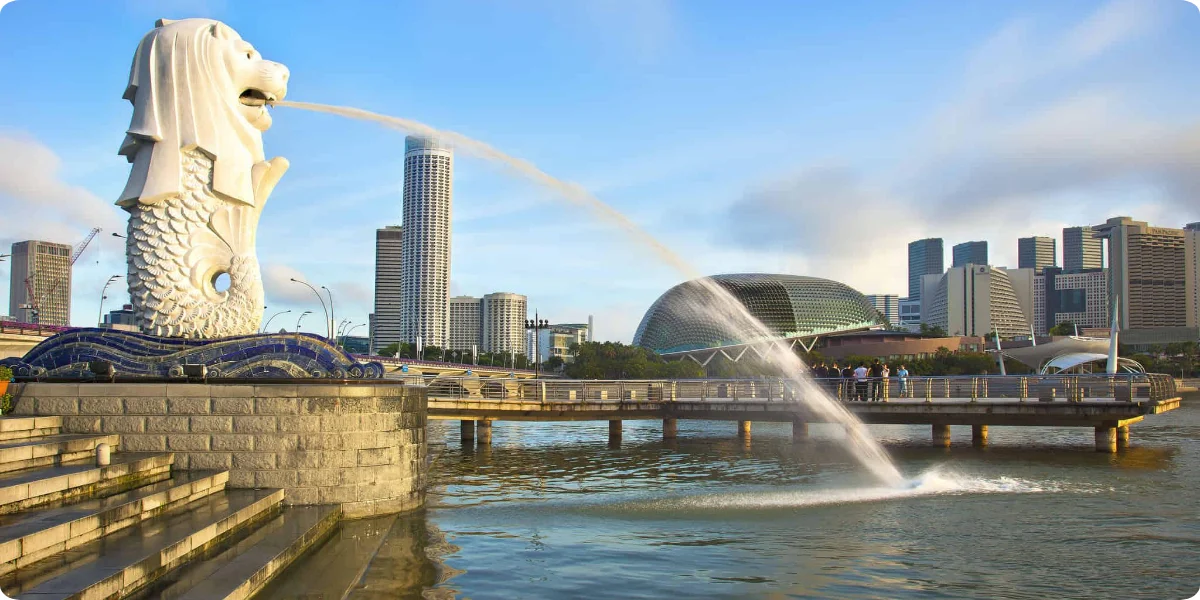
Marina Bay is one of the best places to visit in Singapore for first-time travelers. The waterfront area combines modern architecture, city views, entertainment, shopping, and several major attractions within walking distance.
You can explore the waterfront, see the Merlion, visit Marina Bay Sands, or continue toward Gardens by the Bay. The area becomes particularly attractive after sunset when the skyline lights up.
Marina Bay Sands also includes the ArtScience Museum and the Spectra light and water show.
Best for: First-time visitors, couples, photography, architecture, and evening sightseeing.
2. Gardens by the Bay
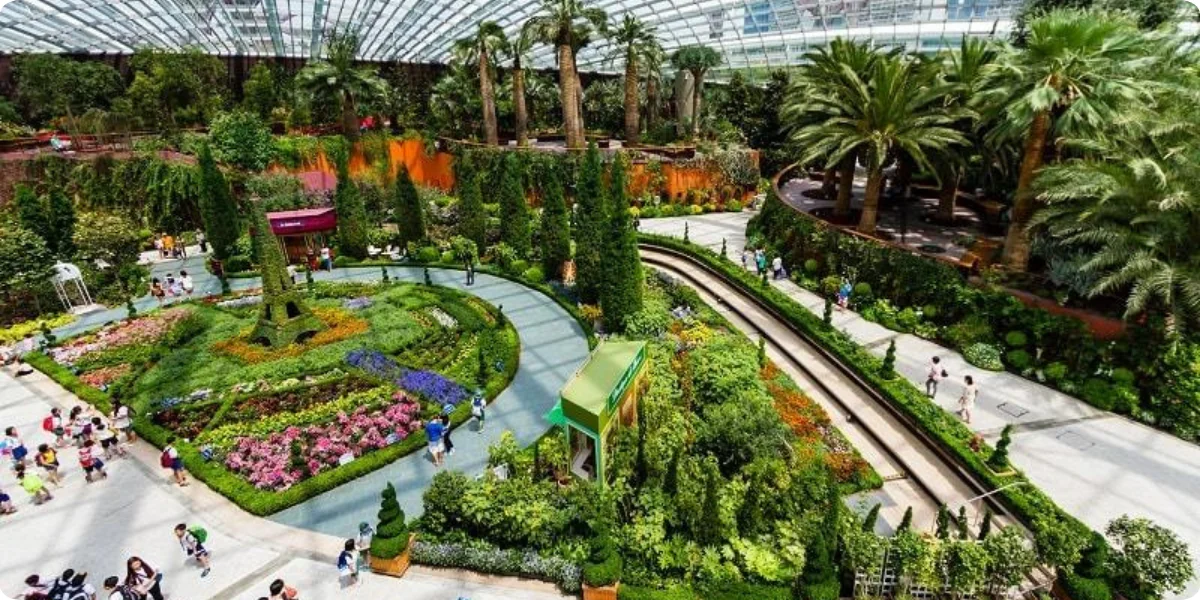
Gardens by the Bay is one of Singapore’s most recognizable attractions. Its futuristic Supertrees, indoor conservatories, and waterfront setting make it a standout destination.
The Flower Dome features plants from different parts of the world, while the Cloud Forest is known for its dramatic indoor waterfall. The Supertrees also combine design with environmental functions such as rainwater collection and solar power.
Try to stay until evening if you can. The Supertrees are illuminated during the Garden Rhapsody light and sound show.
Best for: Families, couples, photographers, nature lovers, and first-time visitors.
3. Sentosa Island

Sentosa Island is the place to go when you want to combine beaches, entertainment, resorts, and attractions in one area.
The island covers about 500 hectares and includes beaches, themed attractions, resorts, dining options, and recreational activities. It is also home to Resorts World Sentosa and Universal Studios Singapore.
You can spend a full day here or simply visit for a few hours. Families may prefer the attractions, while couples can enjoy the beaches, restaurants, and waterfront areas.
Best for: Families, couples, entertainment, beaches, and longer stays.
4. Universal Studios Singapore
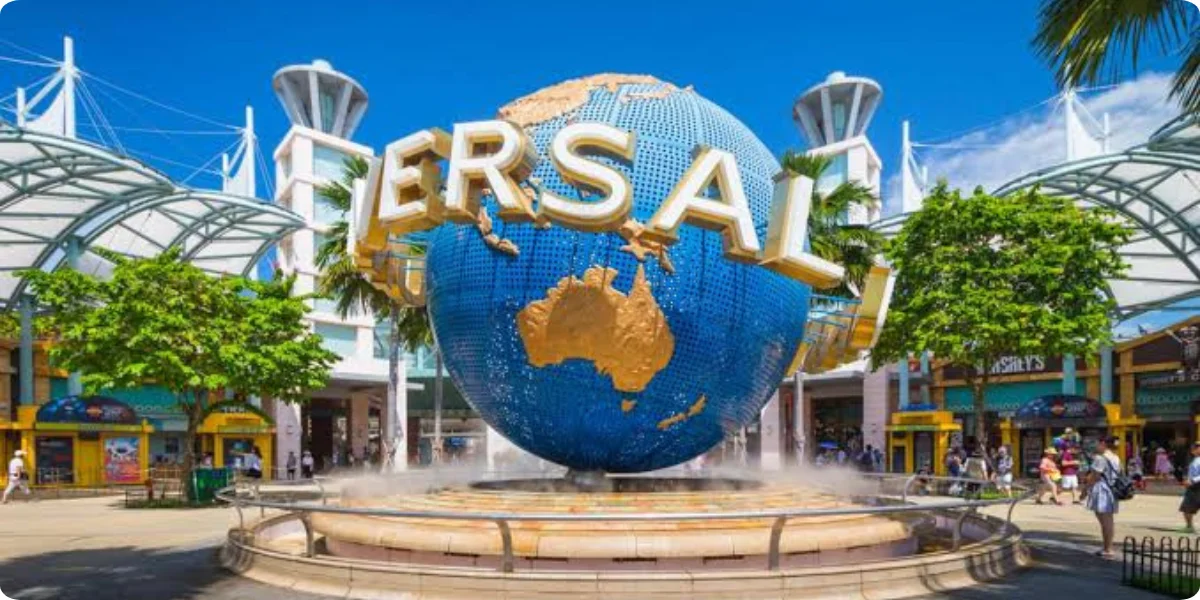
Universal Studios Singapore is one of the most popular attractions on Sentosa Island.
The theme park features rides, shows, themed zones, and entertainment based on popular movie and television franchises. It can easily take most of a day, particularly if you want to experience several major rides.
If you are traveling with children, check height restrictions before planning your day.
Best for: Families, theme-park fans, and travelers looking for entertainment.
5. Chinatown
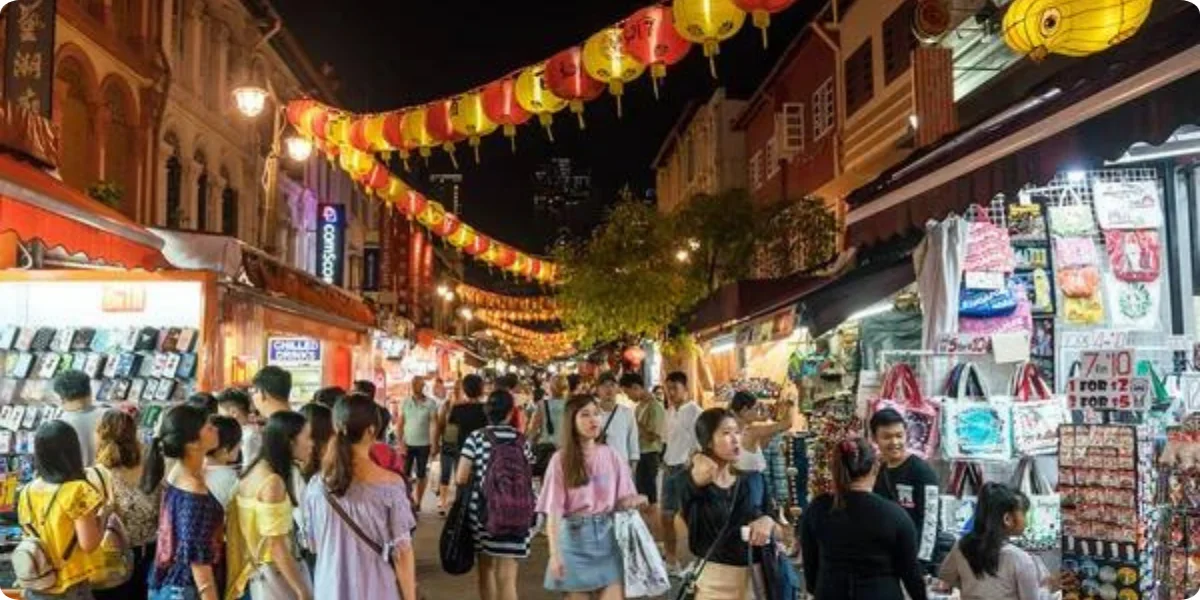
Chinatown offers a different side of Singapore. Instead of futuristic towers, you will find heritage buildings, temples, markets, restaurants, and colorful streets.
It is a good place to explore on foot. You can combine sightseeing with a meal and spend several hours discovering the neighborhood.
Chinatown is also a useful stop for travelers interested in Singapore’s multicultural history and food scene.
Best for: Culture, history, food, photography, and walking tours.
6. Little India
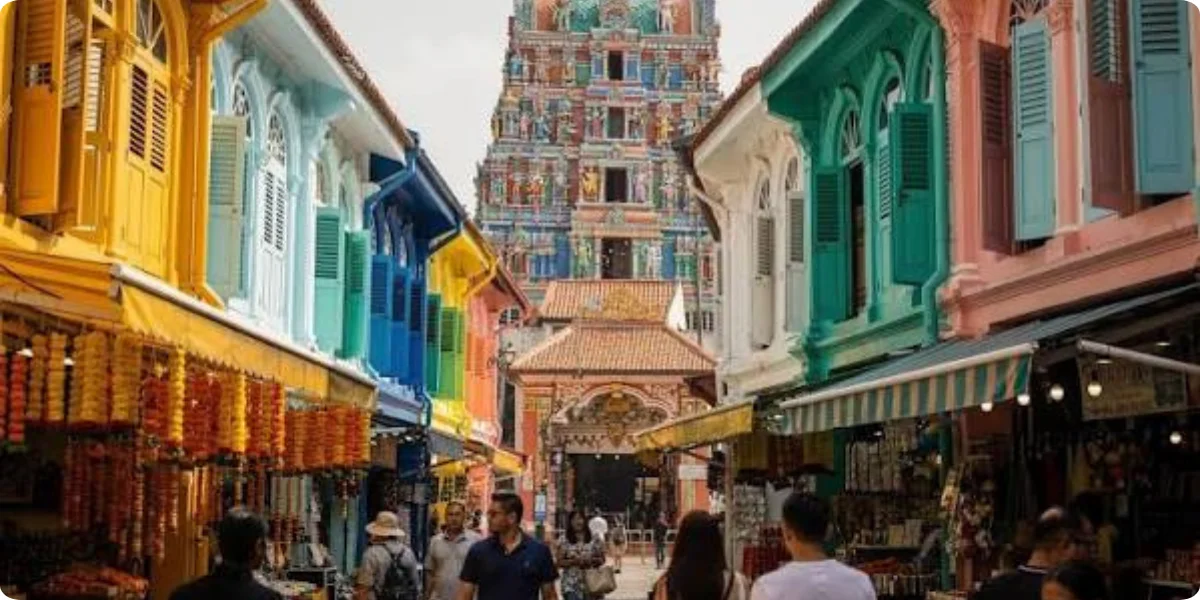
Little India is one of the most colorful neighborhoods in Singapore. Its streets are filled with Indian restaurants, shops, temples, colorful architecture, and cultural landmarks.
The neighborhood is especially interesting for travelers who want to experience a different cultural side of Singapore beyond the modern city center.
Plan a visit around lunchtime if you want to combine sightseeing with Indian cuisine.
Best for: Food lovers, culture, shopping, photography, and history.
7. Kampong Glam
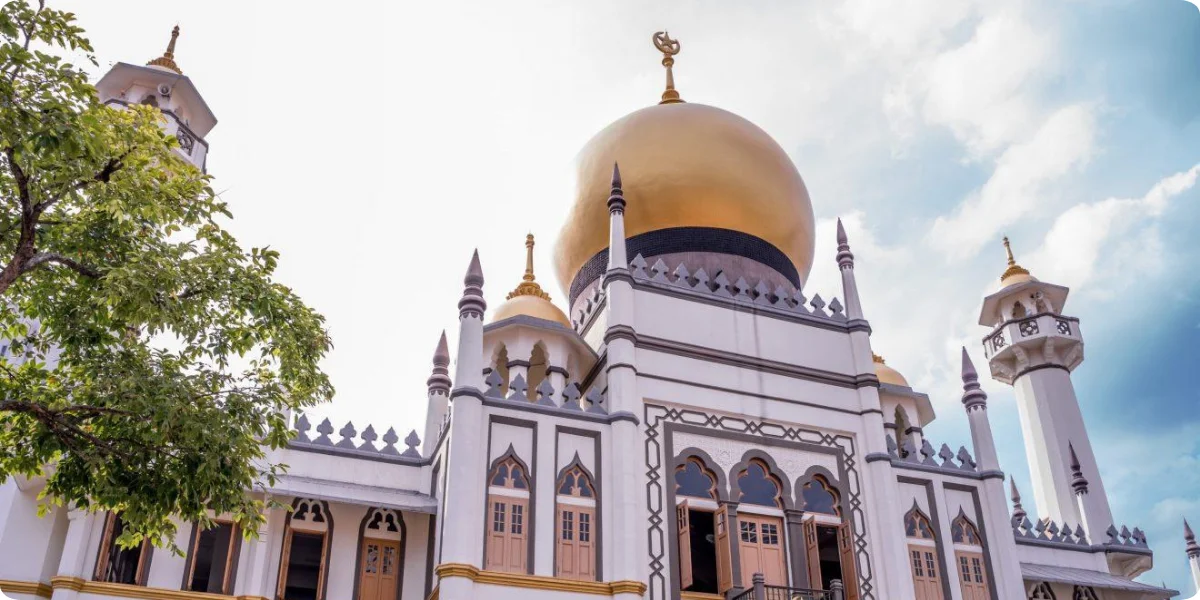
Kampong Glam is another neighborhood worth adding to your Singapore itinerary. The area is known for the Sultan Mosque, Arab Street, Haji Lane, cafés, boutiques, and colorful street art.
Haji Lane is particularly popular for its independent shops, murals, and relaxed atmosphere.
It is easy to combine Kampong Glam with Bugis and other central areas, making it a convenient stop during a city sightseeing day.
Best for: Culture, street photography, shopping, cafés, and nightlife.
8. Singapore Botanic Gardens
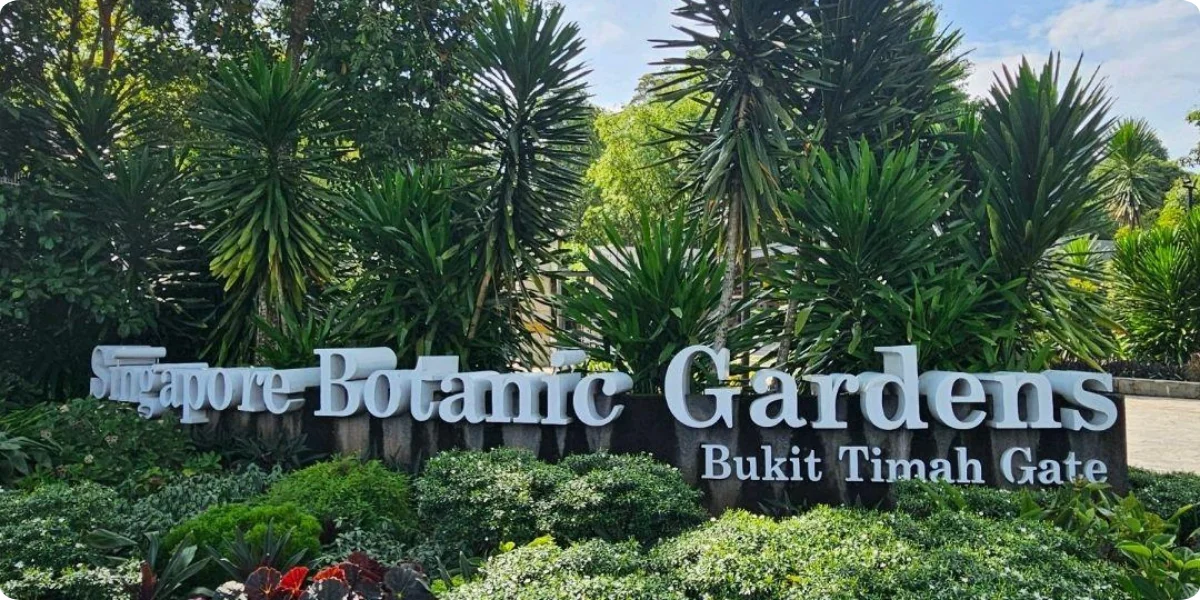
The Singapore Botanic Gardens is one of the best places to visit in Singapore if you need a break from the city’s busy streets.
The gardens were established in 1859 and became Singapore’s first UNESCO World Heritage Site in 2015. UNESCO recognizes the site for its historic landscape, botanical importance, conservation work, and scientific contribution.
The National Orchid Garden is one of its highlights, while the wider gardens offer plenty of space for walking and relaxing.
Best for: Nature lovers, families, photographers, and travelers seeking a quieter experience.
9. Jewel Changi Airport
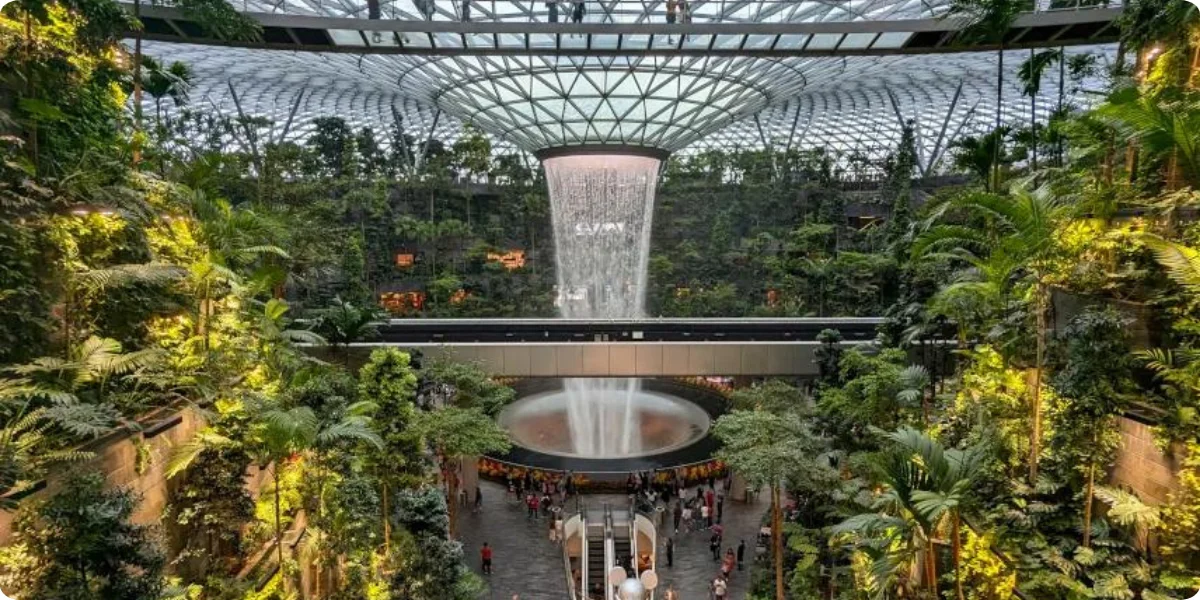
Jewel Changi Airport is more than an airport shopping complex. Its huge indoor waterfall, gardens, restaurants, and shops make it a destination in its own right.
The Rain Vortex is the main visual attraction and gives travelers a memorable introduction or farewell to Singapore.
If you have a long layover, Jewel can be a practical place to spend several hours without traveling far from the airport.
Best for: Short layovers, families, shopping, food, and photography.
10. Clarke Quay
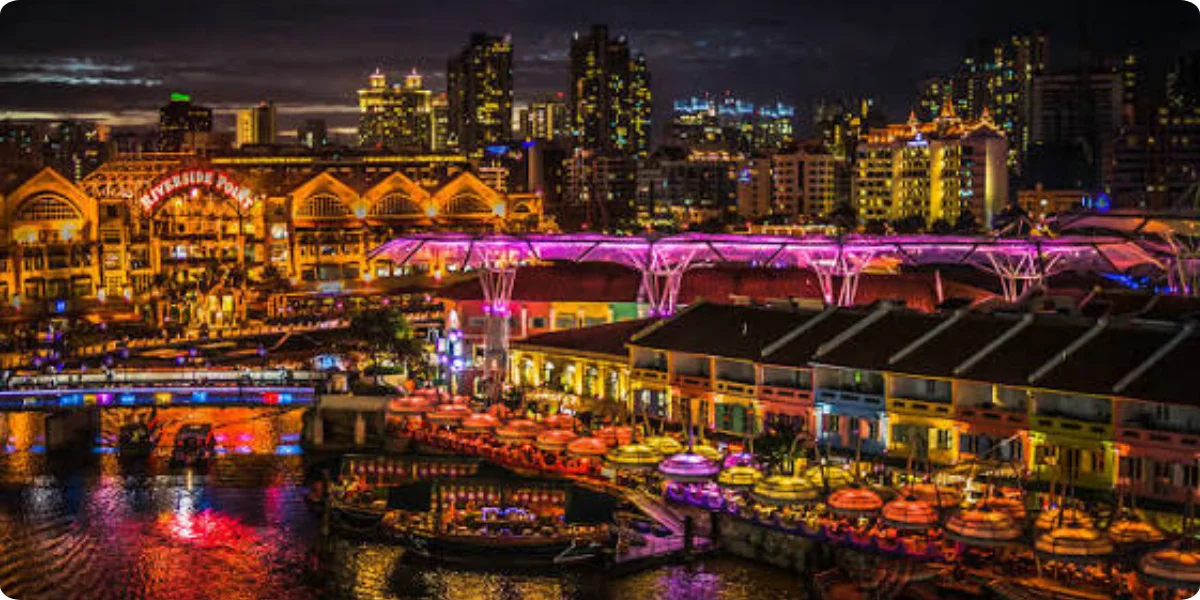
Clarke Quay sits along the Singapore River and is particularly lively in the evening.
The area is known for restaurants, bars, riverfront dining, and nightlife. You can also use the area as a starting point for exploring the Singapore River.
For travelers who prefer a relaxed evening rather than a full sightseeing schedule, Clarke Quay is an easy addition to a Singapore itinerary.
Best for: Evening activities, dining, couples, and nightlife.
More Famous Places of Singapore to Visit
Singapore has far more attractions than you can comfortably fit into one short trip. These are worth considering if you have additional time.
1. Merlion Park
The Merlion is one of Singapore’s most recognizable symbols, and this small waterfront park is where most visitors come to see the half-lion, half-fish statue up close. The waterfront location also provides views toward Marina Bay Sands and the surrounding skyline, making it a natural stop to combine with a walk along the bay. It’s a quick visit, but the photo opportunities and central location make it worth the short detour.
2. Singapore Zoo
Singapore Zoo is a popular choice for families and animal lovers, known for its open-concept enclosures that let animals roam in naturalistic habitats rather than traditional cages. Give yourself enough time to explore rather than trying to squeeze it between several city-center attractions, since the zoo is spread out and best enjoyed at a relaxed pace, ideally with a full morning or afternoon set aside.
3. Night Safari
Night Safari offers a different wildlife experience after dark and works well for travelers who want an evening activity beyond restaurants and shopping. Set in the same grounds as Singapore Zoo, it lets visitors observe nocturnal animals like leopards, hyenas, and civets as they’re naturally most active, either on foot along designated trails or aboard a guided tram ride.
4. National Gallery Singapore
Art lovers can visit National Gallery Singapore to explore Southeast Asian art in a historic setting, housed within the beautifully restored former City Hall and Supreme Court buildings. The gallery holds the world’s largest public collection of Singapore and Southeast Asian art, spanning the 19th century to today, and its architecture alone is worth the visit even for those less interested in the exhibits.
5. Fort Canning Park
Fort Canning combines greenery with Singapore’s history and is a useful stop when exploring the central part of the city. The hill has served as a royal palace site, a British military base, and a WWII command center over the centuries, and remnants of this past, including old gates, gun batteries, and a spice garden, are scattered throughout the park’s shaded walking trails.
6. East Coast Park
East Coast Park is a good choice when you want outdoor space, cycling, walking, and sea views away from the busiest tourist areas. Stretching along the southeastern coastline, the park offers bike and rollerblade rentals, seafood restaurants, and wide grassy areas that are especially popular with locals on weekends, making it a good spot to see a more everyday side of Singapore life.
7. Pulau Ubin
Pulau Ubin offers a more natural side of Singapore. It is a good option for travelers who want to escape the modern city environment for a few hours. Reached by a short bumboat ride from Changi Point, this rustic island has no high-rises or malls, just kampong-style villages, mangroves, and cycling trails, giving a glimpse of what Singapore looked like before rapid urban development.
8. ArtScience Museum
Located at Marina Bay Sands, the ArtScience Museum combines art, science, technology, and interactive exhibitions inside its distinctive lotus-flower-shaped building, one of the most photographed structures on the bay. Its rotating exhibitions often blend digital art installations with hands-on science displays, appealing to both adults and children.
9. Henderson Waves
Henderson Waves is an architectural landmark and pedestrian bridge known for its distinctive wave-shaped design and elevated views. As Singapore’s highest pedestrian bridge, it connects Mount Faber Park and Telok Blangah Hill Park, and its curved timber-and-steel structure is particularly striking when lit up at night, making it a favorite for both hikers and photographers.
10. Orchard Road
Orchard Road is Singapore’s famous shopping district, with department stores, malls, restaurants, and international brands lining a stretch of over two kilometers. Beyond shopping, the street is known for its seasonal decorations, especially during Christmas, when the entire avenue is lit up, and it offers plenty of dining options for those looking to combine retail therapy with a good meal.
Best Places in Singapore for Different Travelers
1. Best Places in Singapore for First-Time Visitors
If this is your first trip, prioritize:
- Marina Bay
- Gardens by the Bay
- Merlion Park
- Chinatown
- Sentosa Island
These places give you a useful mix of Singapore’s modern skyline, culture, entertainment, and green spaces.
2. Best Places in Singapore for Families
Families can focus on:
- Universal Studios Singapore
- Singapore Zoo
- Night Safari
- Gardens by the Bay
- Sentosa Island
- Jewel Changi Airport
The best choice depends on the children’s ages and how much walking they can comfortably manage.
3. Best Places in Singapore for Couples
For couples, consider:
- Marina Bay
- Gardens by the Bay
- Clarke Quay
- Sentosa Island
- Singapore River
An evening around Marina Bay followed by dinner near the river can be a simple way to end a sightseeing day.
4. Best Places in Singapore for Nature Lovers
Nature-focused travelers should consider:
- Singapore Botanic Gardens
- Pulau Ubin
- East Coast Park
- Gardens by the Bay
- MacRitchie Reservoir
The Singapore Botanic Gardens is particularly significant because of its UNESCO World Heritage status.
5. Best Places in Singapore for Culture and History
For culture, explore:
- Chinatown
- Little India
- Kampong Glam
- Fort Canning Park
- National Gallery Singapore
These areas show a side of Singapore that can easily be missed if you only visit the modern attractions.
6. Best Places in Singapore for Food Lovers
Food should be part of your Singapore itinerary, not an afterthought.
Explore hawker centers and neighborhood food streets in areas such as Chinatown, Little India, and Kampong Glam. Singapore’s hawker culture is also recognized by UNESCO as intangible cultural heritage.
Best Free Places to Visit in Singapore
Singapore can be expensive, but you do not need to pay for every experience.
Some attractions and areas can be explored without an admission ticket, including:
- Merlion Park
- Singapore Botanic Gardens
- Marina Bay waterfront
- Chinatown
- Little India
- Kampong Glam
- East Coast Park
- Selected outdoor areas of Gardens by the Bay
Keep in mind that some attractions within these locations have separate admission fees.
For example, you can explore parts of Gardens by the Bay without paying for the conservatories, while the Flower Dome, Cloud Forest, and other experiences may require tickets.
Best Places to Visit in Singapore at Night
Singapore changes character after sunset. The daytime skyline gives way to a glittering waterfront, illuminated gardens, and buzzing riverside strips, making the city just as rewarding to explore after dark as it is during the day. Whether you’re chasing the perfect photo, a good meal, or a lively night out, these five spots cover the best of Singapore’s after-hours scene.
1. Marina Bay
The illuminated skyline makes Marina Bay one of the strongest choices for nighttime photography. The reflections of Marina Bay Sands, the ArtScience Museum, and the surrounding skyscrapers on the water create a postcard-perfect backdrop, especially from the Helix Bridge or the promenade along the bay. Catching the Spectra light and water show, held nightly outside Marina Bay Sands, is a popular way to round off an evening here, and the area is easily walkable, connecting to Gardens by the Bay and the Merlion Park.
2. Gardens by the Bay
The Supertrees become especially striking after dark, with the Garden Rhapsody light and sound show adding another reason to stay into the evening. The show runs twice nightly and transforms the towering, tree-like structures into a synchronized display of color and music that’s free to watch from the ground. For an elevated view, the OCBC Skyway offers a different perspective of the illuminated grove, while the nearby Flower Dome and Cloud Forest conservatories stay open into the evening for those who want to extend their visit indoors.
3. Clarke Quay
Choose Clarke Quay for riverside restaurants, drinks, and nightlife. This colorful stretch along the Singapore River comes alive after dark with bars, clubs, and al fresco dining options housed in restored shophouses, drawing both locals and tourists looking for a livelier scene. A river cruise departing from the quay is a relaxed way to see the illuminated Central Business District skyline from the water before settling in for dinner or drinks.
4. Sentosa
Sentosa offers evening entertainment, dining, and waterfront experiences. Beyond its daytime beaches and attractions, the island transforms at night with options like the Wings of Time show, beach clubs along Siloso Beach, and a range of dining spots overlooking the water. It’s a good choice for travelers who want to combine a laid-back evening with a bit of spectacle, all within a short ride from the main island.
5. Kampong Glam
Haji Lane and the surrounding streets are popular for cafés, food, music, and a more relaxed nighttime atmosphere. This historic Malay quarter trades the high-rise glamour of Marina Bay for narrow, mural-lined streets filled with independent boutiques, shisha lounges, and casual eateries. It’s an ideal stop for travelers who prefer a slower, more local evening, with the Sultan Mosque providing a striking illuminated centerpiece to the neighborhood.
Best Places to Visit in Singapore in 1 Day
If you only have one day, avoid trying to see everything.
A practical route is:
Marina Bay → Merlion Park → Gardens by the Bay → Chinatown → Clarke Quay
Start around Marina Bay and walk between nearby attractions where practical. Visit Gardens by the Bay later in the day and stay for the evening atmosphere before finishing around Clarke Quay.
This itinerary focuses on several major areas without sending you back and forth across the city.
Best Places to Visit in Singapore in 2 Days
With two days, you can slow down slightly.
1. Day 1
- Marina Bay
- Merlion Park
- Gardens by the Bay
- Marina Bay Sands
- Clarke Quay
2. Day 2
- Chinatown
- Little India
- Kampong Glam
- Sentosa Island
If Universal Studios is a priority, dedicate most of Day 2 to Sentosa instead of trying to combine it with several neighborhoods.
Best Places to Visit in Singapore in 3 Days
Three days gives you more flexibility.
1. Day 1: Modern Singapore
- Marina Bay
- Merlion Park
- ArtScience Museum
- Gardens by the Bay
- Marina Bay evening
2. Day 2: Culture and Heritage
- Chinatown
- Little India
- Kampong Glam
- Haji Lane
- Clarke Quay
3. Day 3: Nature or Entertainment
Choose between:
Option A: Sentosa Island and Universal Studios Singapore
Option B: Singapore Botanic Gardens, Orchard Road, and additional city attractions
This approach lets you choose based on your interests rather than following a rigid itinerary.
How to Plan Your Singapore Sightseeing Trip
1. How Many Days Do You Need in Singapore?
For a first visit, 3 days is a good starting point. It gives you enough time to experience major attractions while leaving room for food, shopping, and neighborhoods.
If you have only one or two days, focus on fewer areas instead of rushing between every attraction.
A stay of 4–5 days is better for travelers who want to combine major attractions with nature, museums, shopping, food, and a day on Sentosa.
2. Best Time to Visit Singapore
Singapore is a year-round destination with a tropical climate. Rain can occur throughout the year, so it is sensible to keep some flexibility in your itinerary.
Instead of building your trip entirely around weather forecasts, mix indoor and outdoor attractions. For example, pair Gardens by the Bay or Marina Bay with a museum, shopping area, or food stop.
Always check current weather conditions before heading out for the day.
3. How to Get Around Singapore
Singapore’s public transportation system makes sightseeing relatively straightforward.
The MRT is particularly useful for connecting major parts of the city. Buses can fill gaps, while walking works well when several attractions are close together.
For longer distances or late-night travel, taxis and ride-hailing services can also be useful.
4. Where to Stay in Singapore
Your ideal area depends on your travel style.
- Marina Bay: Best for luxury, skyline views, and major attractions.
- Orchard Road: Good for shopping and central access.
- Chinatown: Convenient for food, culture, and sightseeing.
- Bugis/Kampong Glam: Good for travelers who enjoy cafés, culture, and a lively neighborhood atmosphere.
- Sentosa: Better suited to travelers who want resorts, beaches, and entertainment.
Singapore Travel Tips for First-Time Visitors
- Use the MRT whenever it makes sense for your route.
- Wear comfortable shoes because many sightseeing days involve walking.
- Carry water, especially during outdoor sightseeing.
- Keep an umbrella or lightweight rain jacket handy.
- Check attraction opening hours before leaving your hotel.
- Reserve popular paid attractions in advance when necessary.
- Don’t schedule too many attractions in one day.
- Combine indoor and outdoor activities.
- Try local food instead of staying only around tourist attractions.
- Respect Singapore’s local rules and public spaces.
- Leave some free time in your itinerary for unexpected discoveries.
Singapore’s attraction network is extensive, so a flexible itinerary is often better than trying to check every place off a list.
Frequently Asked Questions About Places of Singapore to Visit
What are the best places of Singapore to visit?
The best places include Marina Bay, Gardens by the Bay, Sentosa Island, Chinatown, Little India, Kampong Glam, Singapore Botanic Gardens, Jewel Changi Airport, Clarke Quay, and Merlion Park.
What is the number one tourist attraction in Singapore?
There is no single attraction that is best for every traveler, but Gardens by the Bay and Marina Bay are among the most recognizable places to visit. Gardens by the Bay is particularly famous for its Supertrees, conservatories, and evening light show.
What should I not miss in Singapore?
For a first visit, do not miss Marina Bay, Gardens by the Bay, Chinatown, and at least one cultural neighborhood such as Little India or Kampong Glam. If you have more time, add Sentosa or the Singapore Botanic Gardens.
Is 3 days enough to visit Singapore?
Yes. Three days can be enough for a first visit if you focus on the major attractions. A three-day trip can cover Marina Bay, Gardens by the Bay, cultural neighborhoods, Sentosa, and selected museums or nature attractions.
What is the most beautiful place in Singapore?
Gardens by the Bay is one of Singapore’s most visually distinctive places, particularly around the Supertree Grove. Marina Bay is another strong choice for skyline views, while the Singapore Botanic Gardens offers a more natural setting.
What are the best free places to visit in Singapore?
Merlion Park, Singapore Botanic Gardens, Chinatown, Little India, Kampong Glam, East Coast Park, and parts of Marina Bay can be explored without paying an attraction admission fee.
Which part of Singapore is best for tourists?
Marina Bay is one of the most convenient areas for first-time tourists because it is close to several major attractions. Chinatown, Bugis, Kampong Glam, and Orchard Road are also useful bases depending on your interests.
What are the best places to visit in Singapore with family?
Sentosa, Universal Studios Singapore, Gardens by the Bay, Singapore Zoo, Night Safari, and Jewel Changi Airport are strong family-friendly choices.
What are the best places to visit in Singapore at night?
Marina Bay, Gardens by the Bay, Clarke Quay, Sentosa, and Kampong Glam are among the best options after sunset. Gardens by the Bay is especially attractive at night because of its illuminated Supertrees and Garden Rhapsody.
What are the best cultural places to visit in Singapore?
Chinatown, Little India, Kampong Glam, Fort Canning Park, and National Gallery Singapore are good choices for travelers interested in Singapore’s history, communities, architecture, and arts.
Final Thoughts on the Best Places in Singapore to Visit
Singapore is much more than a modern skyline. Its biggest appeal is the variety packed into a relatively compact destination. You can spend the morning exploring heritage streets, the afternoon in a tropical garden, and the evening beside a futuristic waterfront.
For a first trip, start with Marina Bay, Gardens by the Bay, Chinatown, and Sentosa. Then add places that match your interests, whether that means the Singapore Botanic Gardens for nature, Kampong Glam for culture, or Clarke Quay for an evening out.
Singapore welcomed 16.9 million international visitors in 2025, and its tourism sector continues to grow. With the right itinerary, it is easy to see why the destination appeals to such a wide range of travelers.
The best Singapore trip is not about seeing everything. It is about choosing the places that fit the way you want to travel.
Similar (Travel) Related articles:
- 50+ Best Things to Do in Tulum: Family, Kids & Nightlife Guide
- Where to Stay in Tulum | 30 Best Places, Hotels & Resorts Guide 2025
- 50+ Best Things to Do in San Diego: Top Activities & Attractions 2025
- 30 Best Places to Stay in San Diego: Top Areas & Hotels Prices Guide 2025
- 25+ Best Things to Do in Boston (2025 Guide) | Must-See Attractions
- 50+ Unique Things to Do in Key West: Free, Fun, Must-See Activities Guide
- 25+ Best Things to Do in Belize: A Guide for Adults, Couples & Family
- 30+ Things to Do in St. Thomas: Best Guide for Family, Couple & Adults
- 25+ Best Things to Do in Budapest: Ultimate Guide For Adults, Couples & Families
- 15+ Things to Do in Vegas With Kids + 3 Days Itinerary Travel Guide (2025)

Thanks for sharing. I read many of your blog posts, cool, your blog is very good.
Thank you very much for sharing, I learned a lot from your article. Very cool. Thanks.