
Istanbul is easy to fall in love with, but it is not always easy to navigate on a first visit. Spread across two continents, Europe and Asia, the city is home to roughly 15.7 million residents (TÜİK, 2024), and it recorded about 18.97 million foreign visitor entries in 2025, around 36% of Turkey’s national total. That is nearly 52,000 international arrivals every day, which explains the crowded historic sites, busy roads, steep streets, and a public transportation network (metro, tram, Marmaray, ferries, buses) that takes some getting used to. Many Istanbul travel mistakes happen because visitors plan the city like a compact European sightseeing destination and underestimate how much time is needed to move around. A crossing between the European and Asian sides, for example, can take far longer in rush hour than the map suggests.
A good Istanbul trip does not require a complicated plan. It requires the right plan. Based on how first-time visitors typically get the most from the city, five habits make the biggest difference:
- choosing a convenient neighborhood (such as Sultanahmet, Karaköy, or Beyoğlu) close to transport
- grouping attractions by location so you do not cross the city repeatedly
- understanding transportation, including using an Istanbul Kart for trams, metro, and ferries
- allowing time for meals and breaks between major sights
- knowing basic local etiquette, such as dressing modestly in mosques and removing shoes before entering
Together, these small planning decisions make the experience smoother and less stressful.
1. Choosing a Hotel Without Considering Its Location
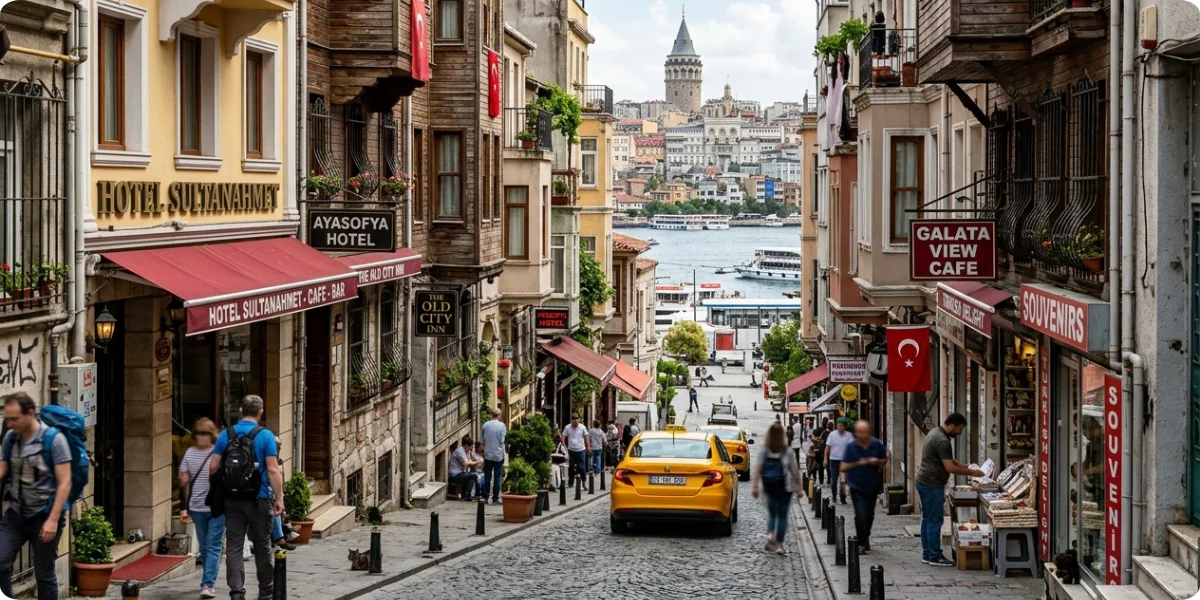
The cheapest hotel is not necessarily the cheapest choice once transportation, time, and convenience are considered.
Istanbul has many neighborhoods with completely different characters. A hotel can look close to an attraction on a booking map while being separated from it by steep streets, busy roads, or inconvenient transportation connections.
Check the Location Before Booking
Look at these details before confirming your hotel:
- Distance to the nearest tram or metro station
- Walking distance to restaurants and shops
- Access to public transportation
- Distance from the attractions on your itinerary
- Airport transfer options
- Recent guest reviews about the surrounding area
- Whether the route from the station involves steep hills or poorly lit streets
Sultanahmet
Sultanahmet is practical for travelers whose main goal is historic Istanbul.
It puts several major attractions within the same general area, including:
- Hagia Sophia
- Blue Mosque
- Basilica Cistern
- Topkapı Palace
- Hippodrome
- Grand Bazaar within walking distance or a short ride
The area can become busy during the day, particularly around the major attractions.
Beyoğlu, Galata, and Karaköy
These areas may suit travelers who want a mixture of:
- Restaurants
- Cafés
- Shopping
- Nightlife
- Historic streets
- Modern Istanbul
They also provide a different atmosphere from Sultanahmet.
Kadıköy
Kadıköy is on the Asian side and has a strong food, café, market, and neighborhood atmosphere.
It can be an interesting choice for longer stays or repeat visitors, although first-time travelers with only a couple of days may prefer staying closer to their main sightseeing areas.
2. Trying to Visit Too Many Attractions in One Day
One of the most common mistakes is treating Istanbul like a checklist.
Visitors sometimes schedule six or seven major attractions because they appear close together on a map. Once walking, security checks, queues, meals, transportation, and unexpected delays are included, the schedule becomes unrealistic.
Group Attractions by Location
A better approach is to create area-based days.
For example, a historic Istanbul day could include:
- Hagia Sophia
- Blue Mosque
- Basilica Cistern
- Topkapı Palace
- Sultanahmet Square
Another day could focus on:
- Galata
- Karaköy
- Istiklal Street
- Taksim
- Nearby cafés and restaurants
A third day could include:
- Kadıköy
- Üsküdar
- Bosphorus waterfront
- Ferry travel
Leave Space Between Attractions
Don’t schedule one attraction at 10:00 and another on the opposite side of the city at 11:30.
Allow time for:
- Transportation
- Queues
- Security checks
- Coffee or lunch
- Rest
- Photography
- Unexpected delays
A slightly shorter itinerary often produces a much better travel day.
3. Underestimating Istanbul Traffic
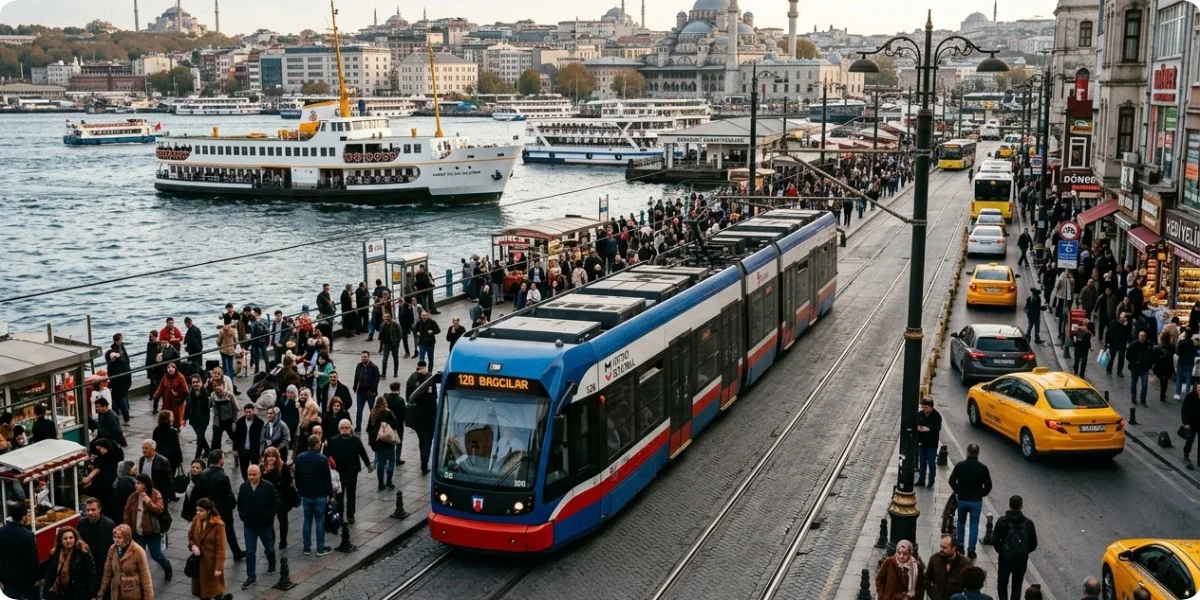
Traffic is one of the biggest factors that can disrupt an Istanbul itinerary.
A route that looks short on a map may take much longer during busy periods. This becomes especially important when traveling between different districts or crossing the Bosphorus.
Don’t Build Your Itinerary Around Exact Travel Times
If a map says a journey should take 25 minutes, don’t automatically assume you will arrive exactly 25 minutes later.
Allow extra time for:
- Traffic congestion
- Crowded stations
- Waiting for transportation
- Finding the correct entrance
- Walking from the station to your destination
Use Different Transport Options
Istanbul offers several ways to move around:
- Metro
- Tram
- Bus
- Ferry
- Walking
- Taxi
The best choice depends on the route.
For some journeys, a ferry can be more practical than sitting in road traffic. For others, the tram or metro can save significant time.
4. Taking Taxis Without Checking the Details
Taxis are useful, especially when carrying luggage or traveling somewhere not conveniently connected by public transportation. However, visitors should take a few precautions.
Check the Route
Put your destination into your phone before leaving.
You don’t need to monitor every turn, but having the route visible gives you a general idea of where you are going.
Confirm the Fare System
Make sure you understand how the fare is calculated before the journey.
Be cautious if someone offers an unusually attractive fixed price without clearly explaining what is included.
Avoid Unsolicited Transportation Offers
You may encounter people approaching tourists near busy transportation points.
You are not required to accept their offer.
If you need transportation, use a recognized taxi or reputable booking option and confirm the destination before starting.
Keep Small Cash Available
Although electronic payments are common, having some Turkish lira can be useful when paying for smaller expenses.
5. Not Understanding Istanbul’s Public Transportation
Public transportation can save both money and time, but first-time visitors sometimes find the system confusing.
Istanbul’s network includes metro lines, trams, buses, ferries, and other services.
Learn the Basic Transport System
For tourists, these are particularly useful:
- Tram: Helpful around the historic center
- Metro: Useful for longer journeys
- Ferry: Excellent for crossing the Bosphorus and traveling between European and Asian districts
- Bus: Covers routes not served directly by rail
- Walking: Often the simplest option for nearby attractions
Understand Istanbulkart Before Your Trip
Istanbulkart has traditionally been an important payment method for public transportation.
However, payment systems, fares, and travel rules can change.
Before publishing travel information or traveling, check the latest official Istanbul transportation information rather than relying on an old article.
Don’t Assume Every Journey Requires a Card
Your actual transportation needs depend on:
- Length of stay
- Hotel location
- Number of public transport journeys
- Airport transfer
- Attractions you plan to visit
6. Visiting Major Attractions at the Busiest Time
Istanbul’s famous attractions can become crowded, especially during popular travel periods.
The problem isn’t simply the number of people inside an attraction. Crowds can affect:
- Entrance queues
- Security checks
- Photography
- Walking around the site
- Nearby restaurants
- Transportation
Start Important Sightseeing Early
If an attraction is particularly important to you, consider visiting earlier rather than leaving it until the middle of the day.
Check Current Opening Information
Opening hours and visitor arrangements can change.
Before visiting:
- Check the official website
- Check whether advance tickets are required
- Check whether there are timed entries
- Check religious-site visitor restrictions
- Check whether temporary closures are announced
This is particularly important for major museums, palaces, and religious sites.
7. Ignoring Mosque Etiquette
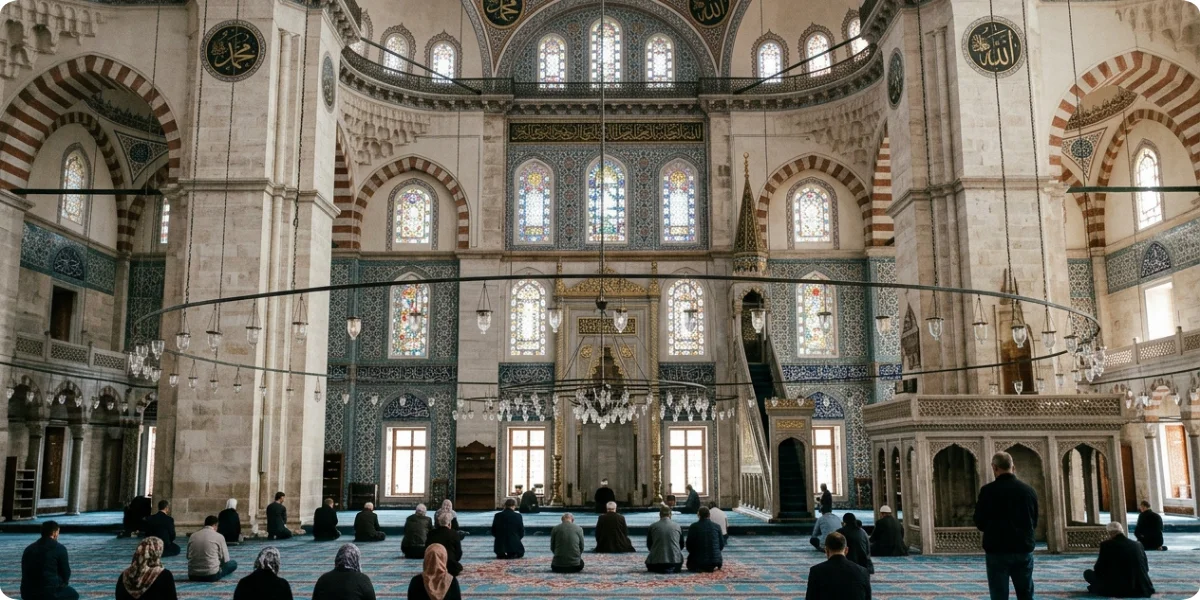
Istanbul’s mosques are among its most important landmarks, but they remain active religious spaces.
Visitors should treat them differently from ordinary tourist attractions.
Dress Respectfully
When visiting a mosque, dress modestly.
Women may be required to cover their hair, and both men and women should avoid revealing clothing.
Some mosques provide coverings for visitors, but it is better not to depend on this.
Remove Your Shoes When Required
Visitors entering prayer areas may need to remove their shoes.
Follow the instructions at the entrance and use the designated areas for footwear.
Avoid Prayer Times When Planning Sightseeing
Visitor access may be restricted during prayers.
Friday can be particularly important because of congregational prayers.
Check current visitor information before making a mosque the centerpiece of a tightly scheduled itinerary.
Keep Your Voice Low
Inside a mosque:
- Speak quietly
- Don’t interrupt worshippers
- Follow photography restrictions
- Don’t walk into restricted areas
- Follow staff instructions
Respecting these basic rules makes the visit more comfortable for everyone.
8. Treating the Grand Bazaar Like a Regular Shopping Mall
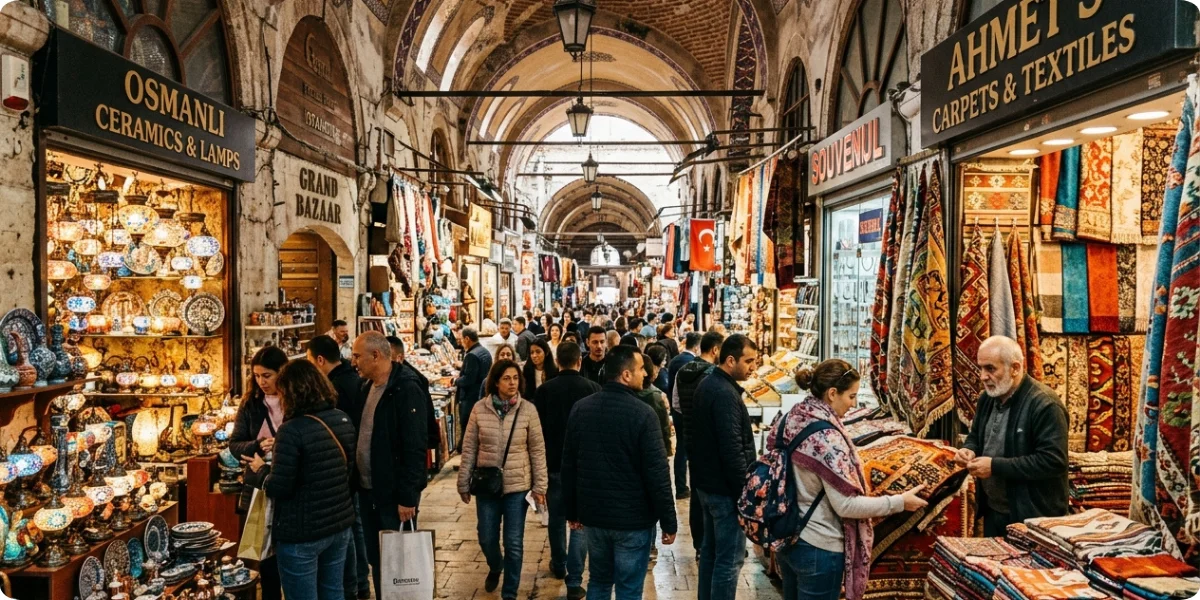
The Grand Bazaar is an experience as much as a shopping destination.
You will find shops selling:
- Carpets
- Ceramics
- Jewelry
- Textiles
- Leather goods
- Lamps
- Souvenirs
- Spices and other gifts
Don’t Buy the First Thing You See
If you are interested in something expensive, compare it with other shops first.
Ask about:
- Price
- Materials
- Origin
- Quality
- Shipping
- Return arrangements
Understand Bargaining
Negotiation can be part of shopping for certain products.
However, not every shop or product follows the same approach.
If you are uncomfortable negotiating, you can simply ask whether the price is fixed.
Be Careful With Expensive Purchases
For valuable goods, take your time.
Don’t buy an expensive item because a seller says the offer is available “only now.”
You can always walk away and think about the purchase.
9. Eating Only Around Major Tourist Attractions
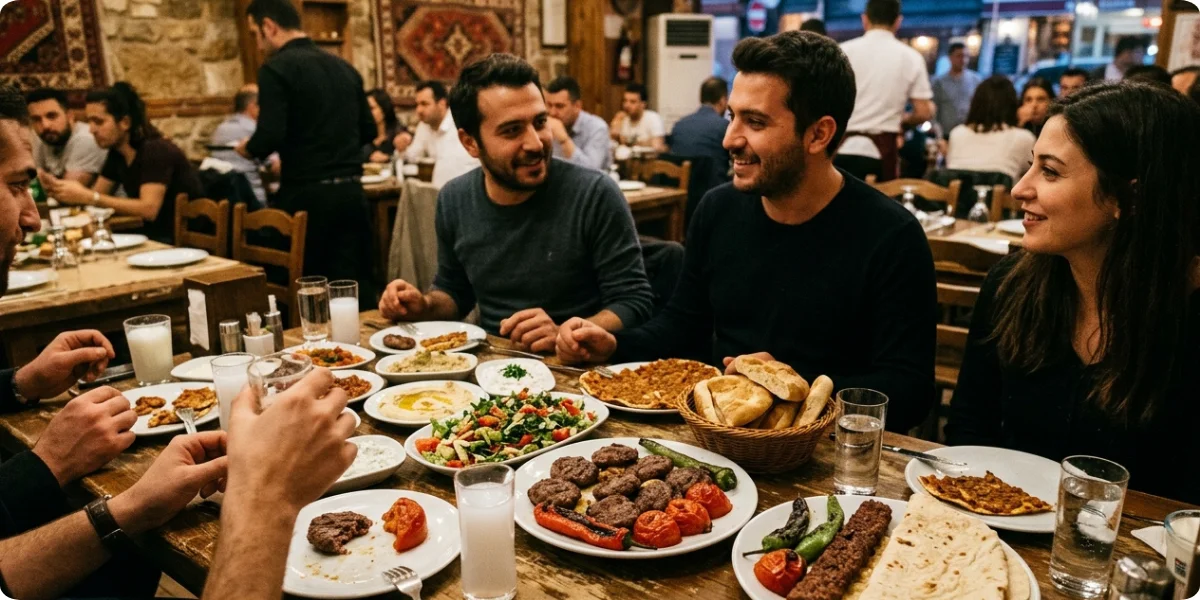
Istanbul is one of the world’s great food cities, and limiting yourself to restaurants directly outside famous attractions means missing much of the local food scene.
Restaurants in tourist-heavy locations may have higher prices or menus designed mainly for international visitors.
That doesn’t automatically mean they are poor quality. It simply means location should not be your only reason for choosing a restaurant.
Look Beyond the Main Tourist Streets
Explore neighborhoods away from the busiest attraction entrances.
Look for restaurants that:
- Have recent reviews
- Have a steady flow of customers
- Clearly display prices
- Specialize in particular dishes
- Have menus that match the type of food you want
Try More Than One Type of Turkish Food
Consider trying:
- Simit
- Pide
- Lahmacun
- Döner
- Kebabs
- Meze
- Börek
- Turkish breakfast
- Baklava
- Turkish tea
Food is an important part of understanding Istanbul, so don’t spend the entire trip eating at the same type of tourist restaurant.
10. Carrying No Turkish Lira
Istanbul is increasingly convenient for card users, but cash can still be useful.
You may encounter situations where:
- A small vendor prefers cash
- A small purchase is easier to pay in cash
- A payment terminal isn’t working
- You need small denominations
How Much Cash Should You Carry?
There is no universal amount.
Carry enough for everyday small expenses without carrying unnecessarily large amounts.
Be Careful With Currency Exchange
Before exchanging money:
- Compare rates
- Check fees
- Avoid rushing into the first exchange office
- Use reputable financial services
- Keep your cash secure
Don’t exchange a large amount simply because you think you may need it later.
11. Accepting Every Offer From a Stranger
Busy tourist areas naturally attract sellers, guides, restaurant promoters, and other people trying to attract visitors.
You don’t have to engage with everyone who approaches you.
Ask Three Questions Before Agreeing
Before accepting an offer, ask:
- What exactly is being offered?
- How much will it cost?
- Are there any additional charges?
For tours or activities, also check:
- Duration
- Meeting point
- What’s included
- Cancellation conditions
- Whether tickets are included
Don’t Let Pressure Make the Decision
If you don’t want something, a simple and polite refusal is enough.
You can continue walking without explaining yourself.
12. Booking the First Bosphorus Cruise You See
The Bosphorus is one of Istanbul’s defining geographical features, so a boat trip can be a great addition to an itinerary.
But different boat experiences can vary considerably.
Compare Public Ferries and Tourist Cruises
A public ferry may be useful for:
- Crossing between European and Asian districts
- Experiencing the city from the water
- Keeping transportation costs lower
A dedicated sightseeing cruise may offer:
- A planned sightseeing route
- Longer time on the water
- Commentary
- Specific departure times
- Additional services
Check Before Booking
Look at:
- Departure location
- Cruise duration
- Route
- Price
- Included services
- Cancellation terms
Don’t judge a cruise only by the photos used in its advertisement.
13. Spending the Entire Trip on the European Side
Most first-time visitors naturally focus on the European side because many famous historic attractions are located there.
But the Asian side can add another experience to your trip.
Explore Kadıköy
Kadıköy is known for:
- Markets
- Restaurants
- Cafés
- Local shopping
- Neighborhood streets
- Waterfront areas
Visit Üsküdar
Üsküdar offers:
- Bosphorus views
- Waterfront walks
- Mosques
- Local neighborhoods
- Views toward the European side
Take the Ferry
Even if you are not interested in a dedicated cruise, a normal ferry journey can provide a memorable view of Istanbul.
14. Ignoring the Weather
Weather affects how comfortable Istanbul feels, particularly when you plan to walk for several hours.
Summer
Expect hot conditions at times, particularly during the middle of the day.
Useful items include:
- Lightweight clothing
- Sunscreen
- Sunglasses
- Water
- Comfortable shoes
Spring and Autumn
Layers are useful because temperatures can change throughout the day.
A light rain jacket is also practical.
Winter
Rain, cold weather, and occasional wintry conditions can make outdoor sightseeing less comfortable.
Bring:
- Warm layers
- Waterproof footwear
- A suitable coat
- Weather protection
Check the Forecast Before Each Day
Historical climate information is useful for packing, but the actual forecast is more useful for deciding what to do tomorrow.
15. Wearing Uncomfortable Shoes
Istanbul rewards travelers who are comfortable walking.
Historic neighborhoods contain:
- Hills
- Stairs
- Uneven pavement
- Cobblestones
- Long walking routes
Choose Shoes for the Streets, Not the Photos
Your best sightseeing shoes should be:
- Comfortable
- Already broken in
- Suitable for uneven surfaces
- Appropriate for wet conditions
- Comfortable for several hours
Avoid taking a brand-new pair of shoes on your first major sightseeing day.
16. Forgetting Which Istanbul Airport You Are Using
Istanbul’s two major airports serve different parts of the metropolitan area.
Istanbul Airport — IST
Istanbul Airport is on the European side, northwest of the central areas.
Sabiha Gökçen — SAW
Sabiha Gökçen International Airport is on the Asian side.
The distinction matters when arranging:
- Hotel transfers
- Airport buses
- Taxis
- Private transfers
- Departure times
Check Your Airport Before Leaving Your Hotel
Look at your boarding pass and confirm the airport code.
Don’t simply tell your driver “Istanbul Airport” without checking the exact airport.
This small mistake can create a major travel problem.
17. Packing Too Much
Istanbul trips often involve walking, stairs, public transportation, and moving between neighborhoods.
A heavy suitcase makes all of that harder.
Pack According to Your Itinerary
A practical Istanbul packing list can include:
- Comfortable shoes
- Weather-appropriate clothing
- Travel adapter
- Portable charger
- Small day bag
- Rain protection
- Sunglasses
- Sunscreen
- Modest clothing for religious sites
Don’t Pack for Every Possible Situation
Check:
- Your travel dates
- Weather forecast
- Hotel facilities
- Planned activities
Then pack accordingly.
18. Ignoring Basic Turkish Customs
You don’t need to become fluent in Turkish before visiting Istanbul.
A few simple words and an understanding of local etiquette are enough to make everyday interactions easier.
Useful Turkish Words
Merhaba — Hello
Teşekkürler — Thank you
Lütfen — Please
Evet — Yes
Hayır — No
Everyday Courtesy Matters
Simple habits help:
- Greet people politely
- Respect religious spaces
- Ask before photographing people closely
- Follow posted rules
- Don’t block entrances or busy sidewalks
- Be patient in crowded places
Small gestures of courtesy can make interactions more pleasant.
19. Buying Expensive Souvenirs Too Quickly
Istanbul has plenty of beautiful things to take home.
The mistake is making an expensive purchase before understanding its quality or price.
Compare Before Buying
For anything expensive, compare:
- Price
- Material
- Craftsmanship
- Size
- Origin
- Seller reputation
Be Particularly Careful With High-Value Items
If you are buying jewelry, carpets, antiques, or other expensive goods, take additional time to verify what you are purchasing.
Don’t make a major purchase simply because the seller creates a sense of urgency.
20. Planning Every Minute of the Trip
A detailed itinerary is useful. An itinerary that leaves no breathing room is not.
Some of the best Istanbul experiences happen between major attractions.
Leave Time for Unplanned Stops
You might discover:
- A small bakery
- A quiet café
- A local market
- A waterfront viewpoint
- A neighborhood street
- A traditional restaurant
You don’t need to schedule every one of these experiences.
Keep One Flexible Period Each Day
Even one or two free hours can make your itinerary feel much more relaxed.
If you finish sightseeing early, explore.
If you are tired, sit down for coffee.
If you discover somewhere interesting, stay longer.
That flexibility is part of traveling well.
Istanbul Travel Mistakes at a Glance
| Mistake | What Can Happen | Better Approach |
|---|---|---|
| Choosing a hotel only by price | More commuting | Compare location and transport |
| Overloading the itinerary | Rushed sightseeing | Group nearby attractions |
| Ignoring traffic | Delays | Add extra travel time |
| Using taxis carelessly | Fare or route confusion | Confirm destination and fare system |
| Ignoring public transport | Unnecessary travel costs | Learn the basic network |
| Arriving at attractions at peak times | Longer queues | Check current visitor information |
| Ignoring mosque etiquette | Disrespectful visit | Follow local rules |
| Buying immediately at the Grand Bazaar | Possible overpayment | Compare before purchasing |
| Eating only near attractions | Narrow food experience | Explore other neighborhoods |
| Carrying no cash | Small payment problems | Keep some Turkish lira |
| Accepting unsolicited offers | Unexpected costs | Confirm details first |
| Booking a random Bosphorus cruise | Unsuitable experience | Compare routes and duration |
| Ignoring the Asian side | Less varied experience | Consider Kadıköy or Üsküdar |
| Ignoring weather | Uncomfortable days | Check the forecast |
| Wearing poor shoes | Foot pain | Bring comfortable footwear |
| Forgetting the airport code | Transfer problems | Confirm IST or SAW |
| Overpacking | Difficult transportation | Pack light |
| Ignoring local customs | Awkward interactions | Learn basic etiquette |
| Buying expensive souvenirs quickly | Regret or overpayment | Compare first |
| Overplanning | Little free time | Leave flexible periods |
What Should First-Time Visitors Avoid in Istanbul?
First-time visitors should avoid rushing between distant attractions, choosing accommodation without checking its location, underestimating traffic, accepting unclear taxi or tour offers, ignoring mosque etiquette, and planning more attractions than they can realistically visit.
The easiest way to avoid these problems is to organize your trip around neighborhoods rather than trying to cross the city repeatedly.
Istanbul Travel Mistakes by Trip Type
Mistakes for First-Time Visitors
The main problem is usually trying to cover too much.
Focus on the attractions that matter most to you and organize them by location.
Mistakes for Families
Families should avoid tight schedules.
Children may need more breaks, meals may take longer, and public transportation can be tiring when moving around all day.
Build extra time into the itinerary.
Mistakes for Couples
Don’t turn the entire trip into a sightseeing checklist.
Leave time for:
- Dinner
- Cafés
- Bosphorus views
- Evening walks
- Neighborhood exploration
Mistakes for Solo Travelers
Solo visitors should pay attention to their belongings in crowded areas and use normal precautions when traveling at night.
Keep important documents and valuables secure.
Mistakes for Budget Travelers
The cheapest option isn’t always the lowest-cost option overall.
For example, a cheaper hotel far from your itinerary may result in additional transportation costs and several hours of extra travel.
Compare the total cost rather than only the advertised price.
A Simple Istanbul Travel Checklist
Before your trip:
- ☐ Check your hotel location
- ☐ Confirm your airport
- ☐ Check transportation options
- ☐ Review attraction opening information
- ☐ Check mosque visitor requirements
- ☐ Check the weather
- ☐ Pack comfortable shoes
- ☐ Carry some Turkish lira
- ☐ Save your hotel address offline
- ☐ Keep important documents accessible
- ☐ Compare Bosphorus cruise options
- ☐ Leave spare time in your itinerary
- ☐ Learn a few basic Turkish phrases
- ☐ Check current transport fares and payment rules
FAQs About Istanbul Travel Mistakes
Q1: What is the biggest mistake tourists make in Istanbul?
One of the most common mistakes is trying to visit too many places in a single day. Istanbul’s size, traffic, queues, and walking distances make an overloaded itinerary difficult to follow.
Q2: What should I avoid doing in Istanbul?
Avoid rushing between distant neighborhoods, accepting unclear offers without checking the price, ignoring mosque etiquette, choosing accommodation only because it is cheap, and relying on outdated information about transport or attraction hours.
Q3: What should first-time visitors know about Istanbul?
Istanbul is a large city divided by the Bosphorus. Attractions are spread across different neighborhoods, so organizing your itinerary geographically can save considerable time.
Q4: Is it easy to get around Istanbul?
Yes, Istanbul has an extensive public transportation network. Metro, tram, ferry, and bus services can all be useful, depending on your destination.
Q5: Should tourists use taxis in Istanbul?
Taxis can be useful, particularly when public transportation is inconvenient. Travelers should confirm their destination, understand the fare system, and use reputable transportation options.
Q6: Is Istanbul expensive for tourists?
Istanbul offers a wide range of accommodation, food, transportation, and activity choices. Your overall cost depends heavily on where you stay and how you travel.
Q7: Should I stay in Sultanahmet or another area?
Sultanahmet is convenient for travelers focused on historic attractions. Beyoğlu, Galata, Karaköy, and Kadıköy offer different combinations of restaurants, cafés, nightlife, shopping, and neighborhood experiences.
Q8: How many days are enough for Istanbul?
Three days can cover several major attractions. Four or five days gives you more time for neighborhoods, food, ferry trips, and a slower pace.
Q9: Do I need cash in Istanbul?
Cards are useful in many businesses, but carrying some Turkish lira is still practical for smaller purchases and situations where card payment isn’t available.
Q10: Is Istanbul safe to walk around at night?
Visitors should use normal precautions appropriate for a large city, particularly in unfamiliar or quiet areas. Keep valuables secure and choose well-trafficked routes when walking at night.
Q11: What should tourists not wear in Istanbul?
There is no city-wide dress code. However, visitors should dress modestly when visiting mosques and follow the specific rules displayed at religious sites.
Q12: Is bargaining expected in Istanbul?
Bargaining can be part of shopping in some markets and stores, particularly for certain goods. It is not expected in every business, so ask whether the price is fixed.
Final Thoughts
Avoiding Istanbul travel mistakes isn’t about following a strict set of tourist rules. It is about understanding how the city works before you arrive.
Choose accommodation based on your itinerary, group attractions by neighborhood, allow extra time for traffic, use public transportation strategically, and check current information before visiting major attractions.
Give yourself enough time to eat properly, sit down for coffee, take a ferry, explore a side street, or simply watch the city from the waterfront.
Istanbul has famous landmarks that deserve a place on your itinerary, but the city is much more than its headline attractions. A balanced schedule gives you the chance to see the historic sights while also experiencing the neighborhoods, food, ferries, markets, and everyday streets that make Istanbul distinctive.

Arman Ashraf is a content writer focused on travel and tourism. He creates practical, well-researched travel guides, destination articles, and travel tips designed to help readers plan trips with greater confidence. His work combines clear, engaging writing with SEO best practices, covering destinations, things to do, travel planning, and useful advice for travelers. Arman is committed to producing helpful content that makes discovering and planning travel easier.