
Iceland is the kind of destination where a single day can include a waterfall, a black-sand beach, a geothermal pool, and a glacier. The country is famous for its dramatic mix of volcanoes, glaciers, hot springs, waterfalls, and rugged coastlines, shaped by its position along the Mid-Atlantic Ridge.
If you’re planning a first trip, some of the best things to do in Iceland include exploring Reykjavík, driving the Golden Circle, visiting waterfalls like Gullfoss and Seljalandsfoss, soaking in geothermal pools, seeing glaciers and icebergs, exploring black-sand beaches such as Reynisfjara, and looking for the Northern Lights.
Tourism is also an important part of Iceland’s economy. According to Statistics Iceland, tourism directly accounted for 8.8% of Iceland’s GDP in 2025, up from 8.2% in 2024, while tourism-related activity generated about 30.5 million working hours, equal to roughly 9.5% of all hours worked nationwide. Accommodation services alone contributed around 2.6% of GDP, underscoring how deeply tourism is woven into the country’s economic backbone.
15 Best Things to Do in Iceland
1. Explore Reykjavík
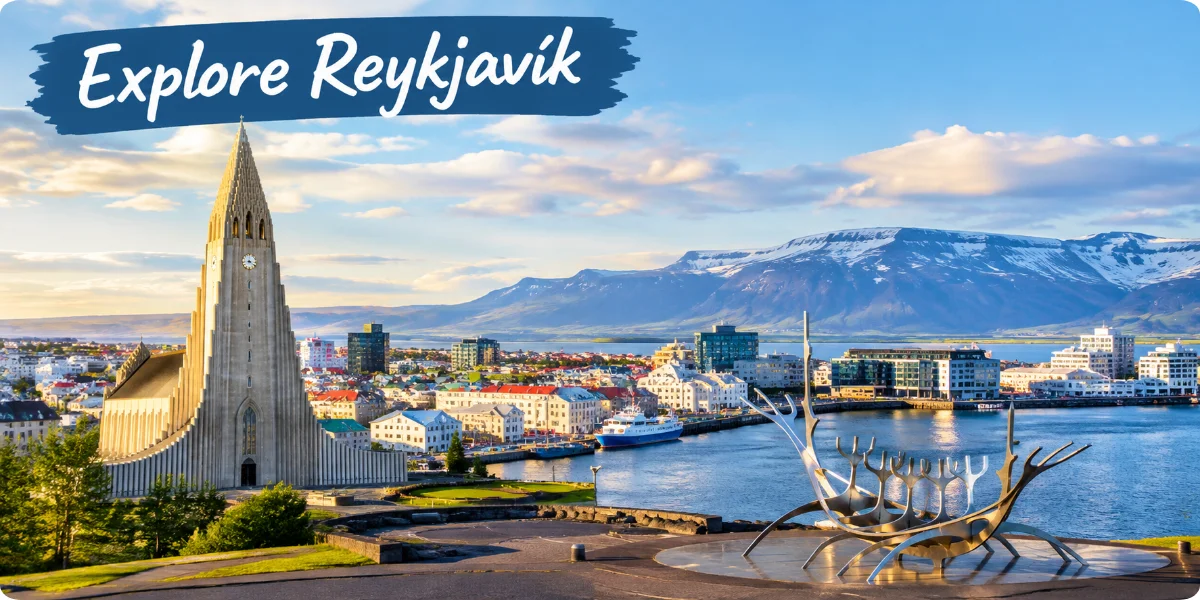
Start your Iceland trip in Reykjavík, the country’s capital and the main base for many travelers.
You can spend a day walking around the city, visiting Hallgrímskirkja, seeing the Sun Voyager sculpture, exploring the Old Harbour, and stopping at local cafés and restaurants.
Reykjavík is also useful as a starting point for day trips. You can return to the city after exploring the Golden Circle, nearby geothermal areas, or the surrounding coastline.
Best for: First-time visitors, culture, food, and short trips.
2. Drive the Golden Circle
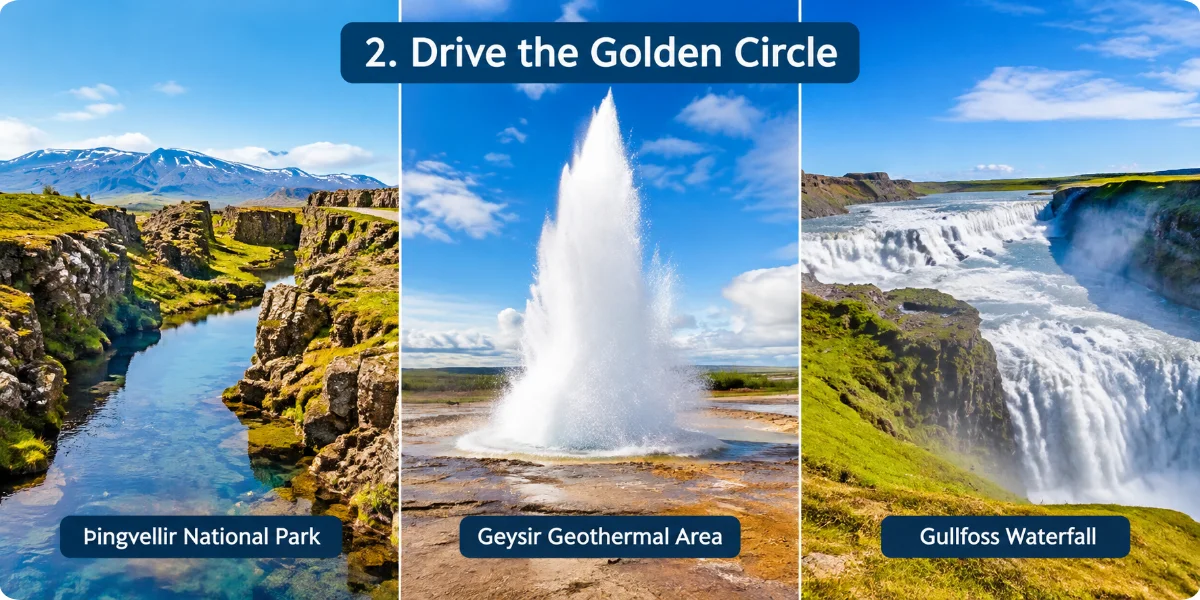
The Golden Circle is one of Iceland’s most popular sightseeing routes. It brings together three major attractions: Þingvellir National Park, the Geysir geothermal area, and Gullfoss waterfall.
At Þingvellir, you can explore an area with major historical and geological importance. The Geysir area is known for geothermal activity, while Gullfoss is one of the country’s most famous waterfalls.
The route works particularly well for travelers who have limited time because several major sights can be combined into one trip.
Best for: First-time visitors and day trips from Reykjavík.
3. See Iceland’s Famous Waterfalls
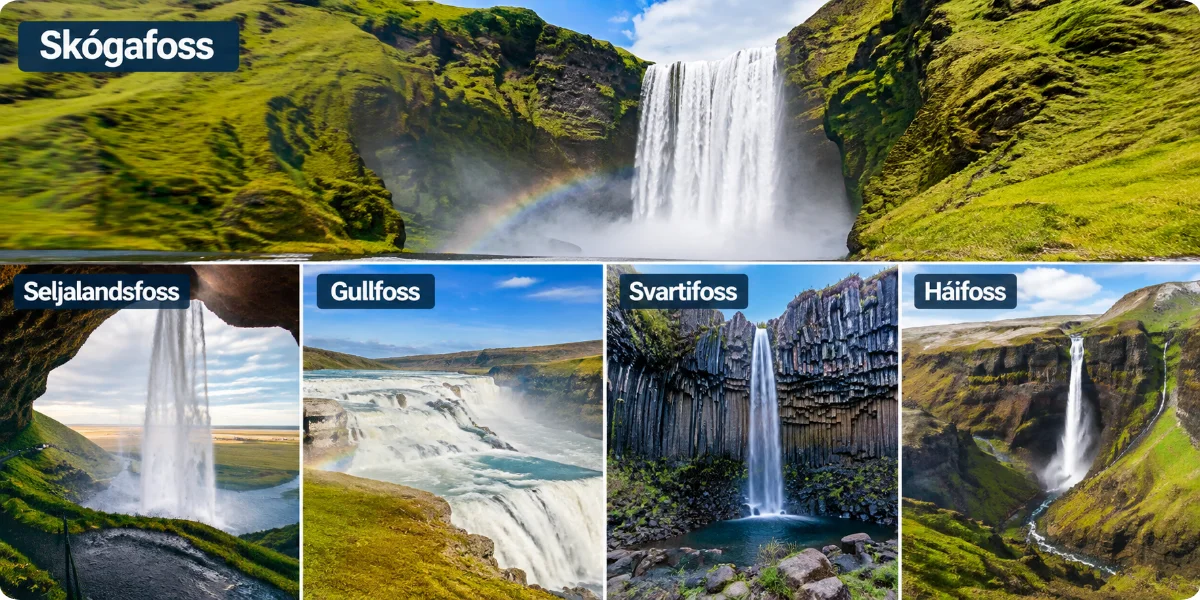
Waterfalls are one of the easiest ways to experience Iceland’s dramatic landscape.
Some of the best-known waterfalls include:
- Skógafoss: a powerful waterfall on the South Coast
- Seljalandsfoss: famous for the walking path behind the falls when conditions allow
- Gullfoss: a major Golden Circle attraction
- Svartifoss: known for its dark basalt columns
- Háifoss: a spectacular waterfall surrounded by rugged scenery
Don’t try to see every waterfall on one trip. Pick a few that fit naturally into your route.
4. Relax in a Geothermal Pool
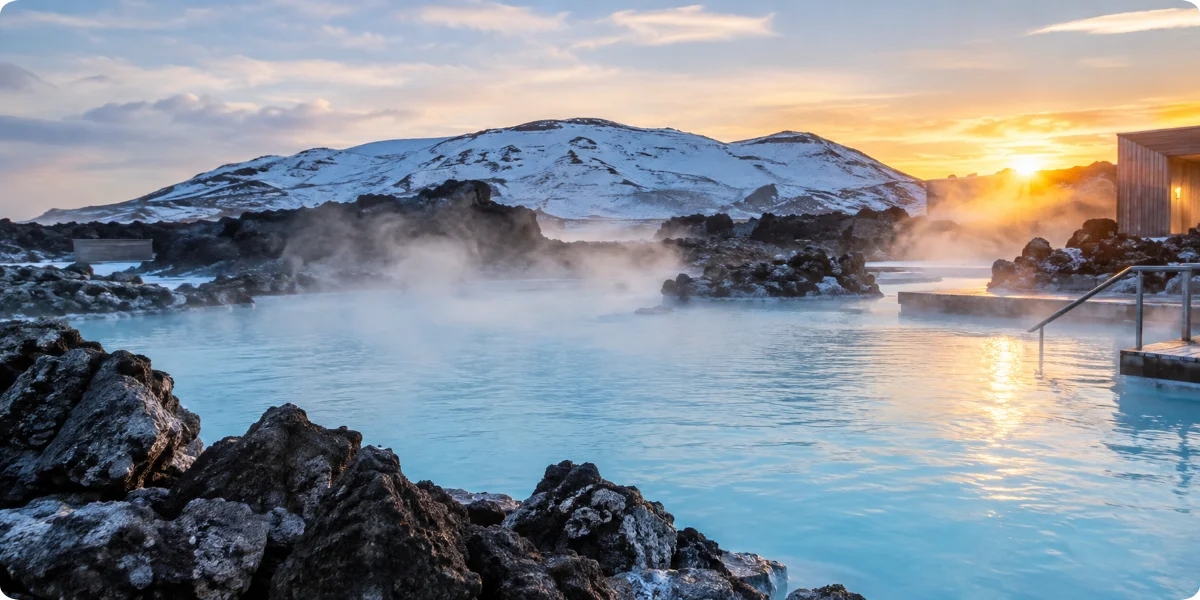
Geothermal bathing is one of the most relaxing things to do in Iceland.
The Blue Lagoon is the best-known option, but it is far from the only one. Travelers can also consider Sky Lagoon, the Secret Lagoon, and local swimming pools.
Iceland’s geothermal culture is closely connected with its natural environment, and geothermal pools can be enjoyed in different seasons.
Tip: Popular lagoons can become busy, so check availability and book ahead when necessary.
5. Visit a Black-Sand Beach
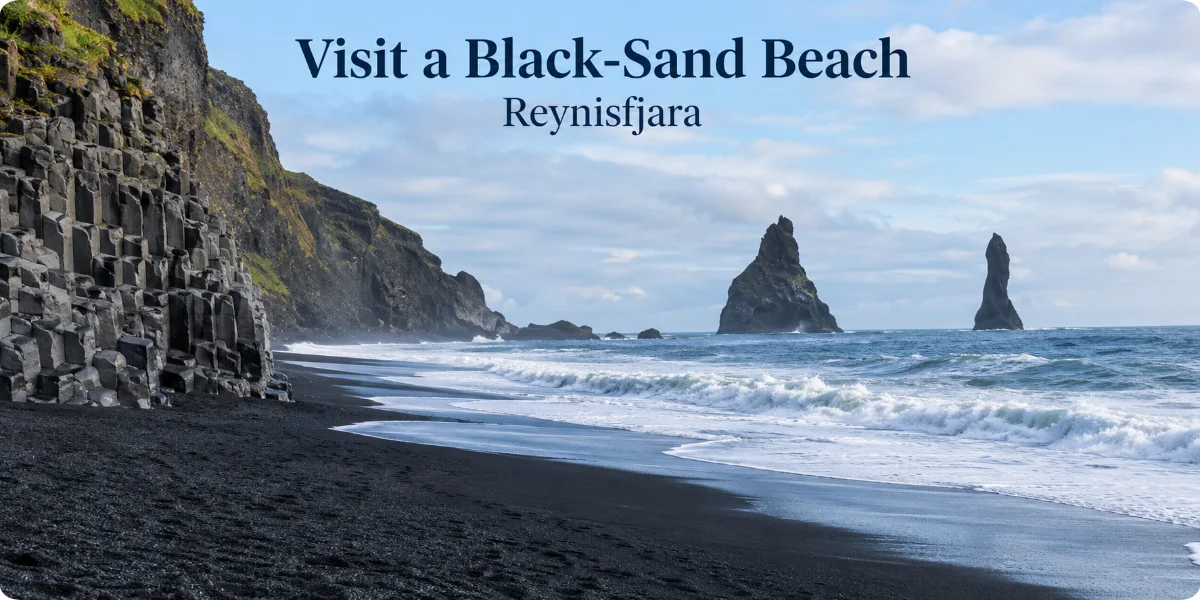
Reynisfjara near Vík is one of Iceland’s most recognizable beaches.
Its dark volcanic sand, basalt formations, cliffs, and offshore rock formations create a landscape that looks very different from a typical beach.
But this is not a beach for swimming or casual exploration close to the water. Waves and ocean conditions can be dangerous. Stay well back from the water and follow local safety signs.
6. Walk on a Glacier
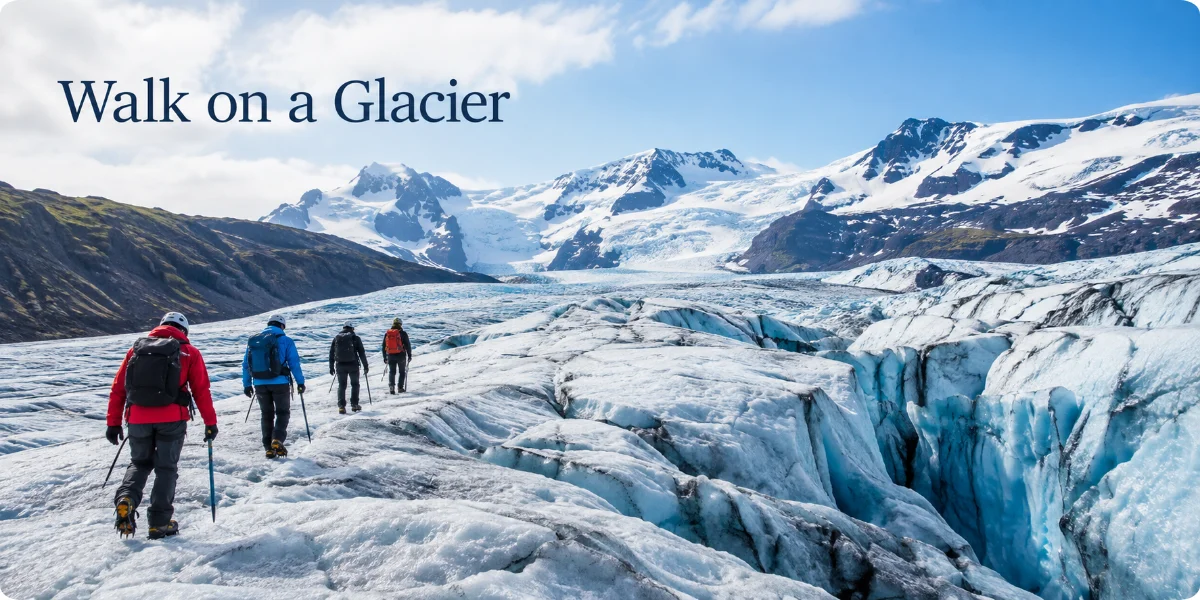
A glacier hike gives you a completely different perspective on Iceland.
Sólheimajökull is one of the better-known glacier areas for guided experiences, while Vatnajökull is another major destination for glacier adventures.
Glaciers contain crevasses and other hazards that are difficult to judge without experience. For that reason, visitors should use qualified guides rather than attempting glacier travel alone.
7. Explore an Ice Cave
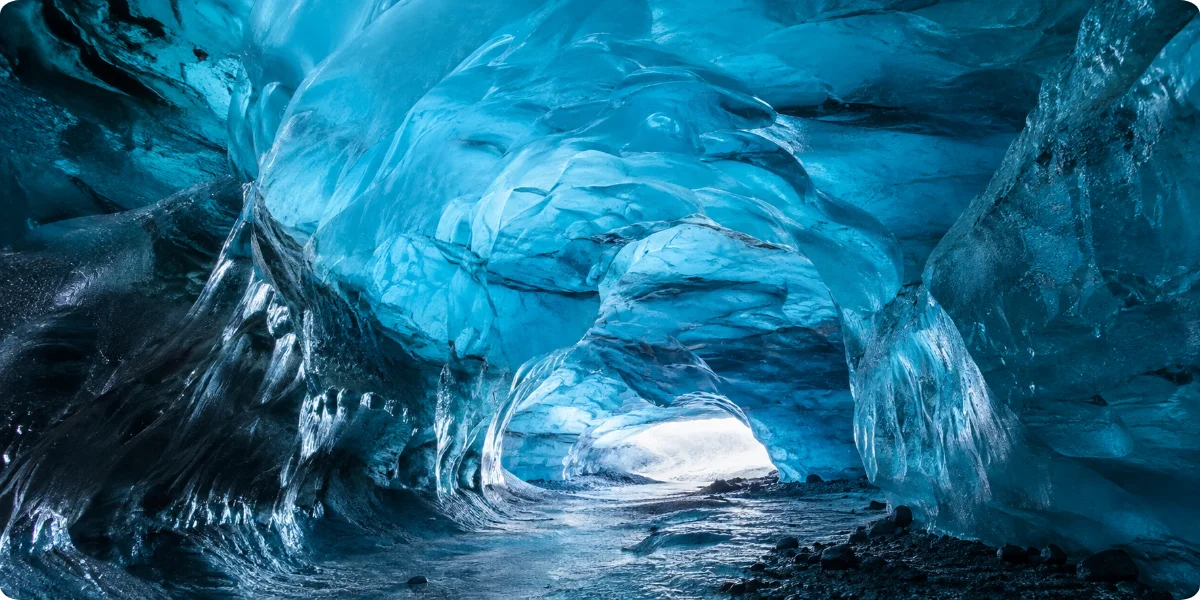
Ice caves are another memorable Iceland experience, particularly during the colder part of the year.
Inside an ice cave, you may see layers of blue and translucent ice shaped by water and movement within the glacier.
Conditions change naturally, so access is seasonal and dependent on safety. Always use an organized, guided experience for glacier ice caves.
8. See the Northern Lights
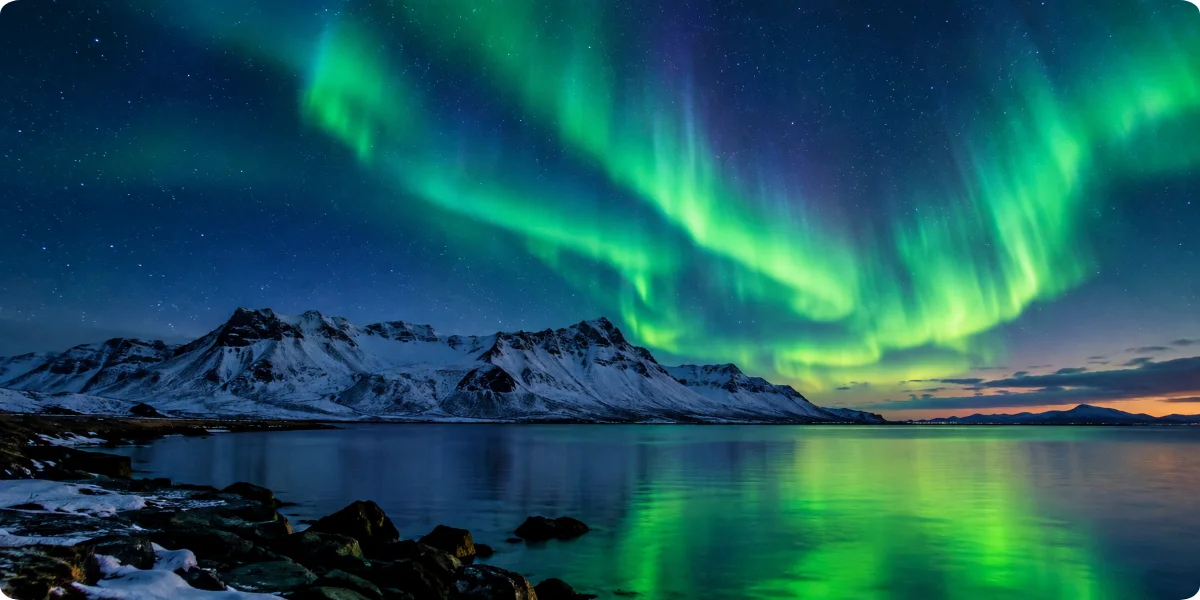
Watching the Northern Lights is high on many Iceland itineraries.
The aurora season generally runs from late August through late April, when Iceland has sufficiently dark nights. Clear or partly clear skies improve your chances of seeing the lights.
You do not need to stay far from Reykjavík every night, but darker locations away from city lights can provide better viewing conditions.
The important thing to remember is that the Northern Lights are a natural phenomenon. No tour can guarantee a sighting.
Best for: Autumn, winter, and early spring travelers.
9. Visit Jökulsárlón Glacier Lagoon
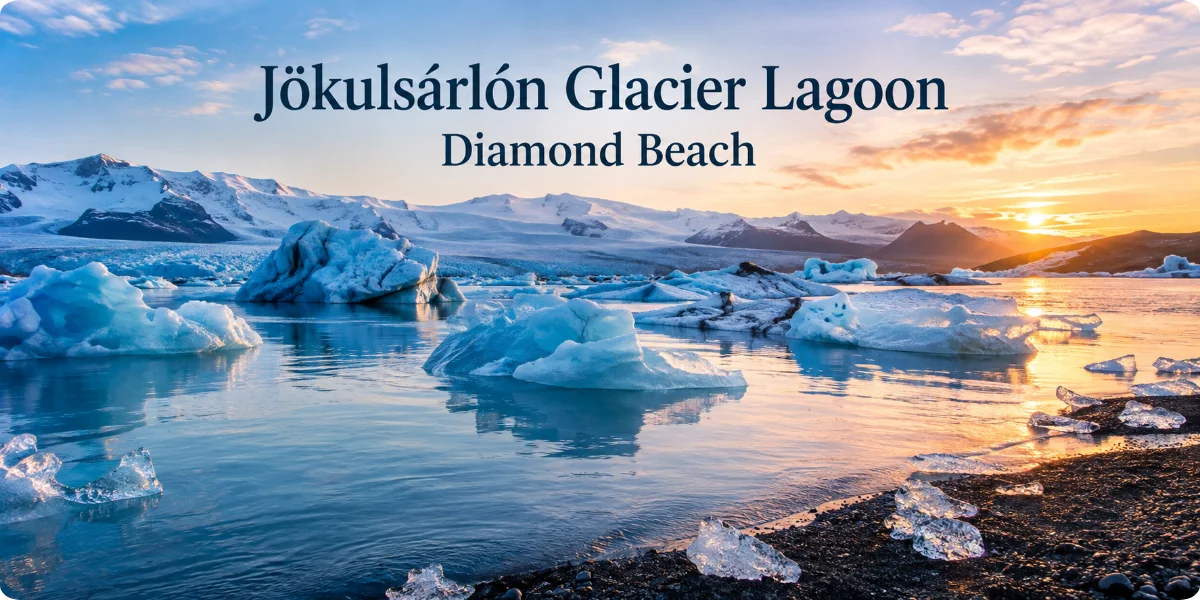
Jökulsárlón is one of the most spectacular stops on Iceland’s South Coast.
Large pieces of ice break away from the glacier and float through the lagoon before reaching the ocean. The scene changes constantly, which makes it particularly interesting for photographers.
The nearby Diamond Beach is also worth visiting.
10. Walk Along Diamond Beach
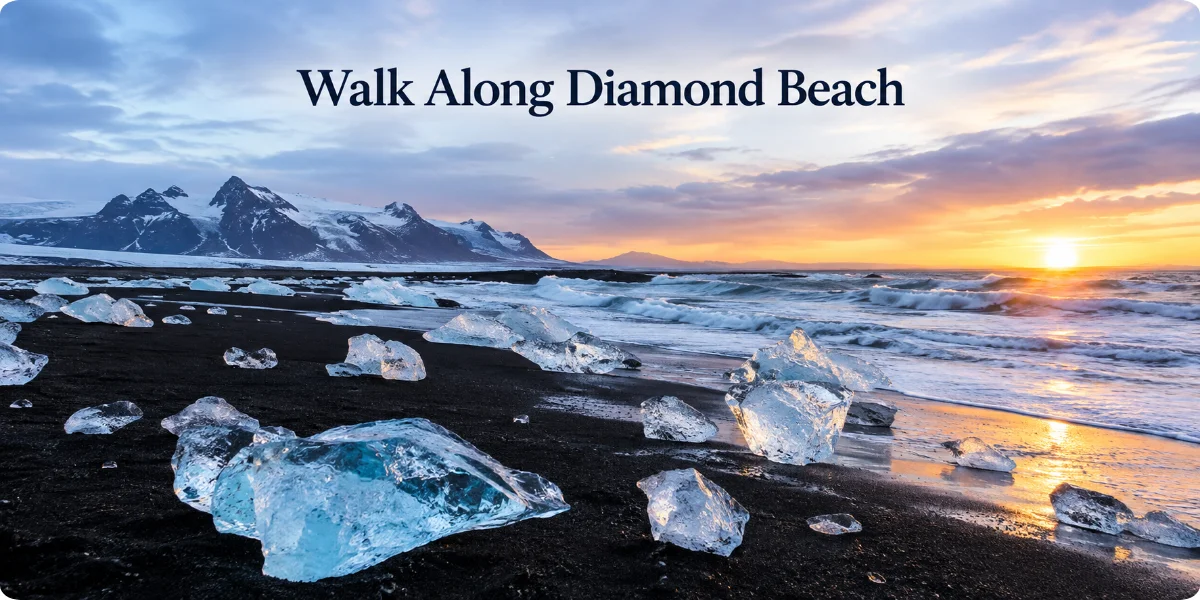
Diamond Beach gets its name from chunks of ice that can appear across its black volcanic sand.
The ice comes from the nearby glacier lagoon and can range from small transparent pieces to much larger blocks.
It is easy to combine Diamond Beach with Jökulsárlón, making both attractions an efficient stop on a South Coast itinerary.
11. Explore Iceland’s Volcanic Landscapes
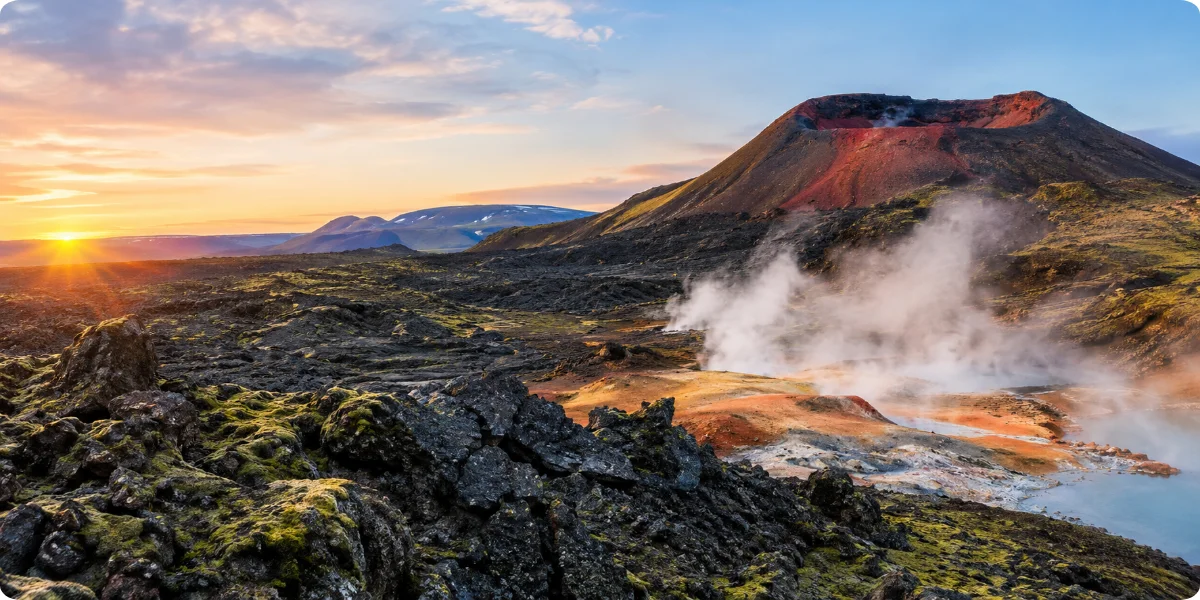
Iceland’s landscape is strongly shaped by volcanic activity.
You can see lava fields, volcanic craters, geothermal areas, and other evidence of the forces beneath the island.
Volcanic conditions can change, so don’t treat an active or restricted area like an ordinary tourist attraction. Check current conditions and official guidance before visiting.
12. Go Whale Watching
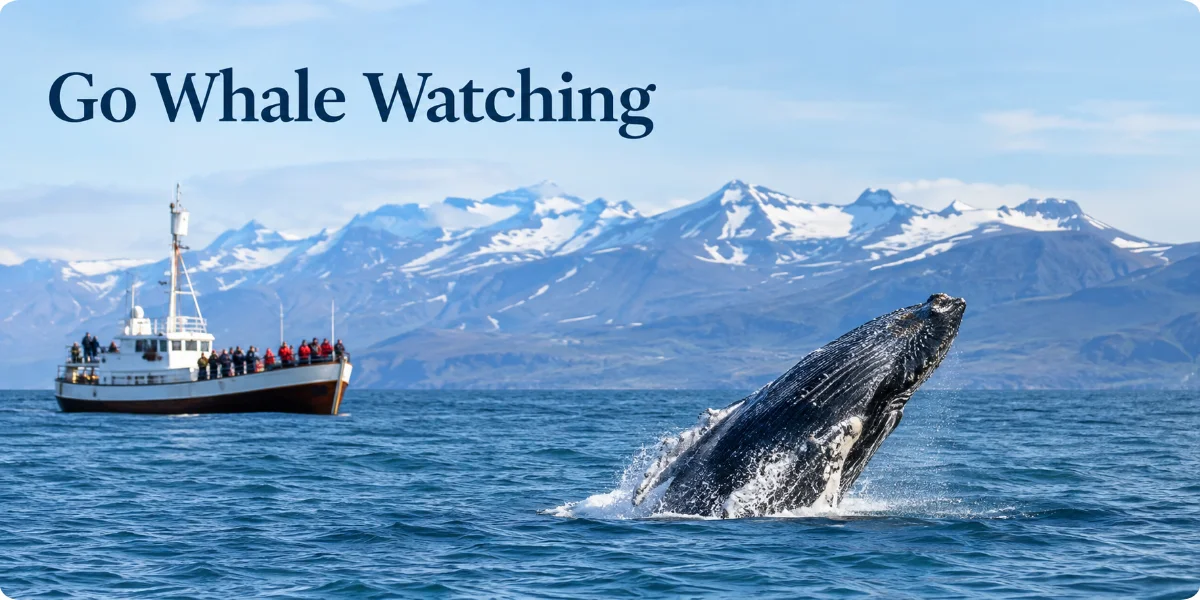
Whale watching is a popular way to experience Iceland from the water.
Húsavík in North Iceland is particularly associated with whale-watching tours, while Reykjavík also has operators offering marine wildlife excursions.
Depending on the location and season, sightings can include different whale species and other marine life.
13. Explore Iceland’s Fjords
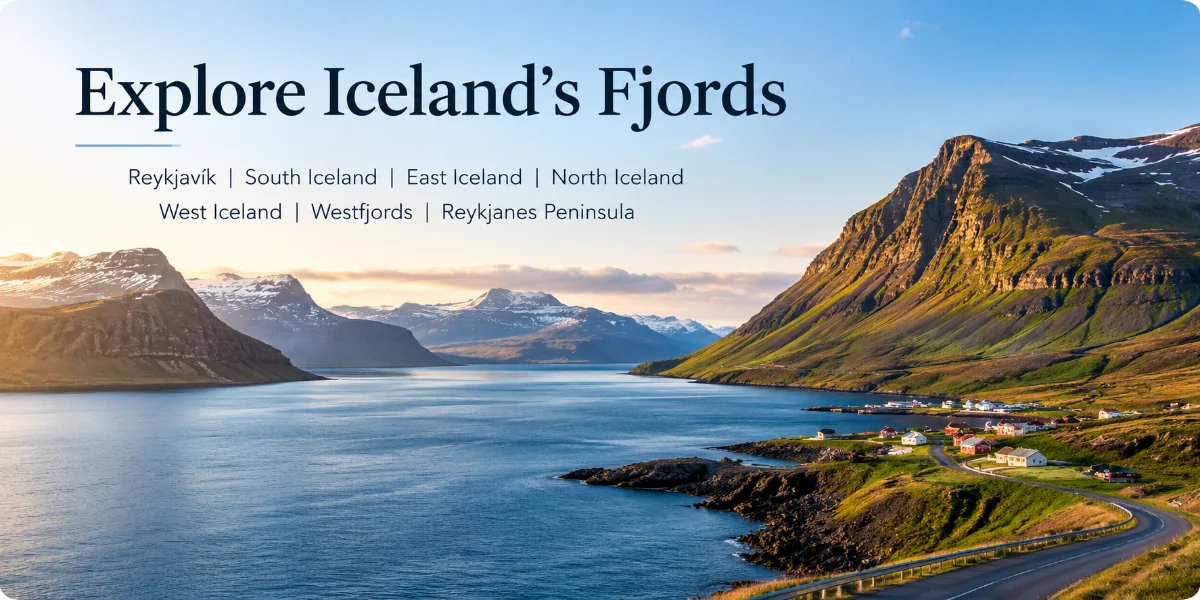
If you have more time, venture beyond the country’s most famous attractions.
The Westfjords and Eastfjords offer dramatic coastlines, mountains, fishing communities, and quieter roads.
Iceland’s official tourism organization divides the country into seven main geographical regions, including Reykjavík, South Iceland, East Iceland, North Iceland, West Iceland, the Westfjords, and the Reykjanes Peninsula.
14. Go Horseback Riding
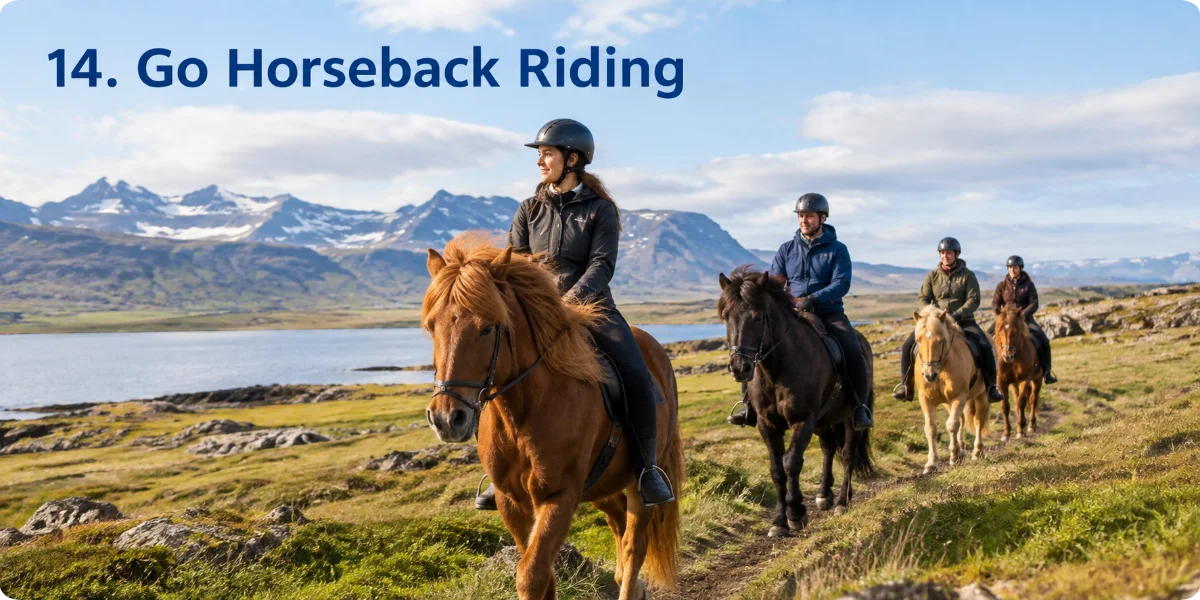
Icelandic horses are an important part of the country’s culture and countryside.
Horseback tours range from short rides for beginners to longer excursions for experienced riders. Riding through open landscapes gives you a slower way to appreciate Iceland’s scenery.
15. See Puffins and Other Wildlife
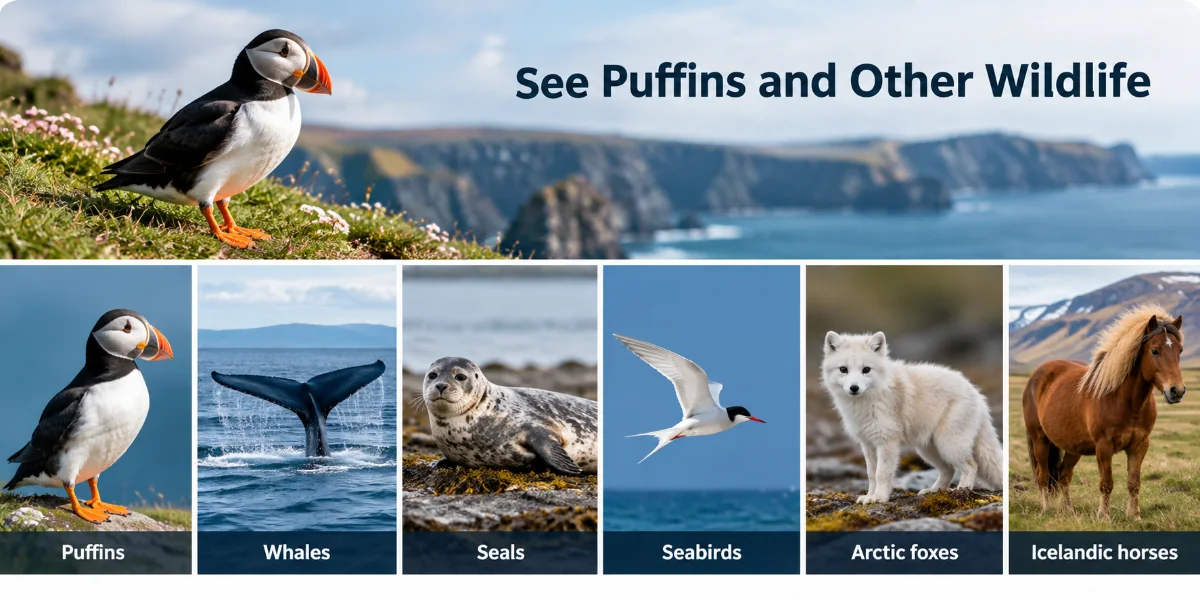
Iceland is also a good destination for wildlife lovers.
Depending on where and when you travel, you may see:
- Puffins
- Whales
- Seals
- Seabirds
- Arctic foxes
- Icelandic horses
Wildlife sightings are never guaranteed, so choose responsible tours that respect animals and their habitats.
8 Best Places to Visit in Iceland
Your choice of destination should depend on how many days you have.
1. Reykjavík
Best for restaurants, culture, museums, nightlife, and easy access to day tours.
2. Vík
A useful base for exploring Iceland’s South Coast, including Reynisfjara and nearby waterfalls.
3. Akureyri
A good base for exploring North Iceland and nearby natural attractions.
4. Húsavík
Best known for whale watching and access to North Iceland experiences.
5. The Golden Circle
Ideal for a short trip because several major attractions are close enough to combine into one route.
6. South Coast
One of the strongest choices for first-time visitors because it combines waterfalls, glaciers, beaches, and other dramatic landscapes.
7. Snæfellsnes Peninsula
A good option if you want varied scenery without traveling around the entire country.
8. Westfjords
Best for travelers who have more time and want quieter roads, remote landscapes, and small communities.
4 Best Things to Do in Iceland by Season
Iceland changes dramatically throughout the year, so your experience depends heavily on when you visit.
1. Things to Do in Iceland in Winter
Winter is ideal for:
- Northern Lights
- Ice-cave tours
- Snowy landscapes
- Geothermal pools
- Winter photography
- Guided glacier experiences
The trade-off is shorter daylight and more challenging driving conditions.
2. Things to Do in Iceland in Spring
Spring can be a good choice for travelers looking for changing landscapes and fewer visitors than the busiest summer period.
Waterfalls can be especially impressive, while longer daylight gradually makes sightseeing easier.
3. Things to Do in Iceland in Summer
Summer offers long daylight hours and excellent opportunities for:
- Road trips
- Hiking
- Wildlife watching
- Waterfalls
- Scenic drives
- Midnight-sun experiences
Iceland’s official tourism guide describes the country as a destination for year-round experiences, with extremely long summer days and short winter days.
4. Things to Do in Iceland in Autumn
Autumn is a strong option if you want a combination of changing scenery and the possibility of seeing the Northern Lights.
Late autumn also brings darker nights, which improves the opportunity for aurora viewing.
6 Best Things to Do in Iceland for Different Travelers
1. For First-Time Visitors
Prioritize:
- Reykjavík
- Golden Circle
- South Coast
- Geothermal pool
- Jökulsárlón
- Northern Lights if traveling during aurora season
2. For Couples
Consider a mix of scenic drives, geothermal bathing, waterfalls, glacier experiences, and Northern Lights tours.
3. For Families
Choose attractions that don’t require strenuous hiking. Waterfalls, geothermal pools, wildlife tours, and easy scenic stops can work well.
4. For Adventure Lovers
Iceland offers plenty of outdoor activities, including glacier hiking, hiking, caving, horseback riding, snorkeling, and other guided adventures.
5. For Nature Lovers
Spend more time outside Reykjavík and focus on waterfalls, glaciers, beaches, fjords, geothermal areas, and national parks.
6. Free Things to Do in Iceland
You can enjoy many Iceland experiences without paying an entrance fee, including:
- Walking around Reykjavík
- Viewing many waterfalls
- Hiking on public trails
- Exploring scenic coastlines
- Visiting viewpoints
- Exploring some beaches
However, transportation, parking, guided activities, or facilities may still involve costs.
Best Day Trips in Iceland
If you’re staying in Reykjavík, several destinations work well as day trips.
| Day Trip | Best For |
|---|---|
| Golden Circle | First-time visitors |
| South Coast | Waterfalls and beaches |
| Reykjanes Peninsula | Geothermal and volcanic scenery |
| Snæfellsnes | Diverse landscapes |
| Whale watching | Wildlife |
| Geothermal lagoons | Relaxation |
For a short visit, don’t try to squeeze every region into your itinerary. Iceland looks compact on a map, but weather and road conditions can change travel times.
Best Outdoor Adventures in Iceland
Iceland’s landscape makes it especially attractive to outdoor travelers.
Popular activities include:
- Glacier hiking
- Ice caving
- Hiking
- Horseback riding
- Whale watching
- Snorkeling
- Lava-cave tours
- Snowmobile tours
- Kayaking
Visit Iceland describes the country as an outdoor destination shaped by mountains, volcanoes, glaciers, rivers, caves, and rugged terrain.
For activities involving glaciers, caves, or difficult terrain, guided tours are usually the safer choice.
6 Unique Things to Do in Iceland
Beyond the famous attractions, Iceland offers experiences that feel genuinely different.
1. Snorkel Between Tectonic Plates
Silfra in Þingvellir is famous for clear water and its location within a tectonic setting.
2. Visit a Lava Cave
Lava caves provide a chance to see another side of Iceland’s volcanic geology.
3. Experience the Midnight Sun
During summer, Iceland experiences exceptionally long daylight hours, creating opportunities for late-night sightseeing and photography.
4. Visit a Geothermal Greenhouse
Geothermal energy plays an important role in Icelandic life, including greenhouse cultivation.
5. Explore Fishing Villages
Small coastal communities can offer a quieter experience than Reykjavík and the country’s major attractions.
6. Visit Local Cultural Sites
Iceland’s culture is connected to its sagas, literature, arts, music, and distinctive natural environment.
How Many Days Do You Need in Iceland?
1. 3–4 Days
Focus on Reykjavík, the Golden Circle, and part of the South Coast.
2. 5–7 Days
This gives you enough time for Reykjavík, the Golden Circle, waterfalls, beaches, glaciers, and other South Coast highlights.
3. 8–10 Days
A longer trip allows you to cover much more of Iceland and spend less time rushing between attractions.
4. 10+ Days
Consider adding the Westfjords, Eastfjords, North Iceland, or a slower Ring Road journey.
For a first visit, 7 days is a useful middle ground. It gives you enough time to experience several major landscapes without trying to see the entire country at once.
Best Time to Visit Iceland
There is no single best month for everyone.
- Visit in summer if your priority is hiking, road trips, wildlife, and long daylight hours.
- Visit between late August and April if seeing the Northern Lights is one of your main goals.
- Choose winter if you want snow-covered scenery and ice-cave experiences and are comfortable with shorter days and more difficult travel conditions.
How to Get Around Iceland
Your transportation choice can shape your entire itinerary.
1. Rental Car
A rental car provides the most flexibility and works well for travelers planning a road trip.
2. Guided Tours
Tours are useful if you don’t want to drive or are uncomfortable with changing road conditions.
3. Public Transportation
Buses can work for some routes, particularly around Reykjavík, but public transport is less flexible for a countryside itinerary.
4. 4×4 Vehicles
A 4×4 may be necessary for certain roads and conditions, but you should never assume that a four-wheel-drive vehicle makes every road safe or accessible.
Iceland’s road and weather conditions can change quickly. SafeTravel specifically warns travelers that conditions can be different from what they are used to and recommends checking current conditions before traveling.
Iceland Travel Tips
A little preparation can make a major difference.
- Check the weather before leaving.
- Check road conditions before driving.
- Leave flexibility in your itinerary.
- Wear waterproof outer layers.
- Bring warm clothing even during summer.
- Follow signs and marked trails.
- Stay away from dangerous ocean waves.
- Don’t enter restricted volcanic areas.
- Book popular activities ahead during busy periods.
- Don’t underestimate Iceland’s weather.
- Avoid driving while distracted by scenery.
- Use local safety information before hiking or driving.
SafeTravel is operated by the Icelandic Association for Search and Rescue and provides official safety information for travelers.
Important: Conditions can change quickly. For example, SafeTravel currently lists strong-wind hazards on the route between Vík and Höfn for September 6–7, 2026, illustrating why travelers should check conditions immediately before driving rather than relying only on an old itinerary.
How Much Does an Iceland Trip Cost?
Iceland is generally considered an expensive destination, but your budget depends heavily on how you travel.
Your main expenses will usually include:
1. Accommodation
Hotels, guesthouses, hostels, and vacation rentals can have very different prices.
2. Food
Restaurants can quickly increase your daily budget. Grocery shopping and simple meals can help reduce costs.
3. Transportation
Rental cars, fuel, buses, and tours can become a major part of the trip cost.
4. Activities
Glacier hikes, whale watching, geothermal lagoons, snowmobile trips, and other guided experiences can add significantly to your budget.
Tourism spending is substantial in Iceland. Statistics Iceland reported total tourism consumption of nearly 914 billion ISK in 2025, up 4.2% from 2024.
Rather than relying on one fixed “Iceland travel cost,” build your budget around your accommodation, transportation, and planned activities.
Things to Know Before Visiting Iceland
1. Is Iceland expensive?
Yes. Accommodation, food, transportation, and organized activities can make Iceland more expensive than many European destinations.
2. Is Iceland safe for tourists?
Iceland is generally considered a safe destination, but natural conditions require attention. Weather, roads, glaciers, ocean waves, and volcanic areas can all present risks.
3. Can you visit Iceland without renting a car?
Yes. Reykjavík has tours covering many major attractions, and some travelers prefer organized excursions.
4. Do you need a 4×4?
Not for every Iceland trip. Your vehicle requirements depend on your route, season, and road conditions.
5. Can you see the Northern Lights from Reykjavík?
It is possible, but darker areas away from city lights can provide better viewing conditions.
6. Is Iceland good for a first-time trip?
Yes. The country offers a strong combination of natural attractions, organized tours, infrastructure, and relatively easy access to many famous sights.
Frequently Asked Questions About Things to Do in Iceland
What is the number one thing to do in Iceland?
The Golden Circle is one of the best first experiences in Iceland because it combines Þingvellir National Park, the Geysir geothermal area, and Gullfoss waterfall in one popular sightseeing route.
What is Iceland best known for?
Iceland is best known for its glaciers, volcanoes, waterfalls, geothermal pools, black-sand beaches, rugged landscapes, and Northern Lights. These natural features are among the country’s biggest attractions.
How many days are enough for Iceland?
Seven days is a good starting point for a first Iceland trip. It gives you time to explore Reykjavík, the Golden Circle, the South Coast, waterfalls, beaches, and several other major attractions without making the itinerary excessively rushed.
What should you not miss in Iceland?
Don’t miss the Golden Circle, South Coast waterfalls, Reynisfjara, a geothermal pool, Jökulsárlón, and the Northern Lights if you visit during aurora season.
Is Iceland expensive to visit?
Iceland can be expensive because accommodation, food, transportation, and activities add up quickly. Your final cost depends on your travel style, season, accommodation, and the number of paid experiences you choose.
What is the best month to visit Iceland?
The best month depends on your priorities. Summer is excellent for long daylight hours and outdoor activities, while late August through April provides opportunities for Northern Lights viewing.
Can you see the Northern Lights in Iceland?
Yes. The Northern Lights can appear from late August through late April when darkness and suitable sky conditions are present. Clear or partly clear skies improve your chances.
What are the best free things to do in Iceland?
Walking around Reykjavík, visiting many waterfalls, hiking public trails, exploring scenic viewpoints, and enjoying parts of Iceland’s coastline can be free. Always check whether parking or access fees apply.
Can you visit Iceland without a car?
Yes. Guided tours make it possible to visit many major attractions without driving. Reykjavík is particularly convenient for travelers who prefer organized excursions.
What are the best things to do in Iceland in winter?
Winter highlights include Northern Lights tours, ice caves, snowy landscapes, geothermal pools, glacier experiences, and winter photography. Driving requires extra care because snow, ice, wind, and reduced visibility can affect conditions.
Final Thoughts
The best things to do in Iceland are not limited to a single attraction. The country’s appeal comes from how quickly the scenery changes. One day can take you from Reykjavík to a geothermal area, waterfall, glacier, or black-sand beach.
For a first trip, focus on Reykjavík, the Golden Circle, the South Coast, geothermal bathing, and Jökulsárlón. If you’re visiting during the Northern Lights season, leave some flexibility in your schedule so you can take advantage of good conditions.
Most importantly, don’t rush. Iceland rewards travelers who leave room for weather changes, scenic stops, and unexpected discoveries.
Before setting out, check current road and weather conditions through official Icelandic safety resources. Conditions can change quickly, and safe planning is part of having a better Iceland experience.
Read More Related Articles:
Things to Do in Sacramento: A Complete Travel Guide for First-Time Visitors
5 Things To Do In Indonesia | For 2026 Tour Guides
15+ Things to Do in Vegas With Kids + 3 Days Itinerary Travel Guide (2025)
25+ Best Things to Do in Budapest: Ultimate Guide For Adults, Couples & Families
30+ Things to Do in St. Thomas: Best Guide for Family, Couple & Adults

Arman Ashraf is a content writer focused on travel and tourism. He creates practical, well-researched travel guides, destination articles, and travel tips designed to help readers plan trips with greater confidence. His work combines clear, engaging writing with SEO best practices, covering destinations, things to do, travel planning, and useful advice for travelers. Arman is committed to producing helpful content that makes discovering and planning travel easier.