
Hoi An Vietnam is a historic trading town on the central coast, best known for its lantern-lit streets, its remarkably preserved Old Town and a slow, riverside pace that feels far from Vietnam’s big cities. The town’s Ancient Town has been on the UNESCO World Heritage List since 1999, and the old merchant houses, assembly halls and wooden shopfronts that earned that status still line the same narrow lanes today. Add the Thu Bon River, a food scene built around a handful of dishes you will not find done the same way anywhere else, rice fields and coconut groves a short bike ride away, and sandy beaches a few kilometres from the centre, and it is easy to see why so many Vietnam itineraries pause here for longer than planned.
This guide suits first-time visitors to Vietnam, couples, families, photographers, food lovers and anyone who prefers walking and cycling to rushing between sights. Expect a compact, walkable town that is busiest in the evening, a rainy season that can flood the riverfront, and plenty of choice between old-town heritage, countryside and sea. The sections below cover where Hoi An is, whether it is worth your time, what to do, when to go, where to stay, what to eat, how to get around, what it costs and how to stay safe.
Where Is Hoi An Vietnam Located?
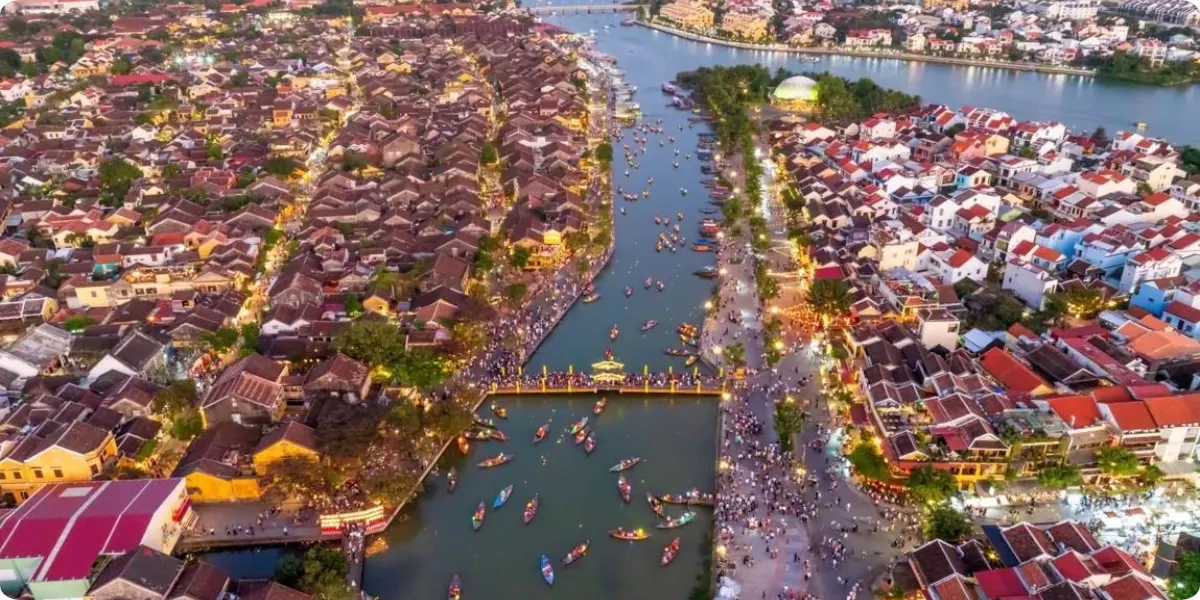
Hoi An sits on the central coast of Vietnam, on the north bank of the Thu Bon River, close to the South China Sea. The town is roughly 30 kilometres south of Da Nang, which is the nearest major city and the usual gateway for international and domestic flights.
1. Hoi An’s Location in Central Vietnam
Central Vietnam is the narrow, curving middle of the country, between Hanoi in the north and Ho Chi Minh City in the south. Hoi An lies in the coastal lowlands of this region, with Hue to the north beyond the Hai Van Pass and the highlands rising to the west. Administratively the town has historically been part of Quang Nam, and recent provincial reorganisation has placed the Hoi An area within Da Nang city, so you may see both names on maps and booking sites. For travellers, the practical point is simple: Da Nang and Hoi An now work as one coastal region, and most trips combine the two.
2. How Far Is Hoi An From Da Nang?
Hoi An is about 30 kilometres from central Da Nang, and the drive usually takes 40 to 60 minutes depending on traffic and the route you take. The coastal road past Non Nuoc Beach and My Khe is the most scenic option. A daytrip in either direction is easy, which is why many visitors base themselves in one place and visit the other. If you want to measure routes between Vietnamese cities while planning, the TripGuiderz distance calculator is a quick way to compare legs.
3. How to Get to Hoi An From Da Nang International Airport
Da Nang International Airport is the nearest airport to Hoi An, and the transfer takes roughly 45 minutes to an hour. Pre-booked private transfers are the most predictable option, especially after a late arrival. Metered taxis and ride-hailing apps such as Grab also run the route and are usually cheaper, though prices vary with time of day and traffic. Many hotels in Hoi An arrange airport pickups for a fixed fee, which removes any haggling at the arrivals hall. Public buses and shared shuttles exist but are slower and less convenient with luggage.
4. Hoi An’s Location on the Vietnam Travel Map
On a classic north-to-south Vietnam route, Hoi An sits near the middle: Hanoi and Ha Long Bay in the north, Hue and Hoi An in the centre, then Ho Chi Minh City and the Mekong Delta in the south. Because Da Nang’s airport has domestic connections both ways, Hoi An works as a natural pause between northern and southern sections of a trip. It also links easily to Hue by road over the Hai Van Pass, or by train from Da Nang.
Is Hoi An Vietnam Worth Visiting?
Yes. Hoi An is worth visiting if you want a walkable heritage town, regional food, tailoring and craft workshops, and easy access to both countryside and beach. It is less suited to travellers who want nightlife, big-city energy or complete solitude, because the Ancient Town is popular and crowded after dark.
1. What Makes Hoi An Special?
Hoi An was a significant Southeast Asian trading port for centuries, and Vietnamese, Chinese and Japanese merchants each left their mark on its architecture and customs. That blend is still visible in the timber houses, tiled roofs, family shrines and assembly halls, and it explains why the town is protected as a living heritage site rather than a museum. Silk lanterns, a riverside setting and a food culture with its own signature dishes complete the picture.
2. Who Should Visit Hoi An?
Couples and honeymooners enjoy the lantern-lit evenings and river views. Families find the pedestrian-friendly lanes, cooking classes and beaches easy to manage. Food lovers come for cao lau, white rose dumplings and market eating. Photographers get soft light on the yellow walls early in the morning and a very different, colourful scene at night. Budget travellers and long-stay visitors also like it because daily costs are modest outside the peak months.
3. Pros and Cons of Visiting Hoi An
Pros: a compact, atmospheric Old Town; excellent regional food; tailors, lantern makers and craft workshops; cycling routes through rice paddies; nearby beaches; easy day trips to My Son, Da Nang and the Cham Islands.
Cons: heavy crowds in the evening and on lantern nights; heat and humidity in summer; flooding risk and heavy rain in October and November; tourist pricing in the most visited streets; motorbike traffic once you leave the pedestrian zones.
4. How Hoi An Compares With Da Nang
Da Nang is a modern coastal city with wide beaches, high-rise hotels, big attractions and a more urban feel. Hoi An is smaller, older and more atmospheric, with heritage streets and a quieter rhythm. Choose Hoi An for culture, food and slow travel; choose Da Nang for beach resorts, nightlife and quick access to Ba Na Hills and the Marble Mountains. Many travellers split their stay between the two, and the 30-kilometre gap makes that simple.
Best Things to Do in Hoi An Vietnam
The best things to do in Hoi An Vietnam combine heritage walking, river and lantern scenes, food and craft experiences, and time outside the Old Town. Most can be done in three days or fewer.
1. Explore Hoi An Ancient Town
The Ancient Town is the core of any visit. Start early, before the heat and the tour groups, and wander the lanes around Tran Phu, Nguyen Thai Hoc and Bach Dang streets. Old shophouses, family chapels, assembly halls and small museums are scattered throughout, and many have been converted into cafés, galleries and tailor shops. Keep your entrance ticket handy, since staff check it at the heritage buildings.
2. Walk Across the Japanese Covered Bridge
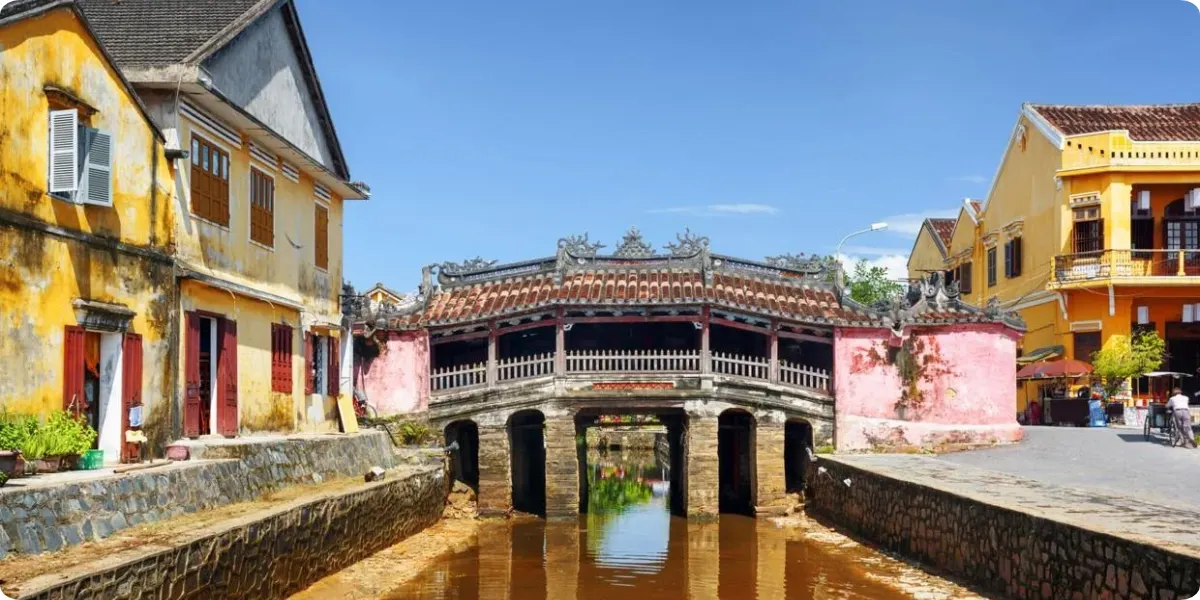
The Japanese Covered Bridge is the best-known landmark in Hoi An and appears on the local currency’s heritage imagery and in countless postcards. The small, roofed wooden bridge is linked to the Japanese merchant community that once lived in the town, and a tiny temple sits at one end. It is quick to cross, so visit early in the morning or after the main crowds leave.
3. See the Colorful Lanterns Along the Thu Bon River
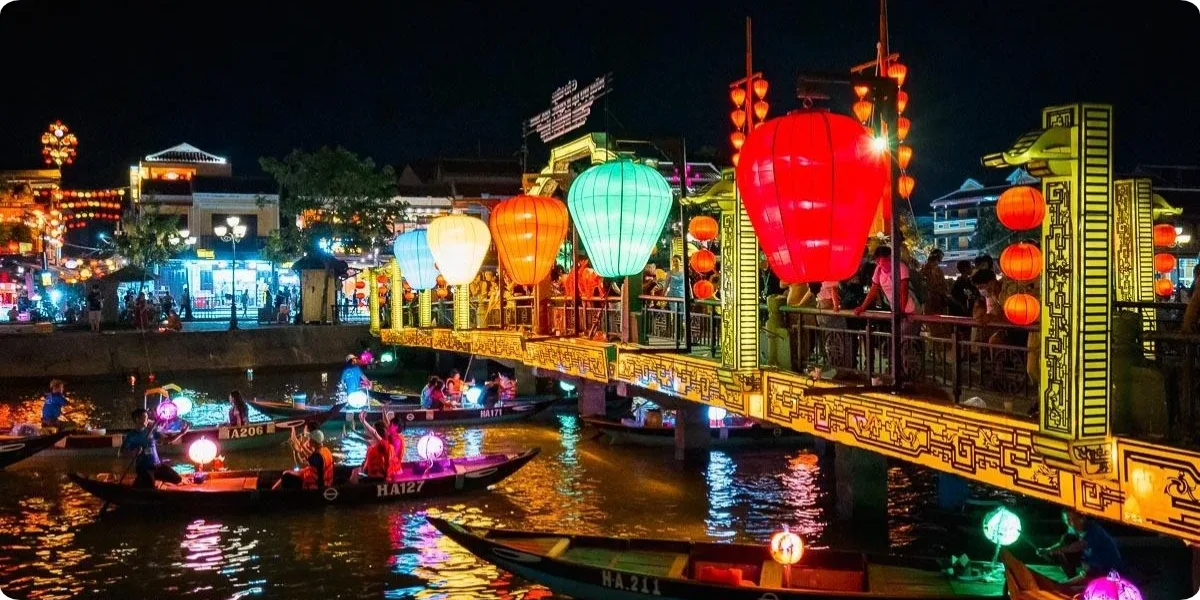
After sunset, lanterns glow along the riverfront and from shop fronts across the Old Town. Walk the embankment, then look for small boats offering river rides with floating candle lanterns. Prices for the boats are negotiable, so agree the fare before you step in, and expect queues on busy nights.
4. Take a Traditional Basket Boat Ride in Cam Thanh
In the coconut forests of Cam Thanh, local boatmen paddle round thung chai basket boats through narrow water channels lined with nipa palms. The experience is a mix of genuine local craft and tourist show, with some boatmen singing, spinning the boats or pulling crab-catching demonstrations. It is popular with families, and mornings are cooler and calmer.
5. Visit the Hoi An Night Market
The night market runs across the river from the Old Town and sells lanterns, souvenirs, clothes, snacks and street food. Prices are negotiable, so bargain politely and compare before buying. It is lively and fun, though quality varies, so treat it as a place to browse and snack rather than a source for high-quality gifts.
6. Join a Vietnamese Cooking Class
Cooking classes are among the most enjoyable activities in Hoi An and usually combine a market visit, a boat or bike ride and a hands-on lesson. Typical dishes include fresh spring rolls, white rose dumplings, banh xeo pancakes and local noodle dishes. Many schools offer vegetarian menus on request, and half-day sessions fit easily into a morning.
7. Get Custom-Made Clothing From Local Tailors
Hoi An has hundreds of tailors who make shirts, dresses, suits and coats from fabrics you choose. Allow at least two or three days for fittings, bring photos or a garment you like, and ask about adjustments before you pay in full. Compare a few shops, check stitching and lining, and be realistic about the price you expect for the fabric quality you select.
8. Take a Bicycle Ride Through the Countryside
A short ride from the Old Town takes you past rice paddies, water buffalo, vegetable gardens and small villages. The flat terrain suits most riders, and many hotels lend bicycles. Go early to avoid the heat, carry water and keep to quiet back roads rather than the busy main road to the beach.
9. Relax at An Bang Beach
An Bang is the most popular beach near Hoi An, a few kilometres from the town, with beach bars, seafood restaurants, sunbeds and shallow water in the dry season. It is easy to reach by bicycle, scooter, taxi or hotel shuttle. Check the sea flags before swimming, and for more coastal inspiration see the beaches section on TripGuiderz.
10. Experience a Lantern-Making Workshop
Several workshops let you assemble a silk-and-bamboo lantern from scratch, then take it home or hang it from your hotel balcony. Classes usually take one to two hours, are suitable for children, and give you a better understanding of why lanterns define the town. Book ahead in busy months.
Best Places to Visit in Hoi An
Hoi An’s sights are small and close together, so you can see most of them on foot. The list below covers the places that most often appear on first-time itineraries.
1. Hoi An Ancient Town
The Ancient Town is a compact grid of lanes around the Thu Bon River, protected for its intact architecture and street pattern. It is the heart of the visit, with heritage houses, assembly halls, museums, cafés and shops in every direction.
2. Japanese Covered Bridge
The bridge connects two parts of the old district and is the town’s best-known symbol. Allow 15 to 20 minutes for the crossing, the small temple and photographs.
3. Fujian Assembly Hall
The Fujian Assembly Hall was built by the Chinese merchants from Fujian province and is one of the grandest assembly halls in Hoi An. Look for the colourful gate, courtyard and the shrine dedicated to the sea goddess Thien Hau, who protected sailors and traders.
4. Tan Ky Old House
Tan Ky is a well-preserved merchant house that shows how Hoi An’s wealthy families once lived and worked. Its wooden beams, carved details and layout reflect Vietnamese, Chinese and Japanese influences, and a family member or guide often explains the building’s history.
5. Hoi An Central Market
The Central Market sits near the river and is the best place to see everyday food culture, with produce, dry goods, noodles and cooked dishes in a single hall. Morning is busiest, and it is a good place for a casual local meal.
6. Cam Thanh Coconut Village
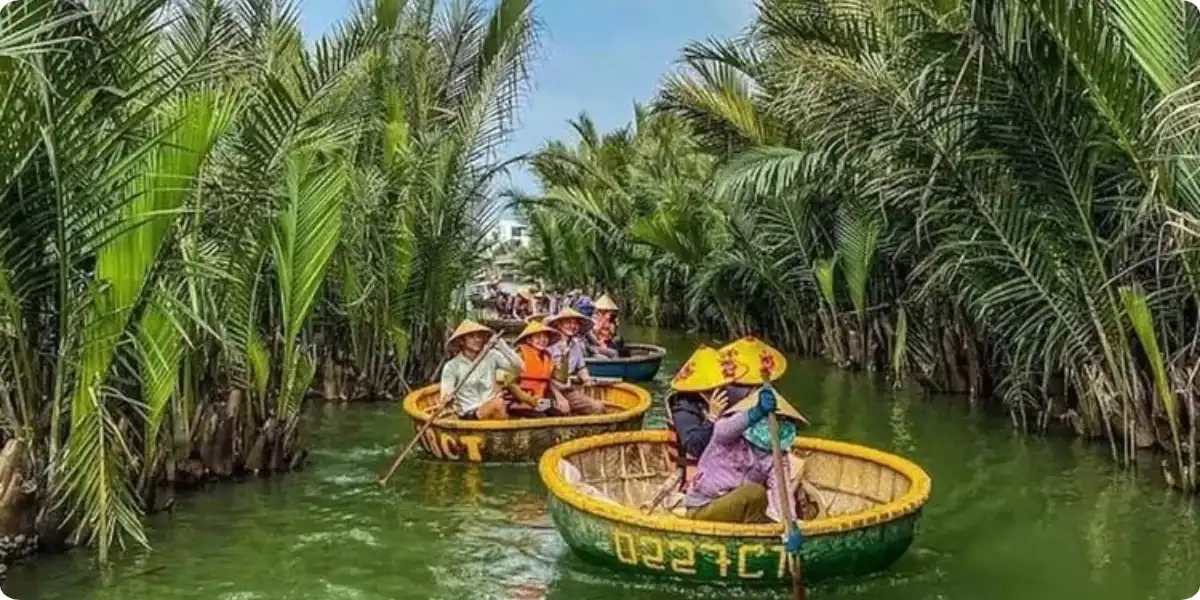
Cam Thanh is the water-coconut village known for basket boats, riverside restaurants and craft demonstrations. It is a short ride from the Old Town and combines easily with a cycling morning.
7. An Bang Beach
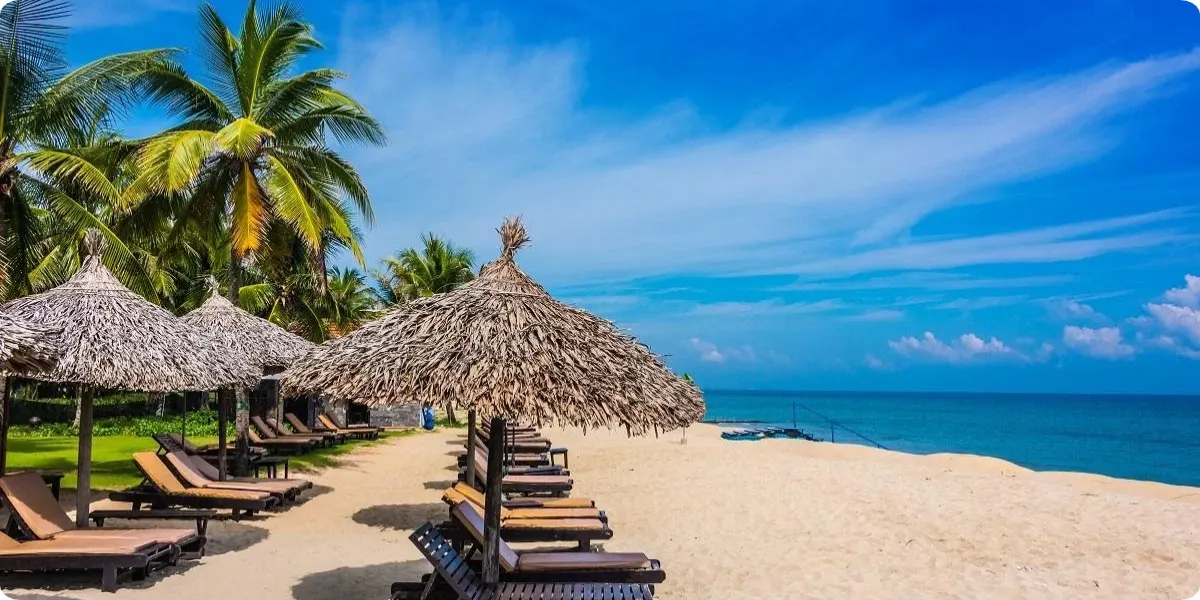
An Bang Beach is the main beach for visitors who want sea and sand close to the Old Town. Cafés and restaurants line the road behind the beach, and the atmosphere is relaxed rather than resort-heavy.
8. Tra Que Vegetable Village
Tra Que is a farming village known for its herbs and vegetables, grown using local methods and seaweed-enriched soil. Many visitors combine a short farm visit with a farm-based cooking experience and a cycle through the surrounding fields.
Best Time to Visit Hoi An Vietnam
The best time to visit Hoi An Vietnam is generally from February to April, when the weather is warm, drier and comfortable for walking, cycling and beach days. May to August is hot and sunny, and October and November bring the heaviest rain and the greatest flood risk.
1. Hoi An Weather Throughout the Year
Hoi An has a dry season and a wet season, but central Vietnam’s rain arrives later than in the north and south. Travel guides such as Travelfish’s Hoi An orientation describe the dry months as roughly March to September and the rainy months as roughly October to February, though other sources place the wettest period in October and November. In practice, expect cool, damp weather in winter, a pleasant spring and hot, humid summers.
2. Visiting Hoi An From February to April
February to April is widely considered the sweet spot, with moderate temperatures, lower humidity and good conditions for the Old Town, countryside and beach. It is also a busy period, so book rooms ahead. For a wider view of what else is good to visit at this time, see the best places to visit in February and the best places to visit in April guides.
3. Visiting Hoi An From May to August
The summer months are hot, sunny and humid, which suits beach days and sea trips such as the Cham Islands. Plan sightseeing for early morning and evening, take a midday break, and carry water. Peak holiday periods can be crowded, and the best places to visit in July guide helps if you are weighing Hoi An against other summer destinations.
4. Visiting Hoi An From September to January
This period is the transition from late summer into the rainy season and then the cooler winter. September can still be pleasant, October and November are wet, and December to January is cooler with changeable weather. Prices are often lower, and the town is quieter, but beach days and day trips are less reliable.
5. Rainy Season and Flooding Considerations
Flooding is a real possibility in Hoi An, and the risk is highest in October and November, when heavy rain and storms can put parts of the riverfront and low-lying Old Town streets underwater. Vietnam Tourism’s flood guide explains how seasonal flooding affects Hoi An and Hue and how to adjust your plans. Check the forecast, build in flexibility, buy travel insurance that covers weather disruption and choose accommodation above street level if you travel then.
6. When to Experience the Hoi An Lantern Festival
The Hoi An Lantern Festival, often called the Full Moon Festival, happens on the 14th day of each lunar month, the evening before the full moon. On that night, electric lights in the Old Town are dimmed, streets are filled with silk lanterns and traditional activities fill the evening. The biggest celebration is usually the first full moon after the Lunar New Year. Because dates follow the lunar calendar, confirm the exact night with your hotel or the Local Vietnam lantern festival guide before you finalise your plans.
How Many Days Do You Need in Hoi An?
Most travellers need two to three days in Hoi An. Two days covers the Old Town, a food crawl and one half-day trip, while three days adds a cooking class, countryside cycling and beach time. For help turning dates into a trip plan, try the TripGuiderz trip duration calculator.
1. Hoi An in One Day
One day is enough for the essentials. Walk the Ancient Town in the morning, visit the Japanese Covered Bridge and two or three heritage houses, eat cao lau and banh mi for lunch, cross to the night market after an afternoon break and finish with the lanterns along the river at dusk.
2. Two Days in Hoi An
With two days, spend day one in the Old Town and the evening by the river. Use day two for a cooking class or a basket boat ride in the morning, a cycling loop through the countryside after lunch and sunset at An Bang Beach. Book your tailor on day one so garments are ready by day two or three.
3. Three Days in Hoi An
Three days lets you slow down. Add Tra Que or Cam Thanh, a lantern workshop, a half-day trip to My Son Sanctuary or a day on the Cham Islands, and still keep time for unplanned wandering. This is the most comfortable length for first-timers who want depth without rushing.
4. A Longer Stay in Hoi An and Central Vietnam
Five days or more suits slow travellers, remote workers and those who want to add Da Nang, Hue and the Hai Van Pass without packing every day. If you plan to continue through Southeast Asia, the things to do in Indonesia guide is a useful next stop for ideas.
Best Areas to Stay in Hoi An Vietnam
The best area depends on how much you want to walk, how close you want to be to the beach and how much quiet you need. Hoi An is small, so even the farthest recommended areas are within a short bike or taxi ride of the Old Town. You can compare hotel ideas in the TripGuiderz hotels section while you plan.
1. Staying Near Hoi An Ancient Town
Staying within or beside the Ancient Town puts you in the middle of the atmosphere, within walking distance of restaurants, tailors and the river. The trade-offs are noise, crowds in the evening and higher prices for similar quality. Choose a guesthouse or boutique hotel on a side lane for a calmer night.
2. Staying Near An Bang Beach
An Bang suits visitors who want a beach holiday with easy access to the Old Town. You get sea breezes, beach bars and quieter evenings, but you will need a bicycle, scooter or taxi for the five-kilometre trip into town after dark.
3. Staying in Cam Chau
Cam Chau sits between the Old Town and the beach, and offers a good balance of price, space and quiet. It is popular with families and longer stays because many hotels have pools, garden settings and bicycle hire.
4. Staying in Cam Thanh
Cam Thanh is the coconut-village area and suits travellers who want a green, rural feel. Homestays and small hotels dominate, and the area is excellent for boat rides, but you will rely on transport for evenings in the Old Town.
5. Best Area for First-Time Visitors
First-time visitors usually do best staying just outside the pedestrian core, on the edge of the Old Town or in Cam Chau. This keeps the main sights within a ten-to-fifteen-minute walk or short ride while giving you a quieter base to sleep.
6. Budget, Mid-Range, and Luxury Accommodation
Budget travellers will find hostels, homestays and simple guesthouses, many with breakfast and bicycles included. Mid-range hotels are the most abundant and commonly include pools and good breakfasts. Luxury travellers can choose beach resorts or boutique riverside properties with spa services. Prices rise during dry-season holidays and lantern festival periods, so book early for those dates.
What to Eat in Hoi An, Vietnam
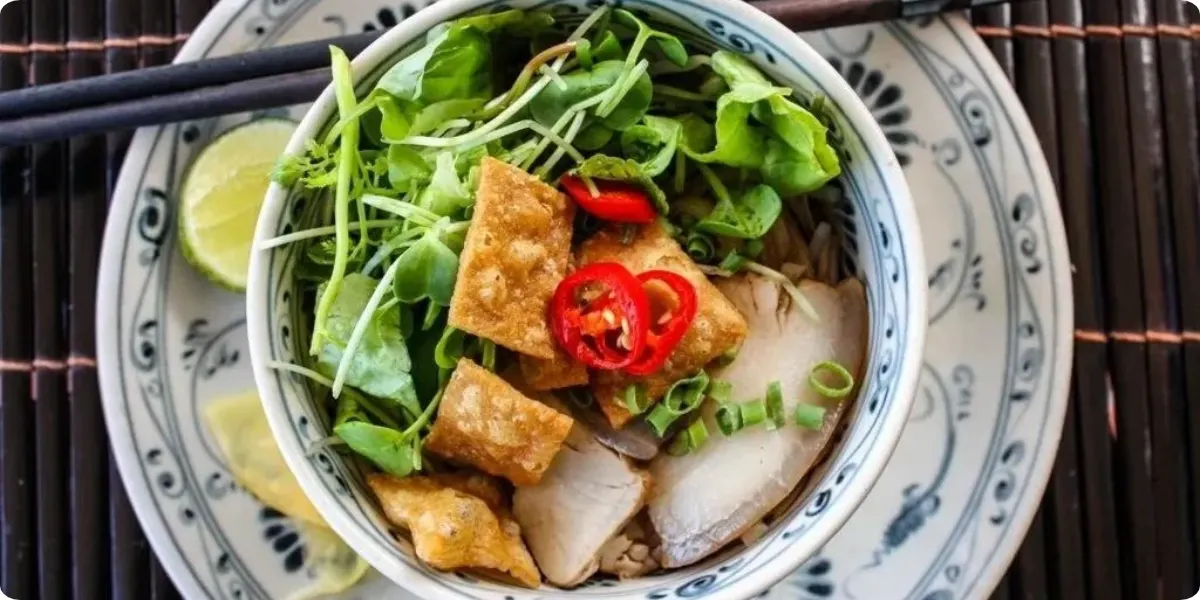
Hoi An’s food is regional and specific, with several dishes that are strongly associated with the town. For more food ideas across destinations, browse the TripGuiderz food section.
1. Cao Lau Noodles
Cao lau is the signature dish: thick, chewy noodles with slices of pork, fresh greens, crisp croutons and a small amount of dark broth. Locals often say its texture depends on the water used to make the noodles, and it is rarely replicated well outside Hoi An.
2. Hoi An Chicken Rice
Hoi An chicken rice, known as com ga, is rice cooked in chicken stock and topped with shredded chicken, herbs, onions and a bright dipping sauce. It is simple, filling and a staple lunch.
3. White Rose Dumplings
White rose dumplings, or banh bao banh vac, are delicate shrimp dumplings in translucent rice dough, shaped like small flowers. They are a Hoi An speciality and best eaten fresh with chilli sauce and fried shallots.
4. Banh Mi in Hoi An
Banh mi sandwiches in Hoi An are a popular stop because of the fresh baguettes, pate, pork, herbs, pickles and chilli sauce. Several famous stalls have long queues, so go off-peak or try a smaller shop with equally good bread.
5. Mi Quang Noodles
Mi quang is a turmeric-tinted noodle dish from the region, served with a little broth, herbs, peanuts and rice crackers, often with pork, shrimp or chicken. It is lighter than a noodle soup and works well as a lunch.
6. Best Places to Try Local Food
Start at the Central Market for cheap, quick and authentic dishes, then try family-run restaurants and street stalls just off the main tourist streets, where quality is often better and prices lower. Look for places crowded with local diners, and check hygiene as you would anywhere: freshly cooked food and busy turnover are good signs.
7. Vegetarian and Vegan Food Options
Hoi An is easier for vegetarians than many Vietnamese towns. Many restaurants offer dedicated vegetarian menus, and cooking classes often cater to plant-based diets. Ask for no fish sauce (khong nuoc mam) and confirm broths, since stock can be meat-based even in dishes that look vegetarian.
How to Get Around Hoi An
Hoi An is easy to get around, especially in the Old Town, where walking and cycling are the main options.
1. Walking Around the Ancient Town
The Ancient Town is compact and best explored on foot. Vehicle restrictions apply in parts of the Old Town at certain hours, so check local signage. Wear comfortable shoes, since the lanes can be uneven and wet after rain.
2. Renting a Bicycle
Bicycles are the best way to reach the beach, rice fields and Cam Thanh. Many hotels lend them free or rent them for a small fee. Use lights at night, lock the bike when parked and avoid the busiest roads at rush hour.
3. Getting Around by Taxi or Ride-Hailing App
Taxis and ride-hailing apps work well for longer trips and bad weather. Use the app or a metered taxi to avoid price disputes, and confirm the fare before travelling with an unmetered driver.
4. Traveling Between Hoi An and Da Nang
Taxis, Grab, private cars, tour shuttles and buses all connect the two. Private cars and apps are the fastest, while local buses are cheaper but slower. Allow extra time during rush hour and on weekends.
5. Visiting Nearby Beaches and Villages
An Bang, Cam Thanh and Tra Que can all be reached by bicycle, scooter or short taxi. Scooters are widely rented, but only ride if you hold the correct licence and insurance for Vietnam and feel confident in local traffic.
Best Day Trips From Hoi An Vietnam
Hoi An is a convenient base for day trips because the best regional sights sit within about an hour or two.
1. Marble Mountains
The Marble Mountains are five limestone-and-marble hills near Da Nang with caves, pagodas and viewpoints. They are about 20 to 30 minutes from Hoi An by road and work as a half-day stop.
2. Da Nang City
Da Nang offers wide beaches, riverside walks, the Dragon Bridge and the Museum of Cham Sculpture. It is easy to visit for a day and makes a good contrast to Hoi An’s slower pace.
3. My Son Sanctuary
My Son Sanctuary is a UNESCO-listed complex of Cham temple ruins in a forested valley, inland from Hoi An. Go early to beat heat and tour groups, and allow around half a day including the transfer.
4. Cham Islands
The Cham Islands are a small group of islands offshore from Hoi An, known for clear water, snorkelling, seafood and a quiet local feel. Boat trips run mainly in the calmer dry season, and sea conditions can cancel departures.
5. Hai Van Pass
The Hai Van Pass is a dramatic coastal mountain road between Da Nang and Hue, popular for scenic drives and motorbike tours. Take a tour or a driver unless you are very experienced, and check weather for visibility.
6. Ba Na Hills and the Golden Bridge
Ba Na Hills is a mountain resort near Da Nang famous for the Golden Bridge, held aloft by giant stone hands. It is crowded and heavily commercial, but the views and cooler temperatures draw many visitors. Arrive early to avoid queues.
Hoi An Vietnam Travel Costs
Hoi An remains affordable by international standards, especially for food, local transport and mid-range stays. Prices below are indicative and vary by season, so confirm current rates before booking. To work out your own figures, use the TripGuiderz trip cost calculator.
1. Average Daily Budget for Travelers
A budget traveller can manage on a modest daily amount using hostels, local food and bicycles, while mid-range travellers spend noticeably more on hotel comfort, tours and restaurants. Luxury travel in resorts and private tours costs considerably more. For a current breakdown, see Vietnam Tourism’s Hoi An daily budget guide.
2. Accommodation Costs
Beds in hostels and simple guesthouses are inexpensive, mid-range hotels with pools sit in the middle and beach resorts or boutique villas are the most expensive. Prices peak during dry-season holidays and around major festival nights.
3. Food and Drink Prices
Local dishes at markets and street stalls are very cheap, restaurant meals in the Old Town cost more and beach clubs and fine dining are the top end. Coffee, fresh juice and local beer are inexpensive, while imported drinks are pricier.
4. Entrance Tickets and Activities
The Old Town ticket is a small fixed fee, while activities such as cooking classes, boat rides, bike tours, lantern workshops and day trips each carry their own price. My Son and island trips cost more because transport and guides are included.
5. Money-Saving Tips for Hoi An
Eat where locals eat, travel in the shoulder months, stay slightly outside the Old Town, rent bicycles instead of taxis, compare tour prices across agents and agree prices before boarding boats or buying tailored clothing.
Essential Hoi An Vietnam Travel Tips
A few practical steps make a Hoi An trip smoother. For general planning tools, see the TripGuiderz travel planning hub.
1. Old Town Entrance Tickets and Access Rules
Visitors to the heritage sites need an entrance ticket, and the official heritage announcement says it is valid for the length of your stay, up to three days. The same official visiting announcement lists current prices and what each ticket includes, which can change, so check at the ticket booth. Keep your stub with you as staff check it at monuments.
2. What to Wear When Visiting Temples
Cover shoulders and knees at temples and assembly halls, carry a light scarf or shawl, and remove shoes if requested. Speak quietly and ask before photographing people or altars.
3. Cash, Cards, and Vietnamese Dong
The Vietnamese dong is the local currency. Cards are accepted at hotels and many restaurants, but cash remains essential for markets, street food, bicycle rental and small shops. ATMs are common in town, though withdrawal limits and fees vary. You can convert amounts with the TripGuiderz currency converter.
4. Staying Safe Around Traffic and Waterways
Traffic is mostly calm in the pedestrian lanes but heavier on the roads to the beach and airport. Cross steadily, avoid sudden stops and be careful near the riverbank in wet weather, as stone steps can be slippery.
5. Avoiding Tourist Scams
Typical annoyances include unmetered taxis, inflated prices for boats and souvenirs and persuasive street vendors. Agree prices first, use apps or metered cabs, and be polite but firm if you are not interested.
6. What to Pack for Hoi An
Pack lightweight breathable clothing, a rain jacket or poncho, sturdy sandals, sunscreen, a hat, insect repellent, a small power bank and a dry bag in rainy months. Bring a light layer for winter evenings.
7. Accessibility and Traveling With Children
The Old Town is flat but uneven, with cobbles, steps and narrow doorways that can challenge wheelchairs and strollers. Many hotels and restaurants are accessible, but check ahead. Children usually enjoy bicycle rides, boat trips, lantern workshops and the beach, though evening crowds can be tiring.
Is Hoi An Vietnam Safe for Tourists?
Yes, Hoi An is generally considered a safe destination for tourists, with petty theft, traffic and weather being the main concerns. Use normal city precautions, keep valuables out of sight and follow local advice during storms.
1. Common Safety Concerns
Pickpocketing and bag-snatching can occur in crowds or from passing motorbikes, so carry a cross-body bag and keep phones secure. Be cautious with strangers offering unsolicited tours or exchange rates.
2. Staying Safe at Night
The Old Town is lively and well-lit in the evening, but quieter lanes and riverbanks can be dark. Walk in groups where possible, use licensed transport after late nights and avoid leaving drinks unattended.
3. Road Safety and Bicycle Precautions
Wear a helmet on scooters, use lights on bikes after dark, ride single-file and avoid busy roads at rush hour. Only rent a scooter if you are confident and properly licensed and insured.
4. Weather, Heavy Rain, and Flood Risks
Follow forecasts from October onwards, avoid flooded streets, keep documents in waterproof covers and stay flexible with tours and transport. Beaches can have strong currents during storms, so respect warning flags.
Frequently Asked Questions About Hoi An Vietnam
Is Hoi An Vietnam worth visiting?
Yes. Hoi An Vietnam is worth visiting for its preserved Old Town, lantern-lit evenings, regional food, tailors and easy access to beaches and countryside. It suits couples, families, food lovers and slow travellers, though it can be crowded in the evening and affected by flooding in October and November.
What is Hoi An Vietnam famous for?
Hoi An is famous for its UNESCO-listed Ancient Town, silk lanterns, the Japanese Covered Bridge, tailor-made clothing and dishes such as cao lau and white rose dumplings. The mix of Vietnamese, Chinese and Japanese architecture and the riverside setting also make it one of Vietnam’s most photographed towns.
What is the best month to visit Hoi An?
The best months to visit Hoi An are generally February to April, when temperatures are comfortable and rain is limited. May to August is hot but good for beaches, while October and November are the wettest and carry the highest flood risk.
How many days should I spend in Hoi An?
Two to three days is ideal for most travellers. One day covers the Old Town highlights, two days adds food, a cooking class or a day trip, and three days allows for countryside cycling, beach time and slower exploration. Longer stays suit remote workers and slow travellers.
Is Hoi An or Da Nang better for tourists?
Hoi An is better for heritage, food and atmosphere, while Da Nang is better for wide beaches, modern hotels and big attractions. Many tourists stay in one and visit the other, since they are only about 30 kilometres apart.
Can you visit Hoi An from Da Nang in one day?
Yes. The drive takes about 40 to 60 minutes, so a day trip works well. Spend the morning in the Ancient Town, eat lunch locally, take an afternoon break, and stay for the lantern-lit evening before returning by taxi or Grab.
Is Hoi An Vietnam expensive?
Hoi An is moderately priced by international standards. Food, local transport and mid-range hotels are affordable, though tourist-area restaurants, resorts, tailors and day tours cost more. Costs rise during dry-season holidays and festival nights.
Do you need to pay to enter Hoi An Ancient Town?
You can walk the streets without paying, but a ticket is needed to enter the heritage monuments and some attractions, and the official announcement says it is valid for up to three days. Check the current price and inclusions at a ticket booth.
When is the Hoi An Lantern Festival held?
The Hoi An Lantern Festival takes place on the 14th day of every lunar month, the night before the full moon. Electric lights are dimmed and lanterns fill the Old Town. The largest celebration usually follows the Lunar New Year, so confirm dates locally.
Can you swim at the beaches near Hoi An?
Yes, mainly in the calmer dry season. An Bang and nearby beaches are popular for swimming, but currents can be strong and conditions change quickly during storms. Follow warning flags, swim near lifeguards where available and avoid the water in rough weather.
Final Thoughts on Visiting Hoi An Vietnam
Hoi An Vietnam combines a UNESCO-listed Old Town, lantern-lit evenings, river scenery, memorable food and quick access to beaches, villages and ancient ruins. Its biggest highlights include the Japanese Covered Bridge, the heritage houses and assembly halls, cooking classes, tailors and the monthly lantern nights.
Two to three days is the ideal length for most visitors, with extra time for day trips to My Son, Da Nang or the Cham Islands. Plan around the seasons: choose February to April for the most comfortable weather, expect heat in summer and allow flexibility in October and November. For more guidance as you plan the rest of your route, explore the TripGuiderz travel guides and build the trip around the activities you enjoy most.

Arman Ashraf is a content writer focused on travel and tourism. He creates practical, well-researched travel guides, destination articles, and travel tips designed to help readers plan trips with greater confidence. His work combines clear, engaging writing with SEO best practices, covering destinations, things to do, travel planning, and useful advice for travelers. Arman is committed to producing helpful content that makes discovering and planning travel easier.