
If you are planning a trip to Turkey, one of the first questions you may have is Istanbul safe? For most visitors, Istanbul can be navigated with normal travel precautions, but like any large international city, it has situations where travelers need to pay closer attention. Pickpocketing, street robbery, tourist scams, traffic, crowded public transportation, demonstrations, and earthquake risk are among the issues worth understanding before you arrive. For current official guidance, check the UK Foreign Office travel advice for Turkey.
Istanbul is also a very busy tourism destination. The Istanbul Provincial Directorate of Culture and Tourism recorded 18,972,699 foreign visitors entering Istanbul in 2025, compared with 18,582,322 in 2024. That makes practical knowledge about getting around, protecting your belongings, choosing accommodation, and responding to unexpected situations particularly useful.
The goal is not to travel nervously. It is to know what can happen, recognize common problems early, and make sensible decisions while enjoying the city.
Is Istanbul Safe for Tourists?
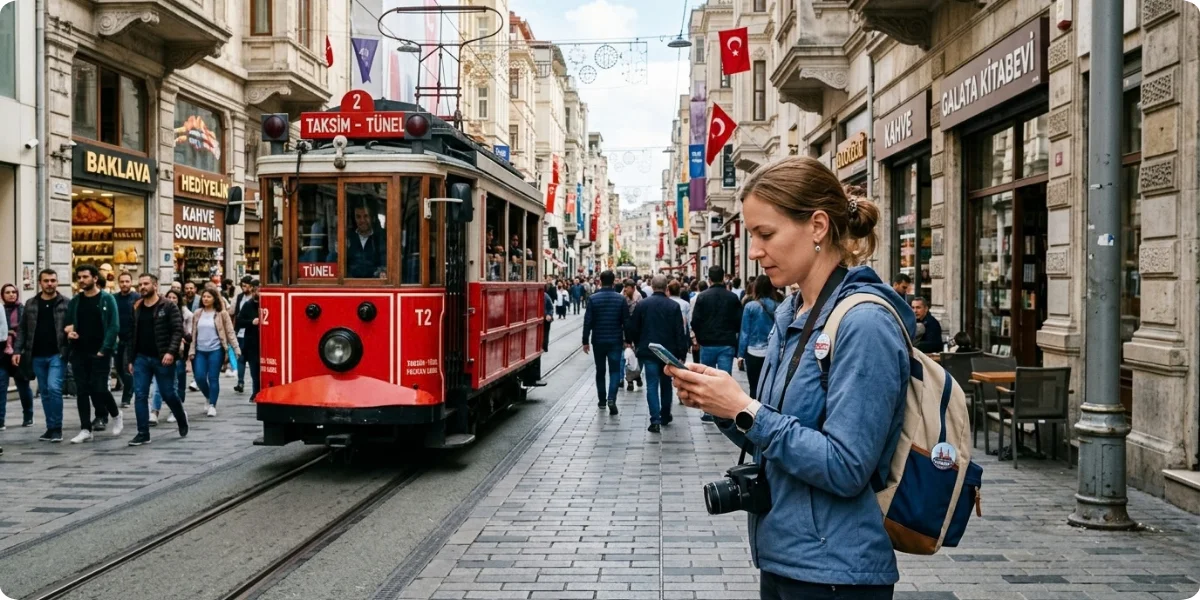
Yes, Istanbul is a major international tourist destination, but visitors should take normal precautions and stay aware of their surroundings.
The biggest everyday concerns for tourists are generally not complicated. They include keeping valuables secure in crowded places, being careful with unsolicited offers, using transportation sensibly, checking prices before accepting services, and avoiding demonstrations.
The UK’s current travel advice specifically warns that street robbery and pickpocketing are common in major tourist areas of Istanbul. It also advises travelers to avoid demonstrations because protests can become violent and may disrupt local transportation.
That does not mean travelers should avoid Istanbul. Instead, it means you should treat the city as a large, busy metropolis where ordinary urban travel awareness matters.
Istanbul receives millions of international visitors every year, and the city’s major attractions, transport systems, restaurants, hotels, and commercial districts operate around a large tourist population.
1. Is Istanbul Safe for First-Time Visitors?
First-time visitors can usually manage Istanbul without major difficulty if they plan their routes and accommodation.
The city can feel confusing at first because it stretches across both Europe and Asia and contains many different neighborhoods. Busy streets, steep roads, ferries, trams, metro lines, and large crowds can make navigation more demanding than in a small tourist town.
Before leaving your hotel, know:
- Your destination and the nearest transport stop
- How you will return to your accommodation
- Your hotel’s address
- Which transportation option you plan to use
- Where your important documents are stored
- How to contact your accommodation if you need help
A little preparation can remove many unnecessary problems.
2. Is Istanbul Safe to Visit Alone?
Solo travelers should use the same basic precautions they would use in other major cities.
Keep your phone and wallet secure, avoid unnecessary late-night wandering in unfamiliar areas, and be cautious when strangers approach with unsolicited invitations or offers.
Solo travelers also benefit from sharing their accommodation details and general itinerary with someone they trust.
3. Is Istanbul Safe for Families?
Istanbul can be visited by families, but parents need to pay particular attention in crowded areas.
Busy tram platforms, markets, pedestrian streets, ferry terminals, and major attractions can become difficult places to keep track of children. Metro Istanbul itself advises passengers to hold small children’s hands on escalators and walkways and not allow young children to wander around stations alone.
For families, the biggest practical issue is often crowd management rather than sightseeing itself.
4. Is Istanbul Safe at Night?
Istanbul has active restaurants, cafés, shopping streets, waterfront areas, and nightlife districts after dark. However, nighttime travel requires more awareness than daytime sightseeing.
Stay on active streets, use reliable transportation, and avoid accepting unsolicited invitations from strangers.
If you are unfamiliar with the city, there is little reason to take unnecessary shortcuts through quiet or isolated streets late at night.
Where Does Türkiye Rank in Global Safety and Peace Indexes?
Beyond day-to-day travel tips, it helps to see where Türkiye sits in global peace rankings. The Global Peace Index, compiled by the Institute for Economics and Peace, scores 163 countries on factors such as internal conflict, militarization, and political stability. In the 2026 edition, Iceland tops the list, with New Zealand second and Switzerland third, while Türkiye sits at 136th, having moved up eight places. Türkiye was among the countries with the largest improvements, a change linked to the peace process between the Turkish government and the PKK.
Keep in mind that this index measures a whole country’s stability, not what a visitor experiences on a Sultanahmet tram or a Taksim side street. Pickpocketing, scams, and crowded transport are still the practical issues for travelers, so treat the ranking as background context rather than a verdict on Istanbul itself.
| Rank | Country | Peace level | Score | Change |
|---|---|---|---|---|
| 1 | Iceland | Very high | 1.161 | – |
| 2 | New Zealand | Very high | 1.343 | ▲ 1 |
| 3 | Switzerland | Very high | 1.363 | ▼ 1 |
| 4 | Slovenia | Very high | 1.369 | ▲ 2 |
| 5 | Ireland | Very high | 1.371 | ▼ 1 |
| 6 | Austria | Very high | 1.421 | ▼ 1 |
| 7 | Portugal | Very high | 1.427 | ▲ 1 |
| 8 | Singapore | Very high | 1.435 | ▼ 1 |
| 9 | Finland | High | 1.478 | ▲ 1 |
| 10 | Japan | High | 1.489 | ▲ 3 |
| 11 | Denmark | High | 1.504 | ▼ 2 |
| 12 | Malaysia | High | 1.513 | ▼ 1 |
| 13 | Czechia | High | 1.517 | ▼ 1 |
| 14 | Canada | High | 1.525 | ▲ 1 |
| 15 | Hungary | High | 1.538 | ▼ 1 |
| 16 | Bhutan | High | 1.546 | ▲ 2 |
| 17 | Netherlands | High | 1.566 | – |
| 18 | Mauritius | High | 1.586 | ▲ 11 |
| 19 | Latvia | High | 1.589 | – |
| 20 | Australia | High | 1.602 | ▲ 4 |
| 21 | Belgium | High | 1.608 | ▼ 5 |
| 22 | Poland | High | 1.615 | ▲ 23 |
| 23 | Croatia | High | 1.619 | ▲ 2 |
| 24 | Lithuania | High | 1.620 | ▲ 3 |
| 25 | Estonia | High | 1.623 | ▼ 5 |
| 26 | Bulgaria | High | 1.628 | ▼ 4 |
| 27 | Spain | High | 1.654 | ▲ 4 |
| 28 | Germany | High | 1.657 | ▼ 5 |
| 29 | Slovakia | High | 1.661 | ▼ 3 |
| 30 | Montenegro | High | 1.672 | ▼ 2 |
| 31 | Qatar | High | 1.676 | ▼ 10 |
| 32 | Timor-Leste | High | 1.681 | ▼ 2 |
| 33 | Norway | High | 1.688 | – |
| 34 | Mongolia | High | 1.692 | ▲ 4 |
| 35 | Italy | High | 1.712 | – |
| 36 | Albania | High | 1.725 | ▲ 7 |
| 37 | Uzbekistan | High | 1.726 | ▲ 10 |
| 38 | Equatorial Guinea | High | 1.729 | ▲ 20 |
| 39 | United Kingdom | High | 1.730 | ▼ 7 |
| 40 | Sweden | High | 1.732 | ▼ 1 |
| 41 | Vietnam | High | 1.738 | ▼ 1 |
| 42 | Taiwan | High | 1.751 | ▼ 5 |
| 43 | Uruguay | High | 1.754 | ▼ 1 |
| 44 | Kazakhstan | High | 1.771 | ▲ 5 |
| 45 | Romania | High | 1.788 | ▼ 1 |
| 46 | North Macedonia | High | 1.792 | ▲ 3 |
| 47 | Tajikistan | High | 1.799 | ▼ 6 |
| 48 | Bosnia and Herzegovina | High | 1.810 | ▲ 9 |
| 49 | Kuwait | High | 1.813 | ▼ 13 |
| 50 | Botswana | High | 1.823 | ▼ 4 |
| 51 | Armenia | High | 1.825 | ▲ 21 |
| 52 | Chile | High | 1.826 | ▲ 8 |
| 53 | Greece | High | 1.828 | ▲ 2 |
| 54 | Kosovo | High | 1.830 | – |
| 55 | Moldova | High | 1.836 | ▲ 1 |
| 56 | The Gambia | High | 1.837 | ▲ 5 |
| 57 | South Korea | High | 1.839 | ▼ 6 |
| 58 | Laos | High | 1.846 | – |
| 59 | Madagascar | High | 1.849 | ▲ 4 |
| 60 | Oman | High | 1.850 | ▼ 26 |
| 61 | Kyrgyz Republic | High | 1.853 | ▲ 8 |
| 62 | Costa Rica | High | 1.860 | ▼ 14 |
| 63 | Namibia | High | 1.872 | ▼ 1 |
| 64 | Paraguay | High | 1.882 | ▲ 5 |
| 65 | Morocco | High | 1.887 | ▲ 3 |
| 66 | Turkmenistan | Medium | 1.903 | ▼ 2 |
| 67 | Sri Lanka | Medium | 1.910 | ▲ 14 |
| 68 | Jordan | Medium | 1.913 | ▲ 9 |
| 69 | Indonesia | Medium | 1.918 | ▼ 3 |
| 69 | Jamaica | Medium | 1.919 | ▼ 1 |
| 69 | Serbia | Medium | 1.919 | ▲ 5 |
| 72 | Argentina | Medium | 1.922 | ▼ 20 |
| 73 | United Arab Emirates | Medium | 1.927 | – |
| 74 | Sierra Leone | Medium | 1.937 | ▲ 9 |
| 75 | Senegal | Medium | 1.939 | ▲ 12 |
| 76 | Ghana | Medium | 1.943 | ▼ 2 |
| 77 | Tunisia | Medium | 1.947 | ▲ 19 |
| 78 | Angola | Medium | 1.955 | ▲ 11 |
| 79 | Trinidad and Tobago | Medium | 1.959 | ▼ 12 |
| 80 | Cyprus | Medium | 1.967 | ▼ 9 |
| 81 | Panama | Medium | 1.976 | ▼ 6 |
| 82 | Zambia | Medium | 1.992 | ▼ 2 |
| 83 | Malawi | Medium | 1.994 | ▼ 18 |
| 84 | Papua New Guinea | Medium | 2.002 | ▲ 17 |
| 85 | Guinea-Bissau | Medium | 2.012 | ▲ 7 |
| 86 | Lesotho | Medium | 2.016 | ▲ 27 |
| 87 | Liberia | Medium | 2.024 | ▲ 17 |
| 88 | Guatemala | Medium | 2.025 | ▼ 6 |
| 89 | Dominican Republic | Medium | 2.038 | ▼ 10 |
| 90 | Zimbabwe | Medium | 2.051 | ▲ 10 |
| 91 | Algeria | Medium | 2.053 | ▼ 5 |
| 92 | Bolivia | Medium | 2.054 | ▼ 2 |
| 93 | Côte d’Ivoire | Medium | 2.061 | ▼ 9 |
| 94 | Georgia | Medium | 2.066 | ▲ 1 |
| 95 | Saudi Arabia | Medium | 2.067 | ▼ 2 |
| 96 | Cambodia | Medium | 2.075 | ▼ 8 |
| 97 | Honduras | Medium | 2.075 | ▲ 13 |
| 98 | Tanzania | Medium | 2.080 | ▼ 20 |
| 99 | France | Medium | 2.083 | ▲ 3 |
| 100 | Gabon | Medium | 2.086 | ▲ 17 |
| 101 | Thailand | Medium | 2.089 | ▼ 7 |
| 102 | Philippines | Medium | 2.092 | ▼ 3 |
| 103 | Guyana | Medium | 2.093 | ▼ 12 |
| 104 | Eswatini | Medium | 2.095 | ▲ 6 |
| 105 | Djibouti | Medium | 2.098 | ▲ 6 |
| 106 | Nicaragua | Medium | 2.107 | ▼ 9 |
| 107 | Peru | Medium | 2.120 | ▼ 1 |
| 108 | Bahrain | Medium | 2.131 | – |
| 109 | Cuba | Medium | 2.139 | ▼ 11 |
| 110 | Azerbaijan | Medium | 2.142 | ▼ 8 |
| 111 | Nepal | Medium | 2.143 | ▼ 26 |
| 112 | Mauritania | Medium | 2.184 | ▲ 2 |
| 113 | Egypt | Medium | 2.186 | ▲ 2 |
| 114 | Rwanda | Medium | 2.200 | ▼ 2 |
| 115 | Belarus | Medium | 2.216 | ▲ 1 |
| 116 | Guinea | Medium | 2.220 | ▲ 2 |
| 117 | Bangladesh | Medium | 2.226 | ▲ 3 |
| 118 | China | Medium | 2.231 | ▼ 11 |
| 119 | Togo | Medium | 2.251 | ▲ 7 |
| 120 | Republic of the Congo | Medium | 2.256 | ▼ 15 |
| 121 | El Salvador | Medium | 2.264 | ▲ 1 |
| 122 | Benin | Medium | 2.293 | ▼ 1 |
| 123 | South Africa | Medium | 2.308 | ▼ 4 |
| 124 | Brazil | Medium | 2.333 | ▲ 1 |
| 125 | Libya | Medium | 2.361 | ▲ 3 |
| 126 | Mozambique | Medium | 2.383 | ▲ 1 |
| 127 | India | Low | 2.409 | ▼ 3 |
| 128 | Eritrea | Low | 2.412 | ▲ 3 |
| 129 | Burundi | Low | 2.417 | ▲ 6 |
| 130 | Uganda | Low | 2.420 | ▼ 7 |
| 131 | Lebanon | Low | 2.435 | ▲ 3 |
| 132 | Kenya | Low | 2.447 | ▲ 1 |
| 133 | Venezuela | Low | 2.516 | ▼ 4 |
| 134 | United States of America | Low | 2.535 | ▼ 4 |
| 135 | Ecuador | Low | 2.539 | ▼ 3 |
| 136 | Türkiye ★ | Low | 2.605 | ▲ 8 |
| 137 | Cameroon | Low | 2.634 | ▲ 5 |
| 138 | Ethiopia | Low | 2.648 | ▲ 1 |
| 139 | Mexico | Low | 2.650 | ▲ 4 |
| 140 | Iraq | Low | 2.662 | – |
| 141 | Colombia | Low | 2.735 | ▼ 4 |
| 141 | Haiti | Low | 2.755 | ▼ 1 |
| 141 | Nigeria | Low | 2.755 | ▲ 6 |
| 144 | Iran | Low | 2.759 | ▼ 6 |
| 145 | Chad | Low | 2.769 | ▼ 9 |
| 146 | Niger | Low | 2.832 | ▼ 1 |
| 147 | North Korea | Low | 2.845 | – |
| 148 | Palestine | Low | 2.877 | ▲ 2 |
| 149 | Burkina Faso | Low | 2.882 | ▲ 3 |
| 150 | Central African Republic | Very low | 2.906 | ▲ 1 |
| 151 | Myanmar | Very low | 2.911 | ▲ 2 |
| 152 | Pakistan | Very low | 2.919 | ▼ 6 |
| 153 | Somalia | Very low | 2.973 | ▼ 4 |
| 154 | Mali | Very low | 2.996 | – |
| 155 | Syria | Very low | 3.067 | – |
| 156 | Yemen | Very low | 3.081 | ▲ 2 |
| 157 | Afghanistan | Very low | 3.106 | – |
| 158 | South Sudan | Very low | 3.116 | ▼ 2 |
| 159 | Israel | Very low | 3.124 | ▲ 1 |
| 160 | Ukraine | Very low | 3.184 | ▲ 2 |
| 161 | Democratic Republic of the Congo | Very low | 3.189 | – |
| 162 | Sudan | Very low | 3.195 | ▼ 3 |
| 163 | Russia | Very low | 3.367 | – |
Source: Institute for Economics & Peace, Global Peace Index 2026. Lower scores mean more peaceful. Change shows places that moved since the previous year.
What Are the Most Common Safety Concerns in Istanbul?
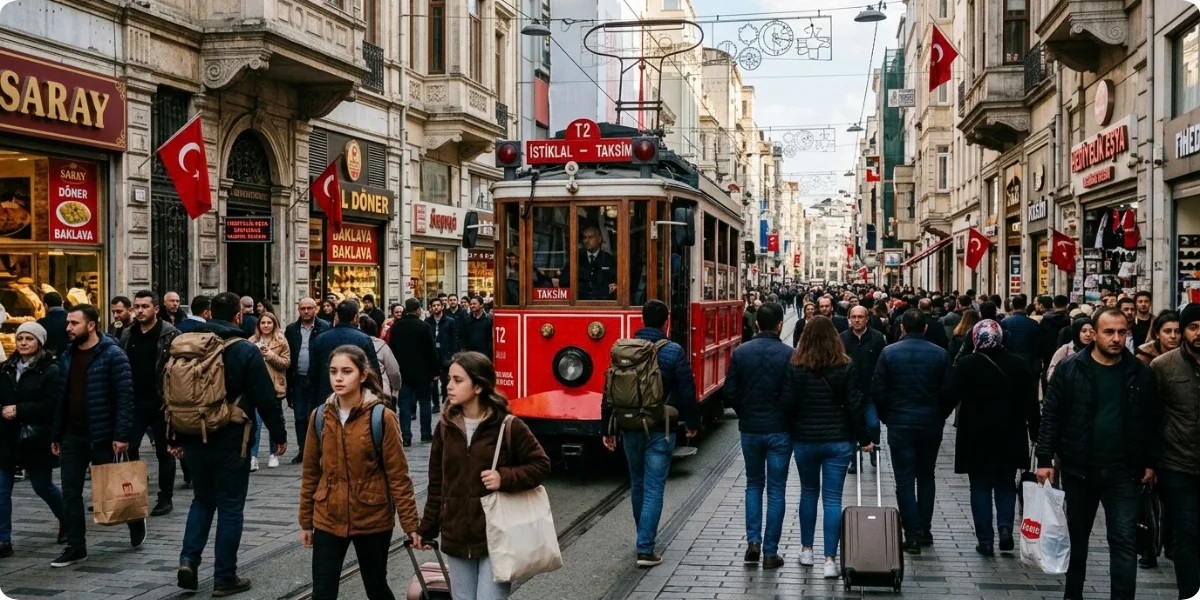
Understanding the most common problems is more useful than simply asking whether an entire city is “safe.”
1. Pickpocketing and Bag Theft
Crowded tourist areas are the places where travelers should pay the most attention to their belongings.
Keep your wallet in a secure pocket, keep your bag closed, and avoid placing your phone on the edge of a café table near a busy walkway.
Extra attention is useful around:
- Crowded public transportation
- Busy markets
- Tourist attractions
- Major pedestrian streets
- Transport stations
- Large public gatherings
Metro Istanbul also specifically advises passengers to take care of their personal belongings and bags while traveling.
A simple habit helps: keep important items where you can feel them rather than in an easily accessible outer pocket.
Tourist Scams
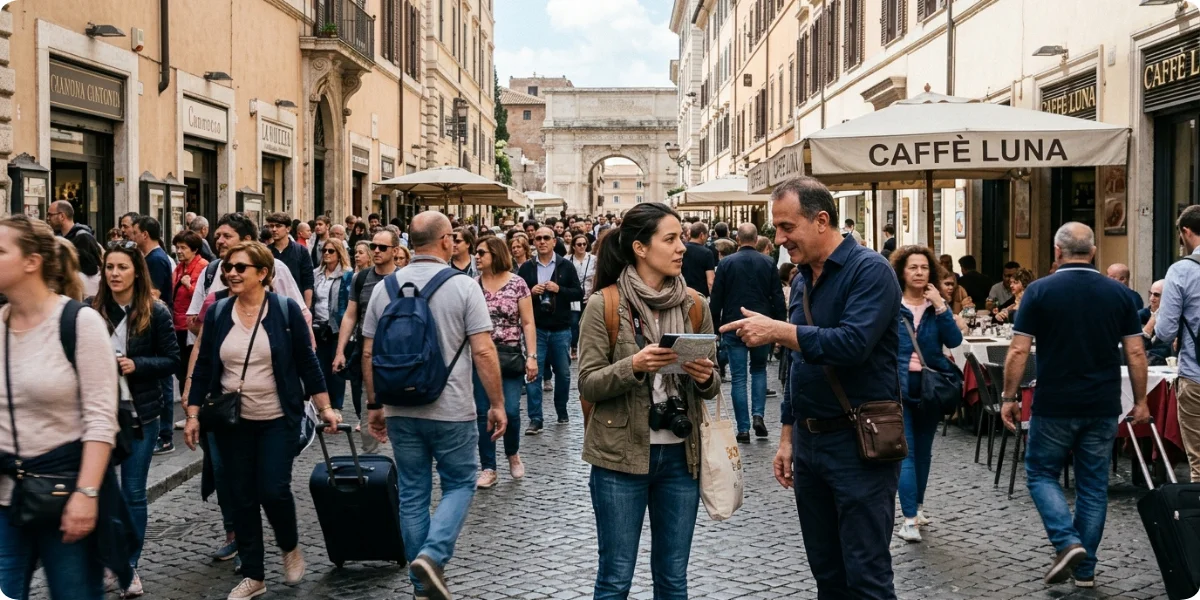
Tourist scams can take different forms, and travelers should be cautious when an unfamiliar person approaches with an unsolicited offer.
Potential warning signs include:
- Someone insisting on taking you somewhere
- An unclear price for a service
- An unexpected extra charge
- A stranger inviting you to a bar or club
- Pressure to buy something immediately
- Someone offering an unusually attractive deal
You do not have to be rude. A simple “No, thank you” and continuing on your way is often enough.
Taxi and Transportation Issues
Transportation is an important part of any Istanbul trip.
Before taking a taxi, know your destination and, where possible, use reputable booking or transportation services. Keep the destination visible on your phone so you can confirm where you are going.
Avoid getting into a vehicle simply because someone approaches you and offers a ride.
For public transportation, Istanbul’s metro and rail systems have formal passenger-security measures. Metro Istanbul says its stations have uniformed security personnel, patrols, cameras, and other physical security measures.
That does not remove the need for personal awareness, particularly in crowded areas.
Unwanted Attention and Street Harassment
Travelers may occasionally experience unwanted attention, particularly in busy tourist or nightlife areas.
If someone makes you uncomfortable, you do not need to continue the conversation. Move toward a busier location, enter a reputable business, contact your accommodation, or seek help from authorities if necessary.
Traveling with someone else at night can also make navigation easier if you are unfamiliar with the area.
Crowds and Tourist Areas
Large crowds create two practical problems: keeping track of your belongings and maintaining awareness of where you are going.
Do not become so focused on taking photographs or checking a map that you stop paying attention to your surroundings.
If you need to check directions, step to the side of a busy walkway rather than stopping in the middle of a crowd.
Which Areas of Istanbul Are Safe for Tourists?
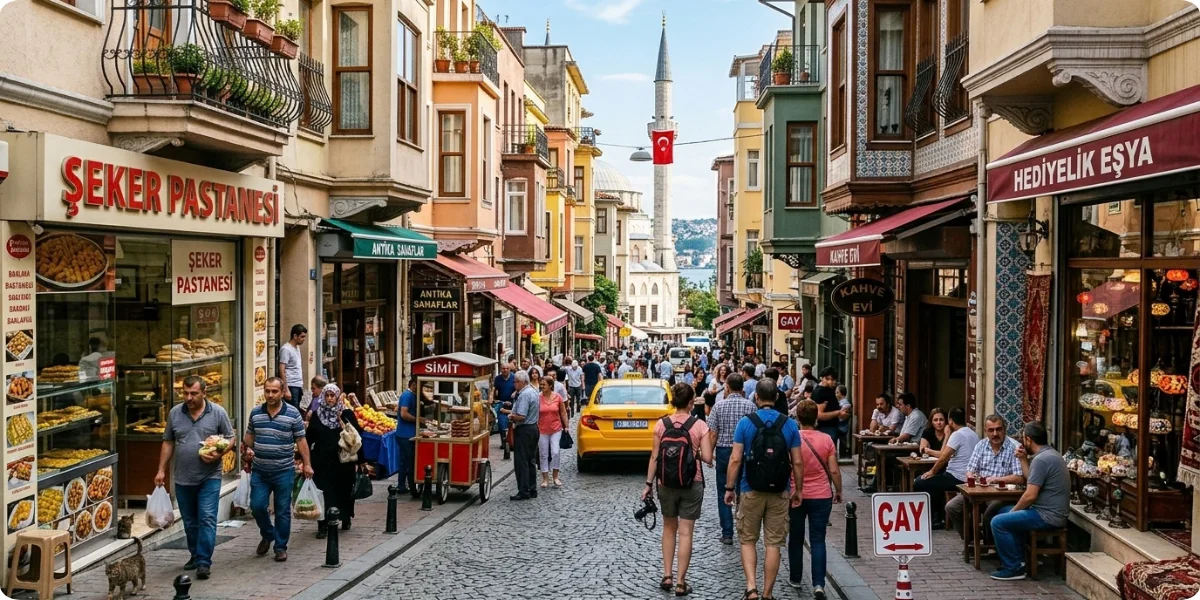
It is better to think about Istanbul neighborhoods in terms of location, activity, transportation, and the time of day rather than labeling entire districts as simply safe or unsafe.
1. Sultanahmet
Sultanahmet is one of Istanbul’s main sightseeing areas and is home to famous attractions such as Hagia Sophia, the Blue Mosque, and the Basilica Cistern.
Because it is heavily visited by tourists, travelers should expect crowds and commercial activity.
The main practical concern is keeping belongings secure around busy attractions and transportation areas.
2. Beyoğlu and Taksim
Beyoğlu and Taksim are central areas known for restaurants, shopping, entertainment, and nightlife.
The area can remain busy after dark, but visitors should still use normal nighttime precautions.
If you are drinking or staying out late, plan your return transportation before the evening becomes busy.
3. Kadıköy
Kadıköy is on Istanbul’s Asian side and has a strong local atmosphere, with restaurants, cafés, markets, and waterfront areas.
It is also connected to the European side by ferries and other public transportation.
Travelers staying here should simply familiarize themselves with the route back to their accommodation, particularly if returning late.
4. Beşiktaş
Beşiktaş is a busy central district with restaurants, cafés, shopping, waterfront areas, and transport connections.
Its active urban environment makes it convenient for many travelers, but the same basic precautions apply: secure your belongings and pay attention in crowded areas.
5. Galata and Karaköy
Galata and Karaköy combine historic streets, restaurants, cafés, shops, and modern nightlife.
Some streets can be steep, narrow, or crowded, so comfortable footwear and awareness of your surroundings are useful.
At night, stay on active routes and use reliable transportation when needed.
Areas Where Travelers Should Exercise More Caution
Rather than searching for a simple list of “dangerous neighborhoods,” research the exact location of your hotel or apartment.
Look at:
- The nearest public transport stop
- The surrounding streets
- How the area looks after dark
- Access to restaurants and shops
- How you will return from major attractions
- Recent official travel advice
A neighborhood can contain both busy commercial streets and quieter residential streets, so a broad label may not tell you much about the exact place you will visit.
Is Public Transportation Safe in Istanbul?
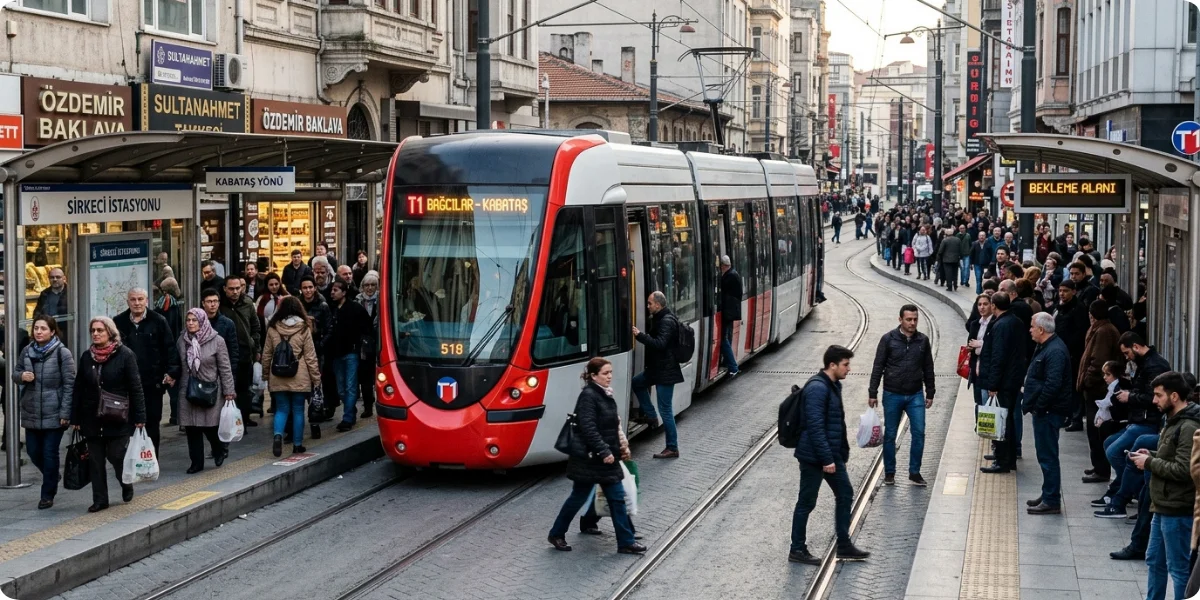
Public transportation is one of the most practical ways to explore Istanbul.
The city’s transport network includes metro lines, trams, buses, ferries, and other services.
Metro Istanbul states that passenger security includes station security staff, patrols, cameras, physical security systems, and coordination with police authorities.
That said, travelers should still protect their belongings.
1. Istanbul Metro
The metro can save considerable time when roads are congested.
Keep bags closed and avoid blocking doors. During busy periods, be particularly aware of your phone and wallet.
Metro Istanbul also requires passengers to follow station and vehicle safety rules, including staying away from restricted rail areas and holding onto handles while traveling.
2. Trams
Trams are especially useful for reaching major tourist areas.
They can become crowded, so keep backpacks and bags where you can see them.
When getting off, check that you have your phone, wallet, passport, and other important belongings before leaving.
3. Ferries
Istanbul’s ferries are both transportation and a popular way to see the city from the water.
Follow crew instructions and stay within passenger areas. Keep valuables secure while taking photographs.
4. Buses
Buses can be useful but may take longer because of traffic.
If you are unfamiliar with Istanbul, check your route before boarding and make sure you know where you need to get off.
5. Taxis
Taxis can be convenient, particularly when carrying luggage or traveling to accommodation that is not close to a rail station.
Confirm your destination before starting the trip and keep your phone available for navigation.
6. Airport Transfers
For airport journeys, arrange transportation in advance when possible.
Having your accommodation name and address saved on your phone can prevent communication problems, particularly if there is a language barrier.
Is Istanbul Safe for Solo Travelers?
Solo travel requires a little more planning because you do not have another person watching your belongings, checking directions, or helping if something goes wrong.
Before heading out, make sure your phone is charged and that you know how you will return to your accommodation.
1. Solo Female Travelers
Women traveling alone can use the same practical precautions recommended for solo travelers generally.
Useful habits include:
- Choose accommodation with convenient transport access.
- Avoid isolated streets late at night.
- Be cautious with unsolicited invitations.
- Keep your accommodation address available.
- Use reputable transportation.
- Tell someone you trust where you are staying.
- Trust your judgment if a situation feels uncomfortable.
Local culture also varies across Istanbul, so travelers should observe the environment around them and dress appropriately when visiting religious sites.
2. Solo Male Travelers
Male travelers should also be cautious around nightlife.
Alcohol can make it harder to notice warning signs, navigate unfamiliar streets, or protect personal belongings.
Avoid accepting drinks or invitations from strangers without understanding the situation, and make sure you have a reliable way to return to your accommodation.
3. Practical Solo Travel Rules
- Keep your passport secure.
- Carry only the cash you need.
- Keep your phone charged.
- Save your hotel’s address offline.
- Use reputable transportation.
- Avoid unnecessary arguments.
- Be cautious with unsolicited offers.
- Keep someone informed about your general plans.
Is Istanbul Safe at Night?
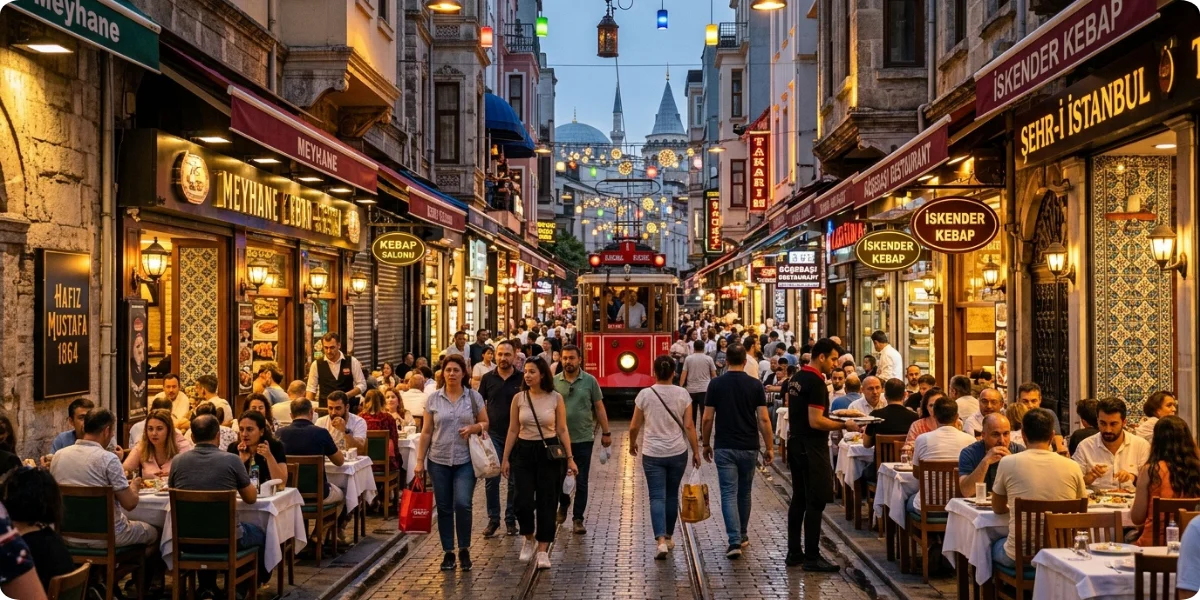
Nighttime safety depends heavily on where you are, how you are traveling, and what you are doing.
Busy areas can remain active late into the evening, but travelers should not assume that every street has the same environment after dark.
1. Safer Nighttime Travel Habits
A few simple habits make nighttime travel easier:
- Stay on active streets.
- Avoid unnecessary shortcuts through isolated areas.
- Keep your phone and wallet secure.
- Use reliable transportation.
- Avoid carrying large amounts of cash.
- Keep your accommodation address accessible.
- Stay aware if you are drinking.
The UK’s current travel guidance also advises travelers to avoid demonstrations, which can occur in Istanbul and may lead to disruptions or confrontation.
2. Istanbul Nightlife Safety
Nightlife can be enjoyable, but travelers should apply the same precautions they would use anywhere unfamiliar.
Know where you are going before leaving your accommodation, check prices when appropriate, and avoid accepting unsolicited invitations to bars or clubs.
If you have been drinking, arrange your return transportation rather than attempting to navigate unfamiliar areas on foot.
Is Istanbul Safe for Women?
Women visiting Istanbul should plan for the same practical travel issues as other visitors while remaining aware of local cultural expectations.
Dress codes are particularly important when entering mosques and other religious places. Carrying a scarf or wearing clothing that provides appropriate coverage can make visits to religious sites easier.
When traveling alone, avoid unnecessary late-night walks through unfamiliar areas and be cautious about people who approach you with unsolicited offers.
If someone makes you uncomfortable, move toward a busy public place and seek assistance if necessary.
Is Istanbul Safe for Families With Children?
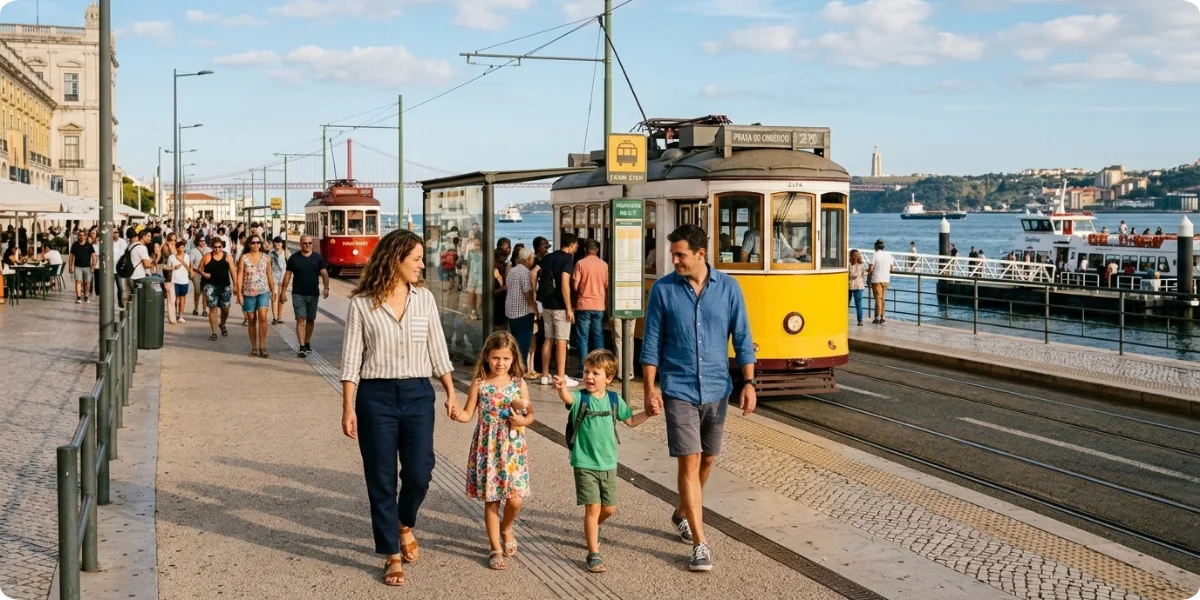
Istanbul can be an exciting destination for families, but the city requires parents to pay attention to traffic, crowds, stairs, and public transportation.
The busiest attractions can become difficult to navigate with young children.
When using the metro, parents should keep children close. Metro Istanbul specifically advises adults to hold small children’s hands on escalators and walkways and not allow young children to move around stations alone.
Family Safety Tips
- Choose accommodation near convenient transportation.
- Keep children close in crowded areas.
- Carry identification and emergency contact details.
- Establish a meeting point in case someone becomes separated.
- Keep snacks and water available.
- Avoid rushing across busy roads.
- Give children simple instructions about what to do if they become separated.
A simple family rule can help: if anyone gets separated, stay in the agreed meeting location rather than walking around looking for each other.
Is Istanbul Safe During Earthquakes?
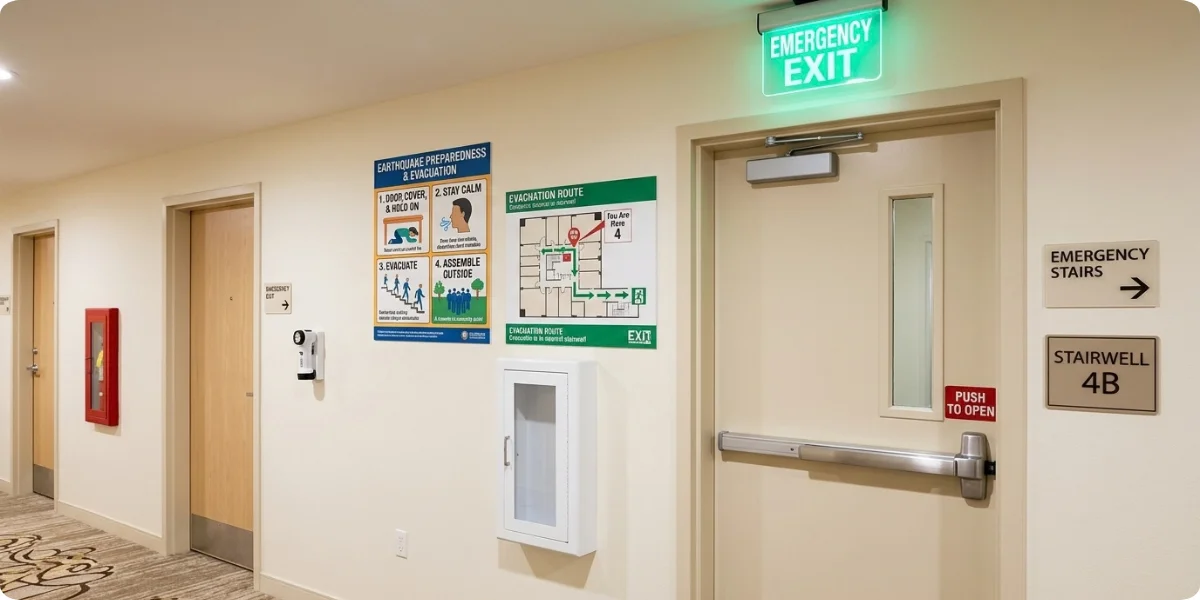
Earthquake preparedness is an important part of understanding Istanbul because the city has significant seismic risk.
The Istanbul AFAD directorate describes Istanbul as having a high earthquake risk because of its location near the North Anatolian Fault and has established programs focused on seismic risk reduction and emergency preparedness.
This does not mean a traveler should expect an earthquake during their visit. It means earthquake preparedness is a sensible part of planning for a city located in a seismically active region.
Before checking into a hotel, note:
- Emergency exits
- Stairways
- Hotel emergency instructions
- Your meeting point
- Where you should go if an evacuation is ordered
If an earthquake occurs, follow instructions from local authorities rather than relying on social media posts or unverified messages.
AFAD is Turkey’s official disaster and emergency management authority and publishes earthquake information and guidance.
Is Istanbul Safe for LGBTQ+ Travelers?
Travelers should research the current legal and social environment before visiting, particularly if they plan to attend public events or demonstrations.
Rules, enforcement, and the local environment can change, so current official travel advice is more useful than relying on an old blog post.
As with any destination, travelers should be aware of local laws and customs and exercise judgment about public situations.
Is the Food and Water Safe in Istanbul?
Food is an important part of the Istanbul experience, from traditional restaurants to bakeries, markets, and street food.
For most travelers, basic food hygiene practices are sensible:
- Choose busy restaurants with good customer turnover.
- Eat food that is properly cooked.
- Be cautious with food that has been sitting out for long periods.
- Wash your hands before eating.
- Tell restaurants about serious food allergies.
- Carry any medication you normally need.
1. Can You Drink Tap Water in Istanbul?
Travelers who are uncertain about local water quality or who have sensitive stomachs may prefer bottled or filtered water.
If you buy bottled water, check that the seal is intact.
There is no need to turn food and water safety into a source of constant worry. Basic hygiene and sensible choices are usually more useful than avoiding local food altogether.
2. Street Food Safety
Street food can be one of the most enjoyable parts of visiting Istanbul.
Look for vendors with a steady flow of customers and food that is freshly prepared and served hot.
What Should Tourists Avoid Doing in Istanbul?
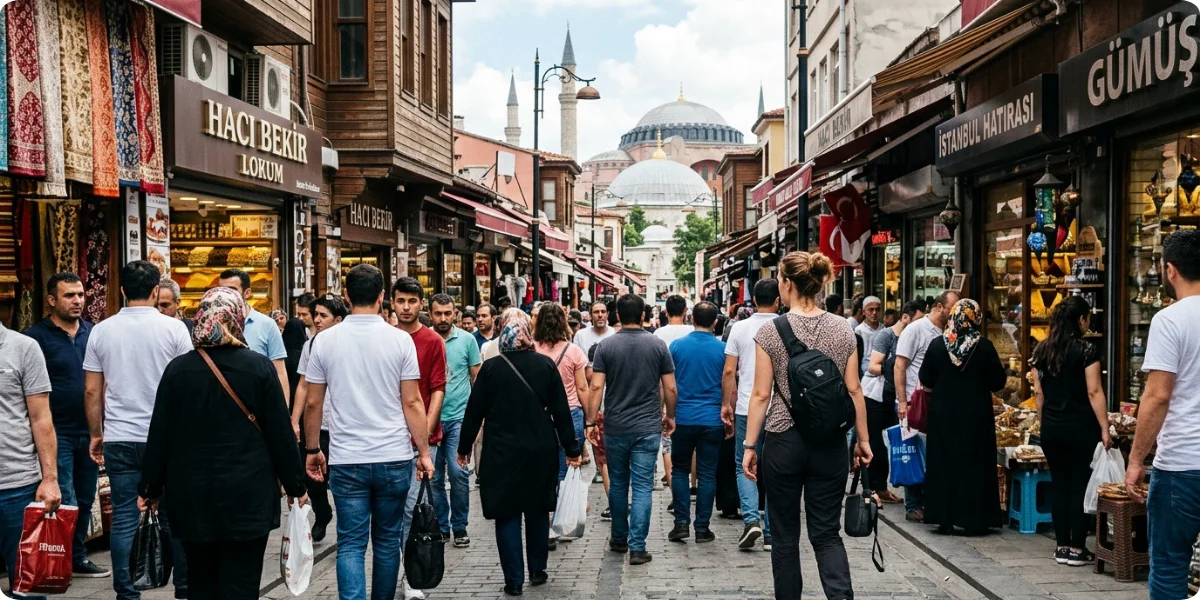
You do not need a long list of complicated rules. Focus on behaviors that prevent common problems.
1. Do Not Accept Every Unsolicited Offer
If someone approaches you with an unexpected invitation, you can simply decline.
2. Do Not Leave Your Belongings Unattended
Keep phones, wallets, passports, and bags under control, particularly in crowded areas.
3. Do Not Enter a Taxi Without Knowing Your Destination
Have the address saved on your phone and confirm where you are going.
4. Do Not Display Large Amounts of Cash
Carry what you need and keep the rest secure.
5. Do Not Ignore Local Laws
Tourists are still required to follow Turkish laws and local regulations.
6. Do Not Wander Into Unfamiliar Areas Late at Night Without a Reason
If you do not know an area, there is little benefit in taking unnecessary risks.
7. Do Not Approach Demonstrations
Current UK travel advice says demonstrations regularly take place in Istanbul and warns that they may become violent. It recommends avoiding demonstrations and leaving the area if one develops.
Istanbul Safety Tips for First-Time Visitors
Here are practical habits you can use throughout your trip:
- Keep your passport secure.
- Carry a copy of important documents.
- Keep your phone and wallet protected in crowded areas.
- Use reputable transportation.
- Check prices before accepting services.
- Be cautious with unsolicited offers.
- Save your hotel’s address on your phone.
- Keep your phone charged.
- Know how to return to your accommodation.
- Avoid demonstrations and large political gatherings.
- Follow instructions from local authorities.
- Keep children close in busy transport areas.
- Avoid unnecessary late-night walks in unfamiliar areas.
- Keep emergency information accessible.
- Check current official travel advice before your trip.
The key is consistency. Most of these habits take only a few seconds but can prevent a much bigger problem.
What to Do If Something Goes Wrong in Istanbul
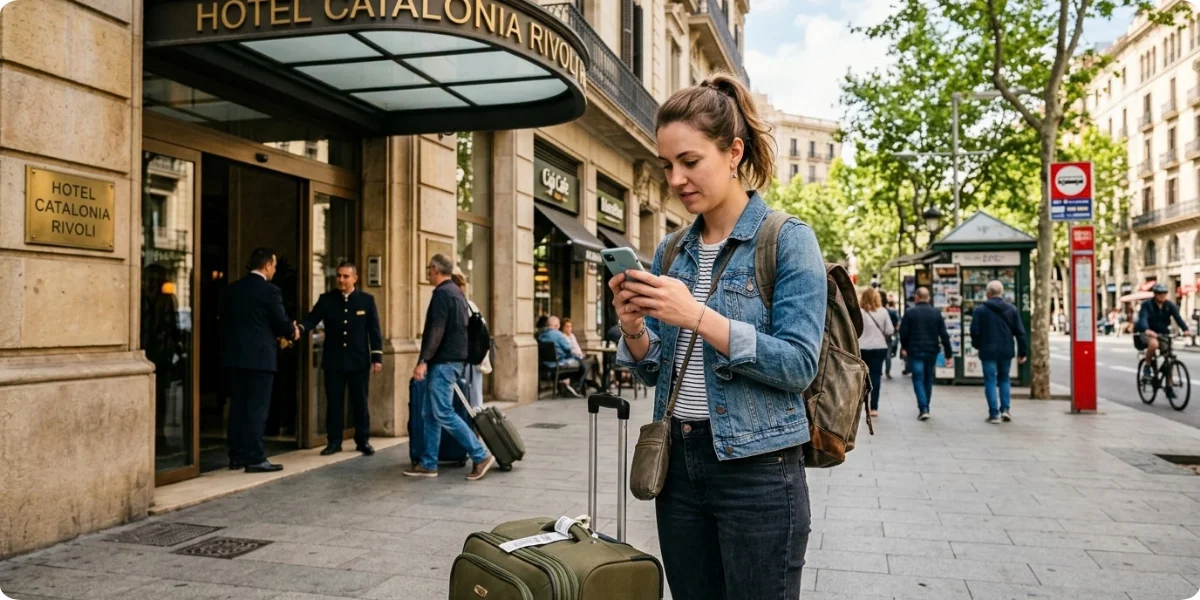
Even well-prepared travelers can lose a phone, misplace a passport, become ill, or need emergency assistance.
1. If Your Passport Is Lost
Contact your country’s embassy or consulate as soon as possible.
Keep a digital copy of your passport and other important documents in a secure location before traveling.
2. If Your Phone or Wallet Is Stolen
Move somewhere safe first.
If you have access to another device, block payment cards and contact your bank. Report theft to the relevant authorities and contact your accommodation if you need help.
3. If You Are Overcharged
Keep receipts or other evidence where possible.
If you believe you have been deliberately defrauded or threatened, seek assistance rather than getting into a confrontation.
4. If You Need Medical Help
For an emergency, contact Turkey’s emergency service.
Turkey’s official emergency system uses 112 as the single emergency number for services including police, ambulance, fire, and other emergency assistance.
5. If You Need the Police
For an immediate emergency, call 112.
If the situation is not an emergency, your accommodation can also help you identify the appropriate local authority or service.
Istanbul Emergency Numbers and Useful Contacts
| Service | Number |
| Emergency services | 112 |
| Police | 112 |
| Ambulance | 112 |
| Fire | 112 |
| Jandarma | 112 |
Turkey’s official 112 emergency service confirms that police, ambulance, fire, coast guard, and other emergency services can be reached through the single emergency number.
For non-emergency situations, it is still useful to contact your hotel, accommodation provider, embassy, or the relevant local service.
Istanbul Safety by Situation
| Situation | Practical Approach |
| Daytime sightseeing | Keep belongings secure and remain aware in crowded areas |
| Public transportation | Watch bags and phones, especially during busy periods |
| Nightlife | Plan your return transportation and avoid unsolicited invitations |
| Shopping | Check prices and understand what you are purchasing |
| Taxis | Confirm your destination and use reputable options |
| Solo travel | Share accommodation details and keep your phone charged |
| Family travel | Keep children close in crowded places |
| Earthquake | Know emergency exits and follow official instructions |
| Demonstrations | Avoid them and leave the area if one develops |
| Major attractions | Expect crowds and protect valuables |
Is Istanbul Safe Compared With Other Major Tourist Cities?
There is no useful single answer to whether Istanbul is “safer” or “less safe” than another large tourist city.
Different cities have different risk profiles.
When comparing destinations, consider:
- Pickpocketing
- Street crime
- Transportation
- Traffic
- Tourist scams
- Nightlife
- Natural hazards
- Political demonstrations
- Local laws
- Emergency services
- Your own travel style
For Istanbul specifically, travelers should pay particular attention to crowded tourist areas, transportation, demonstrations, and earthquake preparedness.
This approach is more useful than assigning a simple safety label to the entire city.
Frequently Asked Questions About Istanbul Safety
Is Istanbul safe for tourists right now?
Istanbul remains a major international tourism destination, with nearly 19 million foreign visitor entries recorded in 2025. Travelers should nevertheless monitor current official advice because demonstrations, transportation disruptions, and other local conditions can change.
Is Istanbul safe to walk around at night?
Many parts of Istanbul remain active after dark, but travelers should use normal nighttime precautions. Stay on active streets, avoid isolated areas, use reliable transportation, and do not accept unsolicited invitations from strangers.
Is Istanbul safe for solo female travelers?
Solo female travelers should use practical precautions such as choosing accommodation carefully, avoiding isolated areas late at night, keeping valuables secure, and using reputable transportation. It is also sensible to research current local conditions before traveling.
Is Istanbul safe for families?
Families can visit Istanbul, but parents should pay particular attention in crowded attractions, transport stations, busy roads, and pedestrian areas. Keep children close, especially around escalators and busy public transportation.
What areas of Istanbul should tourists be careful in?
Rather than relying on a fixed list of “unsafe neighborhoods,” research your exact accommodation and travel routes. Conditions can vary within a district, particularly between busy commercial streets and quieter areas.
Are taxis safe in Istanbul?
Taxis can be useful, but travelers should take normal precautions. Know your destination, use reputable transportation options when possible, and keep your phone available for navigation.
Is public transportation safe in Istanbul?
Istanbul’s rail transportation has formal security measures, including station security staff, cameras, patrols, and physical security systems. Travelers should still protect their belongings in crowded vehicles and stations.
Is Istanbul safe from pickpockets?
Pickpocketing is a recognized concern in major tourist areas. Keep phones, wallets, passports, and bags secure, particularly in crowds and on public transportation.
Can tourists drink tap water in Istanbul?
Travelers who are unsure about local water or have sensitive stomachs may choose bottled or filtered water. If buying bottled water, check that the seal is intact.
Is Istanbul safe during earthquakes?
Istanbul has significant seismic risk, so earthquake preparedness is worth including in any travel plan. Know your hotel’s emergency procedures, exits, and instructions, and follow official information if an earthquake occurs.
What should I avoid in Istanbul?
Avoid unnecessary risks such as accepting unsolicited invitations, leaving valuables unattended, entering unfamiliar situations without checking the price, approaching demonstrations, and wandering through unfamiliar areas late at night without a reason.
What is the emergency number in Istanbul?
Turkey uses 112 as its single emergency number for police, ambulance, fire, and other emergency services.
Final Takeaway: Is Istanbul Safe?
So, is Istanbul safe? For most tourists, the answer depends less on a simple label and more on how they travel.
Istanbul is a huge international city that welcomed 18.97 million foreign visitors in 2025, and its tourism infrastructure serves millions of international travelers each year.
The most useful approach is straightforward: protect your belongings, be cautious with unsolicited offers, use transportation sensibly, stay away from demonstrations, pay attention in crowded areas, and understand the city’s earthquake risk.
You do not need to spend your vacation worrying about every possible problem. A few sensible habits and some advance planning can help you explore Istanbul with greater confidence while leaving plenty of room to enjoy its historic neighborhoods, food, markets, ferries, museums, and everyday city life.
Arman Ashraf is a content writer focused on travel and tourism. He creates practical, well-researched travel guides, destination articles, and travel tips designed to help readers plan trips with greater confidence. His work combines clear, engaging writing with SEO best practices, covering destinations, things to do, travel planning, and useful advice for travelers. Arman is committed to producing helpful content that makes discovering and planning travel easier.