
London is one of those cities where a short visit can feel completely different from a longer stay. In a single day, you can walk past Buckingham Palace and Westminster in the morning, spend an afternoon inside a world-class museum such as the British Museum, which offers free general admission, and finish with a West End show or dinner at a neighborhood restaurant in Soho or Borough Market. Eight Royal Parks, including Hyde Park and St James’s Park, add green space between sightseeing stops.
This London travel guide covers the practical details needed to plan a trip, including the best time to visit, where to stay, how to get around, things to do, travel costs, suggested itineraries, food, safety, entry requirements, and useful tips for first-time visitors. Each section draws on official sources such as Transport for London, GOV.UK, and VisitBritain, so the advice stays accurate and current.
London is also one of the UK’s leading international tourism destinations. The UK’s Office for National Statistics estimated 42.6 million overseas visits to the UK in 2024, with visitors spending about £31.6 billion. London captures a large share of that market, which means popular attractions can be busy, especially in summer and during school holidays. Booking timed tickets, using contactless payment on the Tube and buses, and choosing a base near a major Underground station can save both time and money. The Tube network alone has 272 stations, so most major areas are easy to reach without a car or taxi. With careful planning, even a first trip can feel organized, affordable, and genuinely memorable.
London at a Glance
| Travel Detail | Information |
| Country | United Kingdom |
| Currency | Pound sterling (£) |
| Language | English |
| Time Zone | GMT in winter, BST in summer |
| Main airports | Heathrow, Gatwick, Stansted, Luton, London City |
| Recommended first visit | 3–5 days |
| Main transport | Underground, buses, trains and walking |
| Best known for | History, royal landmarks, museums, food, theatre and shopping |
London is large, but its most famous tourist areas are connected by an extensive public transport network. That means you do not need to stay directly beside every attraction to have a convenient trip.
Is London Worth Visiting?
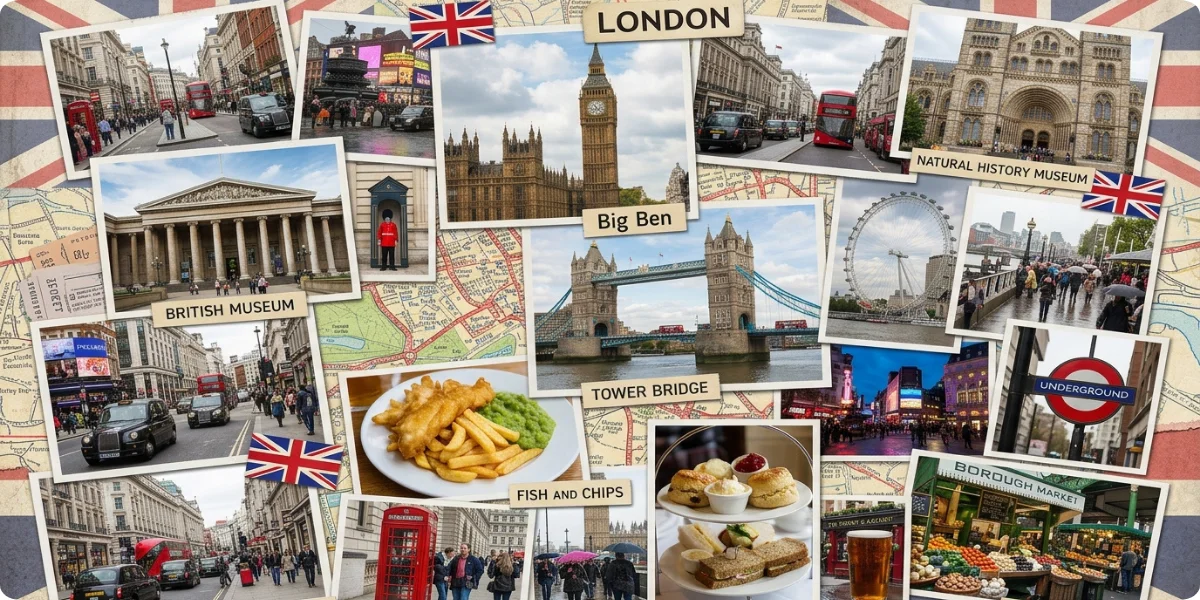
Yes, London offers a broad mix of experiences within one city. Its appeal comes from the combination of historic landmarks, museums, royal sites, neighborhoods, food, theatre, shopping, parks and modern attractions.
First-time visitors often focus on places such as Buckingham Palace, Westminster Abbey, the Tower of London, Tower Bridge and the London Eye. But London becomes more interesting when you leave the main sightseeing route and explore areas such as Camden, Notting Hill, Greenwich, Shoreditch and South Bank.
Another advantage is the variety of free and paid experiences. Some major museums offer free general admission, while popular attractions such as the Tower of London, London Eye and Westminster Abbey charge admission.
London is particularly suitable for travelers who enjoy:
- History and architecture 2. Museums and galleries
3. Royal attractions 4. Food from different cultures
5. Theatre and entertainment 6. Shopping
7. Parks and outdoor walks 8. Day trips outside the city
The main drawbacks are also worth knowing before you go. Accommodation can be expensive, famous attractions can become crowded, and the city is big enough that poor itinerary planning can result in a lot of unnecessary travel.
How Many Days Do You Need in London?
For a first trip, 3 to 5 days gives you enough time to see major landmarks without turning every day into a race between attractions. Read More about How many days in lodon?
1. One Day in London
One day is enough for a quick introduction. Concentrate on central London and group nearby sights together.
A simple route could include:
- Westminster 2. Big Ben
3. Westminster Abbey 4. Buckingham Palace
5. Trafalgar Square 6. Covent Garden
2. Two Days in London
Two days allow you to add the Tower of London, Tower Bridge, South Bank and a major museum.
3. Three Days in London
Three days is a practical starting point for first-time visitors. You can combine major landmarks with museums, neighborhoods and an evening activity.
4. Four to Five Days in London
With four or five days, you can slow down, explore different neighborhoods and add a day trip such as Windsor, Oxford, Cambridge or Brighton.
5. Seven Days or More
A week allows you to explore beyond the traditional tourist route. You can visit more museums, markets and neighborhoods and still leave room for a day trip outside London.
Best Time to Visit London
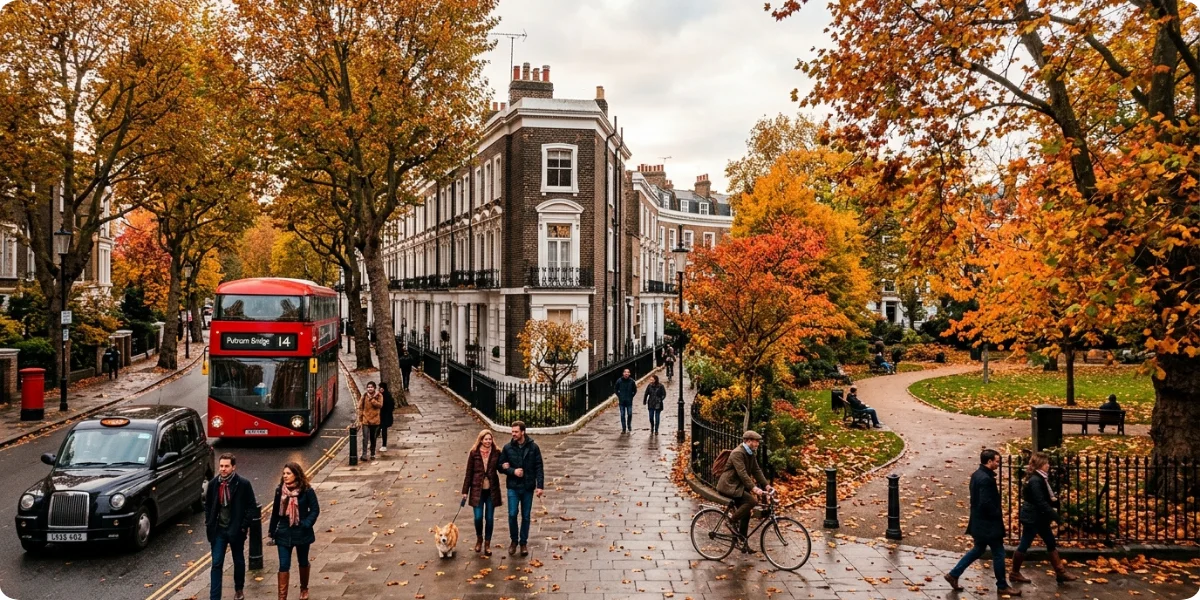
There is no single month that works for every traveler. The right time depends on whether you care most about weather, crowds, events, prices, or seasonal atmosphere.
1. London in Spring
Spring brings longer days and increasingly comfortable walking conditions. Parks and gardens become particularly attractive, making this a good period for travelers who want to combine sightseeing with outdoor time.
Pack layers because conditions can change during the day.
2. London in Summer
Summer generally brings the longest daylight hours and a busy events calendar. It’s a great time for parks, walking tours, river activities, and outdoor dining.
The trade-off is that popular areas can be busy, especially around major attractions.
3. London in Autumn
Autumn can be a comfortable time for museums, historic attractions and neighborhood walks. Early autumn can still feel relatively mild, while later months become cooler and darker.
4. London in Winter
Winter brings shorter days and colder conditions, but London remains active. Museums, galleries, theatres, restaurants and indoor attractions make it possible to build a good itinerary even when the weather is poor.
December also brings seasonal markets, decorations and Christmas events.
5. Best Time for Smaller Crowds
If avoiding peak visitor periods is important to you, consider traveling outside the busiest summer and major holiday periods. Always check current attraction availability and local events before booking.
6. Best Time for Budget Travelers
Rather than choosing a month based only on a general “cheap season,” compare hotel rates, flights and attraction prices for your exact dates. London prices can vary considerably depending on events, weekends and holidays.
How to Get to London

London is served by several airports, and the best airport for you depends on your airline, destination and final location in the city.
1. Heathrow Airport
Heathrow is London’s largest major international gateway and has several transport connections into the city.
The Elizabeth line provides a direct rail connection between Heathrow and central parts of London, while the Piccadilly line is another option.
2. Gatwick Airport
Gatwick is south of central London and has regular rail connections toward the city.
3. Stansted Airport
Stansted is northeast of London and is particularly important for many low-cost and European flights.
4. Luton Airport
Luton is north of London and has rail and bus connections toward the capital.
5. London City Airport
London City Airport is much closer to central London and can be convenient for travelers whose flights operate there.
6. Arriving by Train
Travelers coming from continental Europe can also reach London by Eurostar, which arrives at St Pancras International.
Getting Around London
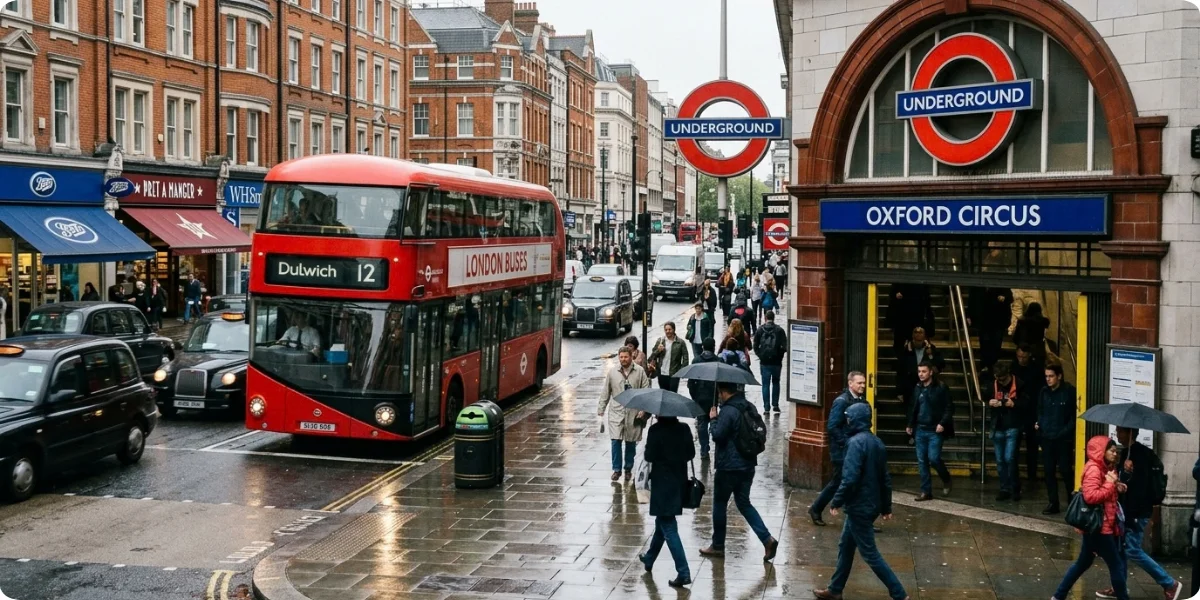
One of the most important parts of planning a London trip is understanding transportation.
1. London Underground
The Tube is usually the most practical option for moving between many central neighborhoods and attractions.
London’s Underground is divided into fare zones, although visitors generally do not need to understand every zone before their trip. Your actual fare depends on the journey and payment method.
2. Contactless Payment
Visitors can use accepted contactless bank cards or devices for pay-as-you-go travel across much of London’s public transport network. TfL also provides Visitor Oyster cards.
When using a system that requires touching in and out, use the same card or device consistently for the journey.
3. London Buses
Buses are useful when you want to see more of the city while traveling. They can also be helpful for short journeys where taking the Tube would involve changing lines.
4. Elizabeth Line
The Elizabeth line is especially useful for airport and cross-city journeys, including connections with Heathrow.
5. Walking Around London
Walking is one of the best ways to understand London’s neighborhoods.
For example, you can combine:
Westminster → St James’s → Buckingham Palace → Green Park → Piccadilly → Soho → Covent Garden
Instead of taking public transport between every stop, walk when the distance is reasonable.
6. Taxis and Ride-Hailing
Black cabs are a recognizable part of London and can be useful for short journeys, luggage-heavy trips or situations where public transport is inconvenient.
Where to Stay in London
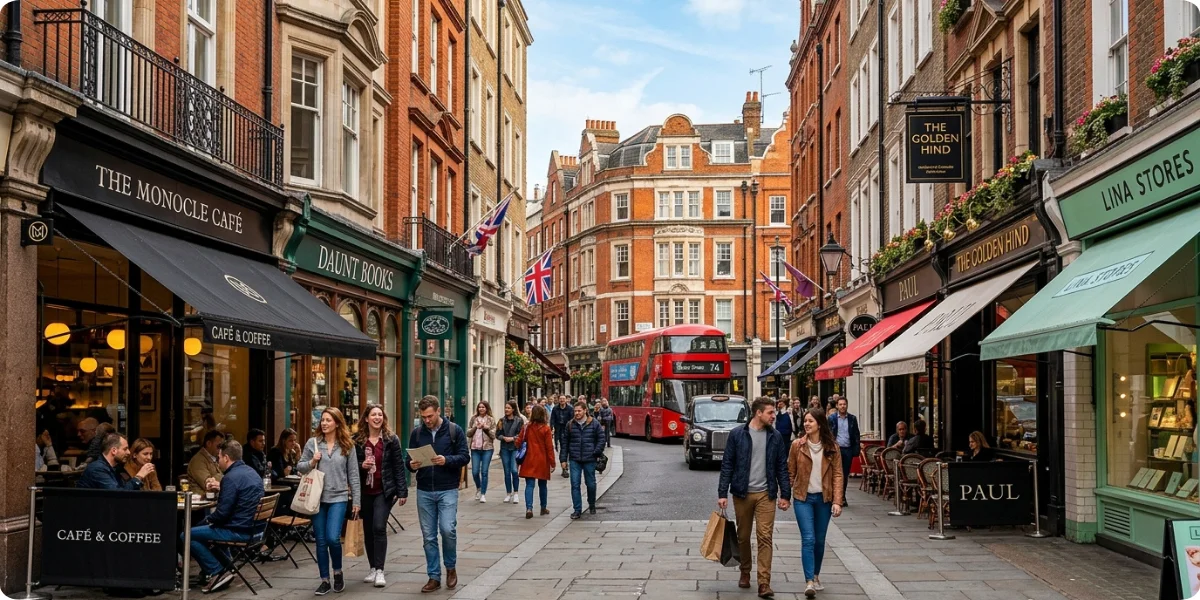
Choosing the right area can make a noticeable difference to your trip.
1. Westminster
Westminster is convenient for travelers who want easy access to major political, royal and historic landmarks.
Best for: first-time visitors, sightseeing and families.
2. Covent Garden
Covent Garden is central and close to theatres, restaurants, shops and several major attractions.
Best for: theatre, dining and central sightseeing.
3. Soho
Soho is lively and surrounded by restaurants, bars, theatres and entertainment.
Best for: nightlife, dining and entertainment.
4. South Bank
South Bank sits along the Thames and is close to attractions including the London Eye and cultural venues.
Best for: river walks, families and sightseeing.
5. Kensington
Kensington is a useful choice for visitors interested in museums, elegant streets and a quieter atmosphere.
Best for: museums, families and longer stays.
6. Shoreditch
Shoreditch is known for its creative atmosphere, restaurants, nightlife and street art.
Best for: younger travelers, nightlife and food.
7. Greenwich
Greenwich is farther from the traditional central tourist area but offers a distinct historic atmosphere and attractions of its own.
Best for: repeat visitors, families and travelers who want a different side of London.
Best Things to Do in London
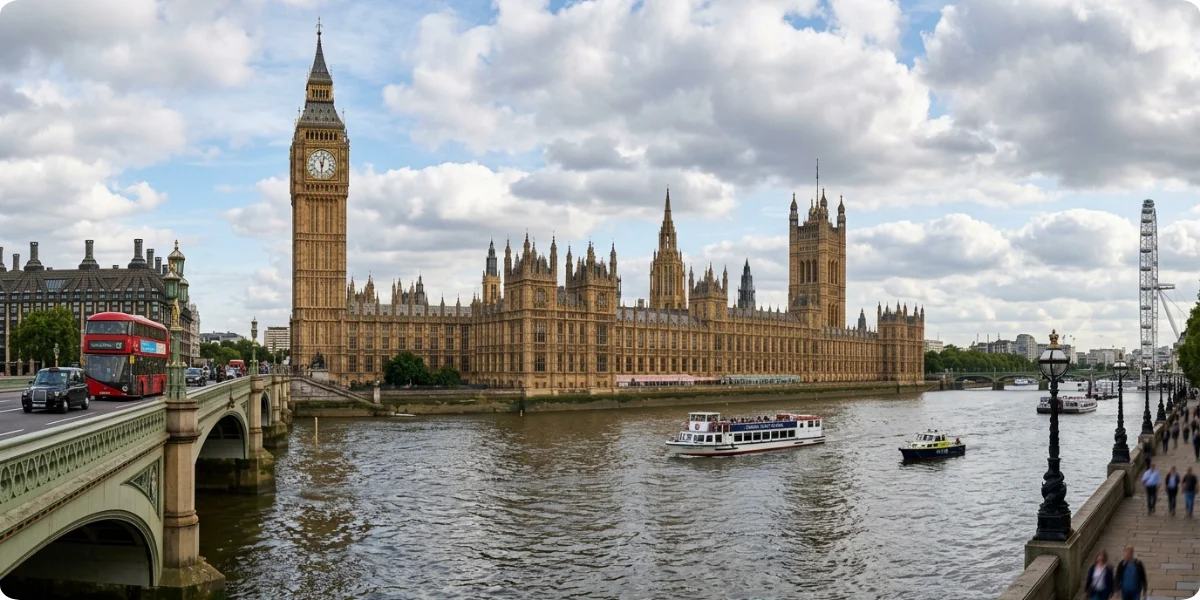
London has more attractions than most visitors can realistically see in one trip. Instead of trying to visit everything, choose attractions based on your interests.
1. Visit the Tower of London
The Tower of London combines centuries of history with one of the city’s most recognizable landmarks.
It is particularly known for the Crown Jewels and its long connection with English royal and political history.
Allow several hours if you want to explore it properly.
2. See Buckingham Palace
Buckingham Palace is one of London’s best-known royal landmarks.
The surrounding area also connects naturally with Green Park, St James’s Park and Westminster, making it easy to include several sights in one walking route.
3. Explore Westminster Abbey
Westminster Abbey is one of London’s major historic religious buildings and has strong connections with British royal history.
Check opening arrangements before visiting because services and special events can affect access.
4. See Big Ben and the Houses of Parliament
The Elizabeth Tower and the Houses of Parliament are among London’s most recognizable sights.
The area is particularly good for photography because Westminster Bridge, Parliament Square and the Thames provide several different viewpoints.
5. Ride the London Eye
The London Eye offers elevated views across central London and the Thames.
It is particularly useful for visitors who want a broad view of the city rather than another museum or historic building.
6. Visit the British Museum
The British Museum is one of London’s major cultural attractions and contains collections covering civilizations and cultures from around the world.
Give yourself several hours rather than trying to see the entire museum quickly.
7. Explore the National Gallery
The National Gallery overlooks Trafalgar Square and is a convenient addition to a central London itinerary.
It works particularly well alongside Covent Garden, Leicester Square and the West End.
8. Walk Along the South Bank
The South Bank is one of the easiest places to combine sightseeing with a riverside walk.
Depending on your route, you can see the London Eye, cultural venues, bridges and views toward Westminster and the City.
9. Visit St Paul’s Cathedral
St Paul’s is one of London’s most recognizable churches and an important part of the city’s architectural landscape.
It can be combined with a walk across or around the City of London.
10. Explore Tower Bridge
Tower Bridge is often confused with London Bridge, but they are different bridges.
The bridge’s distinctive structure makes it one of the city’s most photographed landmarks.
11. Walk Through Hyde Park
Hyde Park provides a break from London’s busy streets.
It is particularly useful for travelers who want an open space between museum visits and central sightseeing.
12. Visit the Natural History Museum
The Natural History Museum is particularly popular with families, but adults can easily spend hours exploring its collections and architecture.
Best Free Things to Do in London
London does not have to be entirely expensive.
Some of the city’s best experiences can be enjoyed without paying an attraction admission fee.
Consider:
1. Walking around Westminster 2. Seeing Big Ben from the outside
3. Exploring Trafalgar Square 4. Walking along the South Bank
5. Visiting free-admission museum collections 6. Exploring London’s parks
7. Walking through different neighborhoods 8. Visiting markets without necessarily buying anything
9. Watching street performers in appropriate public areas 10. Exploring historic streets and public spaces
11. The key is to balance paid attractions with free experiences.
Best London Neighborhoods to Explore
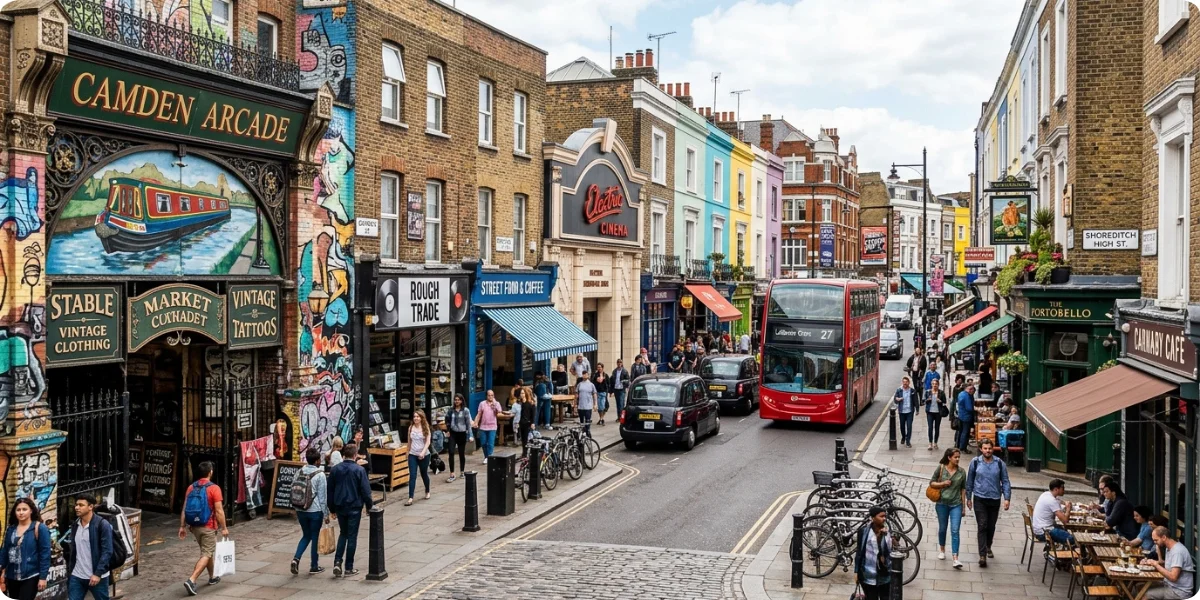
1. Westminster
Go for royal landmarks, Parliament, Westminster Abbey, and classic London views.
2. Covent Garden
Go for restaurants, shops, street performances, and easy access to the West End.
3. Soho
Go for restaurants, nightlife, and a lively central atmosphere.
4. Notting Hill
Go for colorful streets, local shops and the famous market area.
5. Camden
Go for markets, food stalls, music history, and an alternative side of London.
6. Shoreditch
Go for street art, independent businesses, restaurants and nightlife.
7. Greenwich
Go for maritime history, green spaces and a slower pace than central London.
8. South Bank
Go for Thames views, cultural attractions and an easy riverside walk.
What to Eat in London

London’s food scene is much broader than traditional British cuisine.
You can find restaurants serving food from almost every part of the world, which makes the city particularly useful for travelers with different dietary preferences.
1. Traditional British Foods to Try
Consider trying:
1. Fish and chips 2. Full English breakfast
3. Sunday roast 4. Pie and mash
5. Beef Wellington 6. Afternoon tea
2. London Street Food
Markets across the city are useful for trying different foods without committing to a formal restaurant.
Camden Market, Borough Market and other food-focused areas can be incorporated into sightseeing days.
3. Afternoon Tea
Afternoon tea is one of London’s classic experiences, but it ranges from traditional hotel service to more casual versions.
If it is important to you, reserve ahead rather than assuming you can walk in.
4. International Food
London’s multicultural population has shaped its restaurant scene. Indian, Middle Eastern, Chinese, Italian, Japanese, Caribbean, African, and many other cuisines are widely represented.
5. Vegetarian and Vegan Food
Most central tourist areas offer vegetarian options, while London also has many dedicated vegetarian and vegan restaurants.
London Travel Costs
London can be expensive, but your daily spending depends heavily on accommodation, dining choices and the number of paid attractions you visit.
| Expense | Budget Approach | Higher-Cost Approach |
| Accommodation | Hostel or basic room | Central hotel |
| Food | Markets, cafés and casual restaurants | Restaurants and fine dining |
| Transport | Public transport and walking | Taxis/private transfers |
| Attractions | Free museums and selected paid sights | Multiple major attractions |
| Entertainment | Free activities | Theatre, tours and premium experiences |
1. Accommodation
Accommodation usually has the biggest effect on a travel budget.
A hotel farther from the center is not automatically cheaper overall if you spend more time and money traveling into central London.
2. Food
You can keep food costs under control by mixing supermarkets, cafés, markets and casual restaurants with a few planned meals.
3. Attractions
Not every famous attraction needs to be visited. Select the places that interest you most.
Current attraction prices should always be checked directly before booking because admission fees and ticket types can change.
London Itinerary Ideas
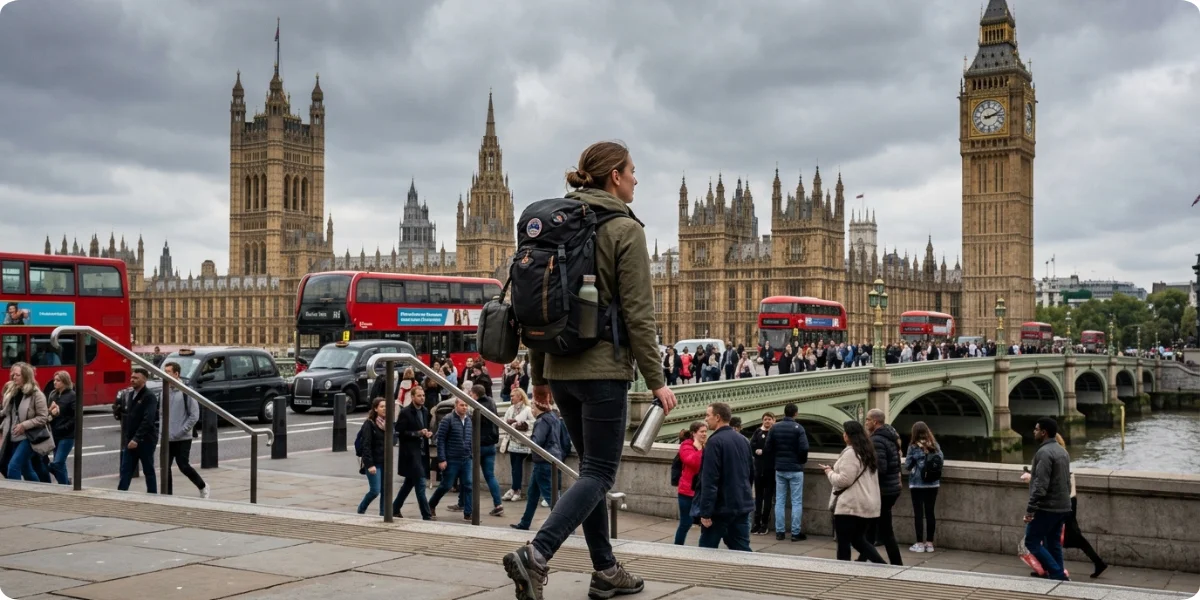
1. One-Day London Itinerary
Morning
- Westminster Abbey
- Big Ben
- Houses of Parliament
Afternoon
- St James’s Park
- Buckingham Palace
- Trafalgar Square
Evening
- Covent Garden
- West End
This route focuses on central sights and minimizes unnecessary travel.
2. Two-Day London Itinerary
Day 1
- Westminster
- Buckingham Palace
- Trafalgar Square
- Covent Garden
- West End
Day 2
- Tower of London
- Tower Bridge
- Borough Market
- South Bank
- London Eye
3. Three-Day London Itinerary
Day 1: Westminster and Buckingham Palace
Day 2: Tower of London, Tower Bridge and South Bank
Day 3: British Museum, Covent Garden, Soho and the West End
4. Four-Day London Itinerary
Add:
- Natural History Museum
- Hyde Park
- Kensington
- Notting Hill
- Camden
5. Five-Day London Itinerary
Use the fifth day for a slower neighborhood-focused day or a day trip outside London.
London Travel Tips for First-Time Visitors
1. Book Popular Attractions in Advance
Some major attractions use timed tickets or have limited availability at popular times. Check official ticket information before visiting.
2. Use Contactless Payment Carefully
Contactless payment is convenient, but always use the same card or device consistently for your journey when the system requires matching entry and exit records.
3. Wear Comfortable Shoes
London sightseeing involves more walking than many first-time visitors expect.
Even if you use the Tube, you may still walk between stations, attractions, parks and restaurants.
4. Do Not Try to See Everything
A realistic itinerary is better than a list of twenty attractions that leaves you exhausted.
Choose a few major sights each day and leave time for food, walking and unexpected discoveries.
5. Check Opening Times
Museum and attraction schedules can change because of holidays, private events, exhibitions or maintenance.
6. Allow Extra Transport Time
A journey that looks short on a map can involve walking, station changes and waiting.
7. Keep Your Belongings Secure
Like any major tourist city, London requires normal precautions in crowded transport areas and busy attractions.
8. Check the Weather Before Leaving
Carry a light waterproof layer if rain is possible. London weather can change during the day, and a forecast is more useful than assuming the whole day will be sunny or wet.
To Learn More About London Travel Tips.
London Travel Mistakes to Avoid
1. Staying Too Far From the Places You Want to Visit
A cheaper hotel can become less convenient if your daily journeys are long.
2. Planning Too Many Attractions
Do not schedule distant attractions back-to-back simply because they look close on a map.
3. Ignoring Booking Requirements
Check whether an attraction needs a timed reservation.
4. Underestimating Walking
London’s tourist areas often look closer together than they feel after several hours of sightseeing.
5. Spending Every Day in the Same Area
London’s neighborhoods have very different characters. Leave at least some time to explore outside the main tourist corridor.
6. Paying for Attractions You Could Enjoy for Free
Research free museums, parks and public spaces before buying tickets.
7. Forgetting to Check Transport Disruptions
Planned engineering works and temporary disruptions can affect routes. Check TfL before starting an important sightseeing day.
To learn more about London Travel Mistakes.
Is London Expensive?
London can be an expensive destination, particularly for accommodation and major paid attractions, but the total cost varies considerably.
A budget-conscious traveler can reduce spending by:
- Staying outside the most expensive central areas
- Using public transport
- Walking between nearby attractions
- Eating at markets and casual restaurants
- Visiting free museums
- Limiting expensive attractions
- Booking accommodation early
- Traveling outside major event periods when possible
The most important thing is to build your budget around your own travel style instead of relying on one generic daily figure.
London Safety and Practical Information
London is a large international city, so normal urban travel precautions are sensible.
1. Is London Safe for Tourists?
Most visitors can explore London’s major tourist areas by using ordinary precautions.
Keep valuables secure in crowded places, particularly around busy stations, markets and attractions.
2. Common Tourist Problems
Visitors should be alert to:
- Pickpocketing
- Phone theft
- Unofficial ticket sellers
- Overpriced tourist services
- Fake or misleading booking websites
For tickets, transport and immigration information, use official websites whenever possible.
3. Emergency Number
For emergencies requiring police, ambulance or fire services in the UK, call 999.
London Entry Requirements and Visa Information

Entry requirements depend on your nationality, travel purpose and immigration status.
Do not assume that another traveler’s requirements apply to you.
As of October 2026, the UK says most visitors need either an Electronic Travel Authorisation (ETA) or a visa, depending on nationality and circumstances. The current ETA fee is £20, and an ETA can permit tourism visits of up to six months when the traveler meets the relevant requirements.
A Standard Visitor visa can also allow tourism visits of up to six months for travelers who require a visa. GOV.UK currently lists the Standard Visitor visa fee at £135.
1. Do You Need a Visa to Visit London?
It depends on your nationality.
Use the official UK government checker before booking your trip because visa and ETA rules can change.
2. What About the UK ETA?
An ETA is not a visa. It is an electronic travel authorization for eligible travelers who do not need a visa for their visit.
Each traveler who requires an ETA needs their own authorization, including children.
3. Passport Requirements
Visitors should travel with a valid passport or travel document that meets UK entry requirements.
Always check the official requirements for your nationality before departure.
London Weather and What to Pack
London’s weather is changeable, so flexible clothing is more useful than packing only for one predicted condition.
1. Spring
Pack:
- Light layers
- Comfortable walking shoes
- Light waterproof jacket
- Small umbrella if useful
2. Summer
Pack:
- Lightweight clothing
- Comfortable walking shoes
- Light jacket
- Sun protection
3. Autumn
Pack:
- Layers
- Waterproof outer layer
- Comfortable shoes
- Warmer clothing for evenings
4. Winter
Pack:
- Warm coat
- Sweater or layers
- Waterproof footwear
- Gloves and hat if needed
Regardless of season, comfortable shoes should be high on the packing list.
London Day Trips
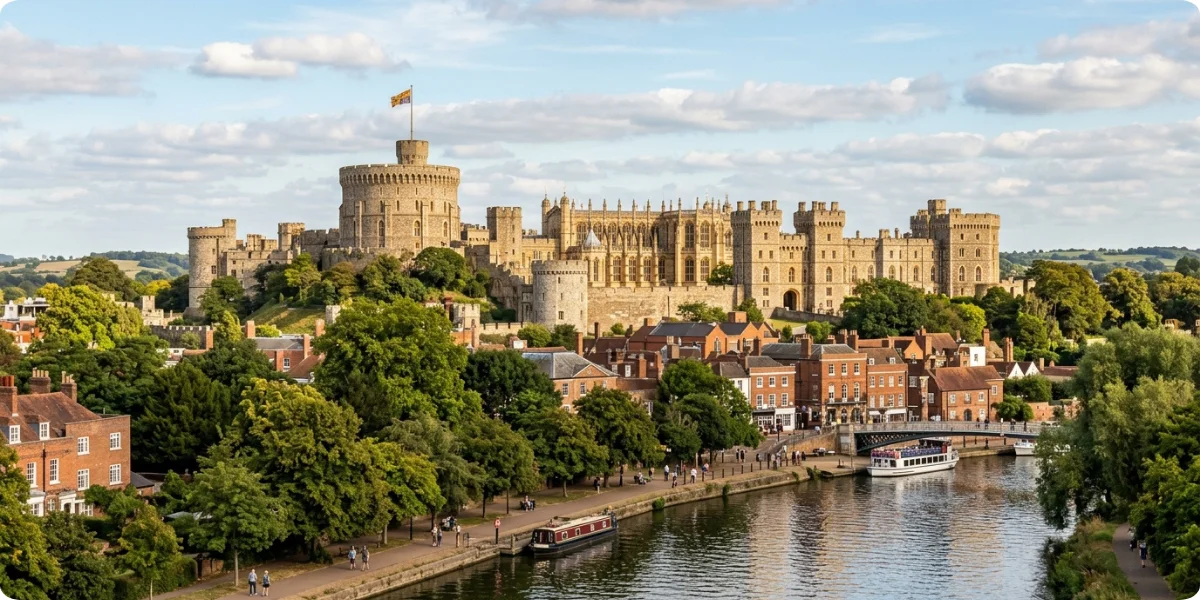
London also works as a base for exploring other parts of England.
1. Windsor
Windsor is known for Windsor Castle and can be visited as a day trip from London.
2. Oxford
Oxford is known for its historic university buildings, colleges and traditional architecture.
3. Cambridge
Cambridge offers historic colleges, river punting and a compact city center.
4. Bath
Bath is known for Roman history, Georgian architecture and the Roman Baths.
5. Stonehenge
Stonehenge is one of Britain’s best-known prehistoric monuments and can be combined with other nearby destinations on a longer day trip.
6. Brighton
Brighton offers a seaside atmosphere, the famous pier, shopping streets and restaurants.
When choosing a day trip, consider the total travel time. A destination that takes several hours each way may be less suitable for a short London stay.
London Travel Guide FAQs
How many days do you need in London?
Three to five days is a practical amount of time for a first London trip. Three days can cover many major sights, while four or five days gives you more time for museums, neighborhoods and a possible day trip.
What is the best month to visit London?
The best month depends on your priorities. Spring and early autumn can offer a useful balance of sightseeing conditions and seasonal atmosphere, while summer provides longer daylight and a busy events calendar.
Is London expensive to visit?
London can be expensive, particularly for accommodation and major attractions. However, travelers can reduce costs through free museums, public transport, walking, casual dining and careful accommodation choices.
What should I not miss in London?
For a first visit, consider Westminster, Buckingham Palace, the Tower of London, Tower Bridge, the British Museum, South Bank and Covent Garden. Choose based on your interests rather than trying to visit everything.
Is London easy to get around?
Yes. The Underground, buses, Elizabeth line, trains and walking make it possible to travel between many tourist areas without a car.
What area is best to stay in London?
For first-time sightseeing, central areas such as Westminster, Covent Garden and South Bank can be convenient. Soho suits travelers focused on restaurants and nightlife, while areas such as Kensington and Shoreditch offer different experiences.
Is London safe for tourists?
Visitors should use normal precautions expected in a large city, particularly in crowded areas and on public transport. Keep valuables secure and use official sources for tickets, travel and emergency information.
Do I need a visa to visit London?
It depends on your nationality and circumstances. Some visitors need a Standard Visitor visa, some need an ETA, and some may be able to enter without either. Check the official UK government requirements before traveling.
What should I book in advance in London?
Consider booking popular attractions, theatre shows, special exhibitions, afternoon tea and accommodation in advance, particularly for busy travel dates.
What is the easiest way to get around London?
For many visitors, public transport combined with walking is the most practical approach. Contactless pay-as-you-go travel is supported across much of London’s public transport network, subject to the relevant payment and service rules.
London Travel Guide Checklist
Before your trip, make sure you have:
- Checked UK visa or ETA requirements
- Confirmed your passport requirements
- Booked flights
- Chosen a convenient area to stay
- Checked airport transfer options
- Researched public transport
- Reserved popular attractions where necessary
- Created a realistic daily itinerary
- Checked the weather forecast
- Prepared a payment method for transport and everyday spending
- Saved important travel and emergency information
Final Thoughts
A good London trip is not about seeing every famous landmark. It is about putting the right places together so that you spend more time experiencing the city and less time crossing it.
For a first visit, start with Westminster, Buckingham Palace, the Tower of London, a major museum and a walk along the Thames. Then leave room for a neighborhood such as Camden, Soho, Notting Hill, Greenwich or Shoreditch.
If you have three to five days, resist the temptation to fill every hour. London rewards slow exploration just as much as landmark sightseeing.
The most useful approach is simple: choose the attractions that genuinely interest you, group nearby places together, use public transport intelligently, and check official information shortly before your trip.
That is the foundation of a practical London travel guide that can help you plan a smoother visit.

Arman Ashraf is a content writer focused on travel and tourism. He creates practical, well-researched travel guides, destination articles, and travel tips designed to help readers plan trips with greater confidence. His work combines clear, engaging writing with SEO best practices, covering destinations, things to do, travel planning, and useful advice for travelers. Arman is committed to producing helpful content that makes discovering and planning travel easier.