
Quick Answer: Faro historic centre is the walled Cidade Velha, a compact old town you can cross on foot in about two hours. The highlights are the Arco da Vila gate, the cathedral bell tower, the Municipal Museum and the Chapel of Bones. Add a Ria Formosa boat trip and it becomes a full day.
What Is Faro’s Historic Centre?
Faro is the capital of the Algarve, yet most travellers only see it from the airport. That’s a missed chance. The walled old town beside the marina is one of the region’s most walkable historic cores, a mix of cobbled lanes, whitewashed houses, orange trees and tiled church walls, ringed by the lagoons of Ria Formosa.
| Detail | What to expect |
|---|---|
| Area | Compact walled old town (Cidade Velha) beside the marina |
| Walking time | About 1–2 hours for streets and squares; around 3 hours with the cathedral, museum and Carmo Church |
| Entry cost | Streets, gates and squares are free; the cathedral, museum and Carmo Church charge small fees (check current rates) |
| Best time | Spring and autumn; mornings or late afternoon in summer |
1. Cidade Velha (Old Town) at a Glance
The Cidade Velha is small enough that you can’t really get lost. You enter through the Arco da Vila, loop around Largo da Sé, and can leave through the Arco do Repouso gate. Inside the walls you’ll find the cathedral, a former convent that now houses the municipal museum, and quiet squares with cafés. Just outside, the marina, the train station and the garden of Jardim Manuel Bivar keep everything within a short stroll.
2. A Short History of Faro
The Romans settled here, and the Moors held the town until King Afonso III captured it in 1249. Later chapters were harder: an English raid in 1596 burned much of Faro, and the 1755 earthquake damaged what was left. That’s why the old town blends eras, with a medieval tower, Renaissance and Baroque churches, and a 19th-century gate.
Top Sights in Faro’s Old Town
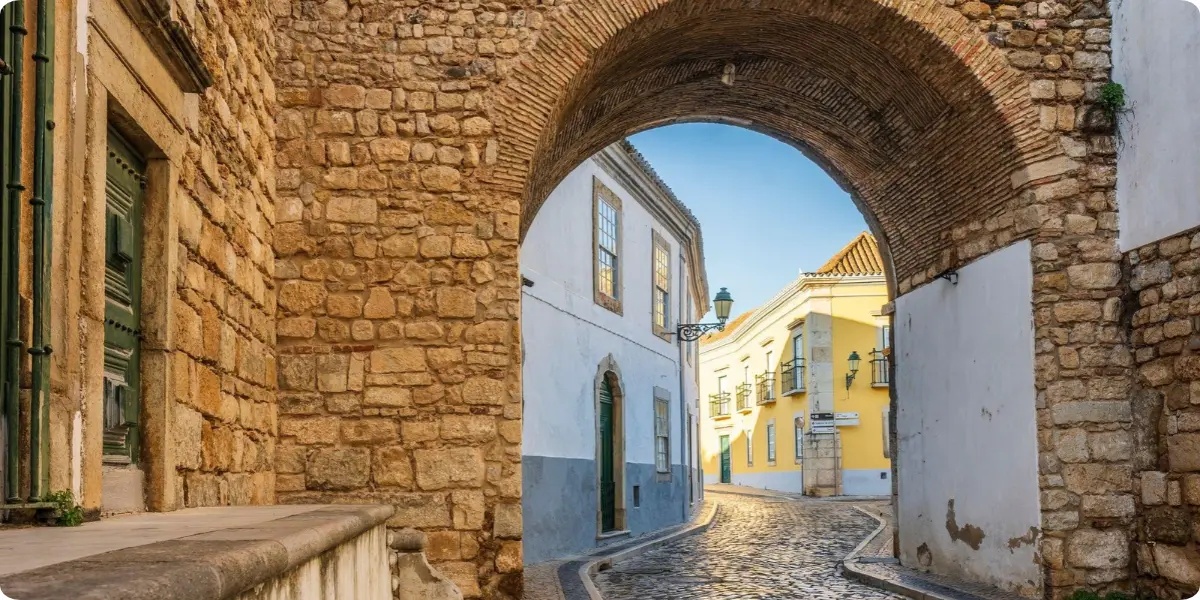
1. Arco da Vila (Town Gate)
This neoclassical gate is the main entrance to the old town and the natural place to start. Look up and you may spot storks nesting on top. A small interpretive centre tells the story of the city, and the municipality’s page on the centre has the details.
2. Faro Cathedral (Sé) and Bell Tower Views
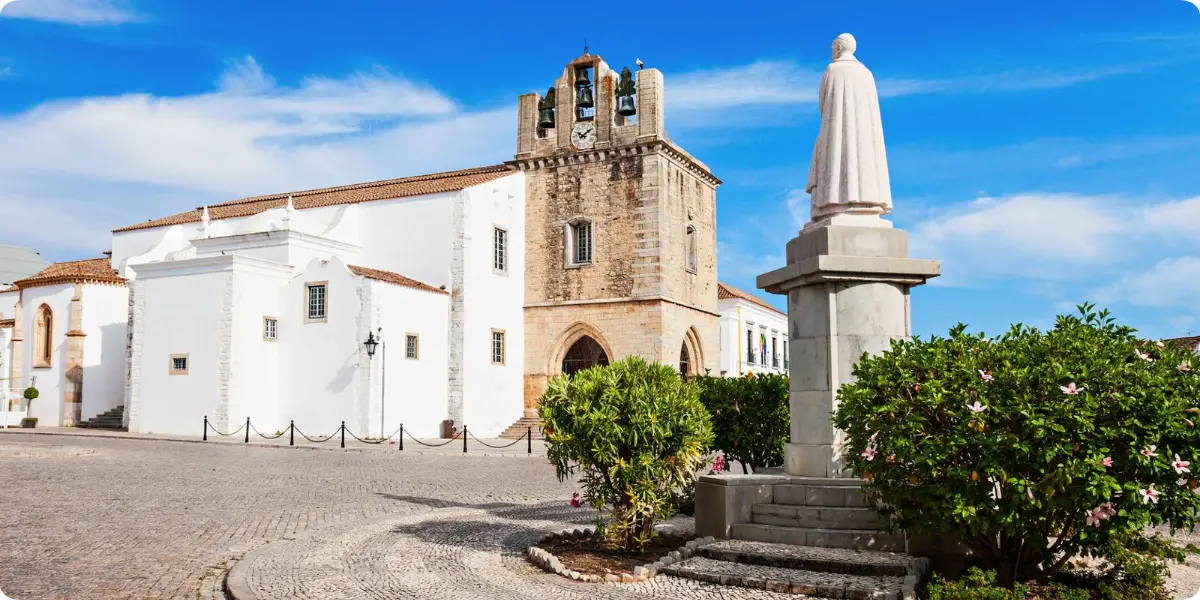
Faro Cathedral, also known as Igreja de Santa Maria, stands on a site said to have held a Roman temple and later a mosque. The present building dates mostly to the late 16th and early 17th centuries, with a bold 18th-century organ and tiles from 1694. The real prize is the bell tower a narrow climb of roughly 68 steps rewards you with views over the rooftops and the lagoon. Visitors report a ticket of around €5 covering the cathedral, tower and small museum, and this cathedral guide covers what’s inside. Hours change by season and it is usually closed on Sundays, so confirm before you go.
3. Largo da Sé and Old Town Squares
Largo da Sé is the old town’s living room, framed by the cathedral, the bishop’s palace, orange trees and café terraces. Next to the cathedral, Faro Story Spot offers a 45-minute multimedia introduction to the city, which suits families, though it costs more than most sights here. Down by the marina, Jardim Manuel Bivar hosts an arts-and-crafts market at weekends.
4. Igreja do Carmo and the Chapel of Bones
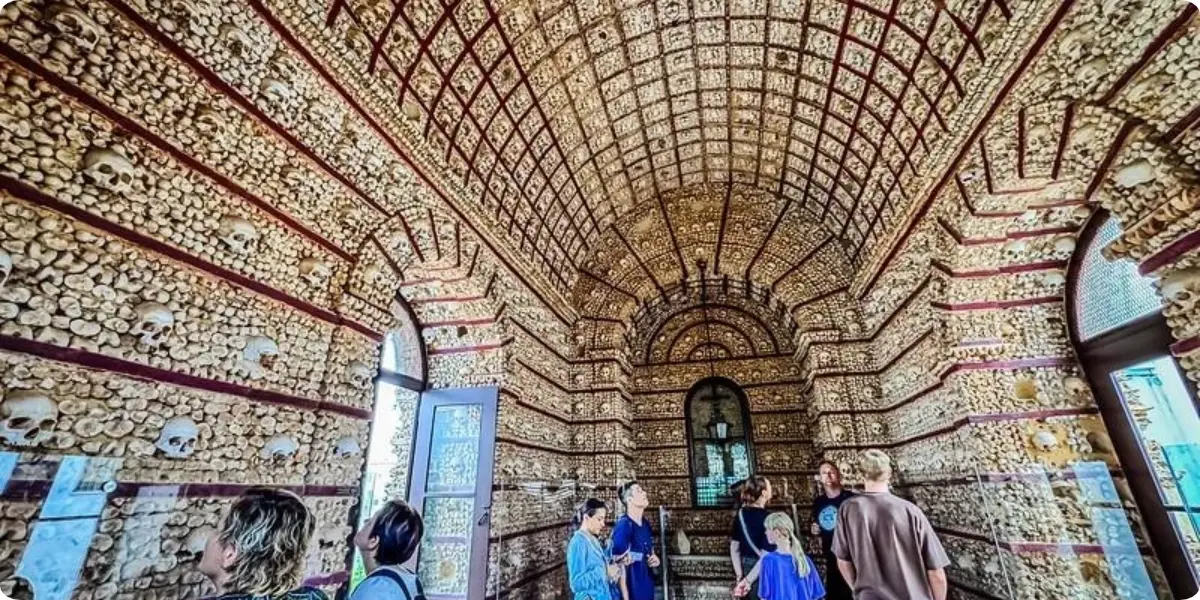
About 10–15 minutes’ walk from the walls, Igreja do Carmo has gilded Baroque altars. In its grounds sits the Capela dos Ossos, lined with the bones and skulls of more than 1,200 monks from a dismantled cemetery. It is smaller than the famous chapel in Évora but well preserved, and it’s the most visited sight in town. Don’t confuse it with the much smaller bone chapel at the cathedral this Faro walking guide explains the difference. You reach the chapel through the church, which keeps limited hours, so carry a little cash.
5. Faro Municipal Museum
If you only visit one museum, make it this one. It occupies a 16th-century convent with a pretty cloister, and its star exhibit is the Mosaic of Oceanus, a Roman mosaic from the 2nd or 3rd century found near today’s train station. A statue of King Afonso III stands outside. Allow around 30 minutes, and note that it is usually closed on Mondays.
6. City Walls and Hidden Corners
Walk the outside of the walls to find the Arco do Repouso, azulejo panels showing scenes from local history, and the restored Palácio Belmarço. The former brewery building, seen from the lagoon, looks almost like a castle. On the way to Carmo, pop into Igreja de São Pedro, which is free to enter when open.
Beyond the Walls: Waterfront and Ria Formosa
1. Faro Marina and Waterfront Promenade
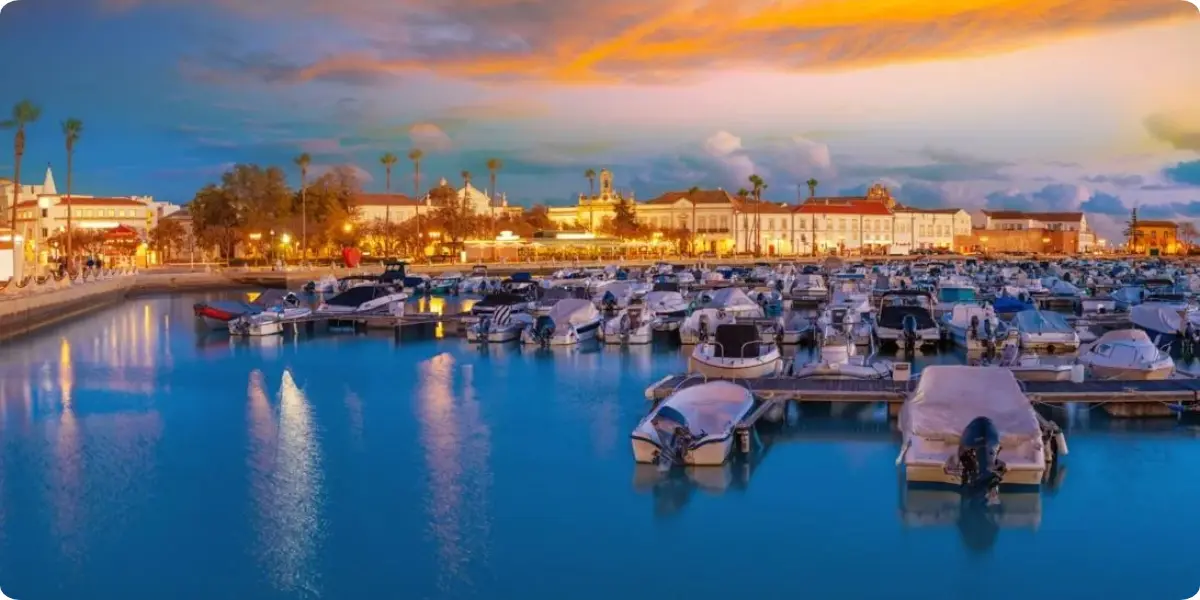
The marina sits right beside the old town, so it works as both a starting point and a finale. You’ll find the “Love Faro” sign, public sculptures, cafés and plenty of boat operators. The railway station is close by, and sunset here is hard to beat.
2. Ria Formosa Natural Park Boat Trips
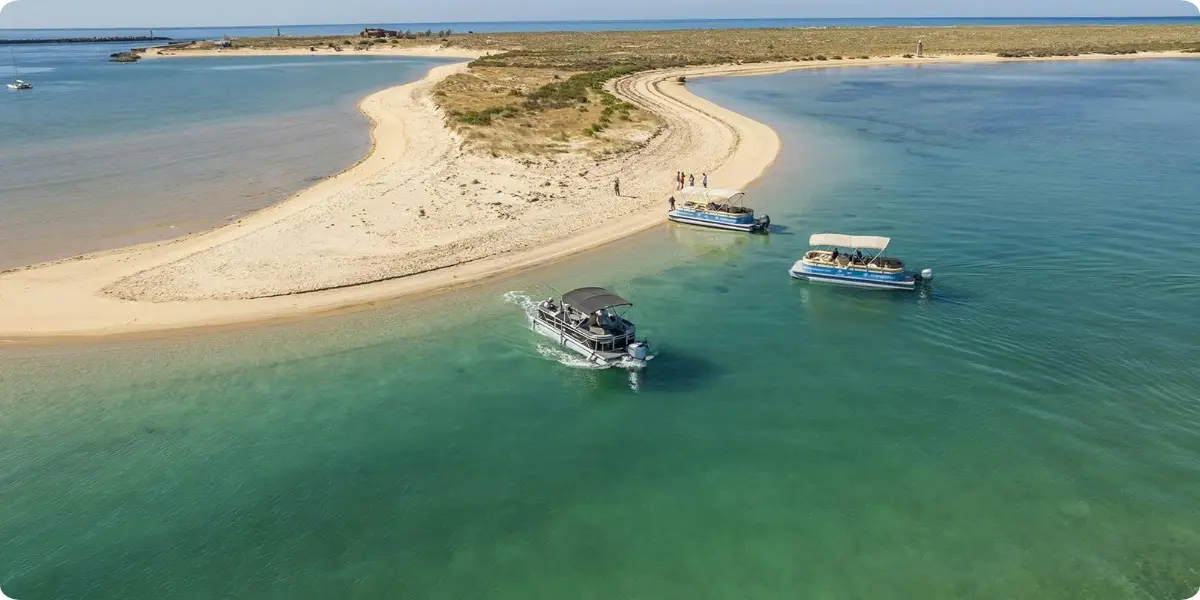
Ria Formosa is a protected lagoon of canals, salt marshes and sandbanks stretching around 60 km along the coast, and it’s excellent for birdwatching. Boat tours leave from the marina. A one-hour sunset trip suits a short stay, while longer tours of three to four hours stop at several islands. Bike and segway tours also exist if you prefer to stay on land.
3. Nearby Islands (Ilha Deserta, Ilha do Farol)
Ilha Deserta, also called Barreta, is uninhabited apart from a single restaurant, and boats from Faro’s Porta Nova pier reach it in roughly 20–45 minutes depending on the vessel. Ilha do Farol sits on Ilha da Culatra, a car-free island with a lighthouse and fishing communities, reached by ferry from Faro or Olhão this Culatra island guide and this overview of the Ria Formosa islands help you choose. Timetables change by season, so check the last boat back.
3 Best Things to Do in the Historic Centre
1. Self-Guided Walking Route (Stops in Order)
- Jardim Manuel Bivar and the marina: start with a coffee and a look at the water.
- Arco da Vila: pass through the gate into the Cidade Velha.
- Largo da Sé and Faro Cathedral: climb the bell tower for the best view.
- Faro Municipal Museum: see the Roman mosaic and the cloister.
- Arco do Repouso and the walls: follow the azulejo panels outside the gate.
- Igreja de São Pedro to Igreja do Carmo: finish at the Chapel of Bones.
- Back to the waterfront: end with a sunset boat trip or an early dinner.
2. Food and Cafés in the Old Town
Algarve cooking is simple and seafood-led: grilled fish, sardines and cataplana stew, followed by desserts built on figs, carob and almonds. Faro Municipal Market is a good place to sample local treats, and the squares around the cathedral have café terraces for a slow coffee. Lunch menus of the day are usually good value, but service can be unhurried, so don’t book a restaurant if you’re short on time.
3. Free Things to Do in Faro
Plenty of Faro costs nothing. Walk through the Arco da Vila, wander the cobbled lanes and the outside of the walls, spot the azulejo panels, sit in Jardim Manuel Bivar, browse the weekend market, and stroll the marina. Igreja de São Pedro is free when open, and public ferries to the islands cost only a few euros. The cathedral, museum and Carmo Church are the main paid stops.
How Much Time Do You Need?
1. 2-Hour Visit
If you’re between flights or trains, walk the route above without going inside anything: gate, squares, walls, marina. You’ll get the atmosphere and a few good photos, though you’ll miss the tower views and the Chapel of Bones.
2. Half-Day Itinerary
Spend the morning on the cathedral and its tower, then the museum, then walk to Igreja do Carmo after lunch. Finish at the marina with a drink. This pace suits most first-time visitors and avoids the middle of the day’s heat in summer.
3. Full-Day Itinerary with Ria Formosa
Do the old town before lunch, then take an afternoon boat tour or ferry to Ilha Deserta or Ilha do Farol. Faro also makes a handy base for a wider Algarve trip, and our guide to things to do in the Algarve shows what to combine with it.
Best Time to Visit the Faro Historic Centre
| Season | What it’s like |
|---|---|
| Spring (March–May) | Comfortable for walking, with the beach season starting around April |
| Summer (June–August) | Hot and busiest; best for island beaches and boat trips |
| Autumn (September–November) | Pleasant early on, quieter later; November can be rainy and some areas feel empty |
| Winter (December–February) | Low season, shorter days and some reduced opening hours |
Morning or evening? Go early for empty lanes and cooler air, or late afternoon for soft light on the tower and sunset by the marina. If you’re planning wider travel, see our guide to the best time to visit Portugal.
How to Get to Faro’s Old Town
1. From Faro Airport
The airport lies a few kilometres west of the old town, and sources quote roughly 4–7 km. A taxi takes about 10–15 minutes. Local bus 16 takes around 20 minutes, passes the train station and leaves you a short walk from the marina; this airport-to-Faro guide explains the options. The airport has no train station.
2. By Train and Bus
The train station and bus terminal are both a few minutes’ walk from the old town, which makes Faro easy without a car. Trains from Lisbon take around three hours, and our Lisbon guide is useful if you’re starting there. Regional coaches and trains link Faro with other Algarve towns.
3. By Car and Parking
A car is handy if you want to explore beyond Faro, and our guide to driving in Portugal covers the basics. In Faro itself, park outside the walls: the area on the eastern side near São Francisco church and the car park near Igreja do Carmo are convenient. The marina parking is central but the streets are narrow. Some car parks are free and others charge a small hourly fee, so check signs.
Where to Stay Near the Historic Centre
For the easiest sightseeing, stay in the old town or around the marina, where you can walk to everything and some hotels have rooftop pools. The streets around the train and bus stations suit budget travellers who want simple access to onward transport. Praia de Faro offers beach access but sits under the flight path. Options range from hostels and guesthouses to mid-range hotels and upscale rooms; check current rates and reviews for your dates. For wider planning, see where to stay in the Algarve.
Practical Tips for Visitors
- Footwear: Streets are cobbled and uneven, so wear comfortable, grippy shoes rather than flip-flops.
- Opening hours: Churches, museums and the tower often close for lunch, on Sundays or on Mondays, and hours shift by season. Check before you go.
- Crowds: The cathedral tower and Carmo Church get busy in summer. Go early or late in the afternoon.
- Accessibility: Cobbles, kerbs and steep tower stairs are hard going for wheelchairs and pushchairs. The flat waterfront is easier, and it’s worth asking venues about access in advance.
- Cash and sun: Carry some cash for small fees, plus water and sun protection, because shade is limited on the walls and boats.
Common Mistakes to Avoid
- Skipping Igreja do Carmo because it sits outside the walls.
- Mixing up the two bone chapels at Carmo and the cathedral.
- Arriving on a Sunday or Monday and finding sights closed.
- Assuming island ferries run all day instead of checking the last boat back.
- Walking the old town at midday in July without water or shade.
- Expecting Faro to be a dramatic beach town rather than a culture-and-lagoon stop.
Is Faro Worth Visiting?
Yes, as a half-day or full-day stop. Faro won’t overwhelm you the way the cliffs near Lagos do, but it rewards curious visitors with real history, calm lagoon scenery and a lived-in feel that many resort towns lack. For context on the wider region, see Lonely Planet’s Algarve overview.
FAQs
How long do you need in Faro’s historic centre?
Plan about two hours to walk the streets, gate and squares, or half a day if you also climb the cathedral tower, visit the Municipal Museum and see the Chapel of Bones. Add a Ria Formosa boat trip or island visit and Faro becomes a comfortable full-day outing.
Is Faro’s old town free to visit?
Yes, you can walk the old town, pass through the Arco da Vila and enjoy the squares without paying anything. Some attractions charge small entry fees, including the cathedral and bell tower, the Municipal Museum and Carmo Church’s Chapel of Bones, so check current prices and hours before going.
Is Faro worth visiting?
Yes, especially if you enjoy history, walkable old towns and quiet lagoon scenery. It lacks the dramatic cliffs of the western Algarve, but a half day here adds culture, good seafood and Ria Formosa views that beach-focused itineraries often miss. Beach-only travellers may prefer to spend more time elsewhere.
How far is Faro Airport from the old town?
Faro Airport is only a few kilometres west of the old town, with sources quoting roughly 4 to 7 km. A taxi usually takes 10 to 15 minutes, and local bus 16 reaches the centre in about 20 minutes. There is no train station at the airport itself.
Is Faro walkable?
Yes. The old town is compact, and the marina, train station, bus terminal and most main sights sit within a short walk of each other. Expect cobblestones, uneven pavements and steep stairs in the cathedral tower, so wear comfortable shoes. Igreja do Carmo is about 10 to 15 minutes from the walls.
What is the best time to visit Faro?
Spring and early autumn are the most comfortable, with pleasant walking weather and fewer crowds than July and August. Summer suits island beaches and boat trips but gets hot in the middle of the day. Winter is quiet, with shorter days and some reduced opening hours.
Can you visit Faro as a day trip from other Algarve towns?
Yes. Faro is an easy day trip from nearby towns such as Olhão, Tavira and Loulé, and from Lagos it is roughly an hour by car. Trains and buses connect Faro with much of the region, though a car gives more flexibility for combining several stops in one day.
What is the Chapel of Bones?
The Chapel of Bones, or Capela dos Ossos, is a small chapel in the grounds of Igreja do Carmo, decorated with the bones and skulls of more than 1,200 monks. You reach it through the church, which charges a small fee. A separate, much smaller bone chapel also exists at Faro Cathedral.
Final Thoughts
Faro’s historic centre is small, human-scale and easy to enjoy a gate, a tower, a Roman mosaic, a chapel of bones and a lagoon at sunset, all within a short walk. Give it half a day, wear good shoes, and check opening hours first. When you’re ready to plan the rest of your trip, our Portugal travel guide will help you decide where to go next.

Arman Ashraf is a content writer focused on travel and tourism. He creates practical, well-researched travel guides, destination articles, and travel tips designed to help readers plan trips with greater confidence. His work combines clear, engaging writing with SEO best practices, covering destinations, things to do, travel planning, and useful advice for travelers. Arman is committed to producing helpful content that makes discovering and planning travel easier.