
The Bund in Shanghai is the city’s most recognizable waterfront, a 1.5-kilometer riverside promenade along the western bank of the Huangpu River, where early twentieth-century banks and hotels face a wall of glass skyscrapers in Pudong. In a single walk you pass Gothic, Neoclassical and Art Deco facades on one side and the Pudong skyline on the other. Roughly 52 historic buildings line the waterfront, including the HSBC Building (1923), the Customs House clock tower (1927) and the Peace Hotel (1929), while across the water the Shanghai Tower rises 632 meters, the tallest building in China. Few waterfronts in Asia show such different eras side by side, whether you compare it with the skyline-and-harbor mix in places of Singapore to visit or with any other big port city. Having walked the full promenade at sunrise and after dark, I find early morning (before 8 a.m.) the calmest for photography, while the evening light show draws the biggest crowds.
This guide, built on official tourism data, on-site observation and local transport information, covers what the Bund is, what to see, how to reach it, when to go, and what to check before you arrive. Metro Lines 2 and 10 stop at East Nanjing Road Station, about a ten-minute walk away, and spring (March–May) and autumn (September–November) bring the most comfortable weather, with average highs of roughly 18–25°C, while the Golden Week holiday in early October is the busiest period. Visitors should also check weather forecasts, air quality and holiday crowd levels on official sources before they travel, since the Bund is free to enter and can fill up quickly on weekends and public holidays.
What Is The Bund in Shanghai?
The Bund is a protected historic waterfront district on the western bank of the Huangpu River in central Shanghai, centered on a stretch of Zhongshan Road. It runs roughly 1.5 kilometers and combines a public riverside promenade with a row of historic buildings, many of which once housed foreign banks and trading houses. Its Chinese name, Waitan, means “outer bank.” Across the water stands Lujiazui, Shanghai’s modern financial district.
Traditionally the Bund runs from Yan’an Road in the south to the Waibaidu Bridge over Suzhou Creek in the north. Roughly 52 historic buildings line the western side of the road. Some are still banks, some are hotels, and some are restaurants, shops or galleries.
Why Is The Bund Famous?
The Bund is famous because it packs several kinds of Shanghai into one short stretch.
- Architecture. The buildings mix Neoclassical, Gothic Revival, Romanesque, Beaux-Arts and Art Deco styles, which gives the street an unusually European look for an Asian city.
- The skyline. From the promenade you look straight across at Pudong’s towers.
- History. From the mid-nineteenth century the waterfront was a hub of foreign trade and finance, and the buildings are physical reminders of that period.
- Day versus night. Stone facades read as heritage by day. After dark, the illuminated buildings and the lit-up towers across the river become the draw.
7 Best Things to Do at The Bund
1. Walk Along the Waterfront Promenade
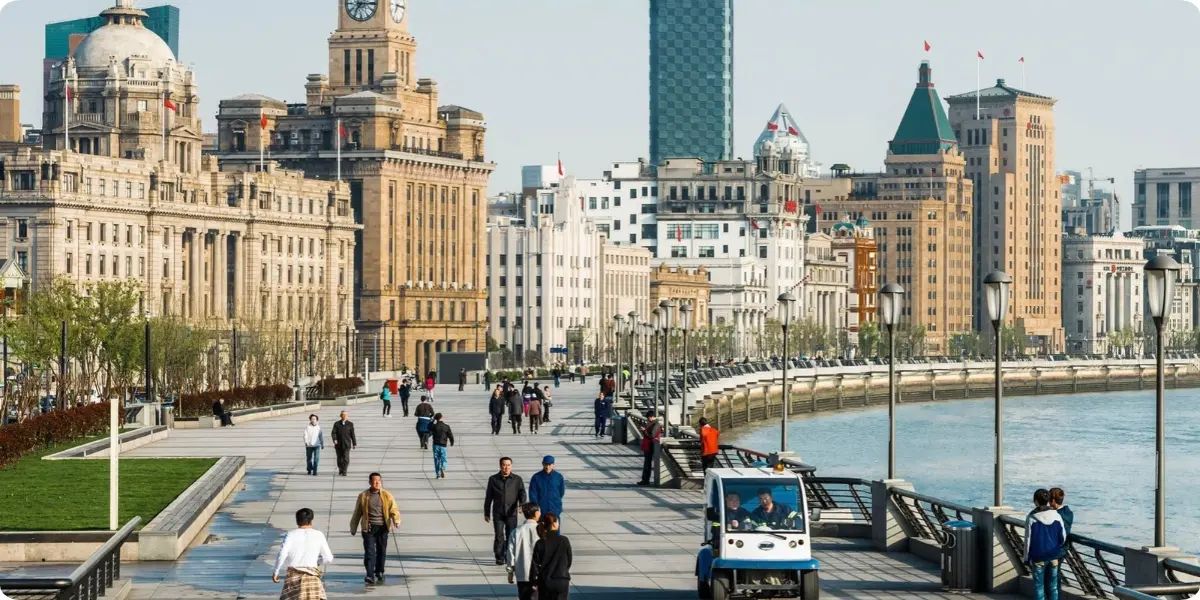
The elevated riverside walkway is the main attraction and costs nothing. Allow roughly one and a half to two hours to walk the full length at a relaxed pace with photo stops. The promenade sits on a raised embankment, so you look down on the river traffic. If you like waterfront strolls with market stops, the walk feels a little like what visitors do in Seattle, though here the backdrop is far more architectural.
2. Admire the Pudong Skyline
Face the river and the Lujiazui cluster fills the view, including the Oriental Pearl Tower and the supertall skyscrapers beside it. The view is clearest on low-haze days, so check the forecast if skyline photos matter to you.
3. Photograph Shanghai’s Historic Buildings
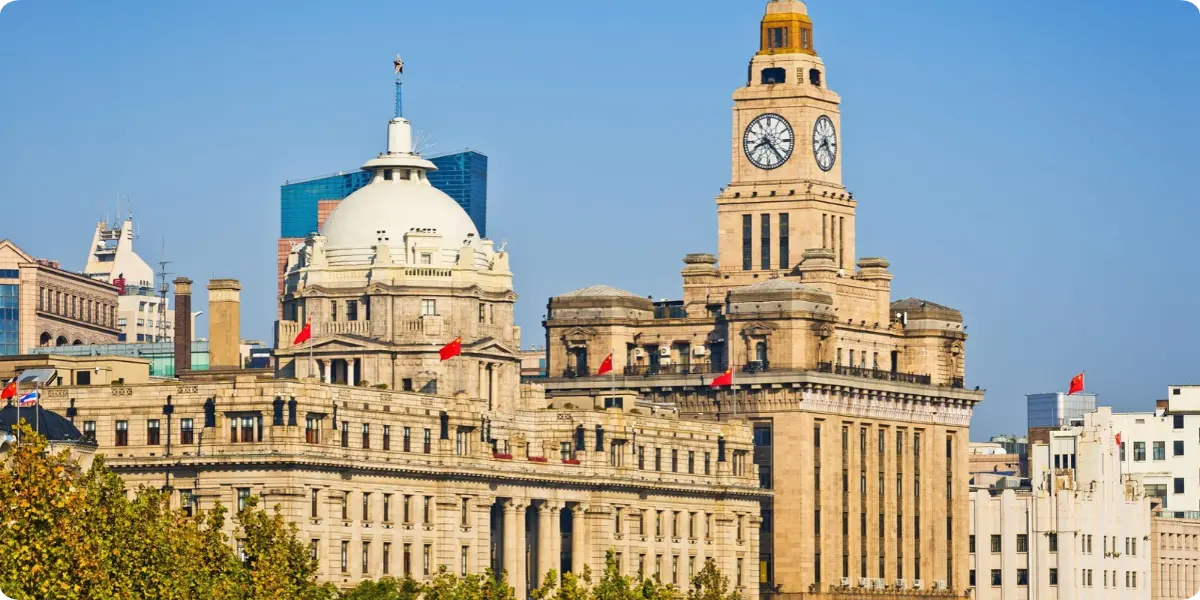
Turn around and shoot the facades along Zhongshan Road. A slightly angled shot from the promenade or the crossing near Nanjing Road helps you fit the Customs House clock tower and neighboring buildings in one frame.
4. Take a Huangpu River Ferry
The cheapest way onto the water is the public ferry from the Jinling Road wharf near the southern end of the Bund to the Dongchang Road wharf in Lujiazui. It is short, inexpensive and used by commuters as well as tourists. Check the current schedule and fare before you go.
5. Enjoy a Huangpu River Sightseeing Cruise
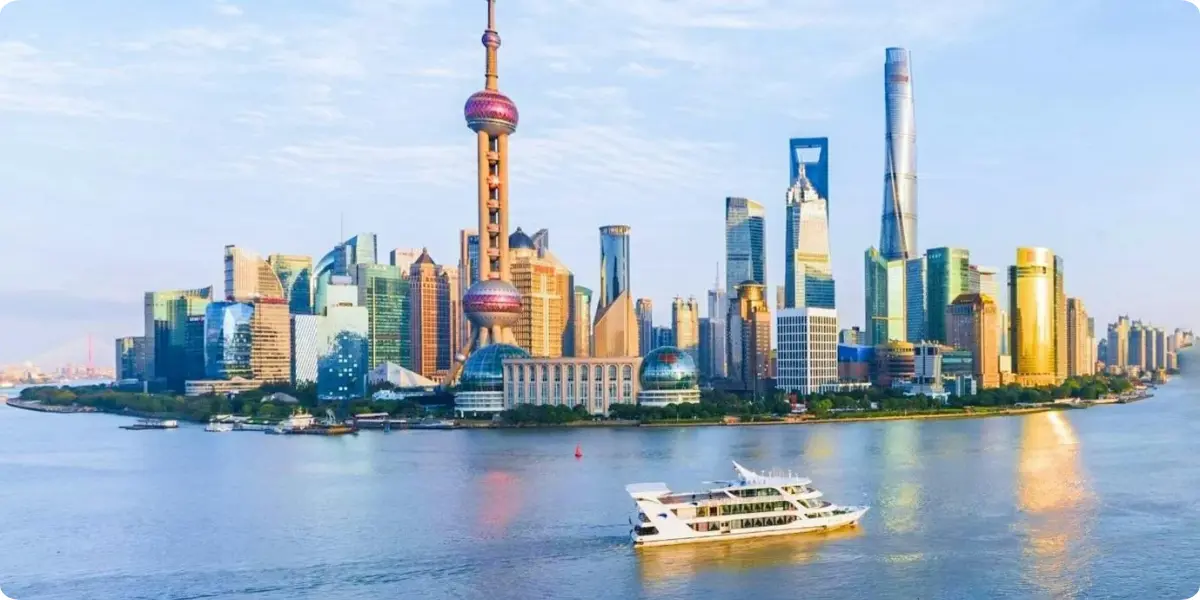
Several operators run sightseeing cruises from piers near the Bund. A cruise shows both riverbanks from the water, which is the best way to see how the old and new skylines face each other. Evening departures are popular because the buildings are lit.
6. Explore the Historic Streets Nearby
Step one block inland from the river and the atmosphere changes. Side streets hold converted banks, galleries and cafés, and the main shopping artery, Nanjing Road, starts almost at the waterfront.
7. Visit The Bund After Dark
Evening is when most visitors come. Both banks are lit, the river reflects the colors, and the promenade fills up. It is the same logic as any city worth seeing at night, as in our guide to things to do in London at night. Check local lighting times before you plan around them.
Famous Buildings to See at The Bund
Most buildings are numbered along the street, which makes them easy to find. You can usually admire the exteriors freely, while interior access depends on what the building is used for today.
1. The Customs House and Its Clock Tower
Completed in 1927, the Customs House is the clock tower most visitors photograph. Its clock and bell were built in England as an imitation of Big Ben. It is the visual anchor of the Bund and works well as a meeting point. Treat the exterior as the highlight, since internal access is not guaranteed.
2. The Peace Hotel
Formed from two neighboring buildings, the Peace Hotel includes the former Sassoon House and Cathay Hotel, built by Sir Victor Sassoon, and is long associated with jazz. You can admire the green pyramid roof from outside and, if the hotel’s public areas are open, step into its lobby and bar areas.
3. The Former HSBC Building
Completed in 1923, the former HSBC building was once described as among the most luxurious buildings between the Suez Canal and the Bering Strait. Today it is used by Shanghai Pudong Development Bank. It is known for its restored ceiling mosaics in the entrance hall, though visitor access varies, so confirm opening conditions before you rely on a visit inside.
4. The Bank of China Building
The Bank of China Building is notable for its blend of Art Deco form and Chinese-style decorative detail. Its modest height is often attributed to Sassoon’s insistence that no neighboring building rise higher than his own. It is best enjoyed from the street.
5. Other Historic Buildings Along the Waterfront
Several other buildings reward a slower look. The old Shanghai Club building has been a luxury hotel since 2010, the former Chartered Bank building now holds restaurants and an exhibition space, and the Gutzlaff Signal Tower, whose current structure dates to 1907, once gave weather signals to ships. Use the street numbers as your checklist as you walk.
Best Time to Visit The Bund
The best time depends on what you want from the visit.
- Early morning: Quiet, with locals exercising and the best conditions for unobstructed photos.
- Late afternoon: Softer light on the facades, and less intense than midday.
- Sunset: The river and glass towers change color, which makes this the most photogenic hour.
- After dark: Illuminated buildings and the lit skyline, with the biggest crowds.
By season, spring and autumn are generally the most comfortable for long walks. Our seasonal guides to the best places to visit in April and the best places to visit in May help you place Shanghai among other spring options. Summer is hot and humid, and winter is cooler. Haze, rain, and holiday crowds can affect visibility on any date.
How to Get to The Bund
1. Getting There by Metro
The metro is the easiest way. Lines 2 and 10 stop at East Nanjing Road station, and there is no station on the Bund itself. From the station it is about a five-minute walk toward the river along Nanjing Road. For a first look at routes, fares and lines, see this Shanghai metro guide, and read about Line 2, the east-west line most visitors use.
2. Getting There by Taxi or Ride-Hailing
Taxis and ride-hailing apps can drop you near the Bund, but traffic around the waterfront is heavy in the evening and on weekends. Ask the driver to stop a short walk away so you aren’t stuck in the queue, and have your destination written in Chinese.
3. Walking From Nanjing Road
If you are already on the Nanjing Road pedestrian street, you can walk east to the river. Its eastern end is close to the Bund, which makes it a natural combination.
4. Reaching The Bund From Shanghai Pudong International Airport
Line 2 runs from Pudong Airport to East Nanjing Road station. Allow about an hour for the metro journey. If you want to estimate straight-line distances between your hotel, the airport and the waterfront before you go, our distance calculator is a quick planning aid. Taxis are faster in light traffic and more expensive.
5. Reaching The Bund From Shanghai Hongqiao Railway Station
From Hongqiao Railway Station, take Line 2 or Line 10 toward East Nanjing Road. The journey is roughly 40 minutes, but check your line and direction because Hongqiao is a large transport hub with several stations.
Is The Bund Free to Visit?
Yes. Walking along the public promenade and viewing the buildings from the street costs nothing and has no ticket gate. Optional extras such as river cruises, the Bund Sightseeing Tunnel, rooftop bars, observation decks and restaurant meals do charge, but you can have a full visit without any of them. If you are budgeting for the wider trip, our trip cost calculator helps you plan which paid experiences are worth including.
How Long Do You Need at The Bund?
- Quick visit (45 to 60 minutes): A walk along the promenade, skyline photos and a look at the Customs House.
- Fuller visit (2 to 3 hours): A slower walk, time to study building details, a coffee or meal, and a short ferry crossing or cruise.
- Limited-time plan: Arrive in late afternoon, walk the promenade south to north, stay through sunset, and finish with the illuminated skyline.
If you are mapping out how many days to give Shanghai overall, try the trip duration calculator.
Best Places to Visit Near The Bund
1. Nanjing Road Pedestrian Street
Shanghai’s best-known shopping street starts almost at the river. It is busy, bright and commercial, and it pairs well with an evening Bund walk.
2. Yu Garden
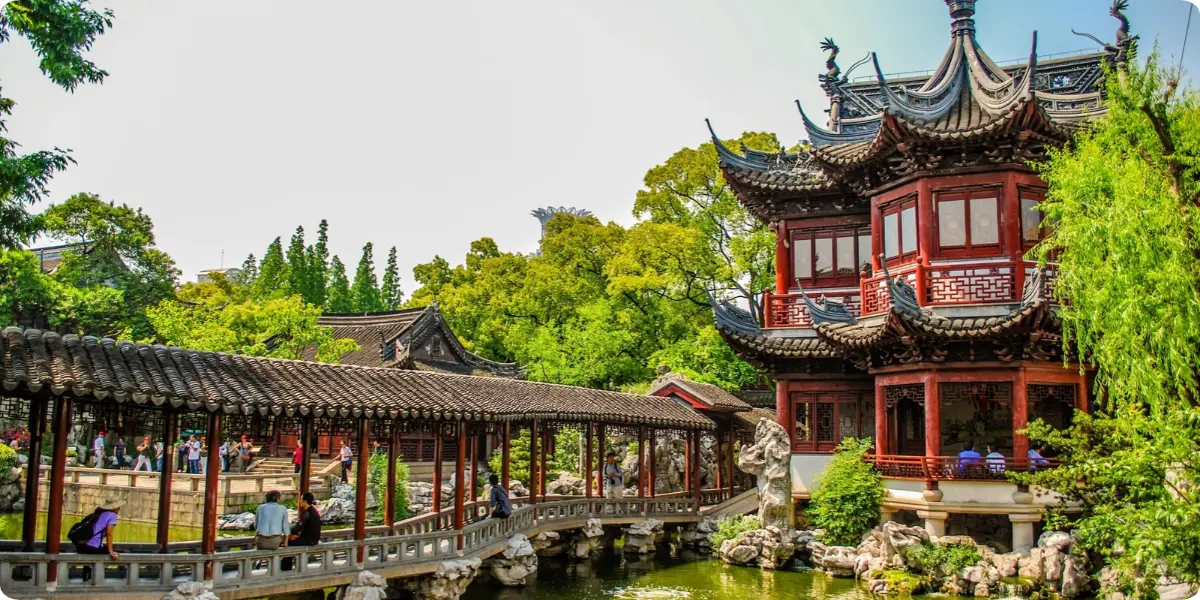
The classical Yu Garden dates back more than 450 years and sits in the old town, a short trip from the Bund. It gives a very different, traditional side of the city.
3. Lujiazui Financial District
Lujiazui is the modern skyline you see from the promenade. Reaching it means crossing the river by ferry, metro or the sightseeing tunnel.
4. Oriental Pearl Tower
The Oriental Pearl Tower is the pink-sphere landmark in Pudong, roughly 0.9 km from the Bund as the crow flies. Because it is across the Huangpu, you need to cross the river to visit it. For more on Shanghai’s top sights, see the Shanghai overview from China Highlights.
5. North Bund Waterfront
North of Suzhou Creek, the waterfront extends into a quieter stretch, often called the North Bund. It is less crowded and good if you want a calmer walk.
Where to Eat Near The Bund
The area offers everything from street snacks to high-end dining. For local Shanghai cuisine, look for dumplings, soup dumplings, braised pork and noodle dishes in the side streets. Casual restaurants and cafés are easy to find around East Nanjing Road. Waterfront and rooftop restaurants offer views but usually carry a price premium, so check menus and prices before you sit down. If you are comparing meal costs across cities, our restaurants section and a currency tool such as our currency converter calculator help you judge value.
Where to Stay Near The Bund
For first-timers, the area around the Bund and East Nanjing Road is a convenient base, with multiple metro lines in walking distance. Options include:
- Waterfront-view hotels: Best for night views, usually the most expensive.
- East Nanjing Road area: Strong transport links and plenty of restaurants.
- Budget alternatives farther inland: Lower prices, a short metro or walking trip to the river.
Pick a base near Line 2 or Line 10, since those lines connect to the airports and major attractions. Browse our hotels section for ideas on how to compare properties.
Practical Tips for Visiting The Bund
- Check the sunset time and the current illumination schedule before you plan an evening visit.
- Expect larger crowds in the evening, on weekends and during public holidays.
- Keep bags and phones secure in busy spots.
- Check the last metro departure before you stay late.
- Verify ferry and cruise schedules, and check for holiday crowd-control measures. Large New Year’s Eve gatherings have caused serious crowd-safety problems in the past, so follow local notices at peak times.
- Carry a payment method that works in China and have offline maps ready.
For a broader approach to organizing a trip, see our travel planning hub.
Is The Bund Worth Visiting?
For most first-time visitors to Shanghai, yes. It is free, easy to reach, and shows the city’s contrast between history and modern ambition better than almost any other single spot. It suits architecture lovers, photographers, first-timers and anyone who enjoys a skyline walk. The downsides are crowds, commercial activity and the fact that many buildings are best appreciated from the outside. If it is your first big city abroad, our London first-time visitor guide shows how we approach planning a first trip. My recommendation: go in the late afternoon, stay through sunset and enjoy the lit skyline.
Frequently Asked Questions About The Bund
Where is The Bund located?
The Bund is on the western bank of the Huangpu River in central Shanghai, in the Huangpu district. It runs along Zhongshan Road from Yan’an Road in the south to Waibaidu Bridge in the north, facing the Lujiazui district across the water.
What is The Bund famous for?
The Bund is famous for its row of historic European-style and Art Deco buildings, its views of the Pudong skyline, and its role in Shanghai’s early twentieth-century commercial history. It is also known for its illuminated night views.
Is The Bund free to visit?
Yes. Walking the public promenade and seeing the buildings from the street is free. Cruises, the sightseeing tunnel, observation decks, rooftop venues and restaurants charge, but none are required for a good visit.
Can you visit The Bund at night?
Yes, and many people consider night the best time. The historic buildings and the Pudong towers are illuminated, and the promenade is busy. Check the current lighting schedule, and note the last metro times if you plan to stay late.
What is the best time to see The Bund?
Late afternoon through sunset is the best all-round window, with soft light followed by illuminated views. Early morning is quieter. Spring and autumn are generally the most comfortable seasons, while summer is hot and humid.
How long should you spend at The Bund?
Plan about one hour for a quick walk and photos. Two to three hours is better if you want to study the buildings, eat nearby, or take a ferry or cruise. Evening visits often run longer.
Which metro station is closest to The Bund?
East Nanjing Road station, served by Lines 2 and 10, is the closest. There is no station on the Bund itself, so expect a walk of about five minutes toward the river along Nanjing Road.
Can you see the Oriental Pearl Tower from The Bund?
Yes. The tower stands across the Huangpu River in Pudong and is clearly visible from the promenade, particularly at night when it is lit. You need to cross the river to visit it.
Is The Bund suitable for families?
Yes. The promenade is wide, free and mostly flat. Visit earlier in the day or in the late afternoon to avoid evening crowds, keep children close near the river edge and in busy areas, and plan food stops in advance.
Is The Bund worth visiting on a short trip to Shanghai?
Yes. It is free, central and quick to see, so it fits almost any itinerary. If you only have a few hours, prioritize a sunset walk and the illuminated skyline.
Conclusion
The Bund works because it is simple: a free riverside walk with history on one side and the future on the other. Come in the late afternoon, walk the promenade, stay for sunset and see the lights come on, subject to current lighting times. When you are ready to plan more of your trip, explore our travel guides and things to do hubs, or look at how we cover another historic port town in our Hoi An Vietnam guide.

Arman Ashraf is a content writer focused on travel and tourism. He creates practical, well-researched travel guides, destination articles, and travel tips designed to help readers plan trips with greater confidence. His work combines clear, engaging writing with SEO best practices, covering destinations, things to do, travel planning, and useful advice for travelers. Arman is committed to producing helpful content that makes discovering and planning travel easier.