
Istanbul welcomes over 20 million visitors annually, making it one of the world’s most-visited cities, and seasoned travelers consistently point to April through May and September through October as the sweet spot for a visit. During these shoulder seasons, daytime highs typically range from 17°C to 25°C (63°F to 77°F), based on multi-year climate averages, offering comfortable conditions for walking between Istanbul’s historic neighborhoods without the intensity of peak summer heat. September sees roughly 25°C average highs and only about five rainy days, while October cools to near 20°C with slightly more rainfall, around seven rainy days on average. These conditions make it easier to cover ground on foot between major sites like the Hagia Sophia, Blue Mosque, and Topkapi Palace without exhausting midday heat or winter’s damp chill.
That said, no single month suits every traveler, and local travel advisors generally agree the right choice comes down to priorities. Summer (June to August), when temperatures regularly climb above 27°C (80°F), works well for long evenings, Bosphorus cruises, and outdoor dining, though it also draws the largest crowds of the year. Winter (November to February) sees the fewest visitors and can bring snow and rain, with December averaging around 105mm of rainfall, appealing mainly to travelers who prefer quieter streets and don’t mind planning around wetter weather.
Istanbul is genuinely a year-round destination, and the right time to visit depends on personal priorities weather, crowd levels, prices, local events, or how much outdoor sightseeing you plan to do. Checking a seasonal weather chart before booking can help match your trip to your comfort threshold and travel style.
When Is the Best Time to Visit Istanbul?
For most travelers, April, May, September, and October are the strongest choices.
According to Türkiye’s State Meteorological Service, Istanbul’s long-term average temperature is about 12.9°C in April, 17.6°C in May, 21.2°C in September, and 16.7°C in October. Average rainfall is also relatively moderate in these months compared with the wetter winter period.
1. Best Overall Time
April to May and September to October are the best overall months for a first trip.
Spring brings mild temperatures and the city’s famous tulip displays, while September and October offer comfortable walking conditions after the summer heat begins to fade. These periods are particularly convenient if your itinerary includes several historic sites in one day.
2. Best Time for Good Weather
May and September are excellent choices if comfortable sightseeing weather is your priority.
May is warmer than April without reaching the average summer highs, while September remains warm but is considerably more comfortable than the hottest part of July and August.
3. Best Time for Fewer Crowds
For fewer visitors, look toward November through February, with the trade-off being cooler and wetter weather.
Winter is not automatically a bad time to visit Istanbul. It simply requires a different style of trip. You can spend more time in museums, palaces, covered markets, cafés, and historic interiors while keeping outdoor sightseeing flexible.
4. Cheapest Time to Visit Istanbul
Winter is generally the period to investigate first if your main goal is to reduce accommodation costs, although actual prices depend heavily on dates, events, weekends, and hotel demand.
Rather than assuming one month will always be the cheapest, compare several dates before booking. Istanbul’s tourism demand changes throughout the year, and major events can affect prices even outside the traditional summer season.
Istanbul Weather by Season
Istanbul experiences noticeable seasonal changes. Official long-term climate data shows average temperatures rising from around 6.8°C in January to 24.7°C in July and August, before falling again through autumn.
| Season | Typical Conditions | Crowds | Best For |
|---|---|---|---|
| Spring | Mild, increasingly warm | Moderate | Sightseeing, parks, photography |
| Summer | Warm to hot | High | Cruises, nightlife, long evenings |
| Fall | Warm at first, cooler later | Moderate | Walking, culture, photography |
| Winter | Cool and wetter | Lower | Museums, indoor attractions, budget trips |
1. Spring in Istanbul
Spring is one of the easiest seasons for sightseeing.
March can still feel cool, but conditions improve through April and May. Official averages rise from 8.5°C in March to 12.9°C in April and 17.6°C in May. Rainfall also tends to be lower in May than in the winter months.
April is particularly attractive for travelers who want to combine historic sightseeing with Istanbul’s spring atmosphere. Parks and public spaces fill with tulips, and the weather is usually comfortable enough for long walking days.
May is warmer and often a little easier for outdoor plans. It is a strong choice if you want to combine attractions such as the Blue Mosque and Grand Bazaar with neighborhoods, viewpoints, and time along the Bosphorus.
2. Summer in Istanbul
Summer runs from June through August and brings Istanbul’s warmest conditions.
Official climate statistics put the average temperature at 22.2°C in June and 24.7°C in both July and August, while average high temperatures reach about 29.7°C in July and August.
Summer has real advantages. Days are long, outdoor restaurants are lively, and Bosphorus cruises are appealing when the weather cooperates. The main downside is that walking around the historic center during the hottest part of the day can become tiring.
If you visit during summer, start major outdoor sightseeing early. Save museums, covered markets, cafés, and other indoor attractions for the warmer afternoon hours.
3. Fall in Istanbul
Fall is another excellent season, particularly September and October.
September still feels summery, with an official average temperature of 21.2°C. By October, the average falls to 16.7°C, creating cooler conditions for walking and sightseeing. November is considerably wetter, with average monthly rainfall reaching 78.1 mm in the 1950–2025 climate record.
September is a particularly useful compromise for travelers who want warmth without the strongest summer conditions. October works well for people who prefer cooler temperatures and longer walking days.
November can still be rewarding, but your itinerary should have more flexibility for rainy weather.
4. Winter in Istanbul
Winter is the coolest and generally wetter part of the year.
Average temperatures are approximately 9.0°C in December, 6.8°C in January, and 6.9°C in February. January and December also have considerably more rainy days than July and August.
Snow is possible, although it is not something you should plan your entire trip around. When winter weather turns cold, Istanbul’s indoor attractions become particularly valuable.
A winter itinerary can work very well if you enjoy museums, historic buildings, Turkish food, covered markets, cafés, and a slower pace.
Best Month to Visit Istanbul
Choosing a specific month depends on what you want from the trip.
1. Istanbul in January

January is one of the coldest months, with a long-term average temperature of about 6.8°C and an average high of around 9.6°C. It is also relatively wet.
The advantage is that you can experience Istanbul with a quieter winter atmosphere. Plan around indoor attractions and use clear-weather periods for outdoor walks.
Best for: budget-conscious travelers, museums, food-focused trips, and visitors who do not mind cold weather.
2. Istanbul in February

February remains cold, with an average temperature of about 6.9°C. Rain is still common, so waterproof layers and flexible plans are useful.
This is not the month I would choose for someone whose main goal is spending all day outdoors, but it can work well for travelers interested in Istanbul’s cultural and culinary side.
Best for: quieter sightseeing, museums, cafés, and indoor attractions.
3. Istanbul in March
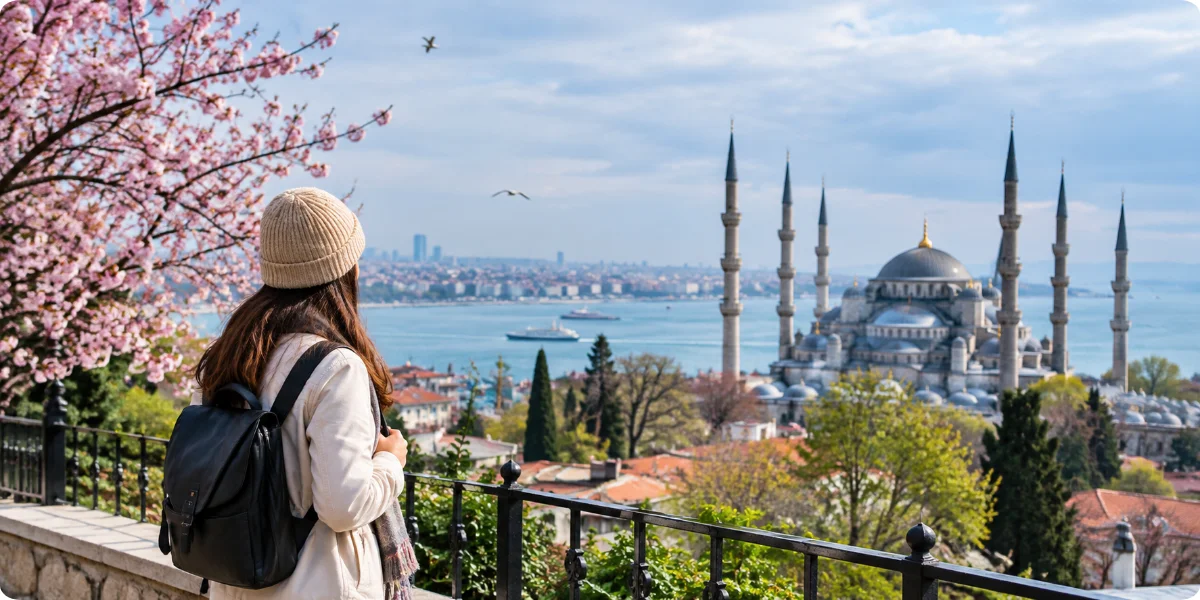
March marks the transition toward spring.
The official average temperature rises to about 8.5°C, and rainfall is lower than in January and February.
Weather can still change quickly, so layers are more practical than packing exclusively for warm conditions.
Best for: travelers who want spring to begin without visiting during the busier summer period.
4. Istanbul in April
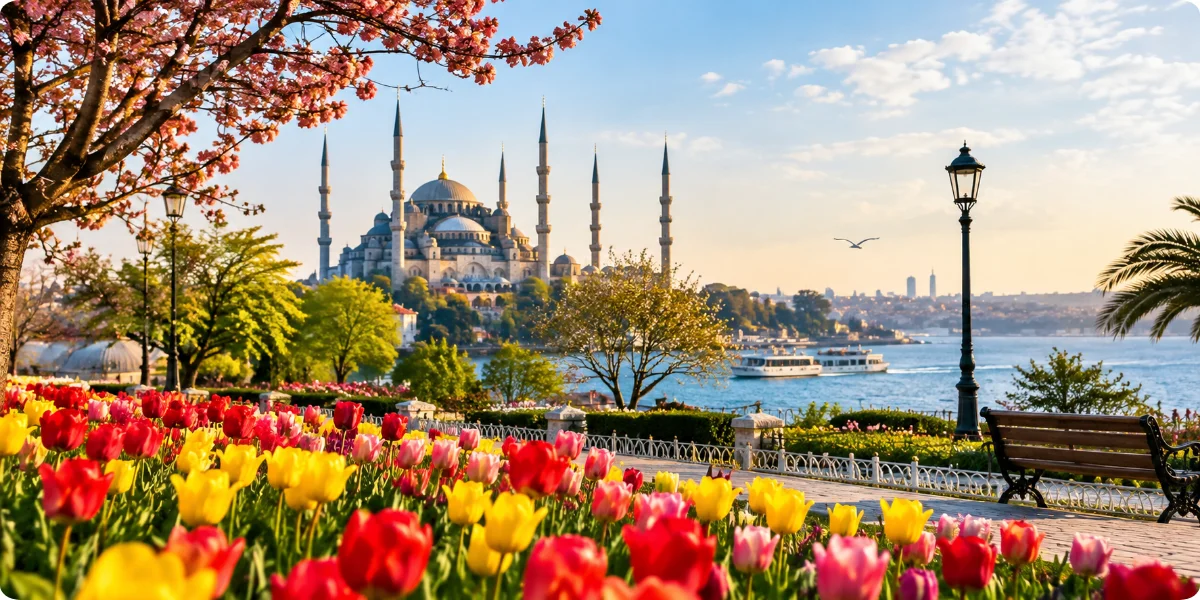
April is one of the most appealing months for Istanbul.
The average temperature is about 12.9°C, with an average high around 17.4°C in the long-term climate record.
April also brings Istanbul’s well-known tulip displays. The exact flowering period can shift with weather, so travelers interested in tulips should check current information before finalizing dates.
Best for: first-time visitors, photographers, parks, walking tours, and historic sightseeing.
5. Istanbul in May

May is arguably one of the easiest months for a first visit.
The long-term average temperature is 17.6°C, while the average high is about 22.3°C. Average rainfall is also relatively low compared with much of the year.
The weather is warm enough for long days outside without the intensity of midsummer.
Best for: first-time visitors, families, couples, walking tours, and Bosphorus activities.
6. Istanbul in June

June brings warmer weather, with an average temperature of approximately 22.2°C and an average high of 27.1°C.
This is a good transition month if you want summer-style activities but would rather avoid the hottest part of the season.
Best for: cruises, outdoor dining, longer days, and active sightseeing.
7. Istanbul in July

July is among Istanbul’s warmest months.
The long-term average temperature is about 24.7°C, while the average high is close to 29.7°C.
The heat can make long walking routes uncomfortable in the middle of the day. If you visit in July, schedule major outdoor attractions for morning or late afternoon.
Best for: travelers who enjoy warm weather, long evenings, cruises, and summer atmosphere.
8. Istanbul in August

August has almost identical long-term average temperatures to July, at about 24.7°C, with an average high of approximately 29.7°C.
It is a good month for summer activities, but travelers who dislike heat or crowds may prefer May, September, or October.
Best for: summer vacations, nightlife, outdoor dining, and Bosphorus experiences.
9. Istanbul in September

September is one of the strongest months for visiting Istanbul.
The long-term average temperature is around 21.2°C, while the average high is approximately 25.9°C.
The month retains much of summer’s energy while becoming more comfortable for walking.
Best for: first-time visitors, sightseeing, photography, couples, and outdoor activities.
10. Istanbul in October

October is another excellent choice.
The average temperature drops to around 16.7°C, with an average high near 20.6°C.
For travelers who want to spend hours exploring neighborhoods on foot, this cooler weather can be an advantage.
Best for: walking tours, historic attractions, photography, and travelers who prefer mild temperatures.
11. Istanbul in November
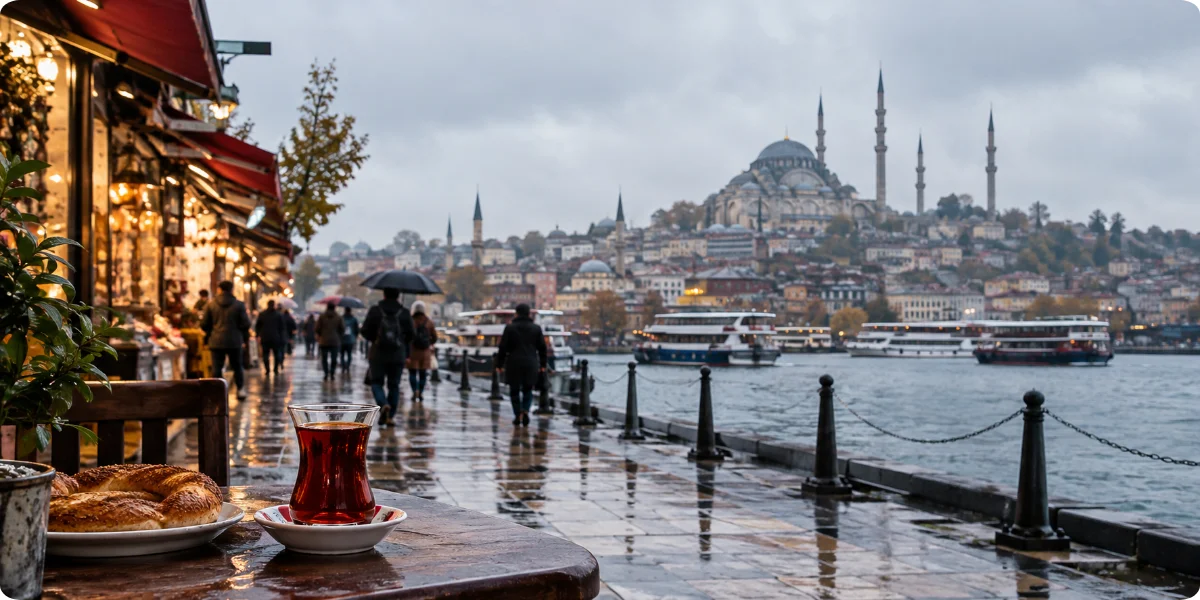
November is noticeably cooler and wetter.
The long-term average temperature is around 12.6°C, and average monthly rainfall is approximately 78.1 mm.
The upside is that you can often build a quieter trip around museums, historic interiors, food, and covered markets.
Best for: cultural travelers, food lovers, and visitors who prefer avoiding peak-season conditions.
12. Istanbul in December
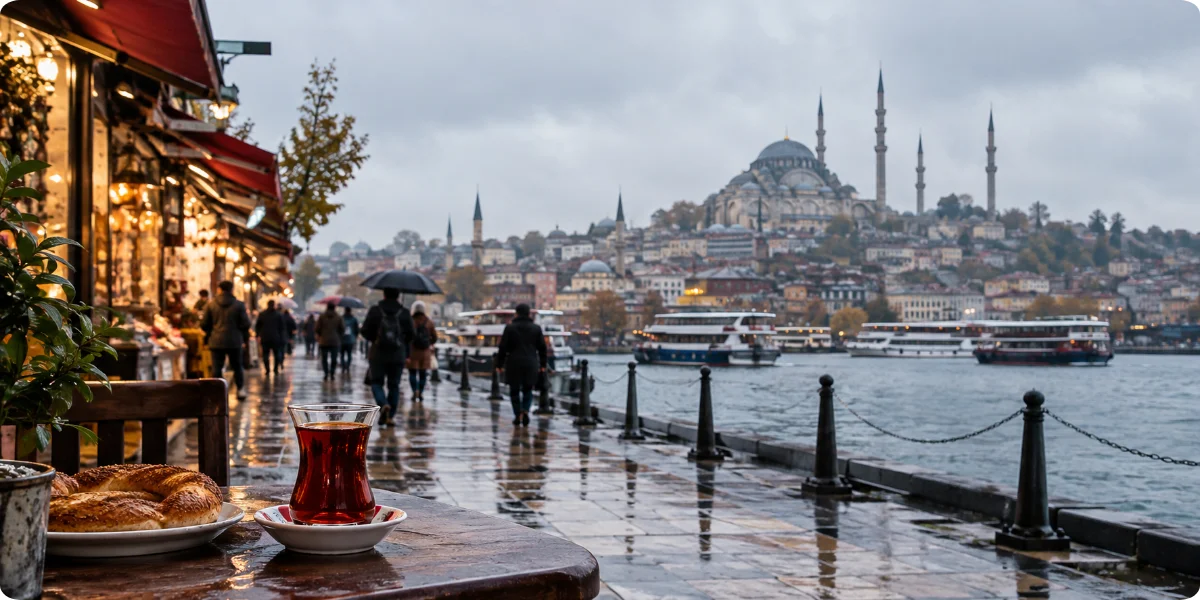
December brings winter conditions, with an average temperature of approximately 9.0°C and an average high of around 11.8°C.
Rain is common, so keep your daily schedule flexible. The city’s indoor attractions make it possible to have a full itinerary even when the weather is poor.
Best for: winter city breaks, museums, food, shopping, and travelers interested in seasonal atmosphere.
Best Time to Visit Istanbul for Different Types of Travelers
The ideal travel month changes depending on how you plan to experience the city.
1. Best Time for First-Time Visitors
Choose April, May, September, or October.
These months make it easier to combine major landmarks with long walks through historic neighborhoods without dealing with the strongest summer heat or the wettest winter conditions.
If this is your first Istanbul trip, our Istanbul Travel Guide for First-Time Visitors can help you build the rest of your itinerary around the season you choose.
2. Best Time for Families
May and September are particularly practical.
Families often spend more time outdoors than they expect, especially when visiting attractions on both sides of the city. Moderate temperatures make long sightseeing days easier.
Before booking, also consider school holidays because crowd levels and accommodation demand can change significantly.
3. Best Time for Couples
Spring and early fall are excellent for couples.
May and September offer comfortable temperatures for walking around neighborhoods, enjoying waterfront views, and planning evening meals without building the entire trip around extreme heat.
4. Best Time for Budget Travelers
Winter and shoulder-season dates are worth comparing first.
However, do not assume that every winter date will be cheaper. Hotel rates can vary with weekends, holidays, conferences, and special events.
5. Best Time for Photographers
April–May and September–October provide particularly useful conditions.
Spring offers flowers and fresh greenery, while autumn can bring softer light and cooler walking conditions. Early mornings are useful throughout the year if you want quieter streets around major landmarks.
6. Best Time for Bosphorus Cruises
Late spring, summer, and early fall are generally the easiest periods for spending time on the water.
That does not mean winter cruises are impossible. Wind, rain, and colder temperatures simply make the experience more weather-dependent.
Best Time to Visit Istanbul for Fewer Crowds
If avoiding crowds is your main priority, consider late fall and winter.
The busiest periods tend to coincide with favorable summer travel conditions and school holidays. During quieter months, you may find it easier to move around the historic center without feeling rushed.
However, crowd levels are not determined only by the season. Major attractions can become busy at almost any time of year, particularly during the middle of the day.
For a better experience, visit major landmarks early. A morning start can be more useful than choosing an entirely different month.
This is especially helpful at places such as Hagia Sophia, the Blue Mosque, Topkapi Palace, and the Grand Bazaar.
Best Time to Visit Istanbul on a Budget
There is no universal cheapest month for every traveler, but winter and shoulder-season dates are sensible places to start comparing prices.
Instead of looking only at the room rate, compare the total trip cost:
- Flights
- Hotel
- Airport transportation
- Attractions
- Tours
- Food
- Travel insurance
- Seasonal activities
Türkiye remains a major international tourism destination. National tourism statistics reported $65.23 billion in tourism income for 2025, showing the scale of demand across the country.
For Istanbul specifically, the best strategy is to compare several dates around your preferred month rather than assuming that a particular season automatically guarantees a bargain.
Is Summer a Good Time to Visit Istanbul?
Yes, summer can be a very good time to visit Istanbul if you enjoy warm weather and long days.
The main advantage is the amount of time available for outdoor activities. Bosphorus cruises, waterfront dining, evening walks, and neighborhood exploration all fit naturally into a summer itinerary.
The downside is heat. July and August have long-term average highs of approximately 29.7°C, and temperatures can be higher during individual heat events.
A good summer strategy is simple: visit major outdoor attractions early, take a slower afternoon break, and return outside later when temperatures become more comfortable.
Is Winter a Good Time to Visit Istanbul?
Winter is a good time to visit Istanbul if you are comfortable with cold and wet weather.
January and February average around 6.8–6.9°C, and December is around 9.0°C. Rain is considerably more common in winter than in midsummer.
The benefit is that winter naturally pushes you toward some of Istanbul’s best indoor experiences: museums, historic palaces, covered markets, cafés, restaurants, and cultural venues.
Pack warm layers and waterproof footwear, and avoid creating an itinerary that depends entirely on outdoor sightseeing.
Best Time to Visit Istanbul for Major Attractions
1. Hagia Sophia
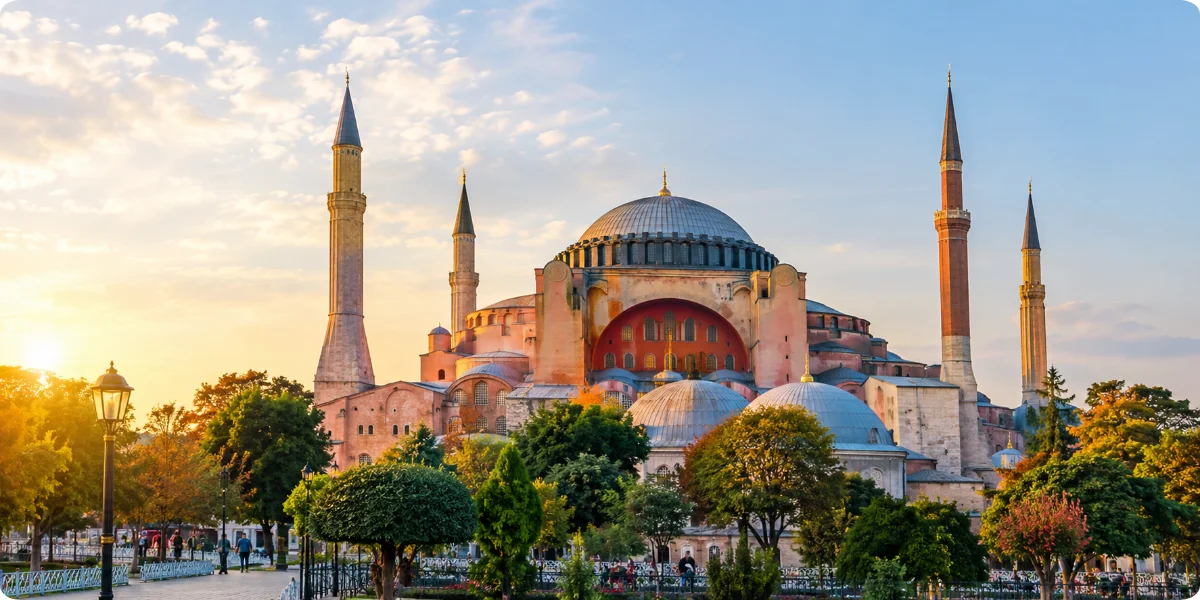
Spring and fall are excellent for combining Hagia Sophia with other historic sites in Sultanahmet.
Go early when possible, particularly during busier travel periods.
2. Blue Mosque
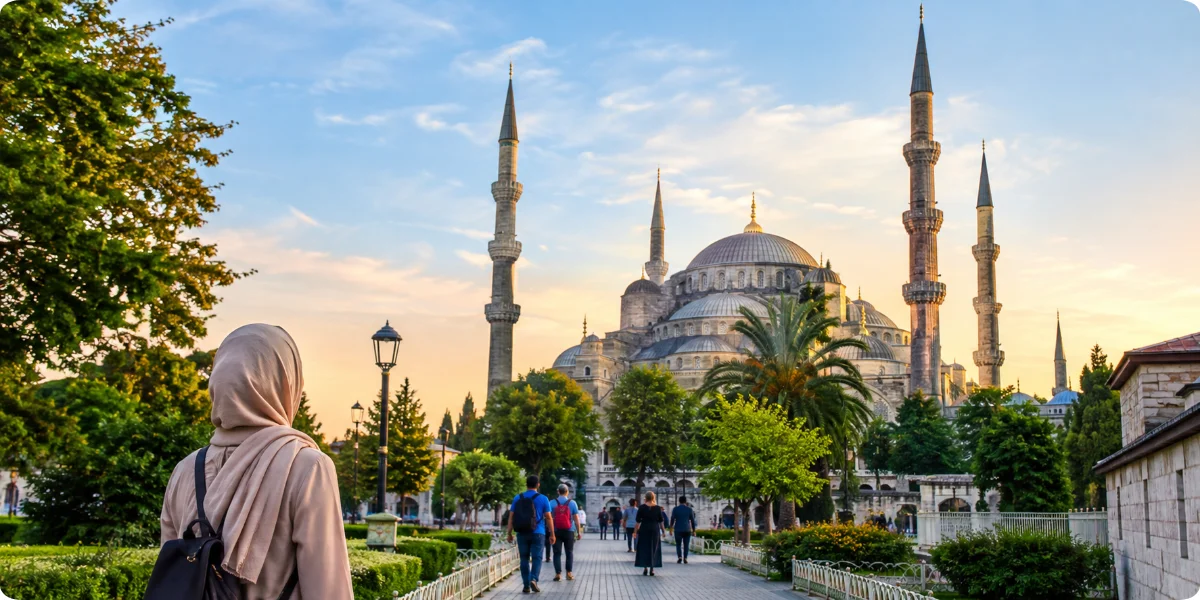
The Blue Mosque is easiest to combine with nearby attractions during mild weather. Remember that it is an active place of worship, so visitors should follow current visitor rules and dress appropriately.
3. Topkapi Palace

Topkapi Palace benefits from comfortable outdoor temperatures because parts of the complex involve walking between buildings and viewpoints.
April, May, September, and October are particularly convenient.
4. Grand Bazaar
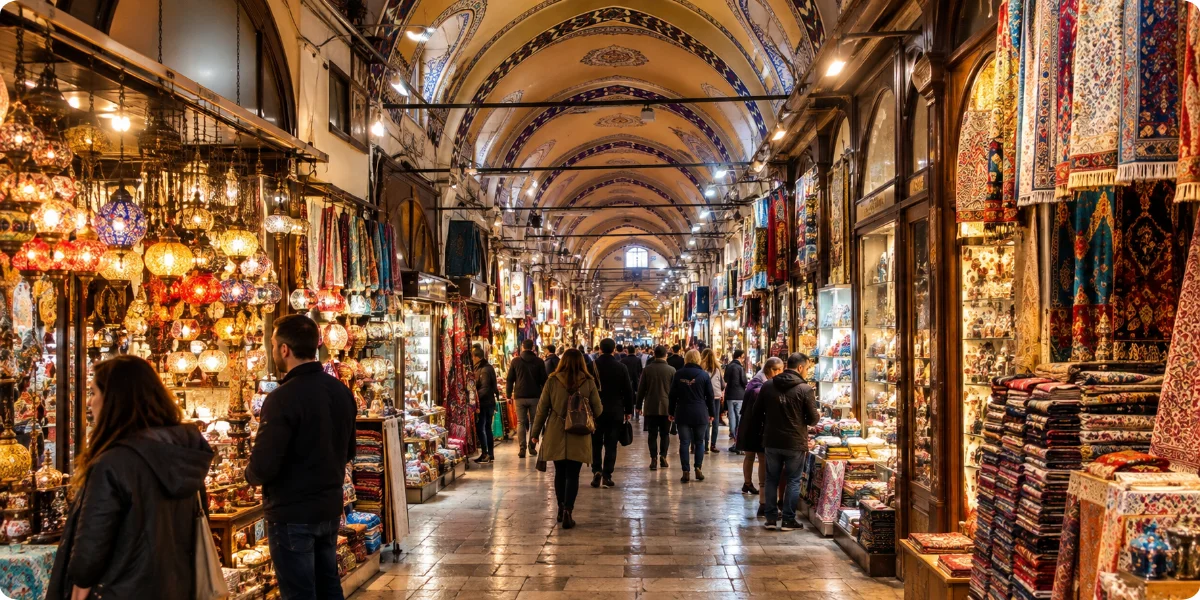
The Grand Bazaar is useful in almost any season because much of the experience takes place indoors.
That makes it a particularly good addition to rainy or cold-weather itineraries.
5. Galata Tower

Clear weather matters more than a particular season if panoramic views are your priority.
If visibility is poor, consider moving your visit to another day rather than forcing it into a fixed schedule.
6. Bosphorus Cruise

Late spring through early fall is generally the easiest period for enjoying time on the water.
Summer offers long daylight hours, while September can provide a comfortable middle ground between summer warmth and autumn coolness.
7. Dolmabahçe Palace

The palace works well as part of a mixed indoor-outdoor day.
If the weather is unsettled, pair it with another indoor attraction rather than planning a full day outside.
8. Princes’ Islands

Spring, summer, and early fall are generally the most attractive periods for spending time on the islands.
Check the ferry schedule and weather before leaving because conditions on the water can differ from the city center.
Istanbul Events and Festivals by Season
Istanbul’s calendar changes from year to year, so check official event information before booking specifically for a festival.
1. Istanbul Tulip Festival
April is associated with Istanbul’s annual tulip displays. The city’s parks and public spaces become major attractions during the spring bloom period.
The exact peak can vary with weather, so do not treat a fixed flowering date as guaranteed.
2. Istanbul Film Festival
The Istanbul Film Festival is traditionally held in spring and can be interesting for travelers who enjoy cinema and cultural events.
3. Istanbul Music Festival
The Istanbul Music Festival generally takes place in the warmer part of the year and brings performances to different venues around the city.
4. Istanbul Jazz Festival
Summer is an appealing period for travelers interested in Istanbul’s music scene, including jazz and outdoor cultural programming.
5. Istanbul Biennial
The Istanbul Biennial is held on a different schedule from annual festivals, so check the current edition before planning your trip around it.
6. Ramadan and Eid
Ramadan and Eid dates change each year because they follow the Islamic lunar calendar.
Travelers visiting during these periods should check current dates and understand that opening hours, dining patterns, and public life can change.
How Many Days Do You Need in Istanbul?
The season can influence how much you can comfortably fit into each day.
1. 2 Days in Istanbul
Two days can cover the essential historic center, but the schedule will be fairly busy.
Focus on Sultanahmet, a major bazaar, and one Bosphorus-related experience.
2. 3 Days in Istanbul
Three days gives you a much better balance.
You can combine historic landmarks with neighborhoods such as Galata, Karaköy, Kadıköy, or Üsküdar without turning every day into a race between attractions.
3. 4–5 Days in Istanbul
Four or five days allow you to slow down.
You can explore both European and Asian sides of the city, take a longer Bosphorus experience, visit additional museums, and leave room for weather changes.
If you are deciding between different trip lengths, see our How Many Days Do You Need in Istanbul? guide.
What to Pack for Istanbul by Season
1. Spring Packing List
Bring:
- Lightweight layers
- Comfortable walking shoes
- Light jacket
- Compact umbrella
- Sunglasses
- Modest clothing for religious sites
April can be changeable, so layers are more useful than relying on a single heavy jacket.
2. Summer Packing List
Pack:
- Lightweight clothing
- Comfortable walking shoes
- Sun protection
- Sunglasses
- Reusable water bottle
- Light layer for evenings
Comfortable shoes are particularly important because Istanbul involves considerably more walking than first-time visitors sometimes expect.
3. Fall Packing List
Bring:
- Layers
- Comfortable shoes
- Light-to-medium jacket
- Rain protection
- Sunglasses
September can still feel summery, while October and especially November become cooler.
4. Winter Packing List
Pack:
- Warm jacket
- Waterproof outer layer
- Warm socks
- Comfortable waterproof shoes
- Scarf
- Gloves
- Compact umbrella
Winter clothing becomes more important if you plan to spend extended periods around the Bosphorus.
Tips for Choosing the Best Time to Visit Istanbul
1. Choose your season around your priorities.
If weather matters most, start with May or September.
2. Do not judge the whole season from one forecast.
Climate averages describe long-term patterns, not the exact weather during your trip.
3. Leave flexibility in your itinerary.
Rain or strong wind can make a Bosphorus cruise or long outdoor walking route less appealing.
4. Start sightseeing early.
This can help with both heat and crowds.
5. Compare hotel prices across several dates.
A few days can sometimes make a meaningful difference.
6. Check event dates before booking.
Festivals, conferences, holidays, and major events can influence demand.
7. Pack for the season, not just the average temperature.
Istanbul’s weather can change during the day.
8. Keep indoor alternatives ready.
Museums, palaces, markets, cafés, and restaurants make it easy to adapt a rainy day.
For more practical planning advice, see our Istanbul Travel Tips for First-Time Visitors.
Frequently Asked Questions About the Best Time to Visit Istanbul
What is the best month to visit Istanbul?
May and September are two of the best months to visit Istanbul. May offers mild spring weather, while September combines warm conditions with less intense summer heat. April and October are also excellent choices for travelers who prefer cooler temperatures.
What is the best time of year to visit Istanbul?
Spring and fall are generally the best seasons to visit Istanbul. April through May and September through October offer a good balance of comfortable weather and sightseeing conditions.
Is April a good time to visit Istanbul?
Yes. April is an excellent month for Istanbul, particularly for travelers interested in walking tours, historic attractions, parks, and tulip displays. The long-term average temperature is about 12.9°C, with an average high around 17.4°C.
Is May a good time to visit Istanbul?
Yes. May is one of the strongest months for a first visit. Average temperatures are around 17.6°C, with average highs near 22.3°C, making long sightseeing days comfortable for many travelers.
Is September a good time to visit Istanbul?
Yes. September is one of the best months for comfortable outdoor sightseeing. Istanbul’s long-term average temperature is about 21.2°C, with average highs around 25.9°C.
Is October a good time to visit Istanbul?
Yes. October is particularly good for travelers who prefer cooler temperatures. The long-term average temperature is approximately 16.7°C, while the average high is around 20.6°C.
What is the cheapest month to visit Istanbul?
There is no guaranteed cheapest month because prices depend on flights, hotels, weekends, holidays, and events. Winter and shoulder-season dates are generally the first periods worth comparing if saving money is your priority.
What is the hottest month in Istanbul?
July and August have the highest long-term average temperatures, at approximately 24.7°C, with average highs around 29.7°C. Individual heatwaves can push temperatures substantially higher.
Does it snow in Istanbul?
Yes, snow can occur in Istanbul, but it is not a reliable part of every winter. If snow is important to your trip, check the forecast close to your travel dates rather than planning around historical averages.
How many days are enough for Istanbul?
Three days is a good starting point, while four to five days allows a more relaxed experience. The ideal length depends on whether you want only the major landmarks or also want to explore neighborhoods on both sides of the Bosphorus.
Is Istanbul better in summer or winter?
Neither is universally better. Summer is better for warm weather, long days, cruises, and outdoor activities. Winter is better for quieter sightseeing, indoor attractions, and travelers comfortable with colder and wetter conditions.
When is Istanbul least crowded?
Late fall and winter generally offer quieter conditions, although individual attractions can still be busy. Early mornings are useful year-round if you want to avoid the largest crowds at major landmarks.
Final Verdict: When Should You Visit Istanbul?
For most travelers, the best time to visit Istanbul is April to May or September to October.
Choose April or May if you want spring weather, tulips, and comfortable walking conditions. Choose September if you want warm weather without the strongest summer heat. Choose October if you prefer cooler temperatures and long sightseeing walks.
If your priority is lower crowds and potentially better-value accommodation, consider winter or late fall, but be prepared for more rain and colder temperatures.
Summer is still a good choice if you enjoy warm weather, long evenings, outdoor dining, and Bosphorus activities. The key is to plan around the heat rather than avoid the season entirely.
Ultimately, Istanbul does not have one perfect travel month. The best choice is the season that matches how you want to experience the city, and for a first visit, May and September are two of the safest all-around choices.
Please Read More Related Articles:
Is Istanbul Worth Visiting? A Detailed Travel Guide
Istanbul Travel Guide for First-Time Visitors
Best Time to Visit Turkey | A Month-by-Month Guide for Every Traveler
Puglia, Italy | Best Places, Things to Do & Travel Guide
Things to Do in Iceland | Amazing Experiences & Places
Where Is Belize? Location, Map, Geography & Travel Guide for First-Time Visitors

Arman Ashraf is a content writer focused on travel and tourism. He creates practical, well-researched travel guides, destination articles, and travel tips designed to help readers plan trips with greater confidence. His work combines clear, engaging writing with SEO best practices, covering destinations, things to do, travel planning, and useful advice for travelers. Arman is committed to producing helpful content that makes discovering and planning travel easier.