
The best time to visit London for most people is late spring or early autumn. May, June and September give you the best mix of mild weather, long daylight and manageable crowds. July and August are warmer but busier and pricier. January and February are the cheapest and quietest months, and December wins if you want festive lights and markets. London works all year, with museums, theatres, pubs and parks that don’t depend on sunshine. So the real question is what you want from your trip. Here’s how each season and month actually feels, trade-offs included.
Quick Answer: The best time to visit London is May to June or September, when days are long, temperatures are mild and queues are shorter than in peak summer. Visit in January or February for the lowest prices, in June to August for the warmest weather, and in December for Christmas lights and markets.
If you’re building a longer trip around the UK, our TripGuiderz travel guides cover more destinations and planning tips.
When Is the Best Time to Visit London?
For most travelers it’s May–June and September. Those months have pleasant weather, plenty of daylight and attractions you can actually enjoy without a three-hour queue. The other “bests” depend on what you care about:
- Best for warm weather: June to August
- Best for fewer crowds: January and February
- Best for lower prices: January and February
- Best for Christmas atmosphere: December
- Best for outdoor sightseeing: May to September
There’s no single perfect month for everyone. A family tied to school holidays, a couple chasing a romantic weekend and a budget traveler with flexible dates will each land on a different answer. The sections below should help you pick yours.
London Weather by Season
London has a mild, maritime climate. Winters are cold but rarely brutal, summers are warm but rarely scorching, and rain can turn up in any season. The Met Office’s long-term climate averages for Heathrow show rainfall spread fairly evenly through the year, with monthly totals in the same broad range rather than a distinct wet season. What changes from season to season is daylight, temperature and how many other visitors are around. metoffice
1. Spring in London | March to May
Spring is a gradual warm-up. March can still feel raw, but by April the parks and gardens come alive with daffodils, blossom and fresh green. May is the real prize. Days are noticeably longer, jackets come off by mid-afternoon, and the city feels like it’s waking up. Tourist numbers build through the season, and hotel prices rise with them, especially around Easter and the late-May half-term. The downside is changeability. You can get sun, hail and a rainbow in a single afternoon, so layers matter.
2. Summer in London | June to August
Summer is London at its brightest. Days are very long (the sun doesn’t set until after 9pm around the solstice), so you can fit in a full day of sightseeing and still have a long evening on a pub terrace or riverside. It’s also the warmest period, the busiest for visitors and the most expensive for hotels. Popular attractions get crowded, and heat can build on the Tube and in unairconditioned buses. Occasional heatwaves and sudden showers both happen, so don’t assume it’ll be perfect.
3. Autumn in London | September to November
September is the quiet star of the year. It often keeps summer’s warmth while school holidays end and crowds thin. October turns cooler and wetter, but the autumn colors in Hyde Park, Richmond Park and Kew are gorgeous. By November it’s properly chilly, the days are short and the city shifts into festive preparation mode. Hotel prices ease off as the season progresses, apart from the odd busy event weekend.
4. Winter in London | December to February
Winter is cold, damp and dark early, with sunset arriving mid-afternoon. In return you get Christmas atmosphere in December, good value in January and February, and a ready-made excuse to spend long hours in world-class museums, galleries and theatres. The January sales are a bonus if you like shopping. Snow is rare and usually brief, so the main challenge is the grey light and the short days.
Best Time to Visit London Month by Month
This is where you can match your dates to what you want. Think of each month as a personality, not a score.
1. London in January
January is cold, often wet and decidedly quiet. Daylight is short, with roughly 8 hours 45 minutes of daylight in late January. Crowds are among the lowest of the year, and hotels and flights are generally at their cheapest once the New Year period ends. It’s a great month for museums, West End theatre, long lunches and the winter sales. It suits budget travelers, theatre fans and anyone who hates queues and doesn’t mind bundling up. timeanddate
2. London in February
February is cool, still short on daylight but slowly brightening, and it’s usually good value. Valentine’s Day pushes up prices for romantic restaurants and some hotels, so book ahead if that’s your plan. Crowds stay low outside the mid-February school half-term week, when families flood the big attractions. February is ideal for indoor activities like the British Museum, the National Gallery, Tate Modern and the theatre.
3. London in March
March is early spring and a gamble. Some days are crisp and bright, others are grey and drizzly. Daylight stretches noticeably, the clocks go forward at the end of the month, and the parks start to show color. Visitor levels are moderate, and prices are still reasonable. It’s a good in-between month if you want better light than winter without paying summer rates.
4. London in April
April brings real spring scenery blossom, tulips, daffodils and long walks in the Royal Parks. Easter is the big complication, because school holidays and bank holidays push up hotel prices and crowds at family attractions. Weather is famously variable, so expect “April showers” alongside sunny stretches. Avoid the Easter weekend itself if you can, and the rest of the month is lovely.
5. London in May
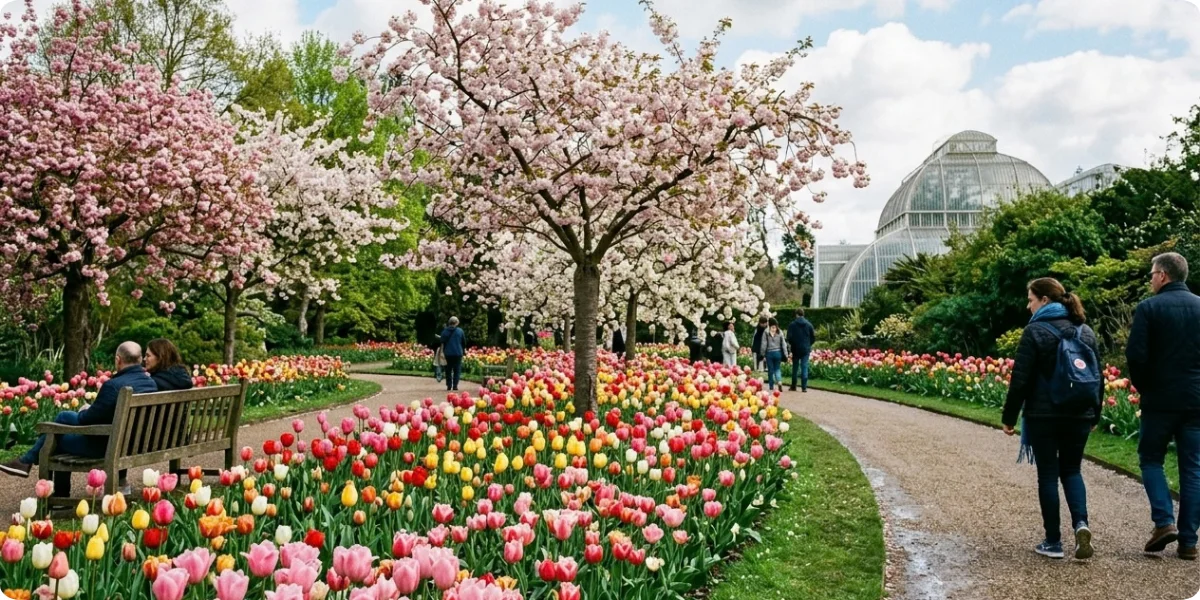
May is one of the best months to visit. Temperatures are pleasant, days are long, gardens look their best and the summer crush hasn’t started. It’s also when the RHS Chelsea Flower Show takes over a corner of the city, which is worth planning around if you love gardens (book early, as tickets sell out). The late-May bank holiday and half-term can be busy, so aim for the first half of the month.
6. London in June
June is long-daylight London. The days are about as long as they get, so you can easily pack a morning at the Tower, an afternoon on the river and a late evening in the park. Events like Trooping the Colour and the build-up to Wimbledon add atmosphere. Demand and prices are high, and popular attractions need advance booking, but the weather is often as good as London gets.
7. London in July
July is warm, lively and peak season. Crowds are heavy, hotels cost more and school holidays begin around the middle or end of the month. It’s superb for outdoor activities, such as rowing on the Serpentine, picnics, open-air theatre and the BBC Proms at the Royal Albert Hall. Plan around heat on busy days, and book popular tickets well ahead.
8. London in August
August has the full summer atmosphere, but it’s the school-holiday peak, so families and international visitors fill the city. The weather is warm yet changeable, and accommodation demand is among the highest of the year. The Notting Hill Carnival over the late-August bank holiday weekend is a highlight, though it’s very crowded. If you can go in August, book early and start your sightseeing at opening time.
9. London in September
September is a top choice for savvy travelers. It’s the shoulder season, with comfortable sightseeing weather, noticeably fewer summer crowds and still-generous daylight. Kids are back at school, so family attractions calm down, and prices often ease from August levels. It’s also the month of the Last Night of the Proms and the Open House architecture weekend, both of which are fun to catch.
10. London in October
October is cooler and rainier, but the autumn colors in the parks are stunning. Daylight shortens quickly, and the clocks go back at the end of the month. Halloween brings spooky events, haunted-history walks and themed attractions, and the late-October half-term gets busy. Overall, visitor levels are moderate and it’s a good time for good-value city breaks.
11. London in November
November is dark, damp and relatively quiet, which is exactly why some people love it. Bonfire Night on 5 November brings fireworks displays, and the city starts putting up its Christmas lights and markets later in the month. Crowds and prices are lower than in December, particularly early in the month. It’s a smart pick for museum-heavy trips and for anyone who wants festive vibes without peak festive prices.
12. London in December
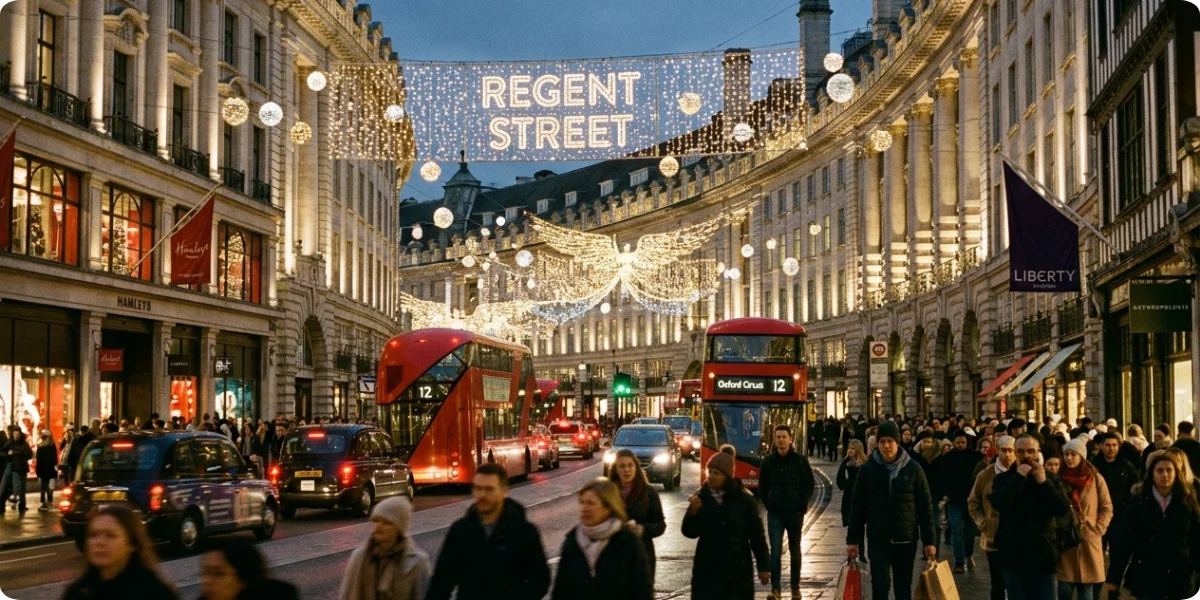
December is magical and expensive. The Christmas lights, markets, ice rinks and shop windows are a huge draw, with the Visit London Christmas guide listing festive markets, ice skating and dazzling light displays. The days are very short, with sunset in Central London around 3:52pm in early December. Prices spike around the last two weeks, and public transport almost stops on Christmas Day. New Year’s celebrations along the Thames are spectacular but usually ticketed, so check before you go. visitlondontimeanddate
Best Time to Visit London for Different Types of Travelers
1. Best Time for First-Time Visitors
Aim for May, June or September. You get comfortable weather, plenty of daylight to fit in the big sights, and crowds that are busy but manageable. Those conditions make it much easier to enjoy places like the Tower of London, Westminster and the South Bank without feeling rushed.
2. Best Time for Families
Families are usually tied to school holidays, which means peak prices in summer, at Easter and in the half-terms. If you can, try late May or early September for gentler crowds. If you’re stuck with July or August, book attractions and accommodation early and plan indoor backups for wet days (the Natural History Museum and Science Museum are free and brilliant).
3. Best Time for Couples
For romantic walks, try May, June or September, when evenings are long and mild. For atmosphere, December is hard to beat, with its lights, markets and cozy pubs. If you want quiet and good value, January or February can feel intimate, especially with a table booked at a great restaurant.
4. Best Time for Budget Travelers
January and February are the cheapest months, followed by early November and, to a degree, the shoulder seasons of March and September to October. You’ll save on flights and hotels, and many of London’s best attractions, such as most major museums, are free year-round anyway.
5. Best Time for Sightseeing
Late spring and early autumn win, because you get daylight, decent weather and shorter queues. In summer, start early. In winter, front-load outdoor sights in the morning, because darkness comes fast.
6. Best Time for Shopping
The big sales periods are Boxing Day into January and again around early summer. November and December suit festive shopping, with department-store windows and Christmas markets at their best. Outside those windows, London is a great shopping city any time, but the sales are where the real bargains are.
7. Best Time for Parks and Gardens
April to June is the sweet spot, when blossom, tulips and roses are in their prime and the days are long. The Royal Parks are also lovely in the early autumn light, with the added bonus of fewer people.
8. Best Time for Christmas in London
December is the obvious pick, but early December or late November gives you the same lights and markets with slightly lower prices than the week before Christmas. Book ice skating, shows and festive afternoon teas well ahead, since the best slots go early.
Cheapest Time to Visit London
Quick Answer: January and February are usually the cheapest months to visit London, once the New Year period ends. Hotels drop their rates, flights are often at their lowest of the year and the big attractions are quieter. You trade price for short daylight and cold, damp weather, so plan more indoor time. Late November can also offer good value.
Beyond the calendar, a few habits help you save:
- Shoulder seasons (March, late September to October, and early November) often offer much better value than peak months without a big weather penalty.
- Weekday vs. weekend: hotels in business-heavy areas can be cheaper at weekends, while leisure-heavy areas can be pricier. Compare both for your dates.
- Flight pricing tends to rise around school holidays and Christmas, so be flexible by a few days where you can.
- Booking in advance helps most for peak months, popular attractions and West End shows.
- Avoid major holidays and events. Check the official list of UK bank holidays before you lock in dates, because long weekends push up demand.
When Is London Least Crowded?
The quietest periods are January and February (outside half-term), and November, especially the first half. Shoulder seasons are calmer than peak summer, while peak summer and the Christmas/New Year period are the busiest.
One honest caveat: even in quiet months, the headline attractions can still be busy. The Tower of London, the London Eye and Westminster Abbey draw people year-round, so timing your day matters as much as timing your month. Arriving at opening time or later in the afternoon makes a bigger difference than most people expect.
Best Time to Visit London for Good Weather
If good weather is your priority, compare the three leading windows:
- Spring (late April to May): fresh, bright and mild, with a risk of showers.
- Summer (June to August): warmest and sunniest, with long evenings and occasional heat or storms.
- Early autumn (September): often settled and comfortable, with softer light and fewer people.
Whatever the month, London’s weather changes fast. Pack a light waterproof and comfortable shoes, even if the forecast looks perfect, and check the Met Office forecast before you head out for the day.
1. London Weather and Daylight Hours
Use this table as a quick planning guide. For exact temperatures and rainfall, check the Met Office’s climate averages, and for sunrise and sunset times, use Time and Date’s London sun data.
| Month | Typical Weather | Daylight | Crowd Level | Price Level |
|---|---|---|---|---|
| January | Cold/Rainy | Short | Low | Low |
| February | Cool | Short | Low | Low |
| March | Cool/Mild | Increasing | Moderate | Moderate |
| April | Mild/Changeable | Longer | Moderate | Moderate |
| May | Mild | Long | Moderate | Moderate |
| June | Mild/Warm | Very Long | High | High |
| July | Warm | Very Long | High | High |
| August | Warm/Changeable | Long | High | High |
| September | Mild | Long | Moderate | Moderate |
| October | Cool | Shortening | Moderate | Moderate |
| November | Cool | Short | Low–Moderate | Lower |
| December | Cold | Short | High around holidays | High |
When Are London’s Major Attractions Busiest?
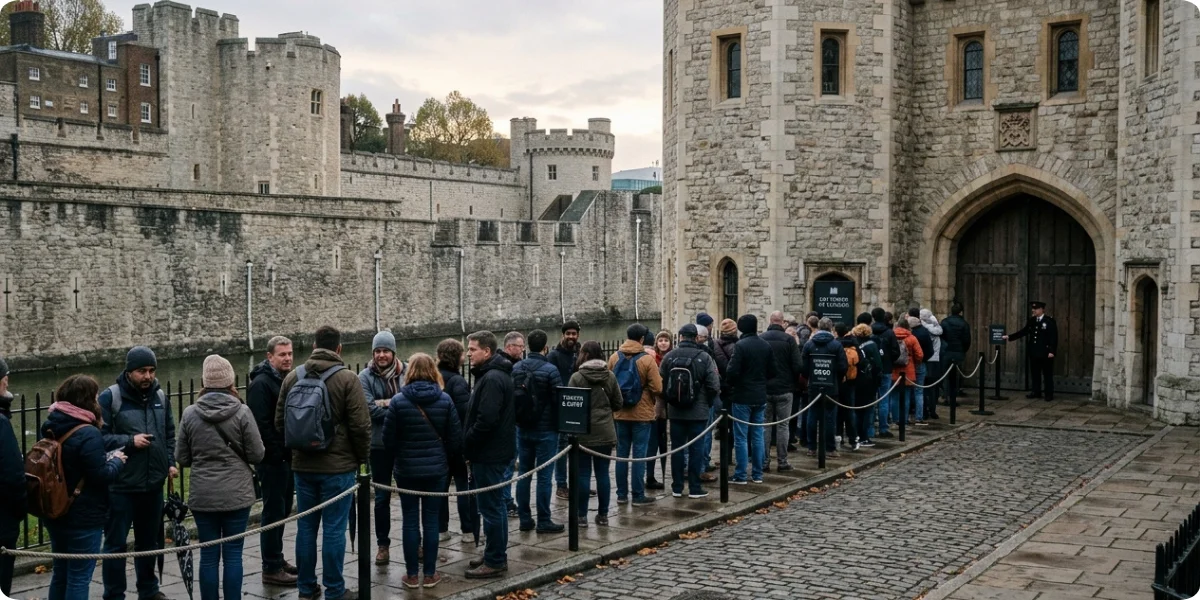
Seasonal crowds and day-to-day crowds are two different things. A “quiet” January weekend can still be packed at the Tower, while a busy July weekday morning can feel perfectly fine if you arrive early. Generally, weekends, school holidays and midday are the pressure points.
- Tower of London: one of the busiest sights, especially for the Crown Jewels. Arrive at opening and book ahead through Historic Royal Palaces.
- London Eye: busiest around sunset and on clear summer days. Book a timed slot on the official London Eye site, and in winter note that dusk comes early.
- Westminster Abbey: a working church, so visiting times change around services. Check the Abbey’s visitor information before you go.
- Buckingham Palace: the State Rooms open on limited dates, and the Changing of the Guard doesn’t happen every day. Check the Royal Collection Trust page for current schedules.
- British Museum: free and hugely popular, so it’s busiest late morning and on weekends. Early mornings and later afternoons are calmer, and the British Museum website lists current opening hours.
- West End shows: Friday and Saturday evenings and Saturday matinees sell out first, while midweek performances are usually easier and cheaper.
Best Time to Visit London by Month: Quick Comparison
| If You Want… | Best Time |
|---|---|
| Best overall experience | May–June / September |
| Warm weather | June–August |
| Lower prices | January–February |
| Fewer tourists | January–February / November |
| Longest days | June |
| Parks and gardens | April–June |
| Christmas atmosphere | December |
| Autumn scenery | October |
| First London trip | May–June / September |
Is London Worth Visiting in Winter?
Yes, if you go in with the right expectations. Winter London is atmospheric: twinkling lights, steamy pubs, ice rinks, Christmas markets and theatre every night of the week. The big indoor museums are at their most enjoyable when queues are short, and prices after Christmas can be genuinely low. The Hyde Park Winter Wonderland is a good example of the seasonal fun on offer.
The disadvantages are real, though. It’s cold and damp, and daylight is limited, so you’ll need to plan your outdoor sights around the morning and early afternoon. Winter suits museum lovers, theatre fans, festive travelers and bargain hunters. If you’re hoping for long evenings and picnics, wait for summer.
Tips for Choosing the Right Time to Visit London
- Check school holidays and bank holidays first, because they shape prices more than the weather does.
- Compare hotel prices across a few possible dates before you commit.
- Think about daylight. A winter itinerary and a June itinerary are very different.
- Book major attractions ahead, especially the Tower of London, the London Eye and popular shows.
- Pack for rain in every season, with a compact umbrella or light waterproof.
- Consider weekday travel, which is usually quieter at attractions.
- Check major events like Chelsea, Wimbledon, Notting Hill Carnival and big concerts, which can both enhance and complicate a trip.
- Leave flexibility for weather by keeping a few indoor options in your back pocket.
Also check your entry requirements early. Many visitors now need to apply for a UK Electronic Travel Authorisation before travelling, and the official place to do it is on GOV.UK. If you enjoy comparing city breaks, our guide to first-time visitor tips for Sacramento shows how we approach planning a short stay in another city.
Frequently Asked Questions
May, June and September are the best months for most travelers. They offer mild weather, long daylight and more manageable crowds than peak summer. May is great for gardens and September is brilliant for comfortable sightseeing. If you have flexible dates, aim for late May or the first half of September.
January and February are generally the cheapest months. Hotels and flights tend to dip after the New Year period, and attractions are quieter. The trade-off is cold, damp weather and short days. Early November can also be good value, though prices climb again as Christmas approaches.
June, July, August and September are generally the warmest and most comfortable, while May is a strong spring option. Rain can fall in any month, so London weather is best treated as “mild with showers” rather than “guaranteed sun”. Always pack layers and a light waterproof.
London doesn’t have a true rainy season. Rain is spread fairly evenly across the year, as the Met Office’s long-term averages show. It can feel wetter from October to January because skies are grey and days are short, but a shower is possible in any month.
July and August are the busiest for general sightseeing, thanks to warm weather and school holidays. December is the other peak, driven by Christmas and New Year visitors. Easter and the half-term weeks can also be busy at family attractions, even in otherwise quieter months.
January and February are usually the least crowded, apart from half-term week. November is another quiet option, particularly early in the month. Even then, headline attractions like the Tower of London can still draw queues, so arriving early or booking ahead is smart.
It depends on what you want. Summer brings warm weather, long evenings and outdoor events, but also higher prices and crowds. Winter brings festive atmosphere (especially in December), lower prices in January and February, and cozy indoor culture, but cold weather and short days.
Three days covers the headline sights, while four to five days gives you a more relaxed pace with time for neighborhoods, markets and a day trip. If it’s your first visit, aim for at least four. London rewards repeat visits, so there’s no pressure to see everything at once.
Yes, September is one of the best times. The weather is often still mild, daylight is generous, and the summer crowds thin once schools go back. Prices often ease compared with August. Events like Open House London and the Last Night of the Proms add extra appeal.
Yes, if you love festive atmosphere. The lights, markets, ice rinks and shows are a real draw, but expect higher prices, shorter days and busy attractions, especially in the final two weeks before Christmas. Remember that public transport mostly pauses on Christmas Day, so plan.
Final Verdict: When Should You Visit London?
For most travelers, May, June and September offer the best balance of weather, daylight, sightseeing conditions and crowds. Choose January or February if saving money and avoiding peak tourist numbers matters more than sunshine. Choose December if you want London’s famous festive atmosphere and don’t mind paying a premium. Whatever month you land on, book your big-ticket attractions early and pack for rain.
Want more trip-planning ideas? Browse the rest of our destination guides at TripGuiderz.

Arman Ashraf is a content writer focused on travel and tourism. He creates practical, well-researched travel guides, destination articles, and travel tips designed to help readers plan trips with greater confidence. His work combines clear, engaging writing with SEO best practices, covering destinations, things to do, travel planning, and useful advice for travelers. Arman is committed to producing helpful content that makes discovering and planning travel easier.