

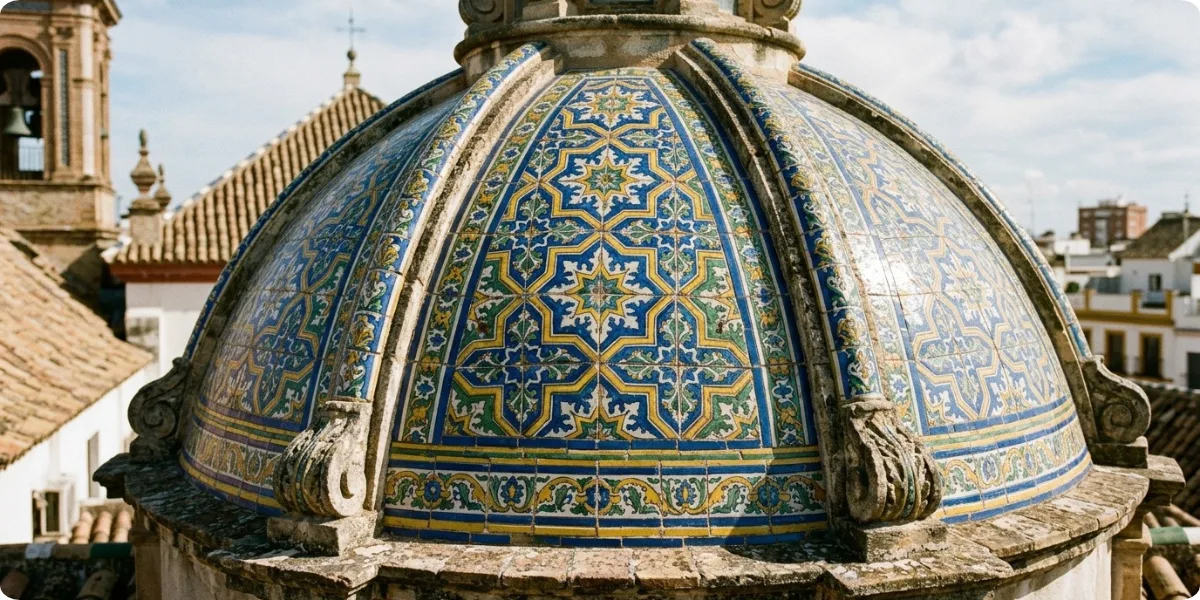
Positano, Italy is a colorful cliffside town on the Amalfi Coast, a stretch of Campania coastline that UNESCO lists as a World Heritage cultural landscape. Pastel houses in peach, pink, and terracotta stack up a steep hillside, with a dome of glazed tiles in the middle and the Tyrrhenian Sea at the bottom. That vertical, almost theatrical layout is what makes the town so recognizable, and it is also why a visit here feels different from any other seaside stop in Italy.
The town works best for couples, honeymooners, photographers, food lovers, and anyone who wants a scenic base for the wider coast. The best experiences are simple: a slow morning on the beach, a wander through the boutique lanes, a boat ride past hidden coves, and a long lunch with lemons on the table. Before you lock in dates, the travel planning hub is a good place to set your overall route. This guide covers how to get here, when to go, where to stay, what to eat, what it costs, and how to avoid the common mistakes.
Where Is Positano, Italy?
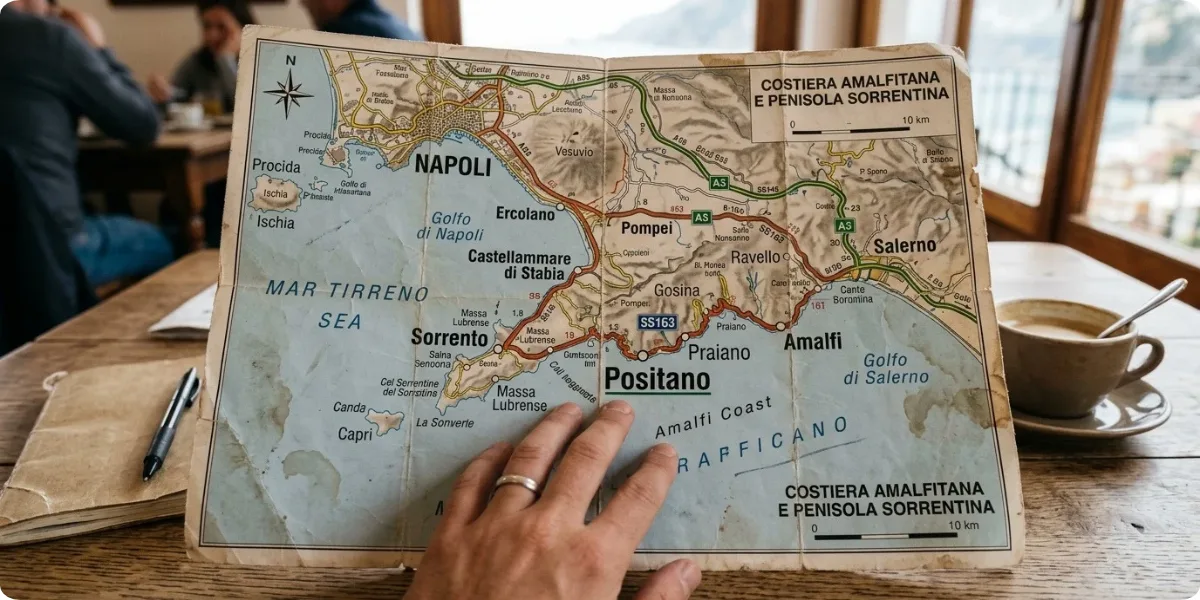
1. Positano’s Location on the Amalfi Coast
Positano sits in the province of Salerno, in the Campania region of southern Italy, on the western end of the Amalfi Coast. The town drops from the Lattari Mountains down to the Tyrrhenian Sea, and the narrow coastal road above it connects it with Sorrento to the northwest and Amalfi to the east. Italy’s official tourism portal, Italia.it, offers a good regional overview if you want to see how Campania fits together before you plan.
2. How to Get to Positano from Naples, Rome, and Sorrento
From Naples, you have three realistic options. Take the Circumvesuviana train to Sorrento and continue by bus or ferry. Take a seasonal ferry directly from the Naples port. Or book a private transfer from Naples International Airport, which usually takes around 1.5 to 2 hours depending on traffic. From Rome, the simplest route is a high-speed train to Naples Centrale, which Trenitalia runs frequently, then one of the Naples options above. From Sorrento, a public bus along the coastal road takes roughly an hour, and a ferry runs in the warmer months. If you are flying in from abroad, check routes and layovers on the flights and time page first.
3. Is Positano Easy to Reach Without a Car?
Yes. Positano is one of the easiest Amalfi Coast towns to reach without driving. Trains cover the Naples to Sorrento stretch, SITA Sud buses run along the coastal road, and ferries connect Positano with Amalfi, Salerno, Sorrento, and Capri in season. The only real cost is time, since each leg needs a connection. To understand the distances before you book, use the distance calculator.
Is Positano Worth Visiting?
1. What Makes Positano Unique?
Positano combines three things few places manage together: dramatic scenery, a walkable town center, and a real beach at the bottom of the hill. The buildings climb the cliff in vertical layers, the streets are mostly stairs and lanes, and the sea is always in view. It also has a long history of resort style, which you notice in its handmade sandals, linen clothing, and ceramic shops.
2. Who Will Enjoy Visiting Positano Most?
Positano suits couples, honeymooners, photographers, first-time Italy visitors who want a classic postcard stop, and food travelers who like seafood and lemon-based dishes. It is a weaker fit for travelers on tight budgets, anyone who cannot manage stairs, and people who want nightlife or big-city sightseeing.
3. Pros and Cons of Visiting Positano
The pros are the scenery, the beach access, the food, the boat trips, and the easy base for day trips. The cons are the prices, the summer crowds, the steep stairs, and the limited choice of budget hotels. For most visitors, the views and atmosphere justify the cost, especially outside peak weeks.
8 Best Things to Do in Positano
A full list of ideas for the wider region is available in the things to do section, but these are the Positano experiences worth your time.
1. Relax at Spiaggia Grande
The main beach is the heart of town. Spend a morning on a rented lounger, swim in the clear water, and watch the fishing boats pulled up along the shore.
2. Visit Fornillo Beach
Fornillo is a short walk west of the main beach and feels calmer, with a more local atmosphere and a few simple restaurants right on the sand.
3. Explore the Church of Santa Maria Assunta
The church sits just above the main beach and is known for its majolica-tiled dome and a Byzantine-style icon of the Black Madonna. Dress modestly, with shoulders and knees covered, as in most Italian churches.
4. Walk Through Positano’s Narrow Streets and Boutiques
The lanes behind the beach are full of small shops selling handmade leather sandals, linen clothes, ceramics, and limoncello. Expect to climb, and take your time.
5. Enjoy Panoramic Views from Positano’s Scenic Viewpoints
The best photos come from the coastal road above town and from the terraces higher up the hillside. Early morning and the hour before sunset give the softest light.
6. Take a Boat Trip Along the Amalfi Coast
A boat trip is one of the best ways to see Positano’s layered skyline. Small-group tours and private charters pass the Li Galli islets and hidden coves, and operators such as Navigazione Libera del Golfo run regular coastal routes. For a more luxurious version, see the yacht travel guides.
7. Try a Traditional Amalfi Coast Food Experience
A cooking class, a lemon grove visit, or a seafood lunch gives you a taste of the region beyond the beach. Browse the food section for ideas on what to look for.
8. Take a Day Trip to Nearby Amalfi Coast Towns
Amalfi, Ravello, and Sorrento are all easy to reach by bus or ferry, and each has a different feel. The full list appears later in this guide.
Best Beaches in Positano
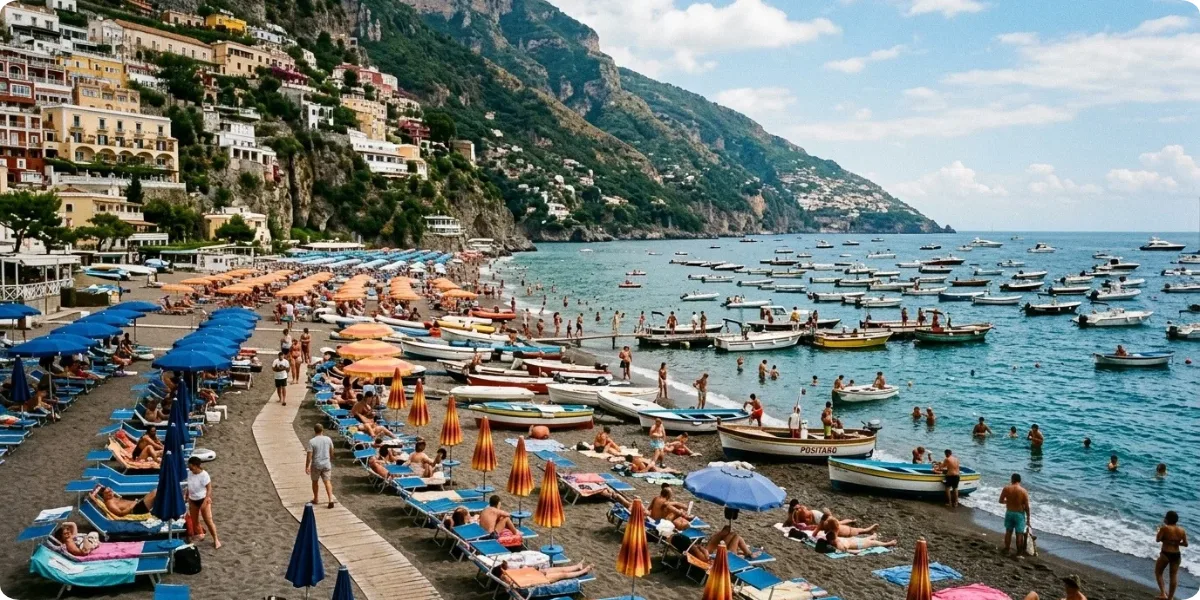
If beaches are your priority, the beaches category has more coastal inspiration for your trip.
1. Spiaggia Grande: The Main Beach
Spiaggia Grande is a dark pebble and sand beach with beach clubs, a public stretch, and cafés right behind it. It is lively, convenient, and crowded in summer, but the water is clean and the setting is unbeatable.
2. Fornillo Beach: A Quieter Alternative
Fornillo is reached by a short coastal path from Spiaggia Grande. It is smaller and quieter, with calmer energy, and it works well for families and travelers who want less bustle.
3. Arienzo Beach: A Scenic Beach Escape
Arienzo sits a little farther along the coast and is reached by a shuttle boat or a long staircase. It offers rocky shoreline, deeper water, and a more secluded feel.
4. Which Positano Beach Is Best for You?
Choose Spiaggia Grande for convenience and people-watching, Fornillo for a calmer day, and Arienzo for scenery and a bit of adventure. If you want to swim and snorkel, see these water activities for more ideas.
Best Time to Visit Positano
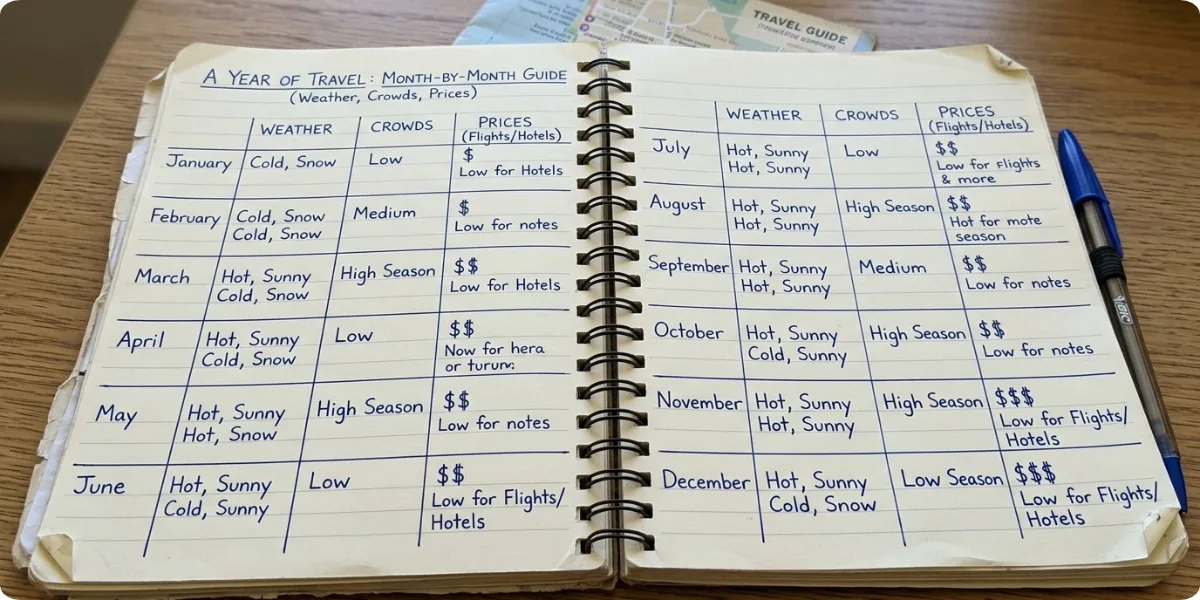
The tourist season on the Amalfi Coast runs roughly from April to October, and many hotels and restaurants close or reduce services in winter. The seasonal travel hub can help you compare months across destinations.
1. Visiting Positano in Spring
Spring brings mild temperatures, blooming flowers, and fewer crowds, although the sea is still cool. It suits walking, photography, and sightseeing more than swimming. For other places that shine at this time of year, see best places to visit in May.
2. Visiting Positano in Summer
Summer is the peak season, with hot weather, warm seas, long days, and the highest prices. It is ideal for swimming and beach days, but book early and expect crowds. A good companion read is best places to visit in June.
3. Visiting Positano in Autumn
September and early October are some of the best times to visit, because the sea stays warm, crowds thin out, and the light is gentler. By late October, some businesses begin closing for the season.
4. Visiting Positano in Winter
Winter is quiet. Many hotels, restaurants, and shops close, ferry service is limited, and the weather can be rainy. It can suit travelers who want solitude and low prices, but it is not a beach season.
5. Best Month to Visit Positano for Weather, Swimming, and Fewer Crowds
For the best balance, aim for late May, June, or September. You get warm weather, open businesses, comfortable swimming conditions in the later part of that window, and fewer visitors than in July and August.
How Many Days Do You Need in Positano?
To estimate time across a bigger Italy itinerary, try the trip duration calculator.
1. Positano in One Day
One day is enough to see the beach, the church, the main lanes, and a viewpoint, but it will feel rushed. Arrive early, have lunch with a view, and leave after sunset if you can.
2. A Two-Day Positano Itinerary
On day one, explore the town, relax on the beach, and have dinner by the sea. On day two, take a boat trip, walk to Fornillo, and finish with a slow sunset aperitivo.
3. Three Days in Positano and the Amalfi Coast
With three days, spend one on the town, one on Amalfi and Ravello, and one on a boat trip or a hike. The extra time makes the pace feel relaxed instead of rushed.
4. Is Positano Better for a Day Trip or an Overnight Stay?
A day trip is fine if you are short on time, but an overnight stay is much better. The town changes after the day trippers leave, and the evening light and quiet streets are among its best qualities.
Where to Stay in Positano
For more lodging ideas across destinations, see the hotels category.
1. Best Area to Stay for First-Time Visitors
First-time visitors should stay near the center, close to Spiaggia Grande and the main lanes. You will walk less, and getting your bags to the hotel is easier.
2. Staying Near Spiaggia Grande
Staying near the main beach means short walks to the sea, restaurants, and ferry stops. The trade-off is more noise and higher prices in peak season.
3. Staying in Upper Positano for Views
Upper Positano offers sweeping views and quieter nights, but you will climb many stairs or rely on buses and taxis. Check whether your hotel has a shuttle or elevator.
4. Luxury Hotels, Boutique Stays, and Budget-Friendly Options
Positano has famous luxury hotels, charming boutique stays, and a small number of budget guesthouses. For high-end retreats, browse the resorts guides. If prices feel too high, consider staying in nearby Praiano or Sorrento and visiting Positano by bus or ferry.
5. Is Staying in Positano Worth the Price?
For most visitors, yes, if the budget allows. You pay for location, views, and atmosphere. If cost is a concern, a shorter stay or a nearby base can deliver much of the same experience.
What to Eat in Positano
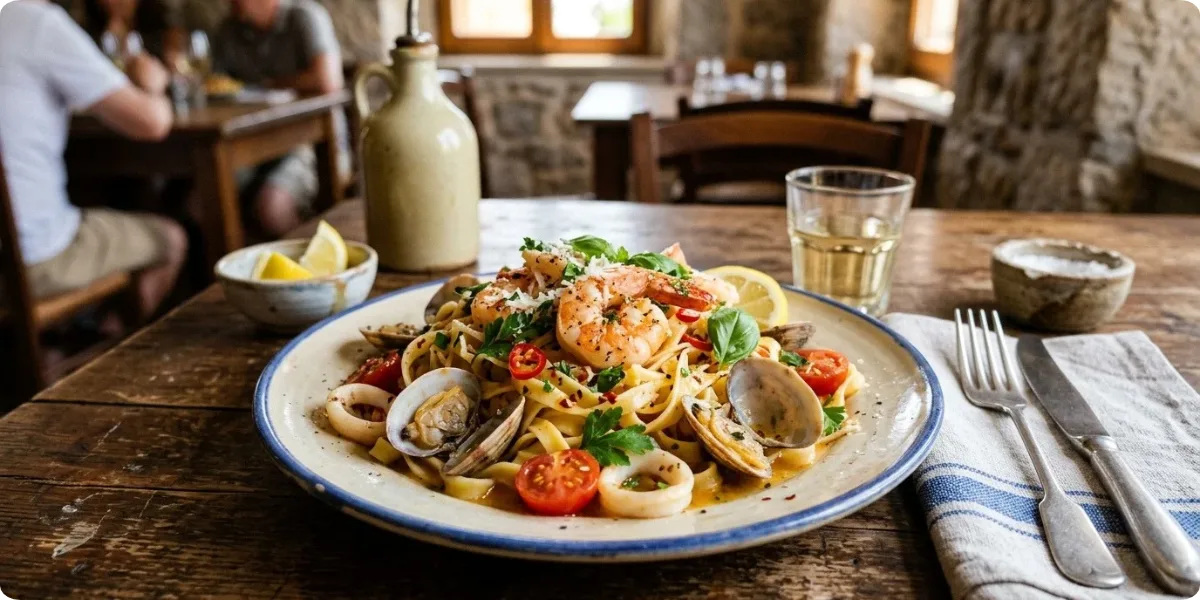
The restaurants section is a good place to compare dining styles as you plan.
1. Traditional Amalfi Coast Dishes to Try
Look for scialatielli (fresh thick pasta), spaghetti alle vongole, grilled fish, and delizia al limone, a lemon sponge dessert. Mozzarella, tomatoes, and anchovies from the nearby coast also show up often.
2. Fresh Seafood and Local Pasta
Seafood is the specialty here. Order the catch of the day, shellfish pasta, or fried calamari, and ask about the local fish when you sit down.
3. Lemon Desserts and Regional Specialties
The Amalfi lemon is the star. Try lemon granita, lemon cake, and limoncello, and look for small bakeries selling fresh sweets.
4. Where to Find Restaurants with Sea Views
Terraces along the main beach and higher up the hill offer the best views. Reserve ahead for sunset tables, and compare menu prices before sitting down, because view restaurants cost more.
How to Get Around Positano
1. Walking Around Positano’s Steep Streets
Walking is the main way to move around. Streets are steep, with many stairs, so wear comfortable shoes and pack light.
2. Local Buses and Taxis
Local buses connect the lower and upper parts of town and run along the coast, and taxis are available but pricey. Buy tickets before boarding when possible, and expect crowded buses in summer.
3. Ferries and Boat Transfers
Travelmar runs seasonal ferries between Positano, Amalfi, and Salerno, and other operators cover Sorrento and Capri. Ferries avoid the road traffic, and the views are a bonus. Always check the seasonal timetable.
4. Should You Rent a Car in Positano?
For most travelers, no. The coastal road is narrow and busy, parking is limited and expensive, and public transport and ferries cover most needs. If you still want to drive part of the region, see the road trip guides for planning tips.
How Much Does a Trip to Positano Cost?
To build your own estimate, use the trip cost calculator. The figures below are approximate and change by season.
1. Accommodation Costs
Positano is one of Italy’s more expensive destinations. Budget rooms are limited and often pricey in high season, mid-range hotels cost noticeably more than in most Italian towns, and luxury stays can reach very high nightly rates.
2. Food and Restaurant Prices
A coffee at the counter is inexpensive, a casual pizza lunch is moderate, and a seafood dinner with a view can be expensive. Expect higher prices than in inland Italy.
3. Beach Club and Transportation Expenses
Sun loungers at beach clubs are one of the bigger surprises, and prices rise in peak season. Add bus, ferry, and taxi costs if you plan day trips.
4. Sample Daily Budget for Different Travel Styles
| Travel style | Approximate daily budget per person | What it typically covers |
|---|---|---|
| Budget | Lower range | Shared or simple lodging nearby, casual meals, public transport |
| Mid-range | Moderate range | Central hotel, restaurant dinners, beach time, one boat trip |
| Luxury | High range | Boutique or luxury hotel, fine dining, private boat tours |
5. Practical Ways to Save Money in Positano
Travel in shoulder season, stay in a nearby town, eat lunch rather than dinner at view restaurants, use public beach areas, and walk or take the bus instead of taxis. If you are paying in a different currency, the currency converter helps you keep track.
Best Day Trips from Positano
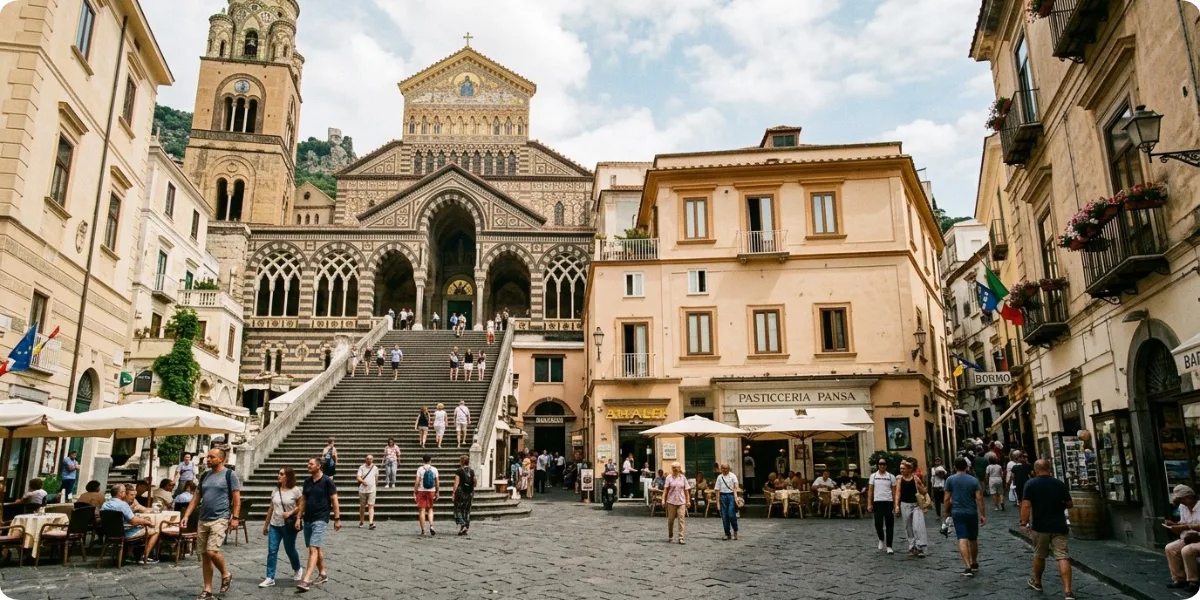
1. Amalfi
Amalfi has a grand cathedral, a lively square, and a central position on the coast. It is an easy ferry or bus ride.
2. Ravello
Ravello sits high above the coast, with quiet gardens, villas, and wide views. It feels calmer than the seafront towns.
3. Sorrento
Sorrento is a larger, more practical town with shops, restaurants, and transport links to Naples and Pompeii.
4. Capri
Capri is reached by ferry in the warmer months and is known for its cliffs, gardens, and the Blue Grotto. Book early in summer.
5. Pompeii
Pompeii is a long but rewarding trip. Check opening hours and ticket details on the official Pompeii Archaeological Park website, and allow most of a day.
Essential Positano Travel Tips
1. Pack Comfortable Walking Shoes
Streets and stairs are uneven, so bring sturdy, comfortable shoes with good grip.
2. Prepare for Stairs and Steep Hills
There are no flat shortcuts. If you want to enjoy the views without exhaustion, plan rest stops and pace yourself. For longer coastal walks like the Path of the Gods, see the hiking guides.
3. Book Accommodation and Popular Restaurants Early
Good hotels and sunset tables fill up weeks or months ahead in peak season.
4. Understand Seasonal Ferry and Bus Schedules
Ferries run mainly in the warmer months, and bus frequency changes by season. Check current timetables the day before.
5. Carry Cash and a Payment Card
Most places accept cards, but small shops, cafés, and taxis may prefer cash. Carry a mix.
6. Know What to Pack for the Beach
Bring water shoes for the pebbles, a hat, sunscreen, a light cover-up, and a small bag for your essentials.
7. Accessibility Considerations for Travelers with Limited Mobility
Positano is difficult for wheelchair users and for anyone who struggles with stairs. Choose a hotel with an elevator, stay close to the main road, and arrange transfers in advance.
Is Positano Safe for Tourists?
Positano is generally a safe and relaxed destination. For official guidance on traveling in Italy, check the U.S. State Department’s Italy travel advisory.
1. General Safety Tips
Keep valuables close in crowded places, such as buses and ferries, and use a bag that closes securely. Italy’s general emergency number is 112.
2. Staying Safe on Stairs, Roads, and Beaches
The main risks are slips on steep steps, narrow roads with fast traffic, and strong sun. Walk on the correct side, avoid distracted walking, and follow beach club flag signals when swimming.
3. Avoiding Common Tourist Mistakes
Common mistakes include arriving in peak season without reservations, bringing heavy luggage, wearing unsuitable shoes, and trying to fit too much into one day.
Frequently Asked Questions About Positano
What is Positano famous for?
Positano is famous for its pastel houses stacked on a steep cliff, its beaches, and its views over the Tyrrhenian Sea. It is also known for the glazed-tile dome of Santa Maria Assunta, handmade sandals, lemon products, and its romantic, cinematic reputation on the Amalfi Coast.
Where is Positano located in Italy?
Positano is in the Campania region of southern Italy, in the province of Salerno. It sits on the western part of the Amalfi Coast, between Sorrento and Amalfi, facing the Tyrrhenian Sea. Naples is the nearest major city and the main gateway for most visitors.
Is Positano expensive to visit?
Yes, Positano is one of the pricier places in Italy, especially from June to September. Hotels, beach clubs, and view restaurants cost more than in many other Italian towns. Traveling in shoulder season, staying nearby, and eating smart can reduce costs noticeably.
Can you visit Positano in one day?
Yes, you can see the main beach, the church, the main lanes, and a viewpoint in one day. It is a rushed visit, though. Arrive early, plan your return transport carefully, and consider staying overnight to enjoy the quieter evening atmosphere.
What is the best month to visit Positano?
Late May, June, and September are usually the best months. You get warm weather, open restaurants and ferries, good swimming conditions, and fewer visitors than in July and August. Winter is quiet, and many businesses close.
Can you swim in Positano?
Yes. The sea is clean and swimmable, and the season is typically strongest from June to September. Spiaggia Grande and Fornillo have easy water access, while Arienzo offers deeper, rockier swimming. Check flag signals and avoid swimming in rough conditions.
Do you need a car in Positano?
No. A car is more of a burden than a help. The coastal road is narrow, parking is limited and expensive, and buses, ferries, and taxis cover most trips. Walking is the main way to get around town itself.
Is Positano suitable for families?
Yes, with some planning. Children usually enjoy the beaches and boat trips, but steep stairs make strollers hard to use and the pebbly beach can be tough on young feet. Choose lodging close to the center and bring water shoes.
Is Positano or Amalfi better for a first visit?
Positano is better for scenery, romance, and photography, while Amalfi is flatter, more practical, and a better transport hub. First-time visitors who want the postcard view should choose Positano, and those on a budget or wanting an easier base may prefer Amalfi.
How do you get from Naples to Positano?
The common routes are the Circumvesuviana train to Sorrento followed by a bus or ferry, a seasonal ferry from the Naples port, or a private transfer. Allow roughly 1.5 to 2 hours, and check current schedules before you travel, especially outside summer.
Conclusion: Is Positano the Right Destination for Your Italy Trip?
Positano rewards visitors who come for the scenery and the slow pace. The best experiences are time on the beach, a boat trip, a walk through the lanes, a seafood meal with a view, and a day trip to Amalfi or Ravello. The practical issues are real, too: high prices, steep stairs, crowds in summer, and seasonal transport.
For most travelers, two to three nights is the sweet spot, and late spring or early autumn gives the best balance of weather, cost, and crowds. If you want to keep exploring, browse more TripGuiderz travel guides and build the rest of your Italy trip from there.
