
Most visitors see London through its headline sights Big Ben, the Tower of London and the queues outside the biggest museums. Those places earn their fame, but the city feels different once you step away from them. The best hidden gems in London are a Japanese garden inside a park, a church ruin turned into a garden, or a candlelit Georgian house where nobody speaks.
This guide groups secret places in London by the kind of experience they offer, rather than as another generic numbered list. It covers quiet gardens, unusual museums, hidden courtyards, lesser-known neighbourhoods and free spots, with practical details for each. If you are still building your list of famous stops, start with our guide to the best things to do in London, then come back for the quieter side of the city. It suits first-time visitors, repeat travellers, couples and solo explorers.
Quick answer: Some of the best hidden gems in London include Kyoto Garden, Little Venice, Leighton House Museum, Postman’s Park, and the atmospheric streets of Wapping. These lesser-known places offer visitors quieter gardens, historic architecture, unusual museums, and a different perspective on the city.
1. Hidden Gardens and Peaceful Places in London
The best hidden gardens in London are Kyoto Garden in Holland Park, Postman’s Park in the City, Brown Hart Gardens in Mayfair and Chelsea Physic Garden. Three are free, and each gives you a pocket of calm minutes from busy streets.
i) Kyoto Garden – A Quiet Japanese Escape in Holland Park
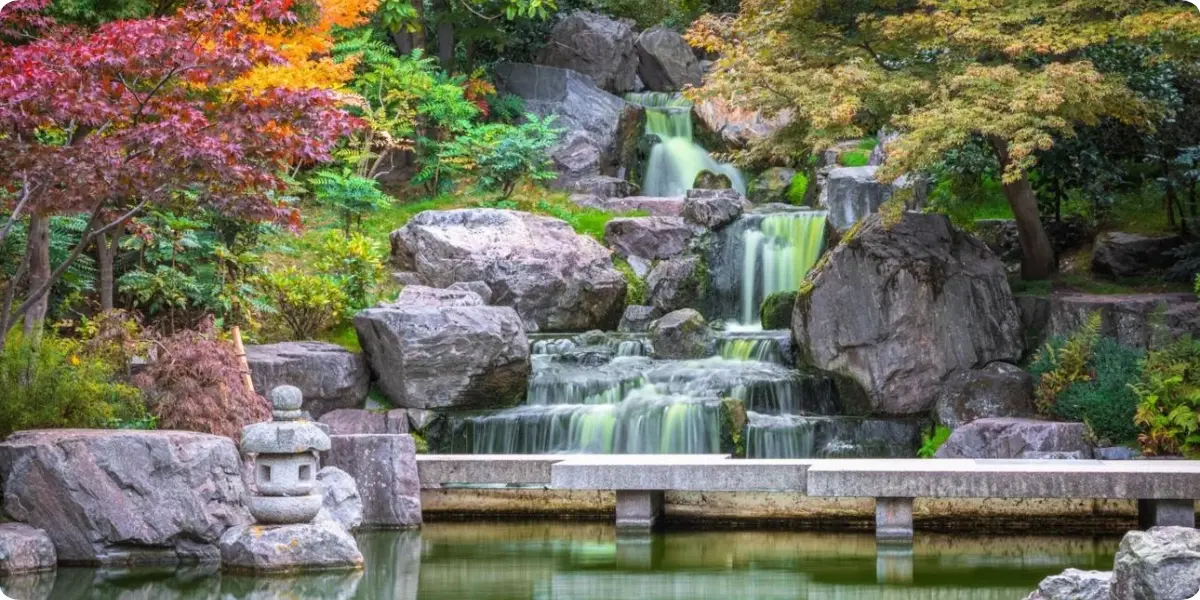
Kyoto Garden sits inside Holland Park, with a waterfall, a koi pond and stone lanterns, and the park’s resident peacocks sometimes wander through. It was a gift from Kyoto in 1991. Entry is free, and the park is open daily from 7.30am until 30 minutes before dusk. Holland Park Tube station is about a three-minute walk away, according to Visit London’s Kyoto Garden guide. A lap takes around ten minutes, so go early for the calmest visit.
ii) Postman’s Park – A Small Garden With a Powerful Story
Tucked behind St Paul’s Cathedral, Postman’s Park looks like an ordinary lunchtime garden until you reach the Watts Memorial to Heroic Self-Sacrifice, a covered wall of ceramic plaques. Each tile records an ordinary person who died saving someone else, and the memorial was unveiled in 1900, as the Historic England listing records. It is free, and St Paul’s is the nearest Tube station. Allow about 30 minutes to read the plaques slowly.
iii) Brown Hart Gardens – A Peaceful Rooftop Garden in Mayfair
Brown Hart Gardens is a raised, paved garden above a working electricity substation, just south of Oxford Street. It opened to the public in 1906, according to the London Gardens Trust inventory. Bond Street and Marble Arch are the nearest stations. Published hours are roughly 8 am to 8 pm, and a café sits at the western end, but check current times before you go.
iv) Chelsea Physic Garden – London’s Historic Botanical Garden
Founded in 1673 by the Worshipful Society of Apothecaries, Chelsea Physic Garden is one of London’s oldest botanic gardens, with thousands of medicinal, edible and useful plants behind high walls near the Thames. Unlike the others in this section it is ticketed, with seasonal opening days, so check the official site and book ahead. The entrance is on Royal Hospital Road, and a visit can take up to two hours.
2. Unusual Museums and Historic Houses
The most unusual museums for a hidden-gem visit are Sir John Soane’s Museum, Leighton House, Dennis Severs’ House and the Postal Museum. They suit people who prefer atmosphere to queues, and only Soane’s is free.
i) Sir John Soane’s Museum – An Extraordinary House Museum
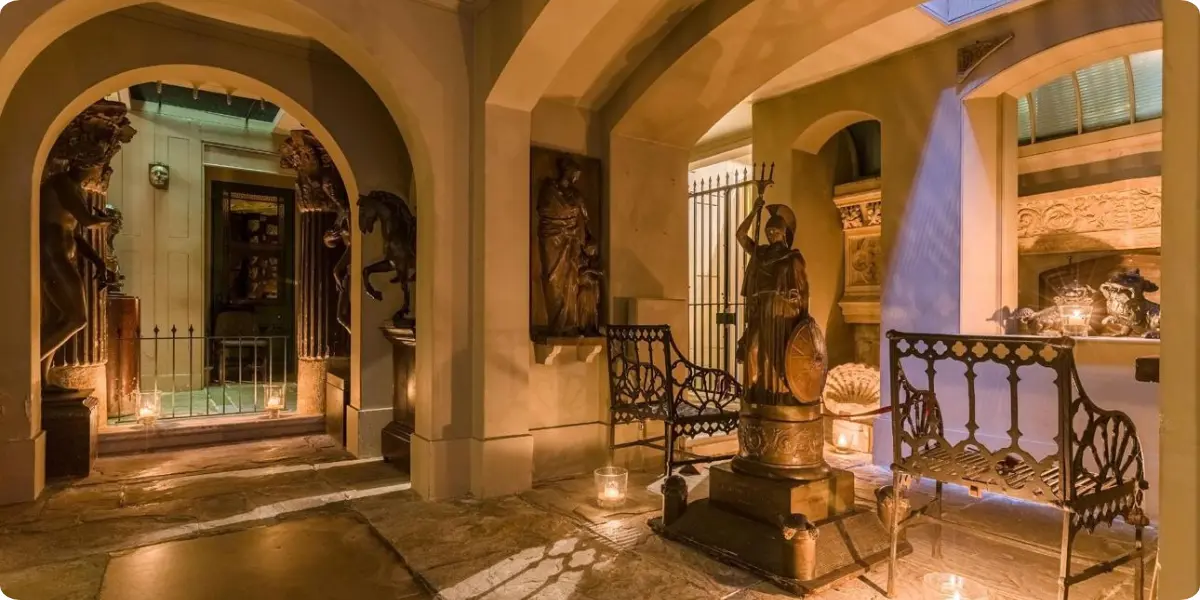
Sir John Soane’s Museum at 13 Lincoln’s Inn Fields is an architect’s home packed with sculpture, paintings and architectural fragments, preserved much as it stood when Soane died in 1837. Entry is free with no pre-booking, and the museum’s official visit page warns that limited space can delay entry. It is normally open Wednesday to Sunday, so confirm days first. Holborn is a five-minute walk, and arriving near opening time helps.
ii) Leighton House Museum – Discover Its Remarkable Interiors
Leighton House in Kensington was the studio-home of the Victorian painter Frederic Leighton. Its centrepiece is the Arab Hall, added in 1877–1879 with a gilded dome and tiled walls. It is ticketed, and ticket options can change, so check the Royal Borough of Kensington and Chelsea’s museum page for opening days and booking. High Street Kensington and Kensington (Olympia) are the closest stations.
iii) Dennis Severs’ House – Step Into Another Century
At 18 Folgate Street in Spitalfields, Dennis Severs’ House recreates the life of an imagined Huguenot silk-weaving family across ten rooms, with scenes from 1724 to 1914. Visits are timed, and silent and candlelit evening options are offered, as Time Out’s listing explains. Book through the house’s official site, and check its rules on photography and late arrival. Liverpool Street is the nearest station.
iv) The Postal Museum – Explore London’s Underground Mail Railway
The Postal Museum in Clerkenwell is best known for Mail Rail, a ride of about 15 minutes through narrow tunnels beneath Mount Pleasant that once carried post across London. The museum’s official site lists opening days and ticket types, so check which ticket includes the ride. The entrance is on Phoenix Place, a short walk from Farringdon, Russell Square, Chancery Lane and King’s Cross St Pancras.
3. Secret Streets, Hidden Courtyards and Unusual Architecture
London’s best secret streets and courtyards include Neal’s Yard, Cecil Court, St Dunstan in the East and Wapping. All four are free to explore and sit close to a station, so they slot easily into a day out.
i) Neal’s Yard – A Colourful Courtyard in Covent Garden
Neal’s Yard is a small courtyard of brightly painted buildings reached through narrow lanes off Shorts Gardens and Monmouth Street. It was a run-down warehouse yard until the entrepreneur Nicholas Saunders started the businesses that made it famous in the 1970s, as SecretLDN’s history of the courtyard explains. Covent Garden is the nearest station. Visit in the morning for fewer people.
ii) Cecil Court – A Historic Street Filled With Bookshops
Cecil Court is a short pedestrian street of Victorian shopfronts linking Charing Cross Road and St Martin’s Lane. Since the 1930s it has been known as a booksellers’ row, with antiquarian books, maps and prints, and it earned the nickname Flicker Alley for its early film businesses, according to Wikipedia’s Cecil Court entry. Foyles opened its first West End shop here in 1904. Leicester Square is the closest station.
iii) St Dunstan in the East – Church Ruins Turned Into a Garden
St Dunstan in the East is a garden growing inside the ruins of a City of London church. The church was badly bombed in 1941, Christopher Wren’s tower survived, and the site opened as a public garden in 1971, as Exploring London’s guide notes. Entry is free, with daytime opening that ends at 7pm or dusk, whichever comes first. Monument and Tower Hill are both close.
iv) Wapping – Discover London’s Historic Riverside Streets
Wapping is a stretch of the Thames north bank lined with converted brick warehouses, riverside steps and old pubs. The riverside was long shut in behind high dock walls, as Wikipedia’s Wapping article describes, which is partly why it still feels removed from the centre. Start at Wapping Overground station, walk Wapping High Street, then continue to the Prospect of Whitby, which claims to date from around 1520.
4. Lesser-Known Neighbourhoods Worth Exploring
The most rewarding lesser-known London neighbourhoods are Little Venice, Hampstead Village, Greenwich beyond the Observatory and Shoreditch. Each works as a half-day walk with food and a quiet stop built in.
i) Little Venice – Explore London’s Quiet Canal District
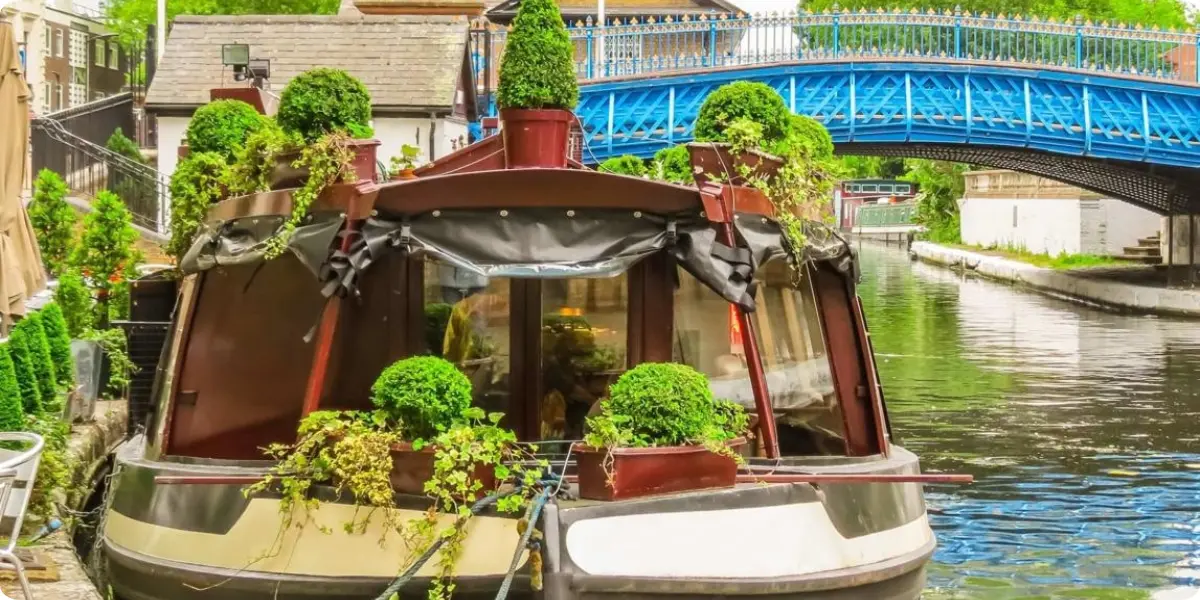
Little Venice is where moored narrowboats and white Regency houses gather around the start of Regent’s Canal. The Canal & River Trust describes the Little Venice to Camden walk as a traffic-free towpath route of about two miles, passing Regent’s Park and the edge of London Zoo before ending at Camden Lock. Warwick Avenue is the nearest Tube station. Walk early at weekends, because Camden gets busy.
ii) Hampstead Village – A Different Side of London
Hampstead keeps a village feel with Georgian streets, independent shops and pubs. Flask Walk is a pedestrian lane just off the High Street, and Parliament Hill on the Heath gives wide skyline views, as Visit London’s Hampstead guide outlines. Take the Northern line to Hampstead, wander the lanes, then continue onto the Heath in comfortable shoes, because the paths are hilly.
iii) Greenwich – Discover More Than the Royal Observatory
Most visitors head straight for the Observatory. For a different angle, arrive on foot through the free Greenwich Foot Tunnel, which starts near the Cutty Sark, then walk the Old Royal Naval College grounds. The grounds are free to wander, while the Painted Hall needs a ticket, as the college’s own visitor guide explains. Cutty Sark DLR is the nearest station.
iv) Shoreditch – Find Independent Art and Street Culture
Shoreditch is where independent shops, studios and street art overlap. Brick Lane, Hanbury Street and Rivington Street are the usual places to look for murals, and the work changes often, as Made in Shoreditch’s street art guide notes. Walking the streets costs nothing, and Shoreditch High Street Overground station is close. Go in the morning, when the streets are quieter.
5. Unusual Things to Do Away From London’s Tourist Trail
Unusual things to do away from the tourist trail include God’s Own Junkyard’s neon warehouse, Wilton’s Music Hall, the Parkland Walk and Eel Pie Island’s open studios. For more ideas, see our list of unusual London experiences.
i) God’s Own Junkyard – A Colourful Neon Wonderland
God’s Own Junkyard is a Walthamstow warehouse filled with neon signs, film props and salvaged lights. Entry is free, and donations are welcome. It opens Friday to Sunday rather than daily and closes for private events on some dates, so confirm times on the official website first. The address is Unit 12, Ravenswood Industrial Estate, a short walk from Walthamstow Central on the Victoria line.
ii) Wilton’s Music Hall – Experience a Historic Music Venue
Wilton’s Music Hall sits down Graces Alley in the East End and describes itself as the world’s oldest surviving grand music hall. It opened in 1859 and still stages shows, with a downstairs bar, according to Time Out’s Wilton’s guide. History tours run only occasionally, so check the programme. Tower Hill and Tower Gateway are the closest stations.
iii) Parkland Walk – Follow a Former Railway Through Nature
Parkland Walk follows a Victorian railway line that once ran from Finsbury Park to Alexandra Palace. It opened as a path in 1984 and became a local nature reserve in 1990, described as London’s longest, per Wikipedia’s Parkland Walk article. Start at Finsbury Park and walk north towards Highgate, passing old platforms and railway remains. Distances quoted vary by source, so plan it as an easy half-day walk.
iv) Eel Pie Island – Discover an Unusual Artistic Community
Eel Pie Island is a small private island in the Thames at Twickenham, reached by footbridge and home to artists’ studios and boatyards. It is normally closed to visitors, with public access during open studios weekends, usually one in summer and one before Christmas. Londonist’s open studios guide said a 2026 summer event was free but needed a booked time slot, so check current rules and bring cash.
6. Best Free Hidden Gems in London
The best free hidden gems in London are Postman’s Park, St Dunstan in the East, Kyoto Garden, Little Venice, Neal’s Yard and the Parkland Walk. All are public spaces you can enter without a ticket. For more budget ideas, see our guide to free activities in London.
i) Postman’s Park
A free memorial garden in the City, easy to pair with St Paul’s.
ii) St Dunstan in the East
A free garden inside church ruins, open during the day.
iii) Kyoto Garden
A free Japanese garden in Holland Park, open daily until shortly before dusk.
iv) Little Venice
The canal basin and towpath cost nothing to enjoy.
v) Neal’s Yard
A free courtyard to wander, though its shops and cafés are not free.
vi) Parkland Walk
A free linear nature reserve along an old railway.
Free does not mean unrestricted. Gardens close at dusk or at set times, and some sites close for maintenance or events. Free public spaces like these gardens and lanes also differ from free-entry museums such as Soane’s, which manage visitor numbers, and from ticketed places such as Chelsea Physic Garden and Leighton House. Always check the operator’s page on the day.
7. Hidden Gems in London for Different Types of Travelers
The right hidden gem depends on who you are travelling with. These short picks point you to the best fits without repeating the full descriptions above.
i) Hidden Gems in London for Couples
Little Venice for a canal walk, Kyoto Garden for a quiet stroll and a candlelit evening visit to Dennis Severs’ House suit couples. For more date ideas, see our guide to romantic places in London.
ii) Hidden Gems in London for Families
Mail Rail at the Postal Museum, the Greenwich Foot Tunnel and the Parkland Walk suit curious children. Check each venue’s age guidance first, as Dennis Severs’ House and Eel Pie Island suit older visitors better. For more ideas, see our guide to family activities in London.
iii) Hidden Gems in London for Solo Travelers
Cecil Court, Soane’s Museum and the Parkland Walk reward slow wandering, so they work well alone. Wapping and Greenwich are easy to reach, and solo travellers heading down quieter streets after dark should read our safety tips for London visitors first.
iv) Hidden Gems in London for History Lovers
St Dunstan in the East, Wilton’s Music Hall, Wapping and Sir John Soane’s Museum cover wartime bombing, Victorian entertainment, riverside trade and architecture in one tight group.
v) Hidden Gems in London for Photography Lovers
Neal’s Yard, Shoreditch street art, Brown Hart Gardens and Kyoto Garden at opening time photograph well. At God’s Own Junkyard, check the photography rules first, as professional shoots need prior arrangement.
How to Find Hidden Gems in London
The easiest way to find hidden gems in London is to leave the main sightseeing routes. Walk side streets, explore residential neighbourhoods, check small museums and independent venues, and use local walking routes. Public transport reaches almost every place in this guide.
- Explore beyond central London: Hampstead, Walthamstow and Twickenham reward the extra journey.
- Walk smaller streets and historic districts: lanes such as Cecil Court and Flask Walk are easy to miss.
- Check local museums and independent venues: many open only part of the week, so confirm days first.
- Look beyond popular itineraries: our guide to the top places to visit in London covers the headline sights, so you can plan around them.
- Use local walking routes and public transport: the Overground, DLR and canal towpaths open up quieter corners.
Best Time to Explore Hidden Gems in London
The best time to explore hidden gems in London depends on the type of place. Spring and summer suit gardens and canals, autumn suits historic streets, and winter suits museums and historic houses. Our guide to the best time to visit London covers the months in more detail.
- Spring: gardens, flowers and outdoor walks.
- Summer: canal walks, outdoor spaces and neighbourhood exploration.
- Autumn: historic streets, gardens and quieter attractions.
- Winter: museums, historic houses and indoor experiences.
How to Visit Multiple Hidden Gems in One Day
These three mini-itineraries are suggested combinations, not routes to walk end to end, because most need a short Tube, Overground or bus hop between stops. Check opening hours and admission before you plan, and use our guide to plan your London itinerary if you are deciding how long to stay.
i) Itinerary 1: Central London
Postman’s Park, St Dunstan in the East, Cecil Court and Neal’s Yard. Start in the City with the two quiet sites, then head west to Covent Garden for the lanes. This is a light half day with no tickets needed.
ii) Itinerary 2: West London
Kyoto Garden and the rest of Holland Park, Leighton House Museum, then Little Venice. Leighton House has set opening days, so choose your day around it.
iii) Itinerary 3: East London
Dennis Severs’ House, Shoreditch street art, Wilton’s Music Hall and Wapping. Book a timed slot at Dennis Severs’ House first. Evening visits there and at Wilton’s pair well with our guide to London after dark.
Quick Answers: Hidden Gems in London
What are the best hidden gems in London?
Top picks are Kyoto Garden, Postman’s Park, St Dunstan in the East, Sir John Soane’s Museum, Leighton House and Little Venice. They combine gardens, history and architecture, and several are free. Mix two or three in a day rather than rushing.
Which hidden places in London are free?
Kyoto Garden, Postman’s Park, St Dunstan in the East, Neal’s Yard, Little Venice, the Parkland Walk and Sir John Soane’s Museum are free to enter. God’s Own Junkyard is free with donations welcome. Chelsea Physic Garden, Leighton House and Dennis Severs’ House are ticketed.
Where can you escape the crowds in London?
Try St Dunstan in the East, the Parkland Walk, Wapping’s riverside and Hampstead’s village lanes. Early mornings help at Neal’s Yard and Kyoto Garden, and Little Venice is calmest before weekend crowds reach Camden.
Which unusual places in London are worth visiting?
God’s Own Junkyard, Wilton’s Music Hall, Dennis Severs’ House, the Postal Museum’s Mail Rail and Eel Pie Island’s open studios are the most unusual. They suit travellers who want atmosphere over ticking off landmarks.
What are the best hidden gems outside central London?
Look at God’s Own Junkyard in Walthamstow, Eel Pie Island in Twickenham, the Parkland Walk in north London, Hampstead and Greenwich. All can be reached by Tube, Overground, DLR or National Rail.
Frequently Asked Questions About Hidden Gems in London
1. Are London’s hidden gems accessible by public transport?
Yes. Almost all are a short walk from a Tube, Overground, DLR or National Rail station, including Holland Park, Wapping, Walthamstow Central and Twickenham. Eel Pie Island and the Parkland Walk need a little more planning. Our London visitor information guide covers transport basics.
2. Do you need to book tickets for London’s lesser-known attractions?
Sometimes. Chelsea Physic Garden, Leighton House, Dennis Severs’ House and the Postal Museum are ticketed, and Dennis Severs’ visits are timed, so book ahead. Soane’s Museum, Kyoto Garden and St Dunstan in the East are free without booking, though Eel Pie Island may require a booked slot.
3. Can you discover hidden places in London during a short layover?
Only if the layover is long. Leave generous time for immigration, luggage and the return journey, then choose one compact area, such as Neal’s Yard and Cecil Court in Covent Garden. Skip anything that needs a timed ticket, and check transfer times before leaving the airport.
4. Which London hidden gems are suitable for rainy days?
Sir John Soane’s Museum, Leighton House, Dennis Severs’ House, the Postal Museum, Wilton’s Music Hall and God’s Own Junkyard are all indoors. Gardens, the Parkland Walk and Eel Pie Island are better saved for drier days.
5. Are there hidden gems in London that are open in the evening?
Some are. Dennis Severs’ House offers candlelit evening visits, Wilton’s Music Hall runs evening shows and has a bar, and God’s Own Junkyard keeps later hours on Friday and Saturday. Most gardens close by dusk, so confirm hours before heading out.
6. Can you visit London’s hidden attractions with limited mobility?
Accessibility varies widely. Historic houses such as Soane’s Museum can be narrow, and the Postal Museum’s Mail Rail ride has its own access rules. Contact each venue before you travel, and check step-free access for your Tube or Overground station.
7. How can you avoid visiting places that are temporarily closed?
Check the operator’s official page on the day. Gardens can close for maintenance or events, God’s Own Junkyard lists private-event closures, and Eel Pie Island opens only on set dates. Our guide to common London travel mistakes explains why skipping this check costs travellers time.
8. Are London’s lesser-known attractions suitable for first-time visitors?
Yes, as a complement to the main sights rather than a replacement. Kyoto Garden, Neal’s Yard, Little Venice and Greenwich are easy starting points. Our London first-time visitor guide helps with the basics.
Final Thoughts on Hidden Gems in London
The best hidden gems in London reward curiosity rather than long queues: a quiet garden before the crowds, a bookshop street, a candlelit house or a neon warehouse in Walthamstow. Pick two or three that match your interests, check hours and booking rules on the day, and leave room to wander. For the bigger picture, read our complete London travel guide.

Arman Ashraf is a content writer focused on travel and tourism. He creates practical, well-researched travel guides, destination articles, and travel tips designed to help readers plan trips with greater confidence. His work combines clear, engaging writing with SEO best practices, covering destinations, things to do, travel planning, and useful advice for travelers. Arman is committed to producing helpful content that makes discovering and planning travel easier.