

The Tower of London is one of the most recognisable historic attractions in the British capital, a riverside fortress that has served as a royal palace, treasury, armoury and prison for almost a thousand years. Founded after the Norman Conquest, it is tied to some of the most dramatic chapters of royal history, and today it protects the Crown Jewels, shelters its famous ravens and is guarded by the red-clad Yeoman Warders. Inside the White Tower, the medieval palace and the battlements, centuries of British history sit within a few hundred metres. This guide explains the history, the best things to see, current ticket and opening-time information, getting there, and practical tips for a smooth visit.
What Is the Tower of London Famous For?
The Tower of London is famous for its nearly 1,000-year history as a royal fortress, palace and prison. Today, visitors can see the Crown Jewels, climb through the White Tower, explore medieval royal rooms, meet the ravens and join a Yeoman Warder tour that brings the Tower’s royal history, intrigue and imprisonment to life.
What Is the Tower of London?
Officially Her Majesty’s Royal Palace and Fortress the Tower of London, it is a walled complex of towers, courtyards and halls on the north bank of the River Thames, beside Tower Bridge. It was commissioned by William the Conqueror after the Norman victory of 1066 to overawe the people of London and secure the crown’s grip on the city. Over time it grew into a concentric castle with around 21 towers.
It matters because control of the Tower often meant control of the country. It has been a royal residence, a mint, a menagerie, an arsenal and a prison, and it still safeguards the Crown Jewels. UNESCO inscribed it as a World Heritage Site in 1988 (UNESCO World Heritage Centre listing), and the UNESCO UK network notes it now draws over three million visitors a year, which explains the queues at the Jewel House on a summer weekend.
History of the Tower of London
1. The Norman Conquest and Construction
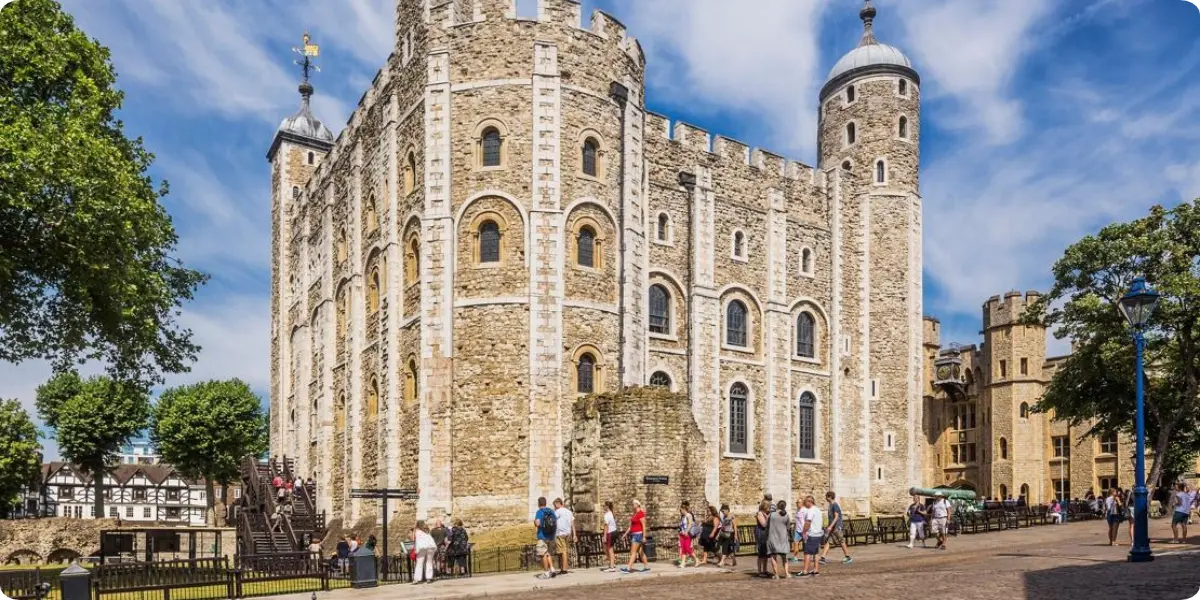
After the Battle of Hastings in 1066, William the Conqueror began fortifying London. The great keep now known as the White Tower dates from the 1070s and remains the oldest intact building in the city. It was built partly with Caen stone brought from Normandy, and its height was a deliberate message of Norman power. In the 13th century, Henry III and Edward I added the concentric walls, towers and water defences that give the Tower its fortress outline today.
2. The Tower as a Royal Residence
The Tower was never only a prison. Monarchs lived and held court here for centuries, and the Medieval Palace, rebuilt under Edward I, still shows how a king’s rooms were arranged for security as well as comfort. For generations, English monarchs traditionally spent the night before their coronation at the Tower and processed from it to Westminster, a custom that continued into the 17th century.
3. The Tower as a Prison
Imprisonment became its darker identity. The Tower held political rivals, rebellious nobles and religious dissenters, among them Sir Walter Raleigh, who spent years in the Bloody Tower, and Guy Fawkes, questioned here after the Gunpowder Plot of 1605. The Bloody Tower is also linked to the disappearance of the “Princes in the Tower” in 1483, the unresolved mystery of two young princes who vanished from royal records. In the 20th century, Rudolf Hess was held here in 1941, and the Kray twins were briefly detained in 1952.
4. Executions and Famous Prisoners
Most executions connected with the Tower took place outside the walls on Tower Hill. A privileged few were beheaded privately on Tower Green inside the fortress, traditionally counted as seven people, including Anne Boleyn (1536), Catherine Howard (1542) and Lady Jane Grey (1554). The last person executed at the Tower was German spy Josef Jakobs, shot in 1941. Seeing the Tower Green memorial today gives visitors a quiet, sobering place to pause.
5. The Tower’s Role in Modern British History
The Tower’s functions gradually shifted from fortress to heritage site. The Royal Mint operated within its walls for centuries before moving out in the early 19th century, and the royal menagerie, which began in the medieval period, closed when the animals moved to London Zoo in 1835. The Crown Jewels have been displayed here for centuries, and the Tower was bombed during the Second World War yet continued its nightly Ceremony of the Keys, a ritual said to have continued for over 700 years. The Tower is now run by the charity Historic Royal Palaces, which receives no government funding for its upkeep.
Best Things to See at the Tower of London
1. The Crown Jewels
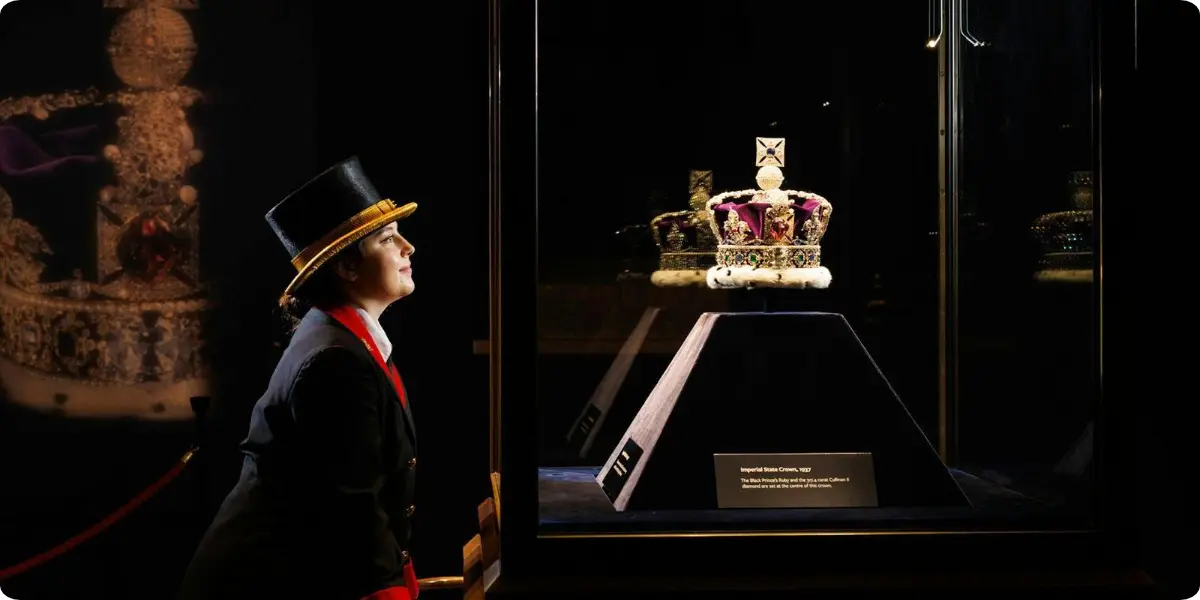
The Jewel House holds the working collection of royal regalia: crowns, sceptres, orbs, swords and ceremonial plate still used in coronations and state occasions. The collection contains 23,578 gemstones, and highlights include the Imperial State Crown and the Cullinan I diamond, set in the Sovereign’s Sceptre at 530.2 carats. Official guidance suggests allowing around one hour for the exhibition, and a moving walkway helps manage the flow in the vault. Expect queues in the morning and school holidays.
2. The White Tower
The White Tower is the Norman keep at the heart of the complex. Inside, you will find the Line of Kings and a large display of royal armour, including pieces made for Henry VIII, plus the austere St John’s Chapel, one of the finest surviving examples of Norman church architecture in England. Climb the spiral stairs if you can; the thick walls and narrow windows explain why this building impressed medieval Londoners.
3. The Bloody Tower
The Bloody Tower earned its name from the legend of the two princes. Today its rooms recount the stories of high-profile prisoners, particularly Sir Walter Raleigh, who was allowed to live relatively comfortably here while confined. It is a compact stop and one of the best places to understand the difference between a gentleman prisoner and an ordinary captive.
4. The Medieval Palace
The Medieval Palace brings the 13th-century royal lodgings back to life, with reconstructed rooms that show the throne chamber and bedchamber of Edward I. It is a useful counterbalance to the prison story, reminding visitors that this was a royal home before it was a place of captivity.
5. The Ravens of the Tower
According to legend, if the ravens ever leave the Tower, the fortress and the kingdom will fall. For that reason, at least six ravens are kept at the Tower at all times, looked after by the Ravenmaster, a Yeoman Warder. Stories often link the tradition to Charles II, though the earliest firm records of captive ravens are more recent. Each raven has a name and a distinct personality, and you will usually find them hopping around the lawns. Ravenmaster talks have been scheduled on selected mornings as a separate experience.
6. The Yeoman Warders (Beefeaters)
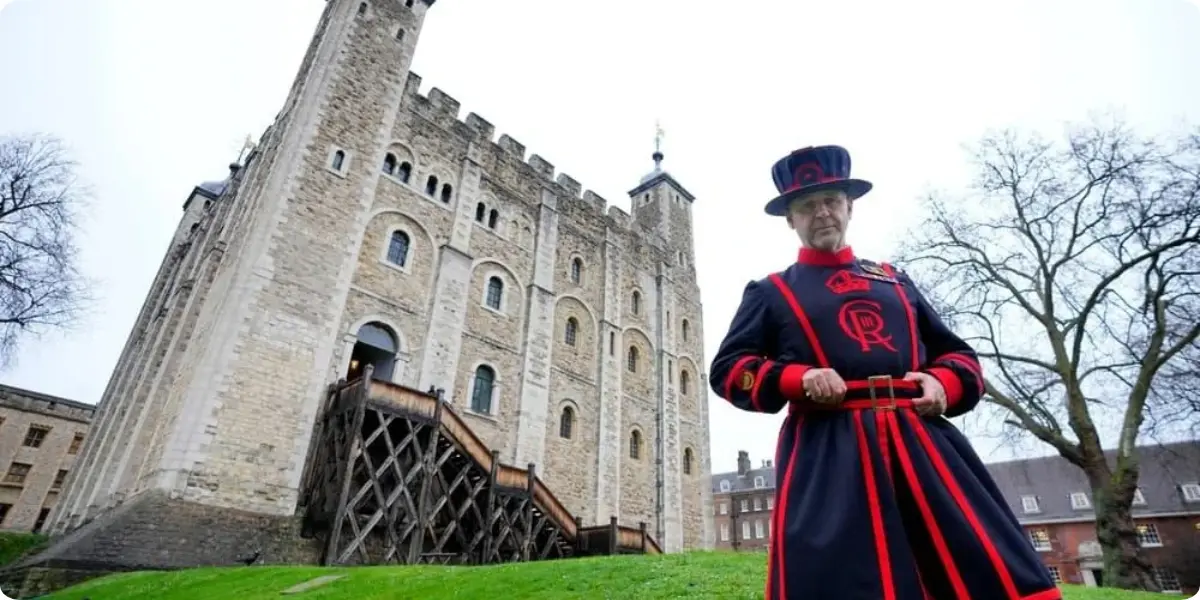
There are about 37 Yeoman Warders, all former members of the Armed Forces with long service, who live on site with their families. Their one-hour-style tours of the Tower begin roughly every 45 minutes and are included in a standard ticket. A good Warder blends humour with deeply researched history and shares stories you will not find on the information boards. The last tour of the day starts mid-afternoon, so join one early in your visit.
7. The Tower Green
The Tower Green was the site of private executions of high-status prisoners. A glass memorial, the Scaffold Site, marks the spot and lists the seven people traditionally associated with it, including Anne Boleyn and Lady Jane Grey. Nearby, the Chapel Royal of St Peter ad Vincula holds the graves of several of them, so it is worth reading the interpretation here slowly rather than rushing past.
Tower of London Tickets and Prices
1. How Much Do Tower of London Tickets Cost?
Historic Royal Palaces lists standard adult admission at £38 and child (ages 5–15) admission at £19, excluding an optional donation, with Historic Royal Palaces members admitted free. Prices change, and some date-based pricing may apply, so confirm on the official ticket page before you travel. Separate add-ons, such as the Ceremony of the Keys, ghost tours, the Opening Ceremony experience and the River Tour combination, are priced separately.
2. Where to Buy Official Tickets
The safest place to buy is the official Tower of London website, run by Historic Royal Palaces. Tickets can be bought online or at the ticket office on the day, but online booking is advised at busy times such as holidays and weekends. Third-party resellers may add a margin, so compare the total price before you buy.
3. Are Guided Tours Worth It?
Yes, for most first-time visitors. The Yeoman Warder tour is already included in a standard ticket, so you do not need to pay extra for one of the best parts of the visit. An audio guide, available from around £5 when added to an online booking, adds curator and Warder commentary if you prefer to explore at your own pace.
4. Is the Tower of London Included in the London Pass?
The Tower of London is generally one of the headline attractions on the London Pass, which can make sense if you plan several paid sights in a few days. Check the pass terms on the day you book, as entry rules and any reservation requirements can change. If you only plan two or three paid attractions, a direct ticket may work out cheaper.
5. Do Children Get Discounted Entry?
Yes. Children aged 5–15 have a reduced-price ticket, and children under five have generally been admitted free. Concession and carer tickets are also available for eligible visitors, so check the eligibility rules and bring any required proof.
Tower of London Opening Times
The Tower follows a summer and winter pattern, with later starts on Sundays and Mondays. Always check the official page for the date you plan to visit, because event days and conservation work can alter routes and timings.
| Season | Days | Opening hours |
|---|---|---|
| Summer (1 March to 31 October) | Tuesday to Saturday | 09:00 to 17:30 |
| Summer (1 March to 31 October) | Sunday and Monday | 10:00 to 17:30 |
| Winter (1 November to 28 February) | Tuesday to Saturday | 09:00 to 16:30 |
| Winter (1 November to 28 February) | Sunday and Monday | 10:00 to 16:30 |
| Closed | 24, 25, 26 December and 1 January | Closed |
1. Summer Opening Hours
From March to October the Tower stays open into the late afternoon, which gives you the longest window for the Crown Jewels, the White Tower and a Warder tour. Last admission is earlier than closing time, so do not arrive in the final hour.
2. Winter Opening Hours
From November to February the Tower closes at 16:30, and darkness falls early, so plan to arrive at opening. Because the last Warder tour leaves in the early afternoon in winter, an early arrival matters more than in summer.
3. Best Time of Day to Visit
Arrive for opening. Official guidance for many visitors suggests that the first hour offers the shortest wait for the Jewel House, and a morning start leaves the afternoon for the White Tower and the walls. Late afternoon can also be quieter, but it works only if you accept a shorter, focused visit.
4. Public Holidays and Seasonal Closures
The Tower is closed on 24, 25 and 26 December and on 1 January. On other bank holidays it normally follows its usual daily schedule, although it tends to be much busier. Evening experiences such as the Ceremony of the Keys, usually at 21:30, are separately ticketed and must be booked ahead.
How Long Does It Take to Visit the Tower of London?
Historic Royal Palaces recommends allowing at least three hours, and in practice the Tower can fill most of a day.
- Quick visit (about 2 hours): Crown Jewels, White Tower and a quick walk around the Green.
- Standard visit (about 3 hours): Add a Yeoman Warder tour, the Bloody Tower and the Medieval Palace.
- In-depth visit (4 hours or more): Add the wall walk, an audio guide, the chapels and a café break.
The main factors are queue length at the Jewel House, whether you join a Warder tour (roughly an hour), school holiday crowds and how many children you have with you. A sensible first-time order is Warder tour first, Crown Jewels second, then the White Tower, then the quieter towers.
Best Time to Visit the Tower of London
1. Visiting During Spring
Spring brings mild weather and fewer school groups before the late-spring holidays. It is a good season for photography on the Thames side and for comfortable outdoor walking along the walls.
2. Visiting During Summer
Summer has the longest opening hours and family events, but it is also the busiest and hottest. Many courtyards have little shade, so bring water and book a morning slot.
3. Visiting During Autumn
Autumn can be an excellent balance the school rush has ended, the light is good and the atmosphere is calmer. Early autumn still keeps summer hours until the end of October.
4. Visiting During Winter
Winter offers the fewest crowds outside the Christmas period. Dress warmly, because stone buildings hold the cold, and note the shorter days. Atmospheric evening events, including ghost tours on selected Sundays, are sold separately.
5. Best Days and Times to Avoid Crowds
Tuesday to Thursday mornings in term time are generally calmer than weekends and school holidays. Monday and Sunday openings are an hour later, so queues build slightly later too. Booking a first-slot ticket and heading to the Jewel House first is the simplest way to beat the line.
How to Get to the Tower of London
The Tower sits in the City of London at Tower Hill, EC3N 4AB. There is no on-site parking, so public transport or walking is the practical choice. If you are still planning the wider trip, our London tourist information guide covers tickets, passes and getting around the capital.
1. By London Underground
The nearest station is Tower Hill, on the Circle and District lines, a short walk from the entrance. Check disruptions on the Transport for London journey planner before you set out, particularly at weekends when engineering works are common.
2. By Bus
Several London bus routes stop near Tower Hill and Tower Gateway, including services along Tower Hill and Minories. Route numbers and stops are updated by TfL, so use the journey planner for the live option.
3. By Train
Fenchurch Street station is a ten-minute walk away and links east London and Essex. Tower Gateway on the Docklands Light Railway is also close. Check times on National Rail before travelling.
4. By River Boat
Tower Millennium Pier is a short walk from the entrance. Commuter river services run along the Thames, and you can check routes and fares on the Thames Clippers site. A river arrival also gives a good view of the fortress from the water.
5. Walking From Nearby London Attractions
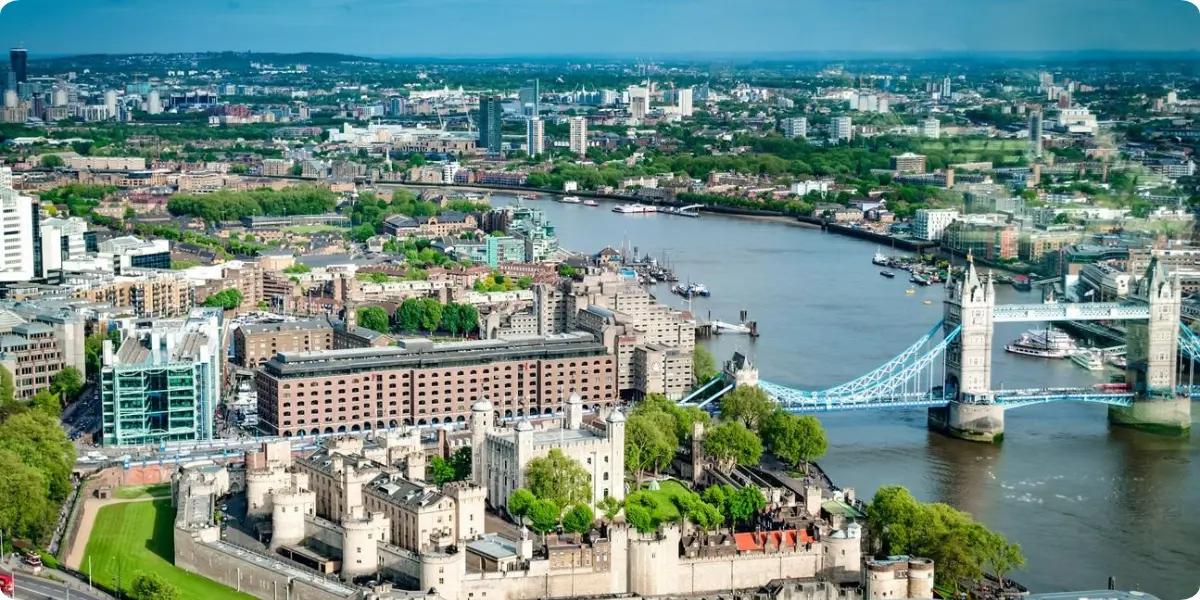
The Tower is easy to walk to from Tower Bridge, St Katharine Docks and the City’s main sights. Leadenhall Market and St Paul’s Cathedral are both within a reasonable walk, so it fits neatly into a day of central London sightseeing.
Things to Know Before Visiting the Tower of London
- Book tickets in advance. This is especially wise at weekends and in school holidays.
- Arrive early. The first hour is calmer, and the first Warder tours leave when the gates open.
- Allow enough time for the Crown Jewels. Official guidance suggests around an hour.
- Wear comfortable walking shoes. The site has cobbles, stairs and uneven surfaces.
- Check accessibility information. Dedicated facilities, wheelchair hire, concession and carer tickets and a digital British Sign Language guide are offered, but the buildings are medieval and some areas have limited step-free access.
- Review security and photography restrictions. Expect security checks, and note that photography is not permitted in the Crown Jewels exhibition.
- Check official tour schedules. Warder tours depart about every 45 minutes, and the last tour leaves earlier in winter.
Is the Tower of London Worth Visiting?
For most visitors, yes. It combines royal history, world-class treasures and real fortress architecture in a single site, and a Warder tour often turns out to be the highlight. Families benefit from open spaces, interactive displays and armour, while history lovers can spend hours on the stories behind the walls.
The downsides are real: tickets are among the most expensive in London, queues can be long in peak periods, and some areas feel crowded. The Tower suits first-time visitors, history enthusiasts and families with school-age children best. If you dislike crowds or have only a few hours in London, go first thing in the morning or choose a quieter season. First-time travellers can pair it with our London first-time visitor guide to build a sensible itinerary.
Visiting the Tower of London With Kids
1. Is It Suitable for Children?
Yes, particularly for children aged five and over. Ages 5–15 qualify for a reduced ticket, and the combination of armour, ravens, towers and stories is a strong draw. Very young children may tire quickly on stairs and cobbles.
2. Family-Friendly Activities
Children usually enjoy meeting the ravens, spotting the Yeoman Warders, walking along the walls and looking at the armour in the White Tower. School holiday programmes often include costumed Tudor activities and family events, but check the schedule before relying on them.
3. Educational Experiences
The Tower works well for school-age history projects, covering the Normans, the Tudors and the Gunpowder Plot. The Warder tour is entertaining and informative, and an audio guide can add detail for older children.
4. Practical Tips for Parents
Take a lightweight pushchair or carrier, since stairs and cobbles are frequent. Pack snacks and water, plan a mid-visit break, and pick two or three must-see sights instead of trying to cover every tower. There are cafés and refreshment points on site, and the Thames path outside is useful for a breather.
Best Attractions Near the Tower of London
If you have time after your visit, the neighbourhood is full of well-known sights. For lesser-known detours across the capital, see our guide to hidden gems in London.
1. Tower Bridge
Tower Bridge is a short walk away and is best known for its glass-floored high-level walkway. You can plan an exhibition visit through the official Tower Bridge website.
2. The Shard
The Shard is the tallest building in the United Kingdom and has an observation deck with long views across the Thames. Check the View from The Shard site for tickets and opening times.
3. St Katharine Docks
St Katharine Docks is a calm marina just east of the Tower, with cafés and waterside seating. See the St Katharine Docks website for what is on.
4. Borough Market
Borough Market, near London Bridge, is a long-running food market that suits a post-Tower lunch. Opening days vary, so check the Borough Market site first.
5. HMS Belfast
HMS Belfast is a Second World War light cruiser moored on the Thames and operated by the Imperial War Museums. Visit details are on the IWM HMS Belfast page.
Suggested Tower of London Walking Itinerary
- Start at the main entrance. Arrive at opening time with your pre-booked ticket and pass security.
- Join a Yeoman Warder tour. Head to the meeting point early to get the first or second departure.
- Explore the Crown Jewels. Go straight after the tour while queues are shorter, and allow about an hour.
- Visit the White Tower. Look at the royal armour and St John’s Chapel.
- Explore the medieval buildings. Walk through the Medieval Palace and the Bloody Tower.
- Walk the walls and Tower Green. Pause at the memorial and meet the ravens.
- Finish with views of Tower Bridge. Leave via the riverside for photos of the bridge and the Thames.
Tower of London Visitor Information
| Visitor information | Details |
|---|---|
| Location | Tower Hill, London EC3N 4AB |
| Attraction type | Historic fortress, royal palace and former prison |
| Main highlight | Crown Jewels |
| Recommended visit | 3–4 hours |
| Nearest Underground | Tower Hill |
| Best for | History lovers and families |
| Heritage status | UNESCO World Heritage Site (inscribed 1988) |
| Parking | None on site |
Frequently Asked Questions About the Tower of London
Can you see the Crown Jewels without visiting the entire Tower?
No. The Crown Jewels exhibition is part of general admission, so you must buy a ticket to the Tower. You can then go straight to the Jewel House, see the collection in about an hour and leave without touring every tower.
Are photographs allowed inside the Tower of London?
Photography is generally welcome across the grounds and in many buildings, but it is not allowed in the Crown Jewels exhibition. Some areas may have additional restrictions, so follow signs and staff instructions during your visit.
Can you visit the Tower of London without a guided tour?
Yes. Yeoman Warder tours are included in the ticket but optional, and you can explore independently or with an audio guide. Many visitors still join one because the stories add a lot of context.
Is there a dress code for visiting the Tower of London?
There is no formal dress code. Wear comfortable shoes for cobbles and stairs, and bring layers, since stone buildings can be chilly and many courtyards are exposed to wind and rain.
Are there restaurants or cafes inside the Tower of London?
Yes, there are cafés and refreshment points on site, so you can take a break during a longer visit. Menus and opening hours can change, so check on the day, or eat in nearby St Katharine Docks.
Is the Tower of London wheelchair accessible?
Partly. Wheelchair hire, dedicated facilities and concession and carer tickets are available, but the Tower is a medieval fortress with stairs, cobbles and narrow passages. Contact Historic Royal Palaces before you visit to plan an accessible route.
Can you bring a backpack into the Tower of London?
Small bags are normally allowed after security screening, but large luggage and oversized bags can cause delays. Historic Royal Palaces points visitors towards nearby luggage storage providers, so travel light.
Are the Tower of London ravens always visible?
Not always. The ravens usually roam the lawns and are easy to spot, but they can be out of sight in their enclosures, at rest or kept in for care or health precautions. Check the grass near the White Tower first.
Can you visit Tower Bridge and the Tower of London on the same day?
Yes. The two sights are a short walk apart. Pair the Tower in the morning with a walk across Tower Bridge or the bridge exhibition in the afternoon, and book both in advance during busy periods.
Is the Tower of London suitable for people who dislike crowded attractions?
It can be, with planning. Visit on a weekday morning in term time, book the first slot and see the Jewel House first. The outdoor grounds also offer room to step away from queues.
Final Thoughts
The Tower of London rewards visitors who plan ahead. Book official tickets, arrive at opening, join a Yeoman Warder tour early, allow at least three hours and keep the Crown Jewels for a quieter moment. Check the official Historic Royal Palaces site for the latest prices, route closures and events before you go.
