
The best places to visit in Istanbul are Hagia Sophia, the Blue Mosque, Topkapı Palace, the Basilica Cistern and the Grand Bazaar for history, Galata Tower and the Bosphorus for views, and Balat, Karaköy and Kadıköy for neighborhood life. Few cities combine Byzantine and Ottoman monuments, lively bazaars and waterfront ferries across two continents the way Istanbul does.
This guide suits first-time visitors, couples, families, culture lovers and travelers on a budget. You will find a quick comparison table, 23 places grouped by what they offer, travel-style picks, itineraries for one to four days and practical tips. If you would rather browse by activity than by place, our things to do in Istanbul guide is a good companion. For official destination information, Go Türkiye is the national tourism portal.
Quick Guide to the Best Places in Istanbul
| Place | Best for |
| Hagia Sophia | History and architecture |
| Blue Mosque | Ottoman architecture |
| Topkapı Palace | Imperial history |
| Grand Bazaar | Shopping and local crafts |
| Galata Tower | City views |
| Balat | Colorful streets and photography |
| Bosphorus waterfront | Scenic walks and cruises |
| Kadıköy | Food and local culture |
| Süleymaniye Mosque | Architecture and peaceful views |
| Princes’ Islands | A quieter escape from the city |
The right choices depend on how much time you have, what you enjoy and where you are staying. Sultanahmet suits a short trip because the big monuments sit within walking distance, while a longer stay leaves room for the Asian side and the Bosphorus neighborhoods.
5 Best Historical Places to Visit in Istanbul
1. Hagia Sophia: A Landmark of Byzantine and Ottoman History
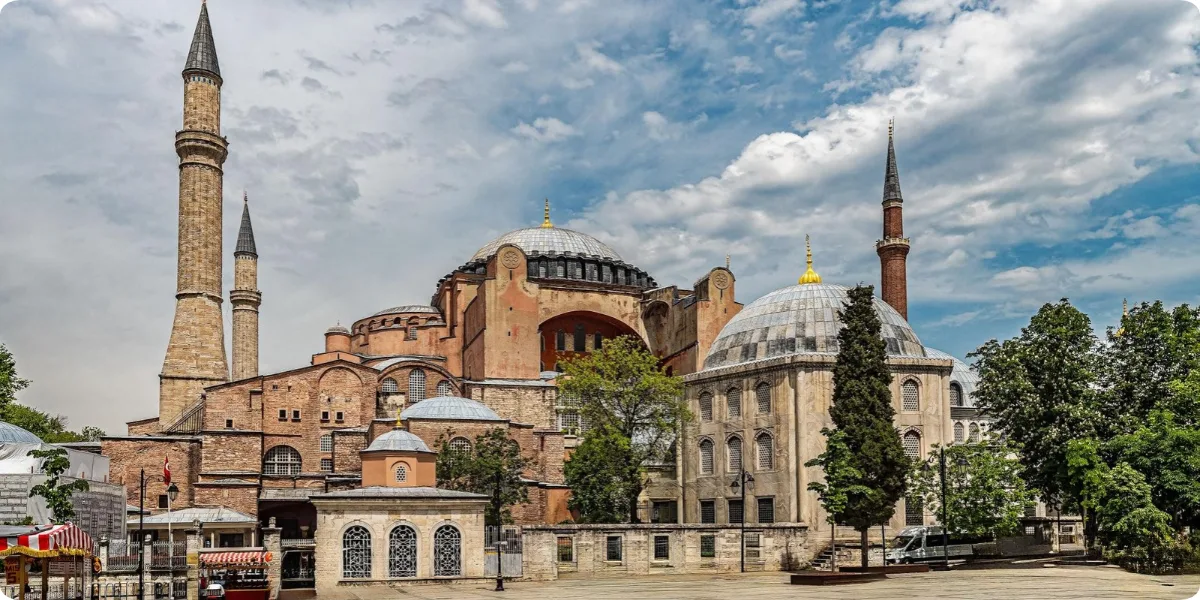
Emperor Justinian completed Hagia Sophia in the 6th century. It has served as a cathedral, a mosque, a museum and, since 2020, a mosque again. Its enormous central dome and layered Byzantine mosaics and Ottoman calligraphy make it the city’s defining monument. The wider Sultanahmet district is part of the UNESCO-listed Historic Areas of Istanbul.
Before you go, remember that it is an active place of worship. Dress modestly, expect head coverings for women, and check current entry rules and ticketing for foreign visitors. Early morning is usually calmer. The Blue Mosque, Basilica Cistern and Topkapı Palace are all a short walk away.
2. Blue Mosque: Admire Ottoman Architecture
The Sultan Ahmed Mosque, known as the Blue Mosque, was built in the early 17th century. It is famous for its cascading domes, six minarets and the İznik tiles that line its interior. Entry is free, but it closes to visitors around the five daily prayers, so plan around them.
Dress modestly, remove your shoes at the entrance and keep your voice low. For photographs, the best viewpoints are across Sultanahmet Square, from the park between the mosque and Hagia Sophia, and from the edge of the Hippodrome at dusk.
3. Topkapı Palace: Explore the Ottoman Imperial Residence
Topkapı was the sultans’ main residence for centuries. Its courtyards, pavilions, imperial treasury and the Harem show how the empire was governed and how its rulers lived. Allow at least two to three hours, more if you add the Harem.
Opening days, ticket categories and whether the Harem needs a separate ticket change over time, so confirm them on the official Topkapı Palace site before you travel. The palace has traditionally closed one day a week, so check that day too.
4. Basilica Cistern: Discover Istanbul Underground
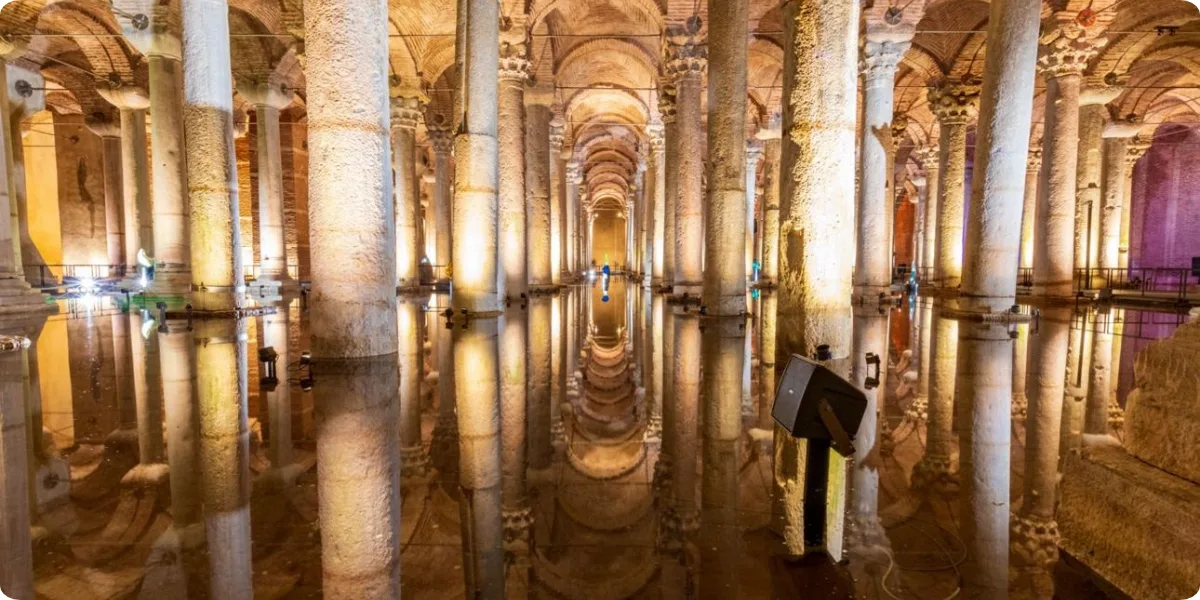
Built in the 6th century to store water for the Great Palace, the Basilica Cistern is a vast underground hall held up by hundreds of columns. Soft lighting and the sound of dripping water make it one of the most atmospheric stops in the old city.
Look for the two Medusa-head column bases at the back, reused from earlier Roman structures. Because it is indoors and cool, it works well on rainy or very hot days. Check hours and ticketing on the official Basilica Cistern website.
5. Süleymaniye Mosque: Enjoy History and Panoramic Views
Süleymaniye was designed by the architect Sinan for Sultan Suleiman the Magnificent and completed in the 16th century. It is calmer than the Sultanahmet mosques, and its terrace looks over the Golden Horn and the ferries below.
The surrounding complex includes courtyards and the tombs of Suleiman and Sinan. Afterwards, wander the nearby lanes and the old Zeyrek area, where small cafés and quiet streets give a sense of everyday Istanbul away from the main tourist routes.
5 Best Places for City Views and Bosphorus Scenery
1. Galata Tower: See Istanbul from Above
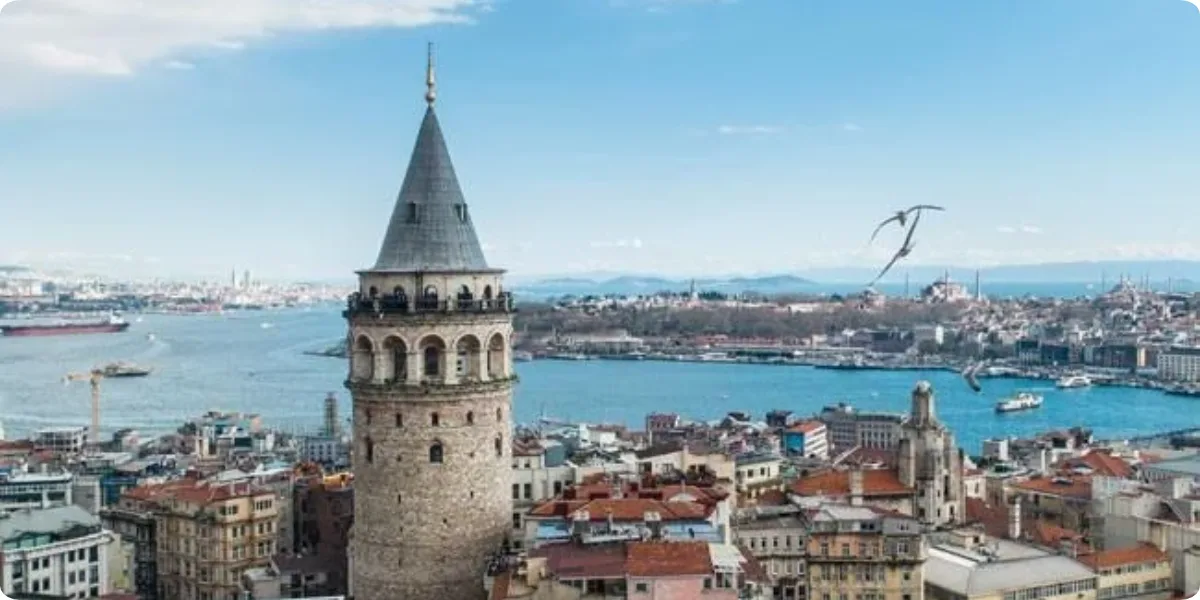
The Genoese built Galata Tower in the 14th century, and it offers 360-degree views of the historic peninsula, the Golden Horn, and the Bosphorus. Its stone cylinder and conical cap are a fixture of the skyline.
Queues can be long, so go early or in the late afternoon and book a timed ticket if one is available. For photographs, aim for the golden hour before sunset, then walk down the narrow streets toward Karaköy.
2. Bosphorus Strait: Experience Istanbul from the Water
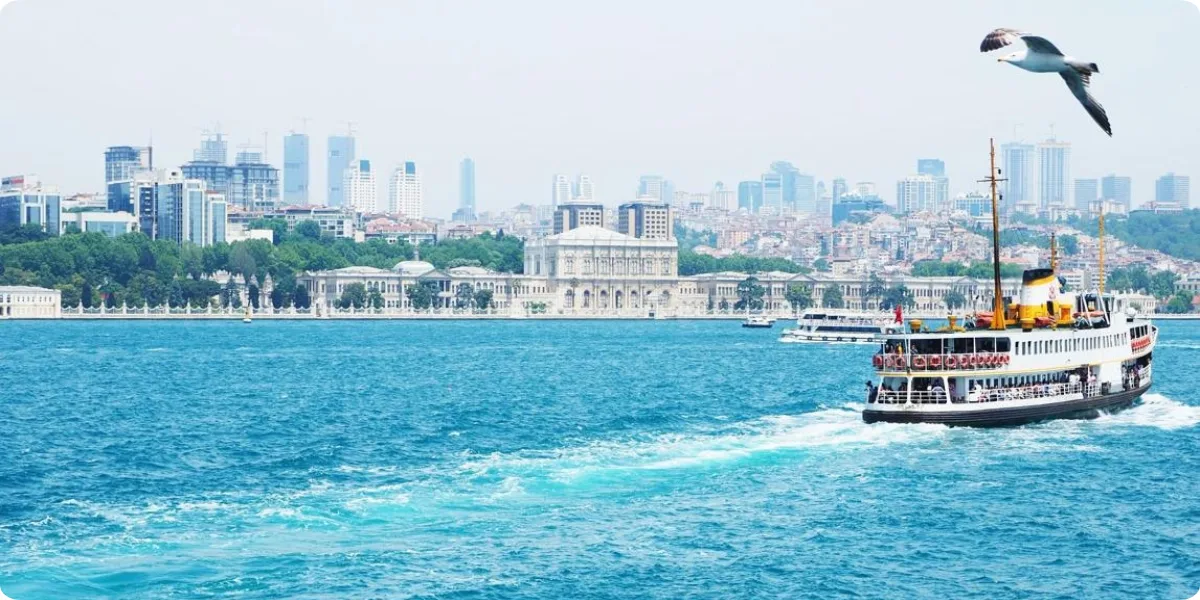
The Bosphorus separates Europe from Asia and is best seen from a boat. Public ferries, such as the long Bosphorus route run by Şehir Hatları, are the budget-friendly option, with open decks and a relaxed pace. Sightseeing cruises are shorter and often include commentary or an evening setting.
From the water you will see waterfront palaces, wooden mansions called yalıs, fortresses and the suspension bridges. If cost matters, take a public ferry and carry your own tea or snack. If time is short, choose a shorter cruise from Eminönü or Kabataş.
3. Ortaköy Mosque and Square: Enjoy a Classic Waterfront View
The small Neo-Baroque Ortaköy Mosque sits right on the water, framed by the Bosphorus Bridge. The square around it is known for street food, especially stuffed baked potatoes, along with craft stalls and waterfront cafés.
Weekday mornings and early evenings are more relaxed than weekends, when the square fills quickly. It is a good place for photographs at sunset, and an easy walk along the shore.
4. Maiden’s Tower: Visit an Iconic Istanbul Landmark
Maiden’s Tower stands on a small islet near the Üsküdar shore, wrapped in legends about a princess and a prophecy. It has served as a lighthouse, a customs point and a restaurant over the centuries.
You can see it clearly from Üsküdar’s waterfront without going inside. If you want to visit, confirm current access and boat arrangements, since these have changed in recent years.
5. Pierre Loti Hill: Enjoy Golden Horn Views
This hilltop in Eyüp overlooks the Golden Horn and is a favorite spot for tea with a view. A cable car runs up from Eyüp, and you can also walk through the quiet cemetery paths if you are comfortable with a climb.
Combine it with the Eyüp Sultan Mosque district below. Late afternoon gives the softest light for photography, but check cable car status and timetables with Metro Istanbul before you go.
These viewpoints and waterfront stops complement the historic sites and give you more to see than the usual landmark checklist.
6 Best Neighborhoods to Explore in Istanbul
1. Balat and Fener: Explore Colorful Historic Streets
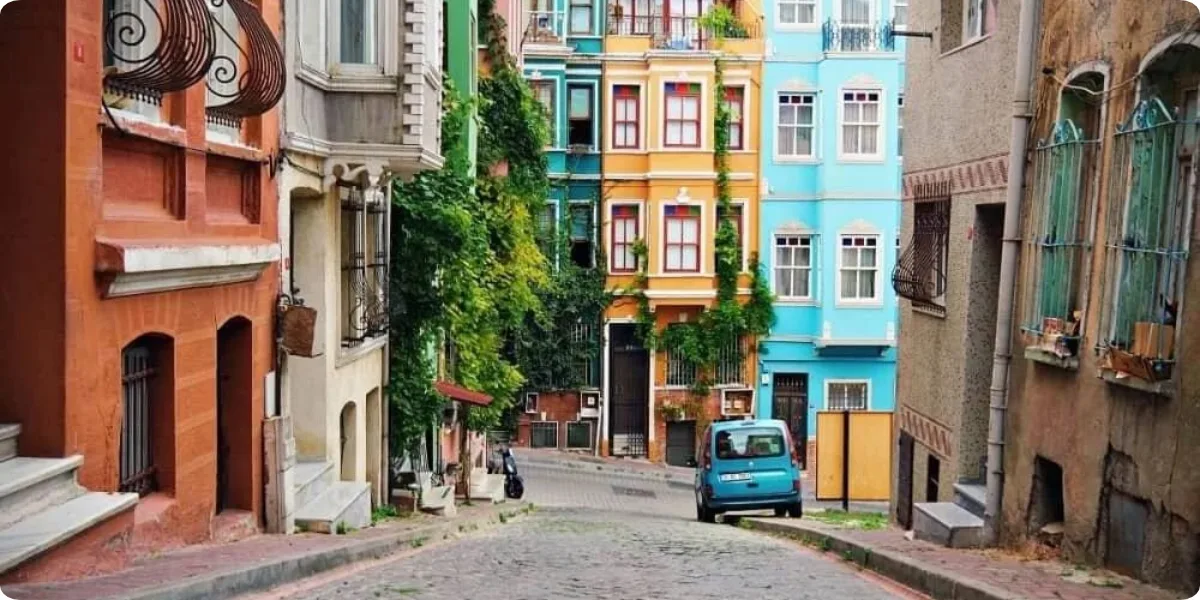
Balat and Fener sit on the Golden Horn and combine pastel houses, steep cobbled lanes and old churches, synagogues and mosques. Independent cafés and vintage shops fill the side streets.
Photograph respectfully, since these are residential areas, and avoid blocking doorways. A sensible walk is to start at Fener, climb through Balat and finish with a café stop before heading to Eyüp or the shore.
2. Karaköy: Discover Cafés, Art, and Waterfront Streets
Karaköy has transformed from a port district into a hub of specialty coffee, galleries, design shops and street art. It sits beside the Galata Bridge and connects easily to Galata Tower on foot.
It suits couples, design lovers and travelers who like wandering without a fixed plan. Evening brings busy restaurants and bars, and the waterfront is pleasant for a stroll.
3. Kadıköy: Experience Istanbul’s Asian Side
Kadıköy is the best introduction to everyday life on the Asian shore. Its food market, fishmongers, bookshops, bars and neighborhood restaurants draw locals more than tourists. For offbeat experiences beyond the usual circuit, see our guide to unique things to do in Istanbul.
Ferries run regularly from Eminönü and Karaköy, and the crossing itself is a highlight. After the market, walk to Moda for its waterfront promenade and sea breeze.
4. Üsküdar: Discover a Different Side of Istanbul
Üsküdar faces the European skyline across the water and feels more traditional and unhurried. Its seafront has some of the best views of the Maiden’s Tower, and the old mosques around the ferry pier reward a slow walk.
Come in the afternoon, sit by the water with tea and watch the ferries. It pairs well with Kadıköy on a single Asian-side day.
5. İstiklal Avenue and Taksim Square: Explore Modern Istanbul
İstiklal Avenue is the city’s busiest pedestrian street, lined with shops, cafés, historic façades and bookstores, with a nostalgic red tram running along it. Taksim Square sits at the top and is a major transport junction.
It is lively day and night. A good plan is to walk down İstiklal toward Galata Tower, then continue to Karaköy and the waterfront. Watch your belongings in crowded sections.
6. Beşiktaş and Arnavutköy: Explore the Bosphorus Neighborhoods
Beşiktaş has a local market, ferry pier and waterfront promenade, while Arnavutköy, further up the shore, is known for wooden houses and quiet cafés. The area is less touristy than Sultanahmet.
Go without a tight schedule. Walk, stop for tea or fish and enjoy the Bosphorus views rather than racing between sights.
4 Best Markets and Cultural Attractions
1. Grand Bazaar: Shop for Traditional Turkish Goods
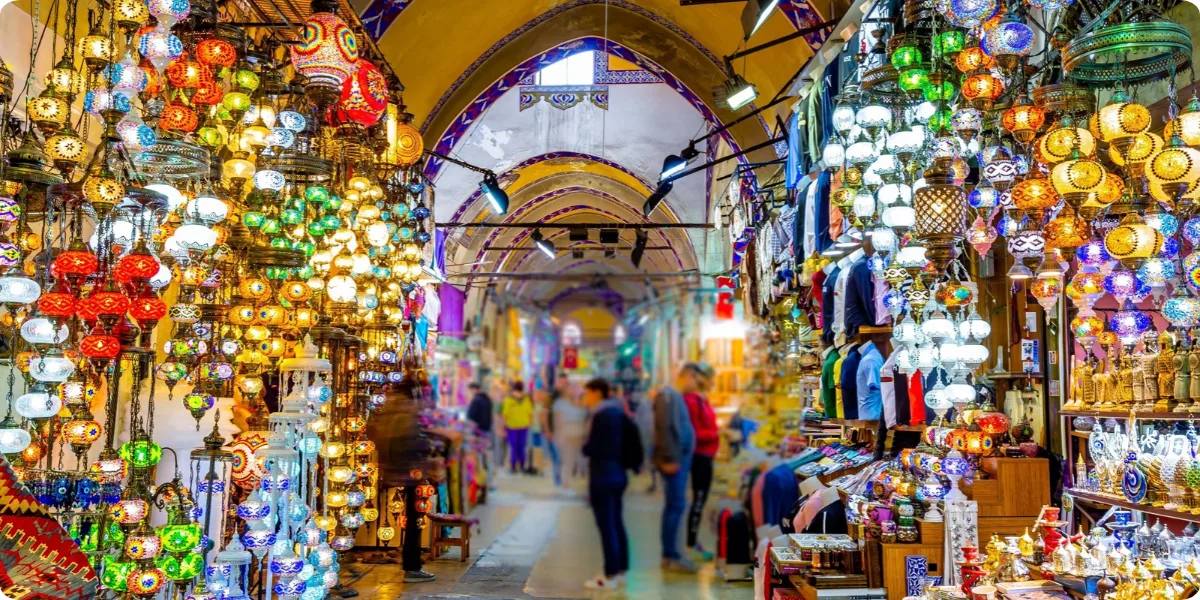
The Grand Bazaar is a covered maze of thousands of shops selling carpets, ceramics, lamps, jewelry and souvenirs. It is one of the oldest and largest covered markets in the world.
Bargaining is expected but should be polite and relaxed. Compare prices before buying, avoid following touts and set a time limit so shopping does not take over your day. It is typically closed on Sundays and public holidays, so confirm opening days.
2. Spice Bazaar: Experience Istanbul’s Food Culture
The Spice Bazaar, also called the Egyptian Bazaar, is smaller and more food-focused than the Grand Bazaar. Look for Turkish delight, dried fruit, nuts, teas, saffron and spice blends.
Compare a few stalls before buying and ask for small tastings. It is next to Eminönü’s ferry piers and the Galata Bridge, so it is easy to pair with a waterfront stroll.
3. Dolmabahçe Palace: Discover Ottoman-Era Grandeur
Dolmabahçe is a 19th-century palace on the Bosphorus with ornate European-style interiors, chandeliers and manicured gardens. It differs from Topkapı, which is a courtyard-based complex from an earlier era.
Entry is usually by guided route and ticket categories vary, so check current hours and access with Turkey’s National Palaces administration before visiting.
4. Istanbul Modern: Explore Contemporary Turkish Art
Istanbul Modern shows modern and contemporary Turkish art in a waterfront building at Galataport. It suits visitors who want culture beyond mosques and palaces.
Pair it with Karaköy’s galleries and cafés. Check exhibitions and opening hours on the Istanbul Modern website.
Nature and Peaceful Places to Visit in Istanbul
City parks fit into a short sightseeing break, while the islands need more travel time.
1. Gülhane Park: Take a Break Near the Old City
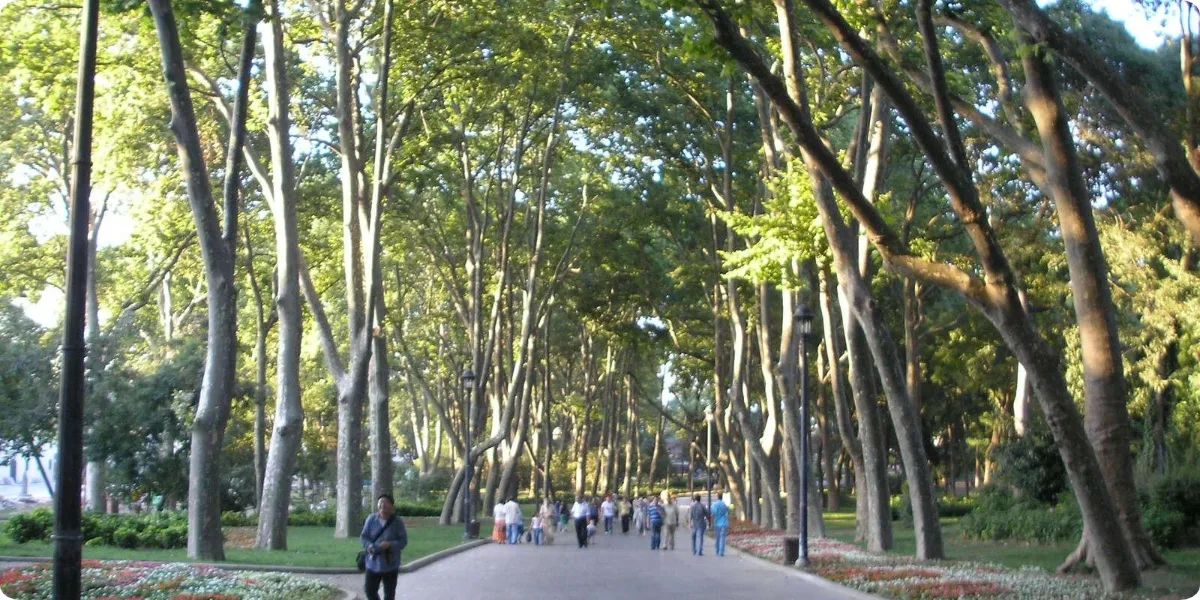
Gülhane Park was once the outer garden of Topkapı Palace. Shaded paths and lawns make it a convenient pause between the major sights in Sultanahmet.
2. Emirgan Park: Enjoy Green Spaces and Bosphorus Views
Emirgan Park has landscaped gardens, pavilions and walking paths above the Bosphorus. It is especially popular in spring when tulips bloom. Because it is farther from the center, plan transport in advance and avoid peak weekend afternoons. For more green space and water-based ideas, see our guide to outdoor activities in Istanbul.
3. Princes’ Islands: Take a Day Trip from Istanbul
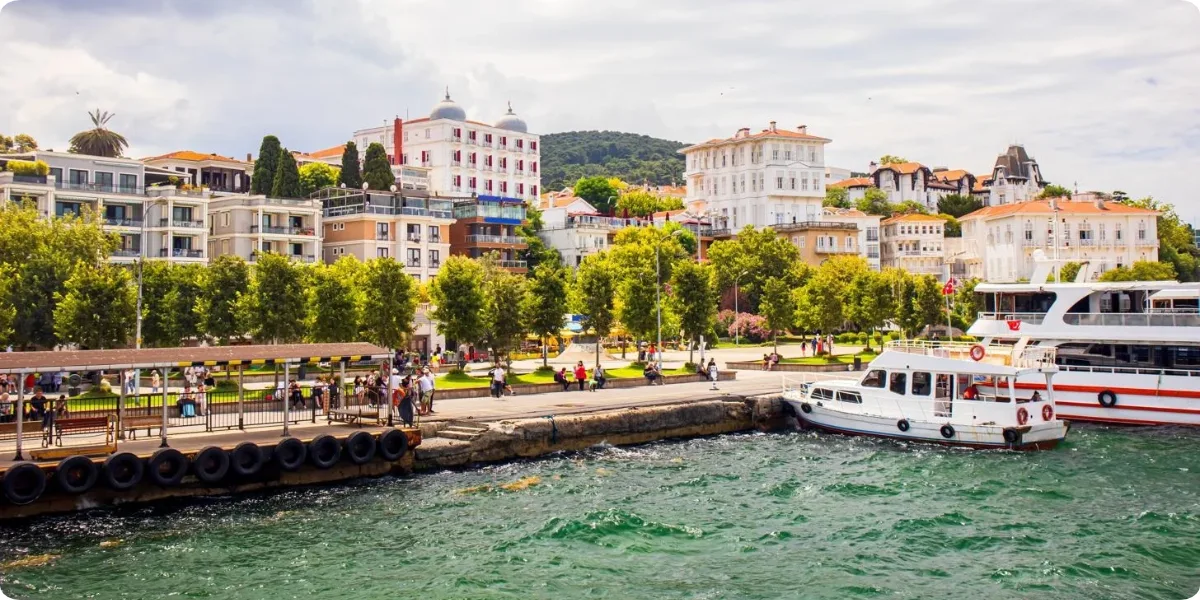
The Princes’ Islands are a group of car-free islands in the Sea of Marmara. Büyükada is the largest, with wooden mansions and hill walks, while Heybeliada is smaller and quieter. Ferries are the main way to get there.
Plan around ferry timetables and weather, since crowds and queues grow on summer weekends. Bring comfortable shoes and allow a full day.
Best Places to Visit in Istanbul by Travel Style
1. Best Places to Visit in Istanbul for First-Time Visitors
Start with Sultanahmet: Hagia Sophia, the Blue Mosque, Topkapı Palace and the Basilica Cistern. Add Galata Tower and a Bosphorus ferry ride to see the city from above and from the water.
2. Best Places to Visit in Istanbul for Couples
Waterfront walks in Ortaköy, viewpoints such as Pierre Loti Hill, and a sunset ferry suit couples well, as do atmospheric lanes in Balat and Karaköy. For more ideas, see our guide to romantic things to do in Istanbul.
3. Best Places to Visit in Istanbul with Kids
Ferry rides, parks such as Gülhane and interactive museums keep children engaged and give them space to move. Mix one big sight per day with a park or waterfront break. Our guide to things to do in Istanbul with kids covers family-friendly attractions in more detail.
4. Free Places to Visit in Istanbul
Public squares, waterfront promenades, neighborhood walks and parks cost nothing to enjoy. Mosque entry is usually free, but museums, palaces and special attractions have their own admission rules. See our list of free things to do in Istanbul for a fuller budget plan.
5. Hidden Gems in Istanbul Worth Exploring
Quieter streets in Zeyrek and Kuzguncuk, smaller historic mosques, neighborhood markets and calmer waterfront stretches give a different view of the city. I have avoided labeling the busiest landmarks as hidden. For a longer list, read our guide to hidden gems in Istanbul.
6. Best Places to Visit in Istanbul at Night
Illuminated waterfront landmarks, evening ferry rides, lively pedestrian streets and dining districts like Karaköy and Kadıköy come alive after dark. Our guide to things to do in Istanbul at night goes deeper.
How to Plan Your Istanbul Sightseeing Itinerary
Group attractions by area and avoid crossing the city repeatedly. A trip-length tool such as our trip duration calculator can help you size your stay.
1. One Day in Istanbul
Focus on Sultanahmet: Hagia Sophia, the Blue Mosque, the Basilica Cistern and Topkapı Palace, with a quick Grand Bazaar visit. If time allows, finish with a short waterfront walk or ferry ride.
2. Two Days in Istanbul
Day 1: Sultanahmet, the major historic sites and the Grand Bazaar area. Day 2: Galata, Karaköy, a Bosphorus experience or selected Asian-side neighborhoods.
3. Three Days in Istanbul
Day 1: the historic peninsula. Day 2: Galata, Beyoğlu and the Bosphorus waterfront. Day 3: Kadıköy, Üsküdar or a chosen nature attraction.
4. Four or More Days in Istanbul
Slow down and explore neighborhoods at your own pace. Add museums, additional palaces, parks or the Princes’ Islands.
Practical Tips for Visiting Istanbul
1. What Is the Best Time to Visit Istanbul Attractions?
Spring and autumn usually offer the most comfortable weather for outdoor sightseeing, with moderate crowds and longer daylight than winter. Summer can be hot and busy, especially around Sultanahmet. Winter is cooler and wetter but quieter. Check forecasts with the Turkish State Meteorological Service before planning outdoor days.
2. How to Get Around Istanbul
Trams, metro lines, buses, ferries and walking all play a role. Trams are convenient around Sultanahmet and İstiklal, ferries link the European and Asian sides, and the metro helps with longer distances. Get an Istanbulkart for public transport and check current routes and fares before you travel.
3. How Much Do Istanbul Attractions Cost?
Public spaces, many mosques and waterfront walks are free, while museums, palaces and cruises charge admission. Prices change, so verify them before publication or your trip, and use a tool like our trip cost calculator to estimate a daily budget.
4. What Should You Wear When Visiting Mosques?
Dress modestly, with shoulders and knees covered, and women should carry a scarf for covering the hair. Remove your shoes where required and avoid visiting during prayer times.
Common Mistakes to Avoid When Sightseeing in Istanbul
- Trying to visit too many attractions in one day.
- Underestimating travel time between districts.
- Ignoring museum closing days or prayer schedules.
- Forgetting to check ferry timetables.
- Visiting popular attractions without checking current ticket arrangements.
FAQs About Places to Visit in Istanbul
What are the best places to visit in Istanbul for the first time?
Start with Hagia Sophia, the Blue Mosque, Topkapı Palace and the Basilica Cistern in Sultanahmet. Then add Galata Tower, the Grand Bazaar and a Bosphorus ferry ride. This mix covers history, shopping and views without too much crossing of the city.
How many days do you need to explore Istanbul?
Three days is a comfortable minimum for the main sights, one neighborhood and a Bosphorus experience. Two days works if you stay focused on the historic peninsula and Galata. Four or more days let you add the Asian side, museums and the Princes’ Islands at a slower pace.
What is the most famous place in Istanbul?
Hagia Sophia is widely regarded as Istanbul’s most famous landmark, closely followed by the Blue Mosque and Topkapı Palace. Its Byzantine origins, massive dome and later Ottoman history make it a symbol of the city and a top priority for most visitors.
Which places in Istanbul are free to visit?
Public squares, waterfront promenades, parks and neighborhood walks are free, and many mosques allow free entry outside prayer times. Museums, palaces and special attractions usually charge admission, so check the rules for each place and expect some changes over time.
What are the best places to visit in Istanbul at night?
Waterfront areas like Karaköy and Ortaköy, İstiklal Avenue and Galata are lively after dark. Evening ferry rides show the illuminated skyline, and Kadıköy offers a relaxed local dining scene. Choose well-lit, busy areas and check transport options for the return trip.
Which part of Istanbul is best for tourists?
Sultanahmet is best for first-time sightseeing because the major monuments are close together. Beyoğlu, Galata and Karaköy suit those who want cafés, nightlife and views. Kadıköy and Üsküdar are good for travelers who want a quieter, more local feel on the Asian side.
Is Istanbul easy to explore on foot?
Parts of it are. Sultanahmet, Galata, Karaköy and İstiklal are walkable, but the city has hills, long distances and traffic. Combine walking with trams, ferries and the metro, and avoid planning too many districts in a single day to keep the pace comfortable.
What are the best hidden gems in Istanbul?
Zeyrek, Kuzguncuk and the quieter lanes of Balat offer calmer atmospheres than the main tourist circuit. Smaller historic mosques and neighborhood markets also reward curious travelers. Look for places where locals gather rather than places with long queues.
Is the Asian side of Istanbul worth visiting?
Yes. Kadıköy and Üsküdar offer food markets, waterfront promenades, cafés and everyday life with fewer crowds. The ferry crossing is part of the experience. A half day is enough for a taste, and a full day lets you explore more slowly.
What should you book in advance in Istanbul?
Check whether timed tickets or reservations are needed for Hagia Sophia, Topkapı Palace and its Harem, Galata Tower, Dolmabahçe Palace and popular cruises. Rules and prices change, so verify them on official sites. Book accommodation early in peak spring and autumn periods.
Conclusion
Istanbul rewards both quick and slow trips. It offers historic landmarks, distinctive neighborhoods, cultural experiences, waterfront scenery and peaceful green spaces. Mix a few major sights with local streets, a ferry ride and some quiet time, and you will see far more than the usual checklist.
For more planning help, explore our related Istanbul travel guides on TripGuiderz and plan your next trip with confidence.

Arman Ashraf is a content writer focused on travel and tourism. He creates practical, well-researched travel guides, destination articles, and travel tips designed to help readers plan trips with greater confidence. His work combines clear, engaging writing with SEO best practices, covering destinations, things to do, travel planning, and useful advice for travelers. Arman is committed to producing helpful content that makes discovering and planning travel easier.