

Istanbul does not behave like a typical European city. It sits on two continents, split by the Bosphorus, and the daily rhythm changes with every ferry crossing. With around 16 million residents, it is one of the largest cities in Europe, yet its best moments are often small a Byzantine cistern, a fish sandwich by the water, a tea garden full of students and a street-art wall can all sit within a short ride of each other. That is why the unique things to do in Istanbul are often found in the neighborhoods, markets and waterways rather than on the postcard list. The city draws more than 17 million international visitors a year, and most of them follow the same few routes around Sultanahmet, so stepping off that path changes the experience completely.
This guide focuses on unusual things to do in Istanbul that take you beyond the standard checklist. Based on our experience exploring the city’s neighborhoods on foot and by ferry, we have favored places with local character over places with the longest queues. If you have already seen the big landmarks (or want a different angle on them), our main guide to things to do in Istanbul covers the classics. This one is for the slower, more local layer of the city, so you can experience Istanbul more like a local, with practical tips and realistic timing. Public ferries and trams cost far less than taxis, and many of the spots below are free or cost only a few dollars. The Istanbulkart transport card makes every crossing simple and cheap.
Quick Answer: What Are the Most Unique Things to Do in Istanbul?
The most unique things to do in Istanbul are the experiences that show everyday city life crossing the Bosphorus on a public ferry, exploring the Asian side, relaxing in a traditional hammam, visiting a lesser-known Byzantine cistern, and eating your way through local markets.
The standout experiences are:
- Explore Kadıköy and Moda on the Asian side
- Take a public ferry instead of a tourist cruise
- Visit a traditional Turkish hammam
- Go underground at a lesser-known cistern such as the Şerefiye Cistern
- Walk the colorful streets of Balat
- Eat at a local food market
- Watch the sunset from the Asian shore
Explore Istanbul’s Asian Side Like a Local
1. Why It’s Unique
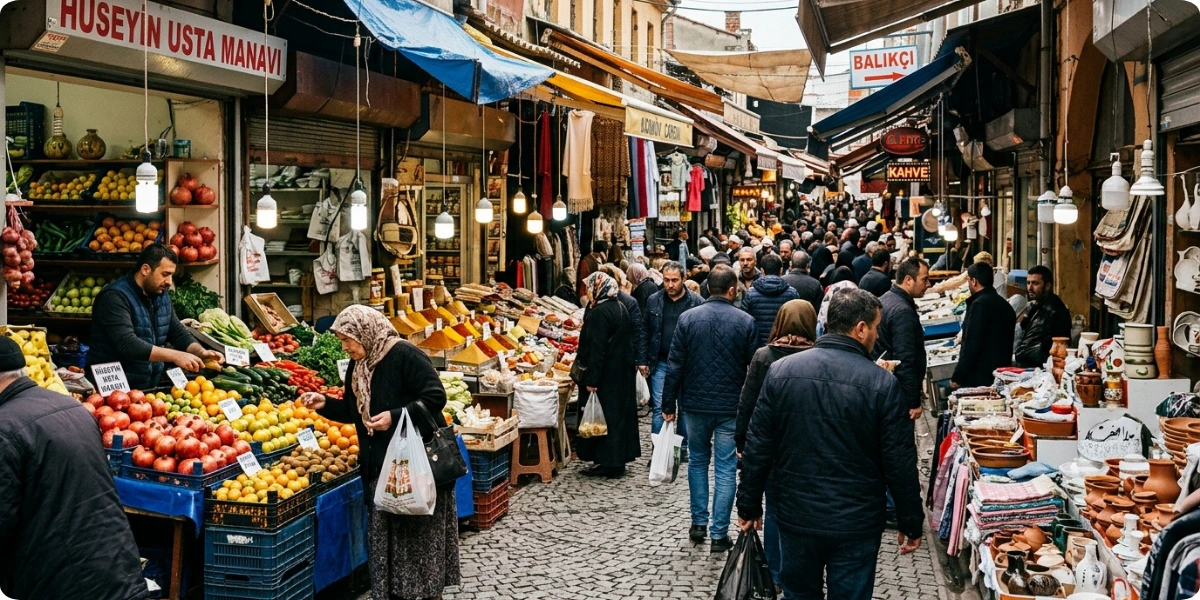
Sultanahmet is monumental. Kadıköy is lived-in. On the Asian side, you see a city of commuters, students, independent cafés, record shops, fishmongers and tea gardens, with far fewer tour groups. It is one of the best non-touristy things to do in Istanbul because the area works for locals first and visitors second.
2. What to Do
Start in Kadıköy Market, where produce stalls, pickle shops, cheese counters, and small restaurants fill the lanes behind the ferry pier. Then walk toward Moda, a leafy, café-heavy neighborhood that slows the pace down. Finish along the waterfront, where locals sit on the seawall with tea. Eat something simple and local along the way a lunch of meze and grilled fish, or a tost from a corner shop.
3. Best Time to Go
Go in the morning for the markets, when stalls are fully stocked. Come back in the late afternoon or early evening for Moda and the waterfront, when the light softens, and the seafront fills up.
Wander Through Balat’s Colorful Historic Streets
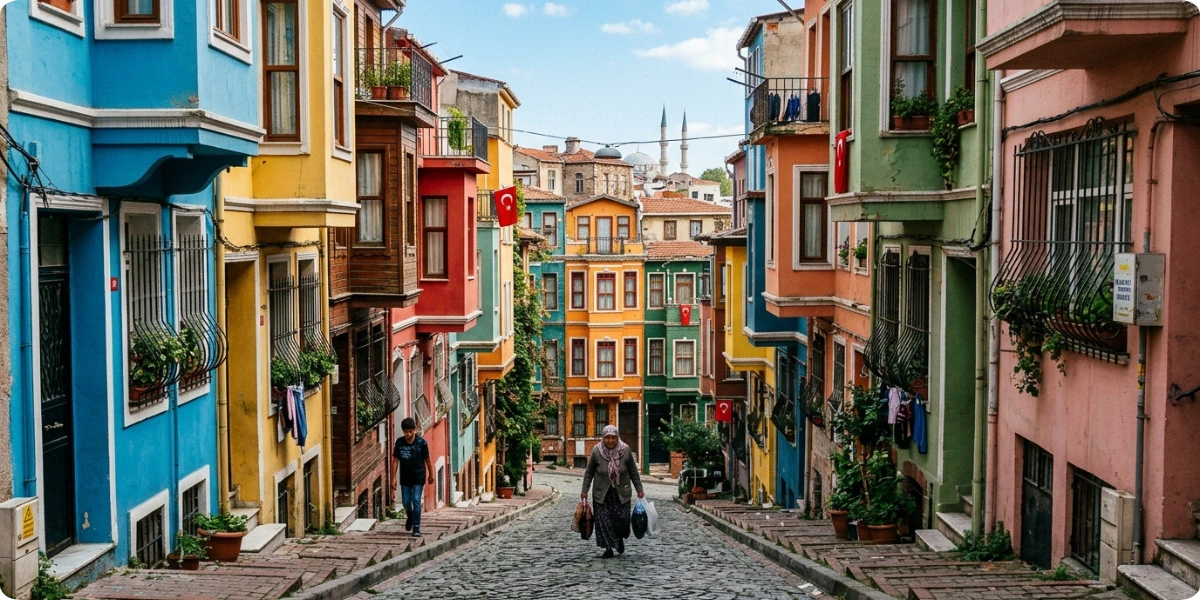
Where it is: Balat sits in the Fatih district on the Golden Horn, on the European side. Time needed: about 1–2 hours.
Balat is a historic residential neighborhood known for steep, narrow streets, painted houses and old wooden buildings. Independent cafés, vintage shops and small workshops have settled between everyday corner stores, so it feels like a working neighborhood rather than a set.
To avoid the busiest, most photographed stretch, start at the top and let the lanes pull you downhill. Duck into side streets, stop for a coffee in a small café instead of the first one you see, and leave time for photos without blocking doorways. Residents live here, so keep voices low and ask before photographing people.
Take a Bosphorus Ferry Instead of a Tourist Cruise
1. Why Take a Public Ferry?
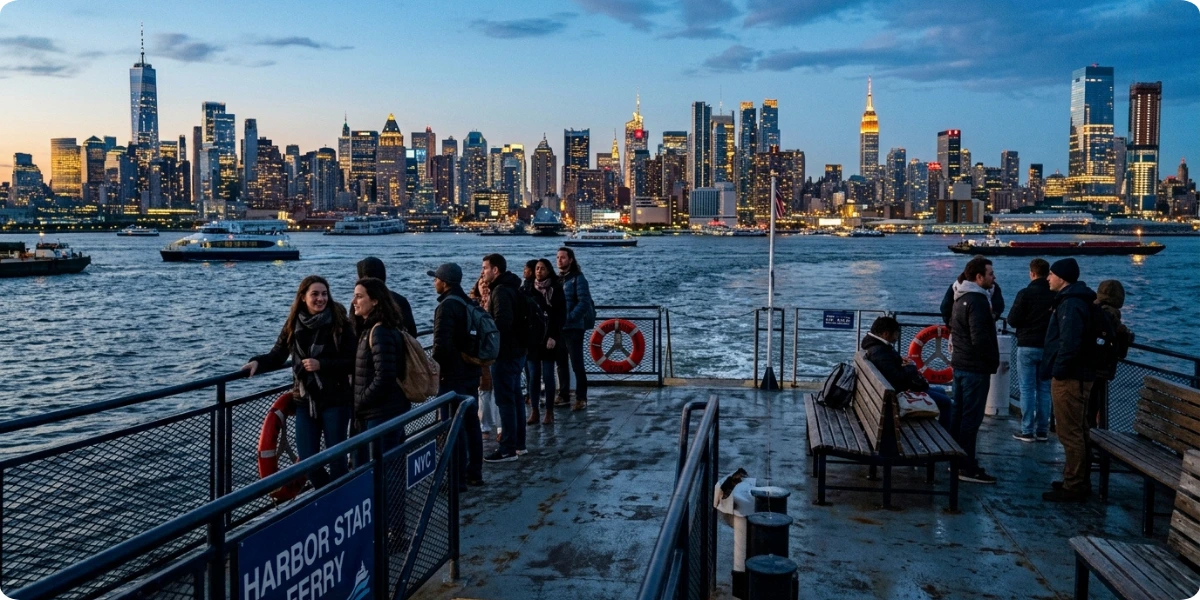
Public ferries are used by commuters every day, so the trip is cheaper and more authentic than a packaged cruise. You get views of both continents, seagulls chasing simit crumbs, and tea served on board. Ferries run under Şehir Hatları, an operator of the Istanbul Metropolitan Municipality, and payment works with the Istanbulkart. Popular crossings include Eminönü to Kadıköy, Karaköy to Kadıköy and Kabataş to Kadıköy.
2. Best Ferry Experience
Travel in daylight for the skyline, then repeat the crossing near sunset when the mosques turn golden. The Eminönü–Kadıköy route passes the Historic Peninsula and the old Haydarpaşa terminal on the Asian shore. For a longer ride, the Bosphorus line runs up the strait past waterfront mansions and fortresses. Check current timetables on the official Şehir Hatları site before you go, because schedules change by season.
Experience a Traditional Turkish Hammam
1. What Makes a Hammam Different?
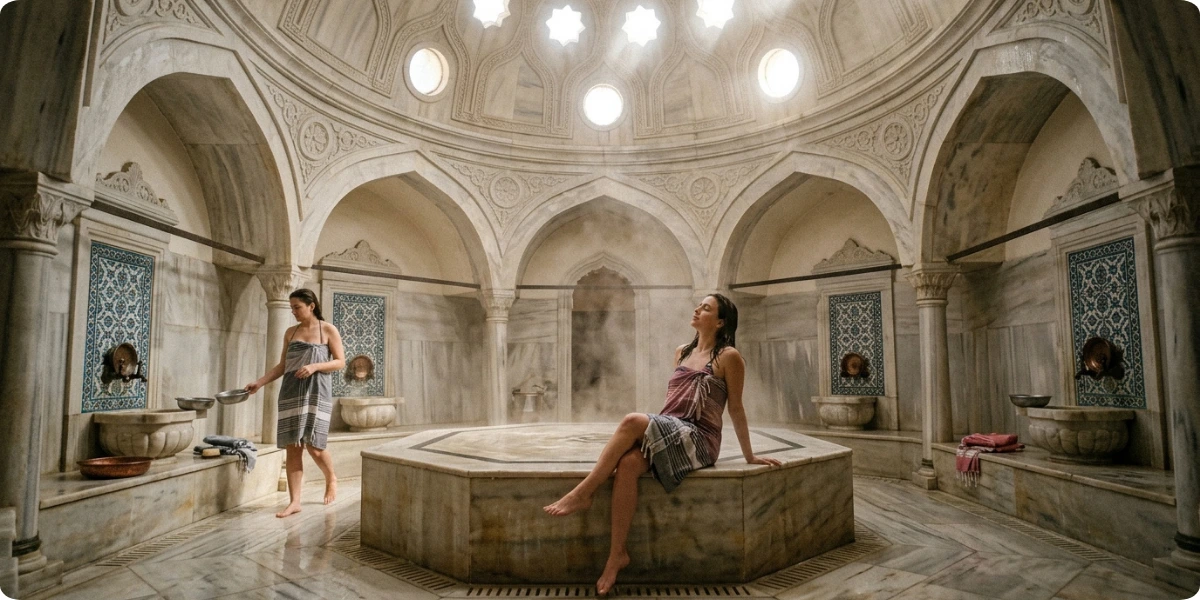
A hammam is a communal bathhouse tradition rooted in Ottoman and earlier Middle Eastern bathing culture. It is less a spa treatment and more a ritual of heat, steam, washing and rest.
2. What to Expect
You start in a changing area, where you receive a towel (peştemal). Then you move into a warm room, where the steam softens your skin. Many hammams offer a scrub and a foam wash, with an optional massage on top. Afterward, you rest and drink tea.
3. First-Time Hammam Tips
Bring a swimsuit if you prefer, and check what the hammam supplies. Allow around an hour to two hours for the full routine. Ask what is included before you book, because oil massage and extra treatments often cost more. Choose a reputable venue with clear published prices.
Discover Istanbul’s Lesser-Known Cisterns
Istanbul’s underground water system is one of its great hidden stories. The famous Basilica Cistern (built in 532) is only part of it. Two other major cisterns date from earlier centuries the Cistern of Philoxenos (Binbirdirek) in the 4th century and the Theodosius or Şerefiye Cistern from the 5th.
The Şerefiye Cistern was built between 428 and 443 and is held up by 32 marble columns. It is smaller, but it was reopened to visitors in 2018 after restoration, and it is usually quieter than the headline cistern. You will find it at Piyer Loti Caddesi in the Fatih district, close to Çemberlitaş.
Famous vs lesser-known: the Basilica Cistern is larger and atmospheric but heavily visited. The smaller cisterns offer more space, more silence, and a clearer sense of how Constantinople stored water. Together they show why underground Istanbul is worth a detour. For wider planning, read our Istanbul tourist information guide.
Explore the Kuzguncuk Neighborhood
1. Why Visit Kuzguncuk?
Kuzguncuk is a small, historic residential neighborhood on the Asian shore of the Bosphorus. Traditional wooden houses line quiet streets, and small cafés, bakeries, and grocers still serve the neighborhood. The strait is never far away, and the atmosphere feels like a village inside a megacity.
2. Best Way to Explore
Skip the checklist. Walk slowly: wander the lanes, stop at a café, drift down to the waterfront, and sit with a tea. Plan one to two hours, or longer if you stop to eat.
Eat Your Way Through Istanbul’s Local Markets
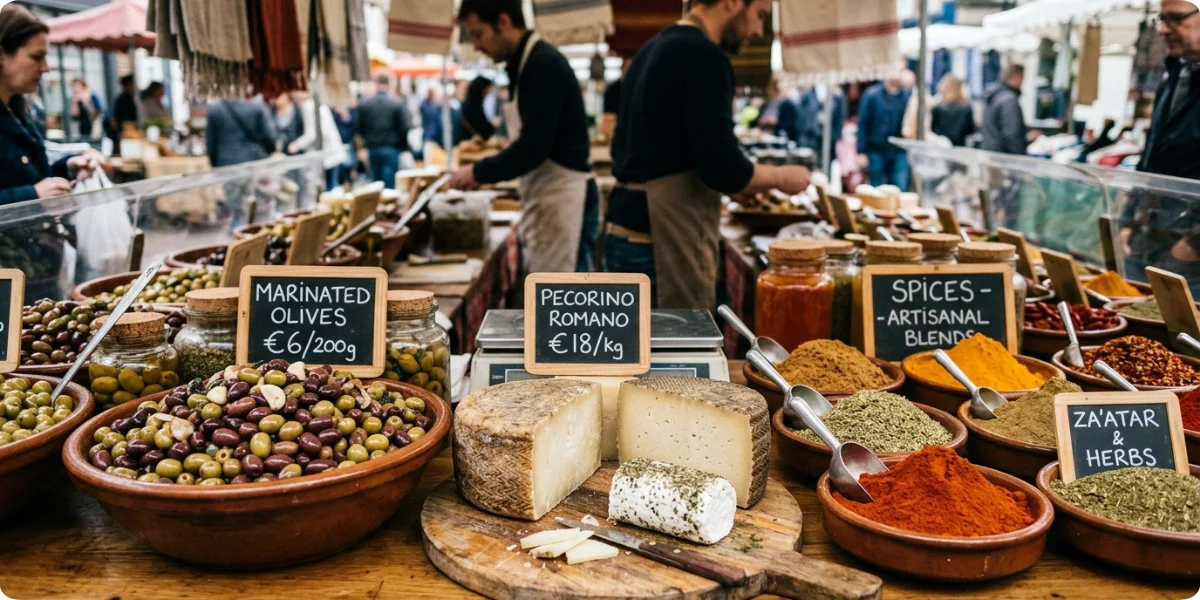
1. Go Beyond Turkish Delight
Markets are where you see how Istanbul eats. Look for fresh produce, Turkish cheeses, bowls of olives, spice stalls, pastry counters and street food.
2. What to Try
- Turkish cheeses: white cheese (beyaz peynir) and aged tulum varieties
- Olives: a wide range, from mild to sharply brined
- Simit: the sesame-crusted bread ring sold on street corners
- Börek: flaky pastry filled with cheese or spinach
- Spices and dried fruit: sumac, pul biber (chili flakes), dried figs and apricots
- Balık ekmek: a grilled fish sandwich, a classic waterfront snack
- Regional specialties: ask vendors what is in season and local
What food should you try in Istanbul? Start with simit, börek, a Turkish breakfast spread, meze, kebabs, baklava, and Turkish tea or coffee. For budget-friendly eating, our guide to free things to do in Istanbul pairs well with market browsing.
Watch the Sunset From the Asian Side
The Asian shore faces the European skyline, so sunset lights up the minarets and domes across the water, a view you cannot get from Sultanahmet itself. Waterfront spots around Kadıköy, Moda and Üsküdar are good places to sit and watch it, and it is a calmer alternative to the crowded, famous European-side viewpoints.
For photos, arrive early, find a spot along the waterfront, and stay after the sun drops for the blue hour. Combine it with the ferry ride back for a double payoff.
Explore Istanbul’s Street Art Scene
1. Where to Look
Murals and street art appear in Kadıköy, Yeldeğirmeni, Karaköy, and other creative neighborhoods. Walk the side streets rather than the main avenues.
2. Why It’s Worth Doing
It is free, great for photography, and a window into local creative culture. It also shows a modern Istanbul that most itineraries miss.
Take a Food-Focused Walking Tour
A food walk is a better way into unfamiliar neighborhoods than a generic sightseeing tour. You can sample a Turkish breakfast, simit, börek, meze, kebabs, baklava, Turkish tea, and Turkish coffee in one outing, and you hear the story behind each dish. It also introduces areas you might otherwise skip.
Choose a small-group operator with transparent pricing and clear stops, and tell them about dietary needs in advance.
Visit Istanbul’s Local Neighborhood Cafés
Café culture is central to daily life. Look beyond the main tourist streets and pick a place where locals linger. Turkish coffee is small, strong, and served with the grounds, while Turkish tea arrives in tulip-shaped glasses and is refilled constantly.
Locals tend to treat a café as a place to talk, read or watch the street, not to rush out. It suits slow travelers well: one tea, one conversation, one unhurried hour.
Explore the Princes’ Islands
1. Why the Princes’ Islands Feel Different
The Princes’ Islands sit in the Sea of Marmara and feel far from the city’s traffic. You get wooden mansions, pine-scented lanes, waterfront walks and a relaxed pace. Ferries run to Büyükada, Heybeliada, Burgazada and Kınalıada from Kabataş, Kadıköy and other piers.
2. How to Spend a Day
- Morning: take an early ferry from Kabataş or Kadıköy.
- Late morning: walk or rent a bicycle on the main island, and look for the historic houses.
- Lunch: eat fish by the waterfront.
- Afternoon: swim in summer or walk a quiet hill path.
- Evening: catch a ferry back as the light fades.
Discover Istanbul’s Historic Train Stations
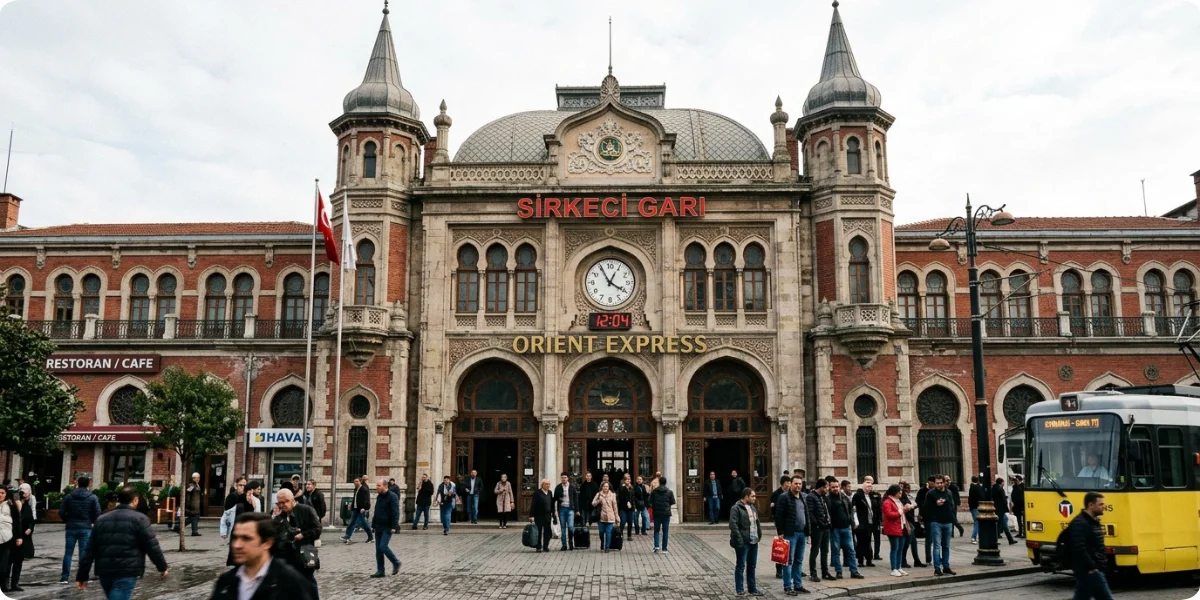
Istanbul’s railway heritage is a quiet, rewarding niche. Sirkeci Station on the European side was built in 1890 as the terminus of the Orient Express, and it has become a symbol of the city. It also now serves Marmaray and houses a small railway museum.
On the Asian side, Haydarpaşa Terminal opened in 1908 and was designed by German architects Otto Ritter and Helmuth Cuno. It is easy to see from the Eminönü–Kadıköy ferry. Together, the two stations show how rail connected Istanbul to Europe and Anatolia, and how the city’s architecture reflected those links.
Try a Turkish Coffee Fortune-Telling Experience
Turkish coffee is part of UNESCO’s Intangible Cultural Heritage list, inscribed in 2013. It is prepared by brewing finely ground coffee with water and sugar in a small pot on low heat until a foam forms, then serving it in a small cup.
After drinking, the grounds left in the cup are often used to tell a person’s fortune. At a café or cultural experience, a reader turns the cup over, waits for it to cool and interprets the patterns. Treat it as cultural entertainment, not fact or prediction. It is a fun, memorable way to see a living tradition.
Take a Neighborhood Photography Walk
Combine historic streets, markets, architecture, street art, Bosphorus views and cafés in a self-guided route. One easy plan is Balat in the morning, a ferry across, Kadıköy for lunch, and Moda at sunset.
1. Best Istanbul Neighborhoods for Photography
| Neighborhood | Best For | Suggested Time |
|---|---|---|
| Balat | Colorful streets | 1–2 hours |
| Kadıköy | Street life | 2–3 hours |
| Moda | Waterfront | 1–2 hours |
| Kuzguncuk | Historic atmosphere | 1–2 hours |
| Karaköy | Street art & cafés | 1–2 hours |
Join a Local Cooking Experience
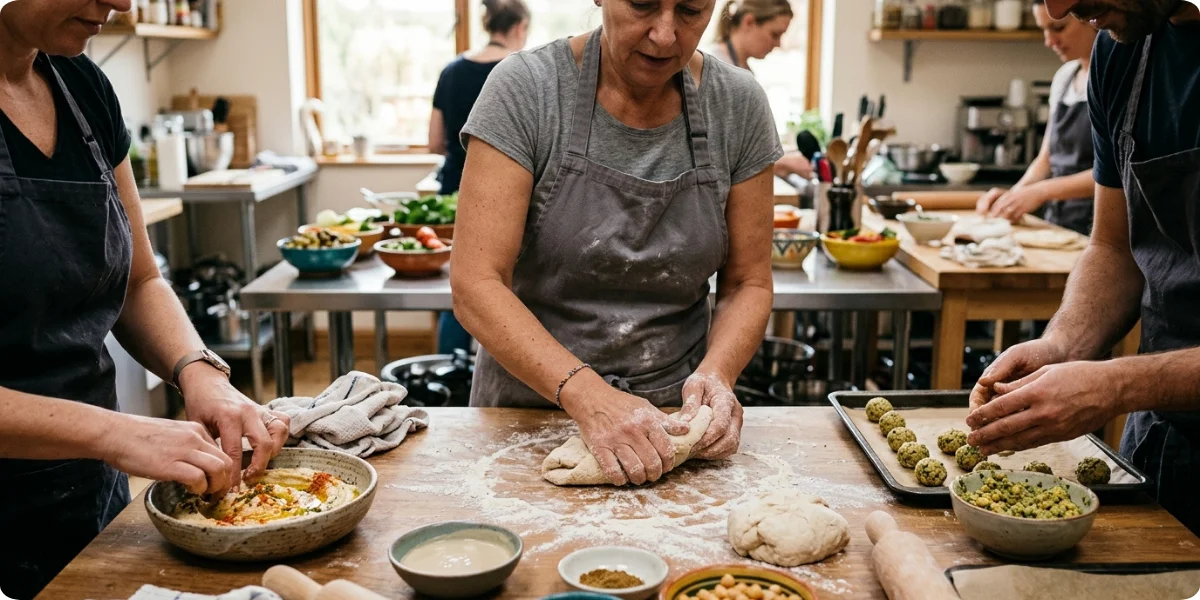
Learning to cook Turkish dishes with a local host is more memorable than a restaurant meal. Many classes start with shopping for ingredients, then move into the kitchen, where you prepare dishes such as meze, dolma or pastry. You meet local people, learn why certain ingredients matter and leave with recipes you can use at home.
Explore Istanbul After Dark
1. Unique Evening Experiences
- Take an evening ferry ride
- Visit night food markets and late-night food spots
- Linger in local cafés
- Walk illuminated historic streets
- Stroll the Bosphorus waterfront
- Stop for Turkish dessert or tea
Safety note: stay aware of your surroundings, keep valuables secure and use reputable transportation at night. For more, see our guide on whether Istanbul is safe.
Best Unique Things to Do in Istanbul by Traveler Type
| Traveler | Best Experience |
|---|---|
| First-time visitor | Asian-side ferry trip |
| Couples | Bosphorus sunset |
| Food lovers | Local food market |
| History lovers | Historic neighborhoods |
| Photographers | Balat & Kuzguncuk |
| Budget travelers | Public ferry & neighborhood walks |
| Families | Princes’ Islands |
| Solo travelers | Kadıköy |
| Culture lovers | Hammam or cooking experience |
Unique Things to Do in Istanbul for Free
Many of the best experiences cost little or nothing: walking through Balat, exploring Kadıköy, browsing local markets, walking along the Bosphorus, finding street art, watching the sunset, exploring historic neighborhoods and photographing the streets. For a full list, see our guide to free things to do in Istanbul.
Unique Things to Do in Istanbul at Night
Take an evening ferry, explore Karaköy, stop for Turkish dessert and tea, try night photography, walk the Bosphorus waterfront and eat local food. Keep to well-lit, busy areas.
Unique Things to Do in Istanbul for First-Time Visitors
Prioritize these six:
- Public ferry across the Bosphorus: the easiest way to feel both continents.
- Kadıköy and Moda: a quick introduction to local life.
- Balat: the most photogenic historic neighborhood.
- Turkish hammam: a classic cultural experience.
- Local food experience: food is the fastest way into the city.
- Sunset on the Asian side: the best skyline view.
Our Istanbul first-time visitor guide adds planning basics.
How to Experience Istanbul Like a Local
Do:
- Use public transportation
- Explore residential neighborhoods respectfully
- Eat at local establishments
- Learn basic Turkish phrases (merhaba, teşekkürler)
- Leave time for spontaneous exploration
Avoid:
- Staying only around Sultanahmet
- Overplanning every hour
- Eating exclusively around major attractions
- Assuming every “local experience” is authentic
Our list of Istanbul travel mistakes covers more pitfalls.
How Many Days Do You Need for These Unique Istanbul Experiences?
Your ideal length depends on pace. For a full breakdown, read our guide to how many days in Istanbul.
- 2 days: focus on 3–4 experiences, such as a ferry ride, Kadıköy, Balat and a hammam.
- 3–4 days: add neighborhoods like Kuzguncuk, a food experience and more time on the Asian side.
- 5+ days: add the Princes’ Islands, a cooking class, a hammam and lesser-known historical sites such as the cisterns and train stations.
Practical Tips Before Trying Unique Experiences in Istanbul
1. Getting Around
Use the metro, tram, and ferries, and walk where you can. The Istanbulkart works across public transport, including ferries. Taxis are convenient, but use official ones and confirm the meter.
2. Money & Payments
Cards are widely accepted, but carry some cash for small purchases at markets, tea gardens and street stalls. Keep your Istanbulkart topped up.
3. Dress & Cultural Etiquette
Dress modestly for mosques (shoulders and knees covered, scarf for women) and remove shoes before entering. In hammams, follow staff guidance on what to wear. Respect local customs everywhere.
4. Best Time to Explore
Mornings suit markets, afternoons suit neighborhoods and cafés, sunset suits the waterfront, and evenings suit ferries and food. See our guide to the best time to visit Istanbul.
5. Avoiding Tourist Traps
Check prices beforehand, be cautious with unsolicited offers and choose reputable tour and experience providers. Our Istanbul travel tips cover more.
FAQ: Unique Things to Do in Istanbul
What is the most unique thing to do in Istanbul?
Crossing the Bosphorus on a public ferry is the most distinctive experience. It costs little, shows both continents and puts you among locals.
What are some unusual things to do in Istanbul?
Visit the Şerefiye Cistern, explore Kuzguncuk, tour historic train stations, try Turkish coffee fortune-telling and take a ferry to the Princes’ Islands.
What can I do in Istanbul besides visiting mosques?
Explore markets, take a ferry, visit a hammam, walk Balat and Kadıköy, see street art, join a food tour or cooking class and visit the cisterns.
What are the best non-touristy things to do in Istanbul?
Spend time in Kadıköy and Moda, wander Kuzguncuk, eat in local markets and relax in neighborhood cafés.
Where can I experience local life in Istanbul?
Kadıköy, Moda, Kuzguncuk and the local markets and tea gardens give the best view of everyday life.
Is the Asian side of Istanbul worth visiting?
Yes. It offers a more relaxed, residential atmosphere, strong food and café culture, and sunset views of the European skyline.
What are the best hidden gems in Istanbul?
Lesser-known cisterns, Kuzguncuk, Yeldeğirmeni street art, historic railway stations and the Princes’ Islands.
What can I do in Istanbul at night?
Take an evening ferry, walk the Bosphorus waterfront, eat at late-night food spots, visit cafés and stroll illuminated historic streets.
What are the best free unique experiences in Istanbul?
Walking Balat and Kadıköy, browsing markets, finding street art, walking the Bosphorus and watching the sunset.
How many days do you need to experience Istanbul beyond the main attractions?
Three to four days works well for a mix of neighborhoods, food and the Asian side. With five or more days you can add the Princes’ Islands and workshops.
Final Verdict: Is Istanbul Good for Unique Travel Experiences?
Yes. Istanbul’s uniqueness comes from how many layers sit together: two continents, distinct neighborhood cultures, a serious food tradition, deep history, constant Bosphorus life, living traditions like coffee and hammam rituals, and the everyday routines of a huge city.
If you have time for only a few things, cross by ferry, spend an afternoon in Kadıköy and Moda, eat at a market, and finish with sunset on the Asian shore. Then add Balat or a cistern on another day. Read our guide on whether Istanbul is worth visiting, and browse all of our Istanbul guides to keep planning.
