

The hidden gems in Istanbul are rarely the places on the postcards. Hagia Sophia, the Blue Mosque and the Grand Bazaar deserve their fame, but the city’s real texture lives in steep Golden Horn streets, Byzantine churches turned neighborhood mosques, old merchant inns and Bosphorus villages where life moves at walking pace. In this guide, a hidden gem means a place that rewards curiosity, draws fewer tour groups, and still feels lived in. You will find neighborhoods, historic sites, viewpoints, cafés and quieter experiences, plus routes that make sense on a map.
Short answer: Istanbul’s hidden gems include lesser-known mosques, historic neighborhoods, quiet viewpoints, local markets, old passages and waterfront spots away from the city’s busiest tourist areas.
If this is your first trip, start with our Istanbul travel guide for first-time visitors and our guide to the best things to do in Istanbul, then use this article to add depth.
What Are the Best Hidden Gems in Istanbul?
The best hidden gems in Istanbul are Balat and Fener on the Golden Horn, the Valens Aqueduct, Zeyrek, Kuzguncuk, Çengelköy and Rumeli Fortress. Most sit a short bus, ferry or taxi ride from Sultanahmet, yet they see a fraction of the crowds.
15 Hidden Gems in Istanbul
- Balat’s lesser-known streets
- Fener’s historic side streets
- Valens Aqueduct
- Zeyrek Mosque and neighborhood
- Süleymaniye Mosque’s quiet corners
- Küçük Ayasofya’s surroundings
- Yıldız Park
- Pierre Loti Hill at a quieter time
- Kuzguncuk
- Çengelköy
- Rumeli Fortress
- Atatürk Arboretum
- Büyük Valide Han
- Istanbul’s historic passages
- Asian-side waterfront neighborhoods
To keep the sections below in the same order as the practical ideas, Pierre Loti Hill is folded into the waterfront and sunset sections, and the final section gathers the neighborhoods worth wandering.
Explore Balat Beyond the Instagram Streets
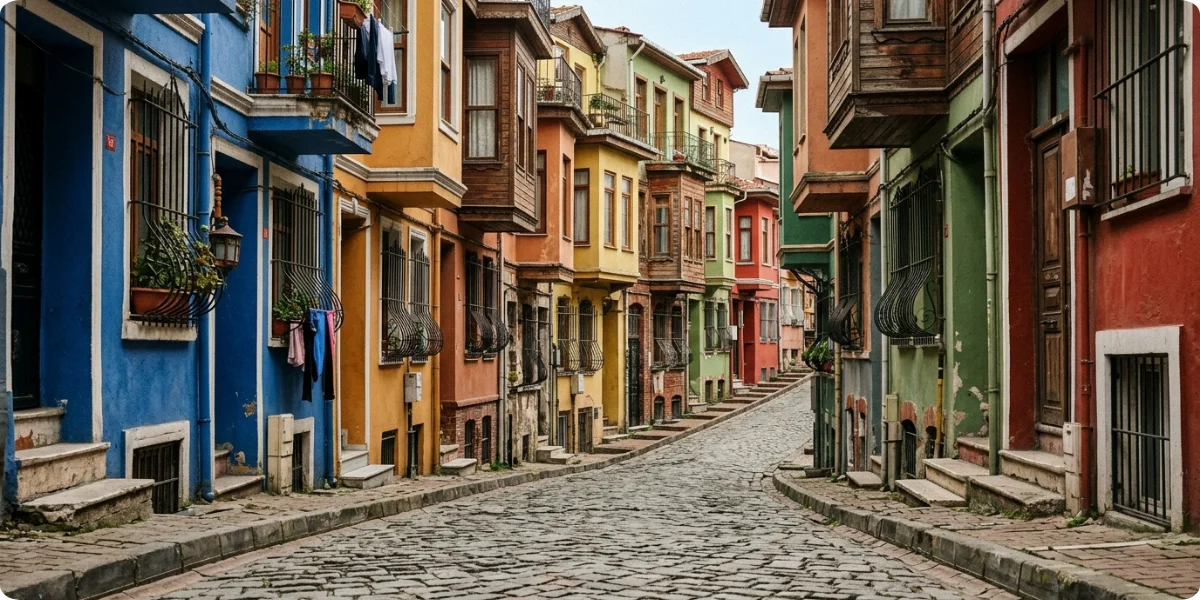
Balat sits on the Golden Horn shore in the Fatih district, a short taxi ride from Sultanahmet or a bus ride from Eminönü. Golden Horn ferries also serve the area, though timetables change, so check before you go.
1. Why Balat Is Worth Visiting
Historically home to Jewish, Greek and Armenian communities, Balat still carries that layered character in its historic architecture, narrow lanes and local neighborhood atmosphere. Beyond the famous painted façades, you will find small cafés and workshops, barbers, grocers and repair shops that serve residents first.
2. What to See in Balat
Wander uphill away from the most photographed colorful row and follow the lesser-known streets. Look for historic houses with bay windows and weathered doors, and step into small local businesses for tea or a simit rather than a styled brunch.
3. Best Time to Visit Balat
Go in the early morning when shutters are going up and the light is soft, or in the late afternoon when the crowds thin and the lanes turn golden. Weekends are busiest, so weekdays are calmer.
Discover Fener’s Quiet Historic Streets
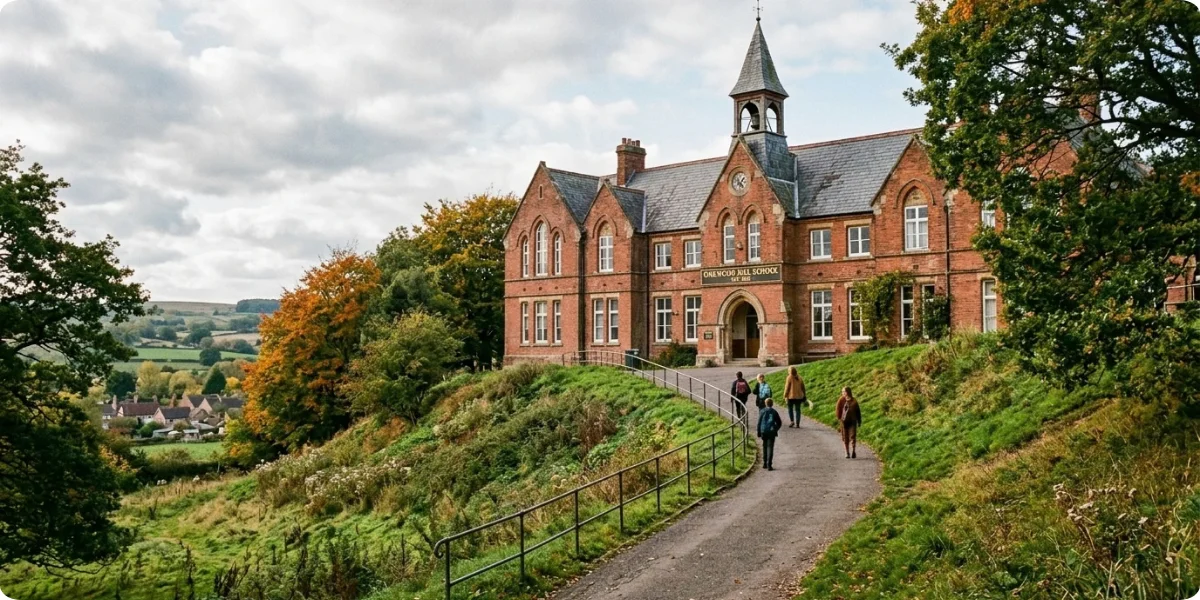
Fener is Balat’s neighbor and shares its Golden Horn shoreline. Its Greek heritage is still visible in old residential buildings, church compounds, and the red-brick school building that dominates the hillside. The best finds are the hidden courtyards and side streets, where laundry lines and stone steps tell you people still live here. Fener and Balat blend into each other, so treat them as one slow morning rather than two separate stops.
1. How to Explore Fener
A simple walking route works better than a checklist:
- Start at the Fener waterfront and walk uphill toward the red-brick school landmark.
- Look at the exterior of the nearby Greek Orthodox church compound, respecting any posted visiting rules.
- Drift through the side streets behind the main road, then follow the lanes parallel to the water toward Balat.
- Finish with tea in Balat before heading on.
Allow about two hours for Fener and Balat together at an easy pace.
See the Valens Aqueduct Without the Crowds
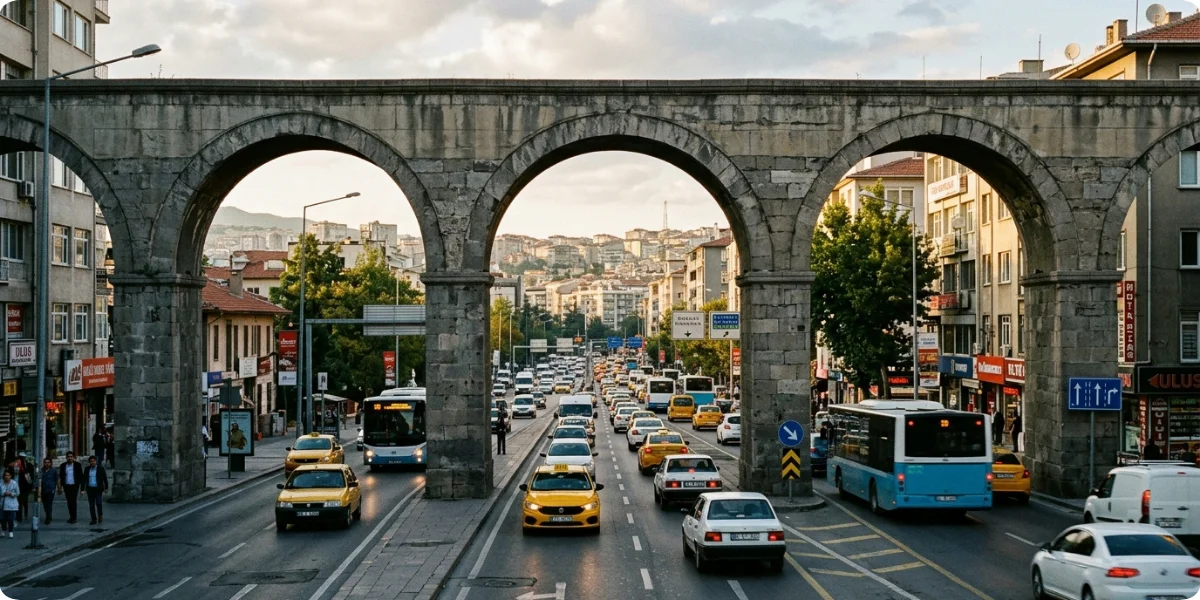
The Valens Aqueduct (Bozdoğan Kemeri) was part of the water system that served Roman and Byzantine Constantinople, completed in the late fourth century. According to Wikipedia’s entry on the Aqueduct of Valens, the surviving bridge section in Fatih crosses Atatürk Boulevard, so modern buses pass beneath ancient arches. The surviving stretch is roughly 900 meters long, and the structure is part of the UNESCO-listed Historic Areas of Istanbul.
The best views are from the pavements around Saraçhane and Fatih Anıt Park. It pairs naturally with Zeyrek and Süleymaniye, both within walking distance. Allow 20 to 30 minutes, longer if you walk the full length.
1. Is the Valens Aqueduct Worth Visiting?
Yes, if you enjoy Roman engineering and the odd sight of a monument sitting inside daily traffic. It is free, open air and quick. Do not expect visitor facilities or interpretation, and be careful near the busy boulevard.
Visit Zeyrek and Discover Old Istanbul
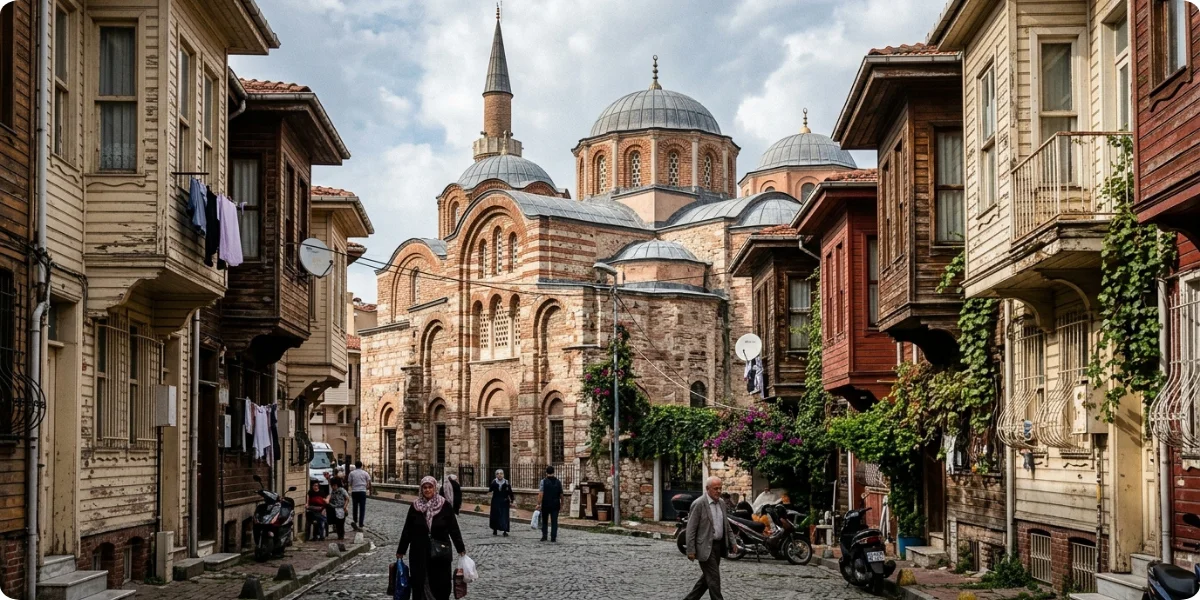
Zeyrek Mosque was once the Pantokrator Monastery, founded in the early twelfth century. Per the World Monuments Fund, it is the second-largest surviving Byzantine religious structure in the city after Hagia Sophia, and its history ties Byzantine and Ottoman history together in a single building. Around it, surviving historic wooden houses and sloping lanes create a quiet neighborhood atmosphere above the Golden Horn. It receives fewer visitors partly because it is a working mosque, set away from the main tram line, and uphill from the big sights.
1. What Makes Zeyrek Different From Sultanahmet?
| Zeyrek | Sultanahmet | |
|---|---|---|
| Crowds | Light, mostly locals | Heavy, tour groups |
| Feel | Residential, quiet | Monumental, busy |
| Main sight | Byzantine monastery church | Hagia Sophia, Blue Mosque |
| Best for | Slow wandering | First-time headline sights |
| Facilities | Few | Many |
Two caveats: dress modestly, and avoid visiting mosques during prayer times.
Find a Quieter Side of Süleymaniye
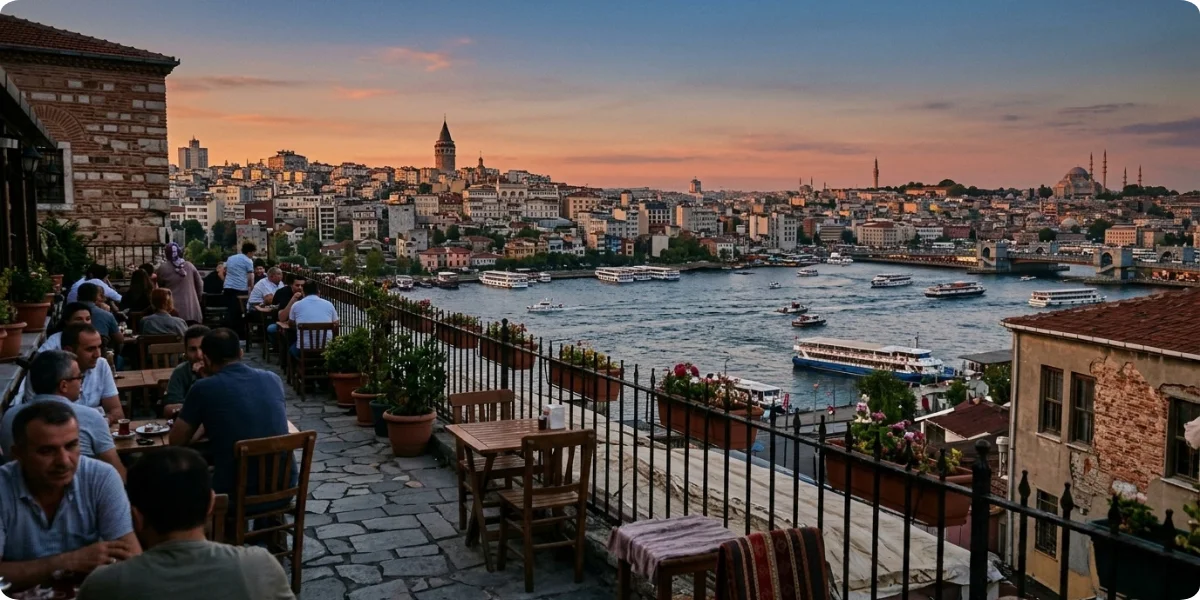
Süleymaniye is on every itinerary, so the trick is to see it differently. Commissioned by Suleiman the Magnificent and designed by Mimar Sinan in the sixteenth century, the complex rewards exploring the surrounding streets, where old madrasa buildings and tea houses sit in the shade. Traditional restaurants nearby serve home-style dishes such as dried beans and rice. Aim for quieter hours such as early morning or after the afternoon rush, and enjoy Golden Horn views from the terraces.
1. Best Viewpoints Around Süleymaniye
The outer terrace of the complex looks over the Golden Horn and the Galata skyline, and several nearby tea gardens offer the same outlook with a seat. Photographers often find the Valens Aqueduct is easiest to frame from this hillside.
Explore Küçük Ayasofya and Its Neighborhood

Küçük Ayasofya, the Little Hagia Sophia, began as the Church of Saints Sergius and Bacchus in the sixth century under Justinian and later became a mosque. It is a prototype of sorts for the great dome next door. The small streets around it, toward Kadırga and the Marmara shore, hold local cafés, workshops and a calmer pace than the nearby Sultanahmet Square.
1. How Long Do You Need Here?
Allow 45 to 60 minutes for the mosque and a short wander, or 90 minutes if you stop for tea. Remember it is an active place of worship.
Escape the City at Yıldız Park
Yıldız Park in Beşiktaş is green space in central Istanbul, once part of the Ottoman imperial grounds around Yıldız Palace. Walking paths wind past ornamental ponds, old trees and pavilions, with glimpses of Bosphorus views from higher paths. Spring and autumn are the most comfortable seasons, with summer best in the morning.
1. Is Yıldız Park Good for Families?
Yes. Open lawns, shaded paths and café stops make it easy with children. Some pavilions inside the grounds have separate tickets and hours, so confirm locally before planning around them.
Visit Kuzguncuk on Istanbul’s Asian Side
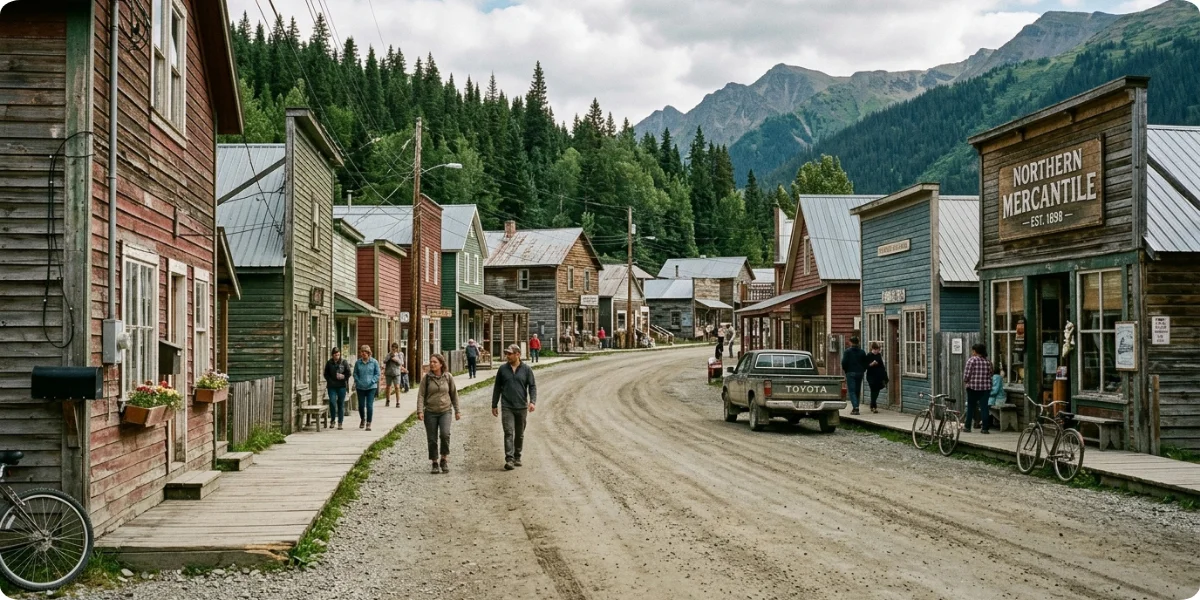
Kuzguncuk, in Üsküdar, is known for colorful historic houses, quiet streets and a calm Bosphorus atmosphere. It has long been described as a multi-faith neighborhood, with a mosque, churches and a synagogue within a short walk. Cafés and bakeries line the main street, and the local neighborhood feel is the whole point.
1. What Makes Kuzguncuk a Hidden Gem?
It combines waterfront calm, wooden-house charm and genuine daily life. Visit on a weekday if you can. Reach it by ferry or Marmaray to Üsküdar, then a short bus or taxi ride along the shore.
Walk Through Çengelköy
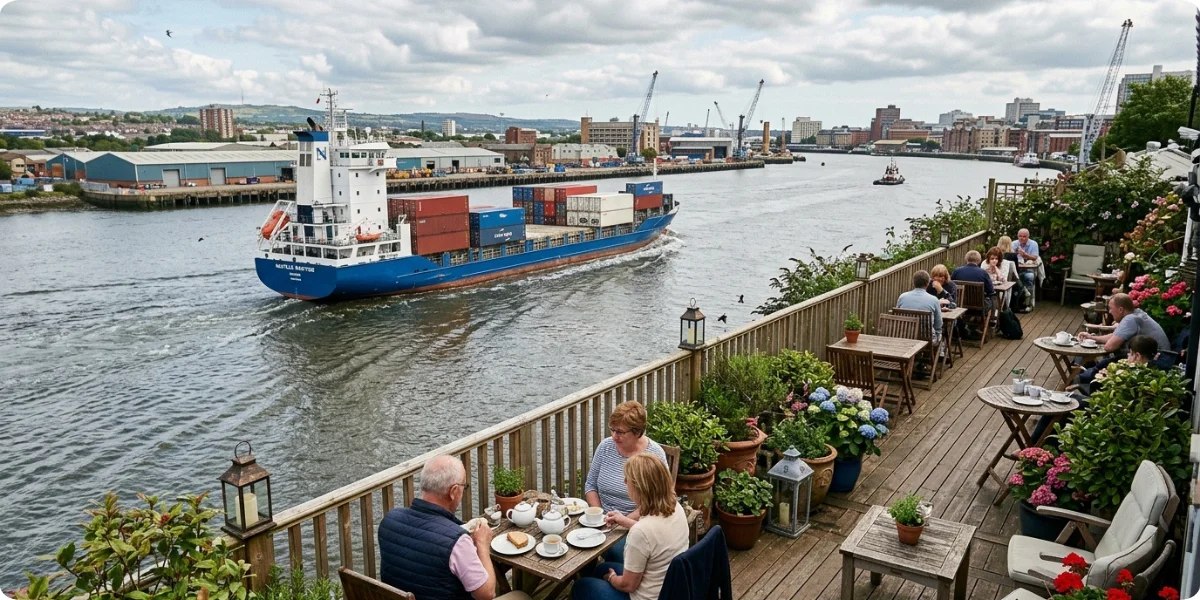
Çengelköy, a few stops up the Asian shore from Üsküdar, is built around the Bosphorus. Waterfront cafés and tea gardens sit right on the water, and the traditional neighborhood atmosphere shows in its old wooden mansions and village square. The local food experiences are simple: tea, breakfast spreads and the small, crisp cucumbers the area is known for.
1. Best Things to Do in Çengelköy
Walk the promenade, have a slow breakfast or tea beside the water, look at the historic military school building from outside, and photograph passing ships. Go before sunset for the best light.
Visit Rumeli Fortress for Bosphorus Views
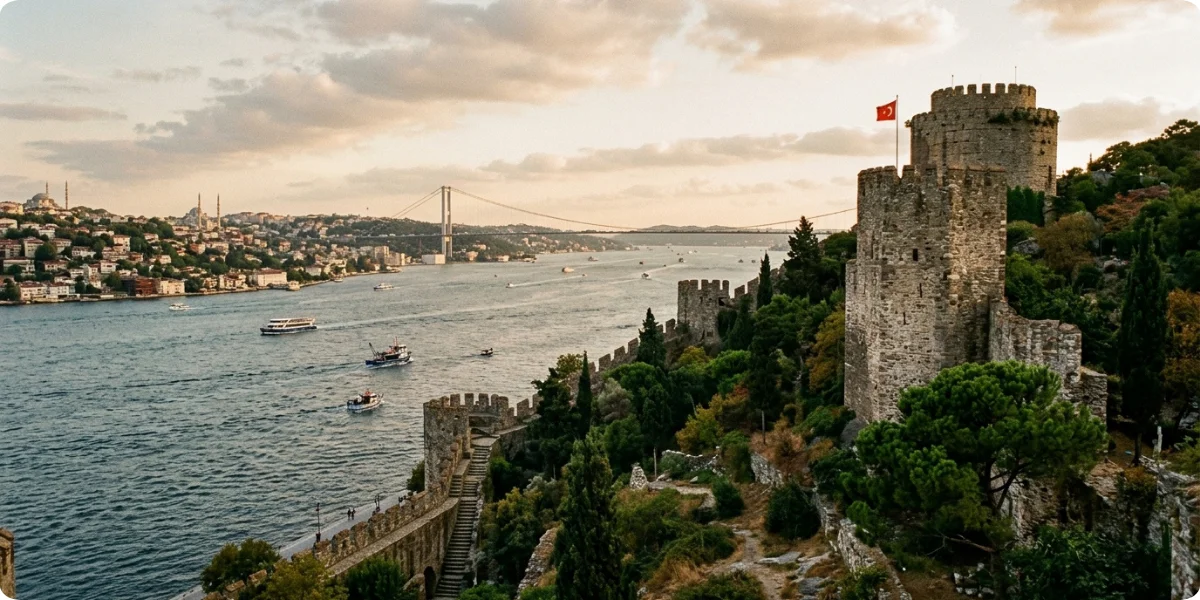
Sultan Mehmed II built Rumeli Fortress in 1452 to control the Bosphorus before taking Constantinople. As explained on Wikipedia and Istanbul.com’s visitor page, it was built in about four months and has operated as a museum since the 1960s. Its architecture includes three large towers linked by walls that climb the hillside, and its viewpoints frame the strait and the bridge. Photographers love the layered towers.
1. When Is the Best Time to Visit Rumeli Fortress?
Choose a weekday morning for soft light and fewer visitors, or late afternoon for warm tones on the stone. Expect uneven steps and some climbing, and check current opening hours and ticket rules before going.
Spend a Few Hours at Atatürk Arboretum
Atatürk Arboretum in Bahçeköy, Sarıyer, covers around 296 hectares beside the Belgrad Forest and is run in partnership with Istanbul University’s Faculty of Forestry, per Wikipedia. It is a nature escape with walking trails, lakes, and trees and plenty of photography opportunities. Seasonal differences are dramatic: spring blossoms, shaded summers, and strong autumn colors, which are often its busiest season.
1. Is Atatürk Arboretum Worth the Trip From Central Istanbul?
It is worth it if you want a half-day of green space and do not mind a longer transfer, usually metro plus bus. It is less worthwhile if you only have one day and want historic sights. Check opening days before you go, since it has historically closed on Mondays.
Discover Büyük Valide Han
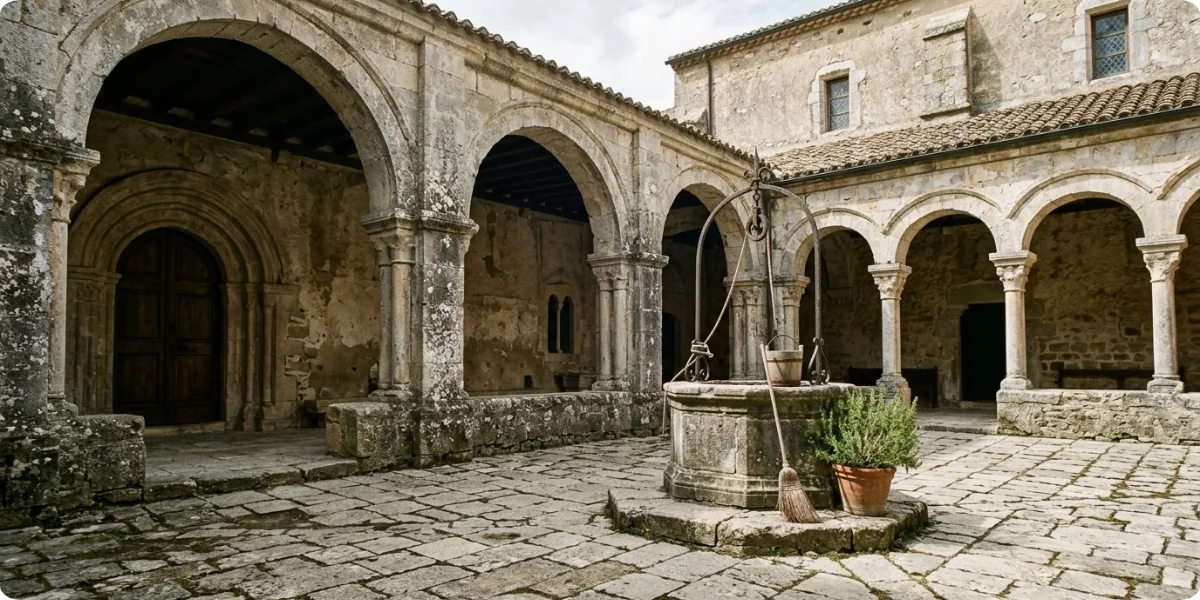
Büyük Valide Han is the largest historic han (caravanserai) in Istanbul, founded in 1651 by Kösem Valide Sultan, according to Wikipedia. Its Ottoman-era atmosphere comes from stone courtyards, narrow stairs, and working artisan workshops. The rooftop has long been known for wide views over the Golden Horn and Old City, per Lonely Planet. Its accessibility is limited: the building is worn, stairs are steep, and the roof is not a formal attraction.
1. Can Tourists Visit Büyük Valide Han?
Visitors have commonly been able to enter the courtyards, but access to the rooftop depends on the caretaker and current conditions, and it can change without notice. Treat it as a respectful look at a working building rather than a guaranteed viewpoint, and do not enter closed workshops.
Explore Istanbul’s Historic Passages
Hans, arcades and passages are a different angle from the usual attraction list. They show how trade, craft and social life were organized.
1. What Are Istanbul’s Historic Passages?
Historic passages are covered arcades and courtyard inns (hans) that once housed merchants and workshops. Many still do, mixing cafés, antique sellers, and small manufacturers.
2. Where Can You Find Them?
In Beyoğlu, look for Çiçek Pasajı, Atlas Pasajı and Hazzopulo Pasajı off İstiklal Avenue. Around the Grand Bazaar and Eminönü, old hans such as Zincirli Han and Kürkçü Han sit among the lanes.
3. What Should You Look For?
Look for courtyards, stone arches, carved doorways, hand-painted signs and the quiet moment when you step out of the noise. Walk in daytime and ask before photographing people at work.
Discover Istanbul’s Lesser-Known Waterfront Spots
Three shorelines give three different moods. On the Golden Horn, the Fener and Balat waterfront is local and low-key. On the Bosphorus, quieter European-side villages and shoreline paths offer tea and ship watching. On the Asian-side waterfront, Kuzguncuk, Çengelköy and Moda have unhurried promenades.
1. Best Places for a Quiet Istanbul Sunset
Try the Moda shoreline in Kadıköy, a Çengelköy tea garden, or Pierre Loti Hill in Eyüp, which looks over the Golden Horn. At Pierre Loti, go on a weekday or in the shoulder hours, as weekends and holidays fill quickly.
Explore Istanbul Like a Local: Neighborhoods Worth Wandering
The city’s best discoveries are often unplanned. Pick a neighborhood, leave the map for a while and follow a street that looks interesting:
- Kuzguncuk for wooden houses and village calm
- Çengelköy for tea by the water
- Balat for steep lanes and colorful doorways
- Fener for quiet courtyards and Greek heritage
- Zeyrek for old wooden houses and Byzantine stone
- Yedikule for the ancient walls and the historic market gardens nearby
The aim is wandering and noticing, not ticking off sights.
Best Hidden Gems in Istanbul by Travel Style
1. Best Hidden Gems in Istanbul for Couples
Kuzguncuk, Çengelköy and a sunset at Moda or Pierre Loti Hill suit slow, romantic days.
2. Best Hidden Gems in Istanbul for Families
Yıldız Park, Atatürk Arboretum and the Çengelköy waterfront have space for children to move.
3. Best Hidden Gems in Istanbul for Photographers
Balat’s lanes, the Valens Aqueduct, Rumeli Fortress and the Büyük Valide Han roof (when accessible) offer strong frames.
4. Best Hidden Gems in Istanbul for History Lovers
Zeyrek, the Valens Aqueduct, Küçük Ayasofya and Büyük Valide Han trace Roman, Byzantine and Ottoman layers.
5. Best Hidden Gems in Istanbul for First-Time Visitors
Start with Balat and Fener, Zeyrek and Kuzguncuk. They are easy to reach and easy to enjoy.
6. Best Hidden Gems in Istanbul for Repeat Visitors
Try the historic hans, Rumeli Fortress, the arboretum and the Asian-side villages.
Hidden Gems in Istanbul You Can Visit in One Day
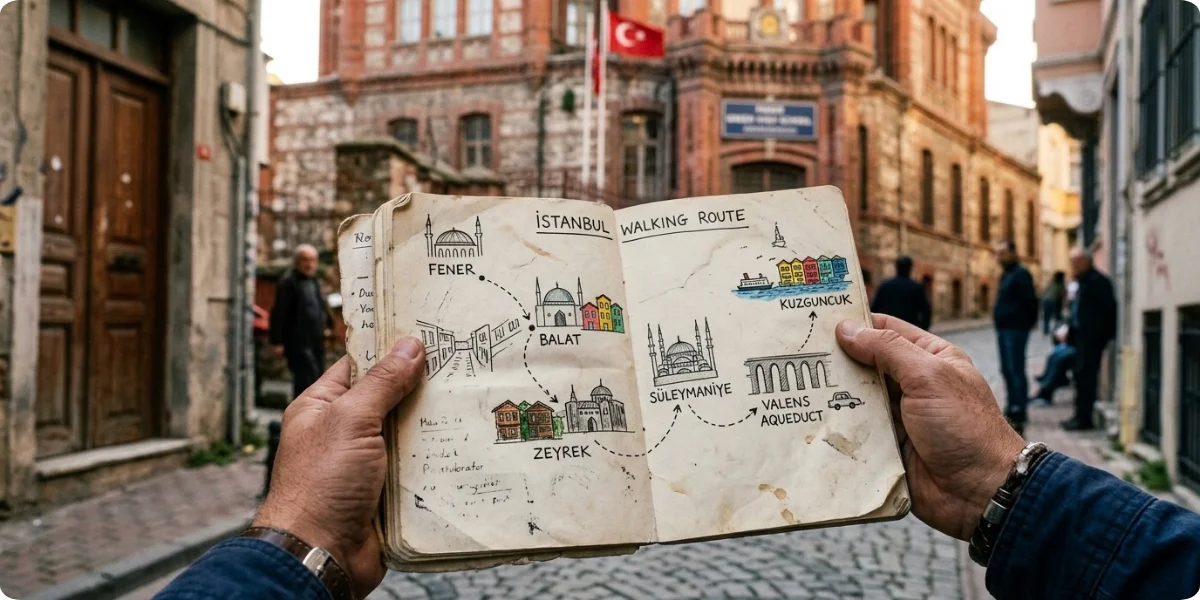
This mini-itinerary keeps travel logic simple by moving along the Golden Horn first, then crossing the city’s hills, then ending on the Asian shore.
1. Morning
Fener, then Balat, then Zeyrek. Fener to Balat is a 10 to 20 minute walk along the shore. Zeyrek is further uphill, so take a bus or short taxi ride rather than walking all of it.
2. Afternoon
Süleymaniye, then the Valens Aqueduct, then the historic neighborhoods between them. Zeyrek, Süleymaniye and the aqueduct are all within roughly 15 to 25 minutes’ walking of each other.
3. Evening
Cross to the Asian side for Kuzguncuk or a Bosphorus-side neighborhood. Allow 45 to 75 minutes for the journey from the old city, and plan to be back before it gets late.
Hidden Gems in Istanbul on the European vs Asian Side
| European Side | Asian Side |
|---|---|
| Balat | Kuzguncuk |
| Fener | Çengelköy |
| Zeyrek | Asian waterfront |
| Valens Aqueduct | Üsküdar-area neighborhoods |
| Yıldız | Bosphorus villages |
The European side is stronger on Byzantine and Ottoman monuments. The Asian side is better for slow, village-like evenings.
Tips for Finding Hidden Places in Istanbul
1. Visit Popular Areas Early
Arrive before tour buses do, especially in Balat and around Süleymaniye.
2. Walk Beyond the Main Tourist Streets
Turn one street away from the main road and the atmosphere changes.
3. Use Public Transportation
An Istanbulkart works across buses, ferries, trams and metro, and Metro Istanbul publishes current service information. Our Istanbul travel tips cover the basics.
4. Respect Residential Neighborhoods
Keep voices low, avoid photographing people without asking and do not block doorways.
5. Check Opening Hours Before Visiting
Museums, mosques and parks change hours and sometimes close for restoration. Confirm with official sources such as Go Türkiye and our Istanbul tourist information page.
6. Carry Comfortable Walking Shoes
Hills, cobbles and stairs define most of these routes.
7. Don’t Assume Every “Secret Spot” Is Open to Visitors
Some rooftops, courtyards and workshops are private or informal. If a door is closed, leave it that way. See our list of common Istanbul travel mistakes for more.
Are Istanbul’s Hidden Gems Safe to Visit?
Most are, with normal city awareness. Daytime exploration is the easiest way to enjoy quieter areas. Busy and quiet streets feel different, so stay on well-used lanes if you are alone and unsure of the area. Keep valuables secure with a zipped bag and a phone you are not waving around. Follow local signs and closures. Use official transportation, such as licensed taxis and public ferries. And respect private and residential areas by not wandering into courtyards that look closed.
For a fuller picture, read our guide: Is Istanbul Safe for Tourists?
Frequently Asked Questions About Hidden Gems in Istanbul
Q1: What is the most underrated place in Istanbul?
Many travelers pick Zeyrek. It holds the city’s second-largest surviving Byzantine religious building after Hagia Sophia, sits among old wooden houses above the Golden Horn and sees far fewer visitors than Sultanahmet, making it a rewarding stop for history lovers.
Q2: Where can I go in Istanbul without crowds?
Try Fener, Zeyrek, Kuzguncuk and Çengelköy on weekdays. Arrive early or late in the day, and avoid weekends in Balat. Rumeli Fortress and the arboretum are also calmer than central landmarks, especially outside holidays and school break periods.
Q3: What are some secret places in Istanbul?
Büyük Valide Han, the Valens Aqueduct, Küçük Ayasofya, Fener’s side streets and the historic passages off İstiklal Avenue are good examples. Some are informal, so confirm access and opening conditions locally rather than assuming every door or rooftop will be open.
Q4: Where do locals go in Istanbul?
Locals often head to Kadıköy and Moda, the Bosphorus shore villages, Yıldız Park and the Belgrad Forest area. Waterfront tea gardens in Çengelköy and Kuzguncuk’s main street are also everyday favorites, especially in the evening and on weekends.
Q5: What are the best hidden gems in Istanbul for first-time visitors?
Balat and Fener, Zeyrek, Kuzguncuk and the Valens Aqueduct are easy to reach and straightforward to enjoy. They add local character to a first trip without demanding complicated planning, though comfortable shoes and a transport card help a great deal.
Q6: Which hidden gems are free in Istanbul?
The Valens Aqueduct, wandering Balat and Fener, Zeyrek’s streets and the Çengelköy and Kuzguncuk waterfronts cost nothing. Mosques are generally free to enter outside prayer times. For more budget ideas, see our guide to free things to do in Istanbul.
Q7: What is the least touristy area of Istanbul?
Residential districts on the Asian side, such as Kuzguncuk and Çengelköy, are among the least touristy. On the European side, Fener, Zeyrek and parts of upper Balat feel more local than the historic peninsula’s headline sights.
Q8: Are Istanbul’s hidden gems worth visiting?
Yes, if you want atmosphere over checklists. They offer quieter streets, local food and a sense of everyday life. If you only have a short stay, combine two or three with the main landmarks, and see how many days in Istanbul you need.
Final Thoughts on Istanbul’s Hidden Gems
Istanbul’s character extends well beyond its famous landmarks. It lives in side streets, working neighborhoods, old stone courtyards, and shorelines where the city slows down. You do not need to see all 15. Choose two to four hidden gems in Istanbul that fit your interests, group them by area, and give each enough time. Explore respectfully, leave residential spaces as you found them, and keep a little unplanned time in the day. The best discoveries are usually the ones you wander into. To plan timing around weather and crowds, read our best time to visit Istanbul guide, and browse more in our Istanbul section.
