

If you are a London first time visitor, the city can feel enormous before you even land. Home to roughly 9 million residents and welcomed by tens of millions of visitors each year, it is a place where a medieval fortress like the Tower of London (founded around 1078), a Georgian square and a glass skyscraper share one skyline, and where getting around depends on a Tube map covering 11 lines and 272 stations that looks like a bowl of spaghetti. The good news is that London is far easier than it looks once you know a handful of basics. Most first-timers land at Heathrow, about 45 minutes from the centre by Elizabeth line.
Drawing on our editorial team’s research, local transport data and traveller feedback, this guide walks you through what to sort out before you fly, including the UK entry rules and the £16 Electronic Travel Authorisation (ETA) that many visitors now need. You will learn how to get around with a contactless card, which automatically caps your daily fares so you never overpay, and which area to stay in for your travel style. We explain what the headline attractions are really like, from queues to opening hours, and roughly what a first-trip budget looks like, with many world-class museums such as the British Museum and National Gallery free to enter. You will also find a simple three-day itinerary and straight answers to the questions first-timers ask most, all checked against official sources like Transport for London and VisitBritain so you can plan with confidence and avoid costly, easily preventable mistakes.
Is London a Good Destination for First-Time Visitors?
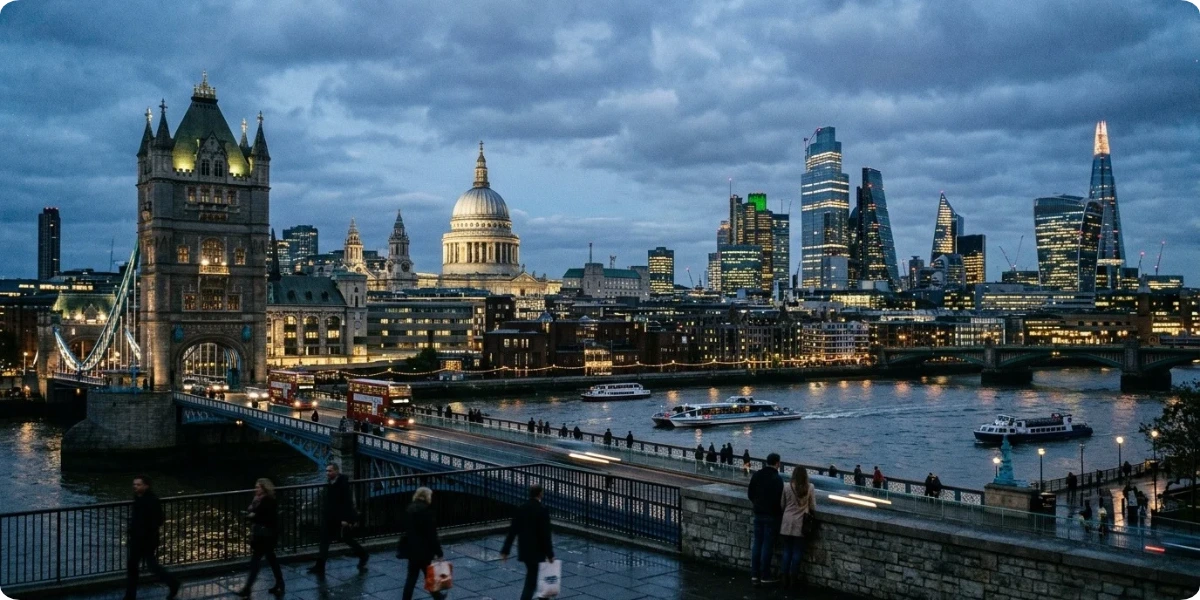
Yes. London suits first-time visitors because almost everything is in English, the public transport network reaches every major sight, and many of the best museums are free. It rewards a first trip to the UK or to a big international city, as long as you plan realistically for its size and its prices.
What sets London apart from other European capitals is scale. Paris or Rome can be covered largely on foot in a few days, but London is a collection of distinct districts spread along the Thames, and you will rely on the Tube, buses and your own legs in roughly equal measure. It is also unusually layered royal ceremony, global finance, street markets and world-class theatre all sit within a short ride of each other. If you want a broader answer to the question of whether the trip is worth your time and money, our guide on whether London is worth visiting weighs the pros and cons in more detail.
The common challenges are predictable. Distances between sights are longer than they look on a map, queues for headline attractions can be long without a booking, the weather changes quickly, and central accommodation is not cheap. Culture lovers, history fans, families who like museums and anyone who enjoys wandering a city will get the most out of it. Travellers who prefer beaches or quiet countryside may find a week here tiring.
What Should You Know Before Visiting London for the First Time?
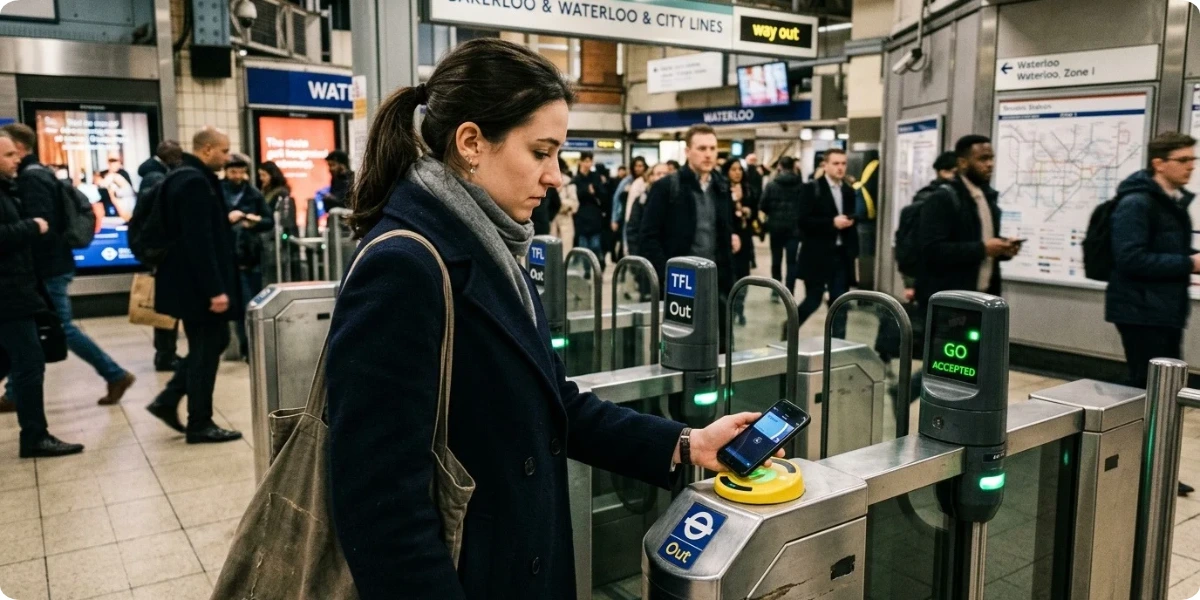
A little preparation removes most first-visit stress. The essentials are money, entry paperwork, weather, local habits and your phone and plugs. For a wider checklist on everything from areas to day trips, see our London tourist information guide.
Currency, payments and tipping. The currency is the pound sterling. Contactless payment is accepted almost everywhere, including pubs, market stalls and on public transport, so you will rarely need much cash. Before you travel, check whether your home bank adds foreign transaction fees, and use a currency converter calculator to get a feel for prices in your own money. Tipping is modest. Many restaurants add a discretionary service charge to the bill, so look before adding more. At a pub bar you do not need to tip, and in a taxi rounding up the fare is normal.
Entry requirements and documents. Most visitors who do not need a visa must now hold an Electronic Travel Authorisation, or ETA, before travelling. The fee rose to £20 on 8 April 2026, an ETA is linked to your passport, is valid for two years and allows stays of up to six months per visit. Apply only through the official UK ETA service on GOV.UK or its app, because look-alike sites charge extra. British and Irish citizens are exempt, and some nationalities need a full visa instead, which you can check with the government’s visa checker. Apply a few days before departure rather than the night before.
Weather and what to pack. London weather is mild but changeable, so think in layers: a light waterproof jacket, a compact umbrella and shoes you can walk in for hours. Summer days can turn warm, while winter is cold, damp and dark by mid-afternoon.
Local customs. Queuing is taken seriously, so join the line rather than pushing to the front. On Tube escalators, stand on the right and leave the left clear for people walking. Let passengers off the train before you board, and keep your bag off the seat in busy carriages. Traffic drives on the left, and many crossings have “look left” or “look right” painted on the road, which is worth heeding.
Plugs and connectivity. UK sockets are the three-pin Type G, running at 230 volts, so bring an adaptor and check that your chargers handle that voltage. For your phone, compare your home provider’s roaming charges with a travel eSIM before you leave.
How Many Days Do You Need in London for Your First Visit?
Three days is a sensible minimum for a first visit, four or five days is more comfortable, and two days works only if you accept a highlights-only pace.
With two days you can cover the major landmarks: Westminster, Buckingham Palace, the Tower of London and one big museum. Three days lets you add iconic neighbourhoods such as Covent Garden and the South Bank without rushing every transfer. With four or five days you can slow down, spend a morning in a market, add a second museum or a theatre evening, and consider a day trip out of the city.
To choose, ask how much you enjoy museums, how early you are willing to start and whether you want any time left unplanned. If you like to see the main sights and have time left for wandering, aim for at least four days. Our how many days in London guide breaks this down with sample plans for each length.
8 Best Places to Visit in London for First-Time Visitors
The sights below form the classic first-timer circuit. Each one is worth your time for a different reason, and most can be grouped into the same day to save travelling.
1. Big Ben and the Houses of Parliament
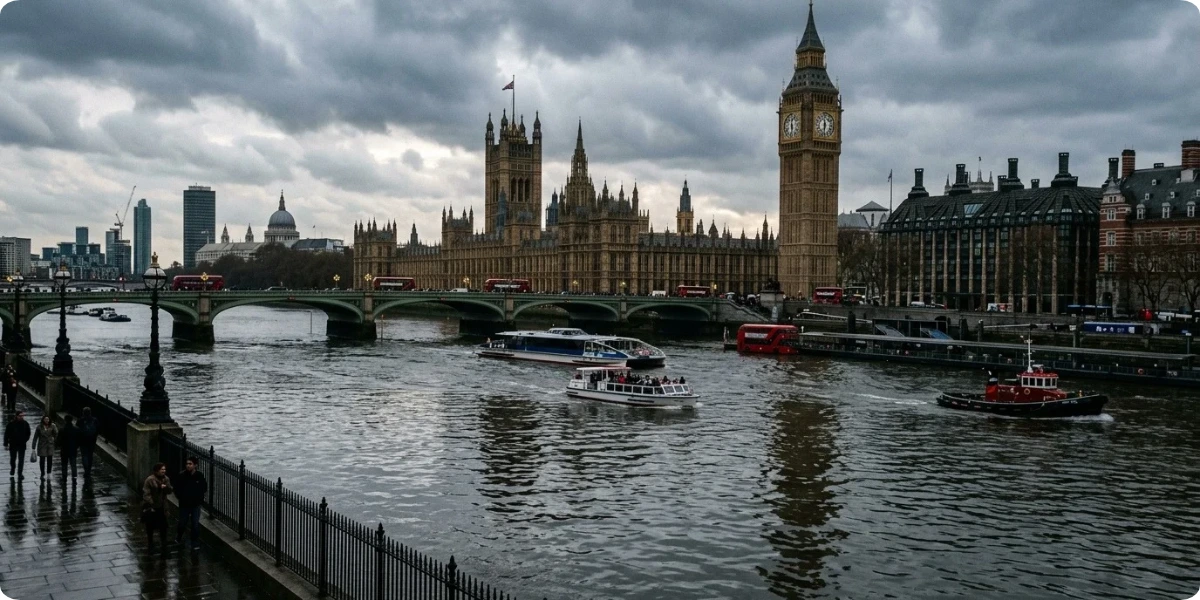
The clock tower, officially the Elizabeth Tower, and the Gothic Houses of Parliament beside it are the postcard image of London. Allow 30 to 60 minutes to see them from Westminster Bridge and the riverside, which is the best angle for photographs. Interior tours of Parliament exist but need advance booking, so check the Parliament website if you want one.
2. Buckingham Palace
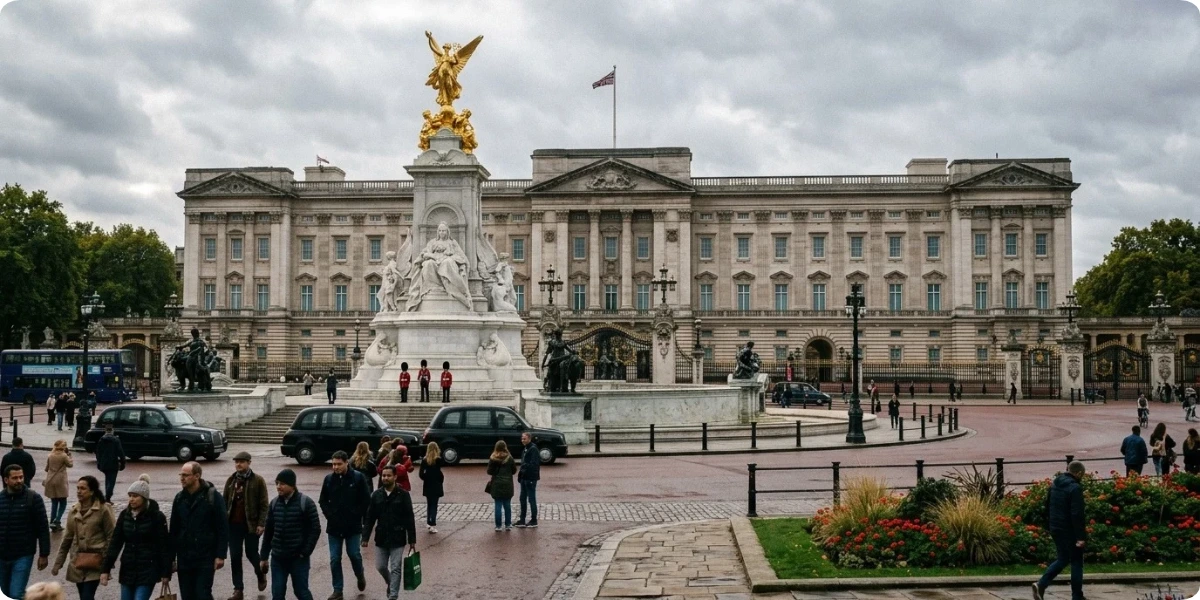
The palace is the King’s London residence and a natural stop on a Westminster day. Most visitors spend 30 to 45 minutes at the gates and along the Mall. The State Rooms open to visitors only on selected dates, so confirm availability before building the visit around them. It sits at the end of St James’s Park, a pleasant approach on foot.
3. Tower of London and Tower Bridge
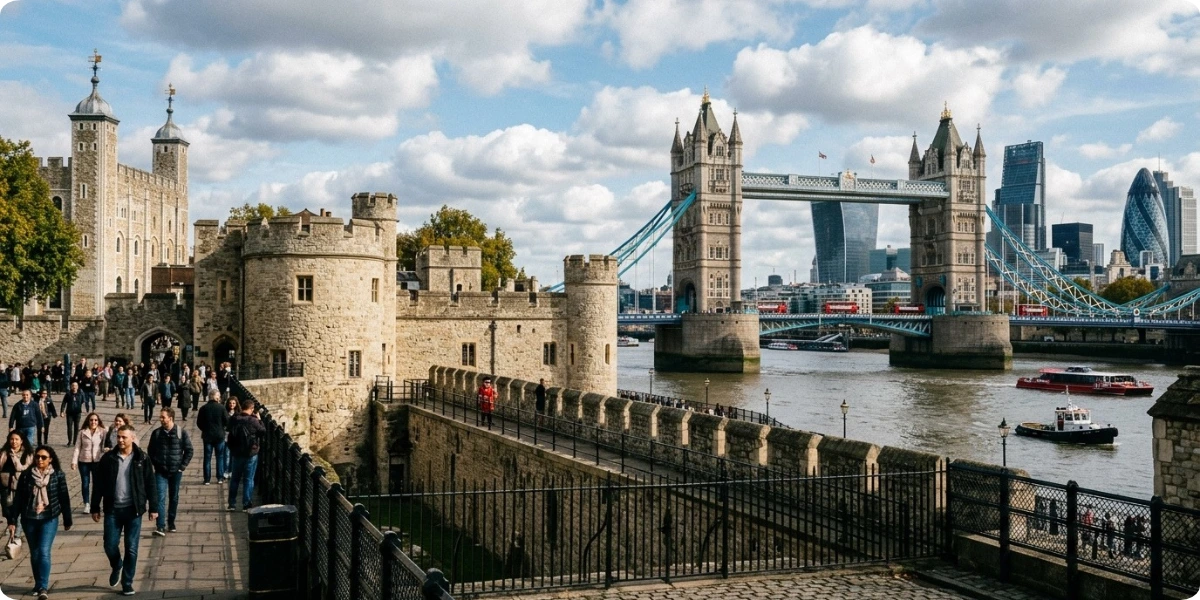
The Tower of London is a nearly thousand-year-old fortress that has served as a palace, prison and home of the Crown Jewels. Plan on three hours or more and book a timed ticket through Historic Royal Palaces to avoid queueing. Tower Bridge is right beside it. Walking across is free, while the high-level walkways and engine rooms are a separate paid exhibition.
4. Westminster Abbey

The Abbey has hosted coronations for centuries and holds the tombs of kings, queens and poets. Allow around 90 minutes. It is a working church, so visiting hours change around services and special events. Check the official Westminster Abbey website for opening times, ticket options and its photography rules before you go.
5. The British Museum

The museum is free to enter and covers human history on a vast scale, with highlights such as the Rosetta Stone and its Egyptian collection. You cannot see it all, so pick three or four galleries and give it two to three hours. Visit early in the day or later in the afternoon to avoid the busiest crowds, and see the British Museum’s official site for current exhibitions and any timed-entry arrangements.
6. The London Eye
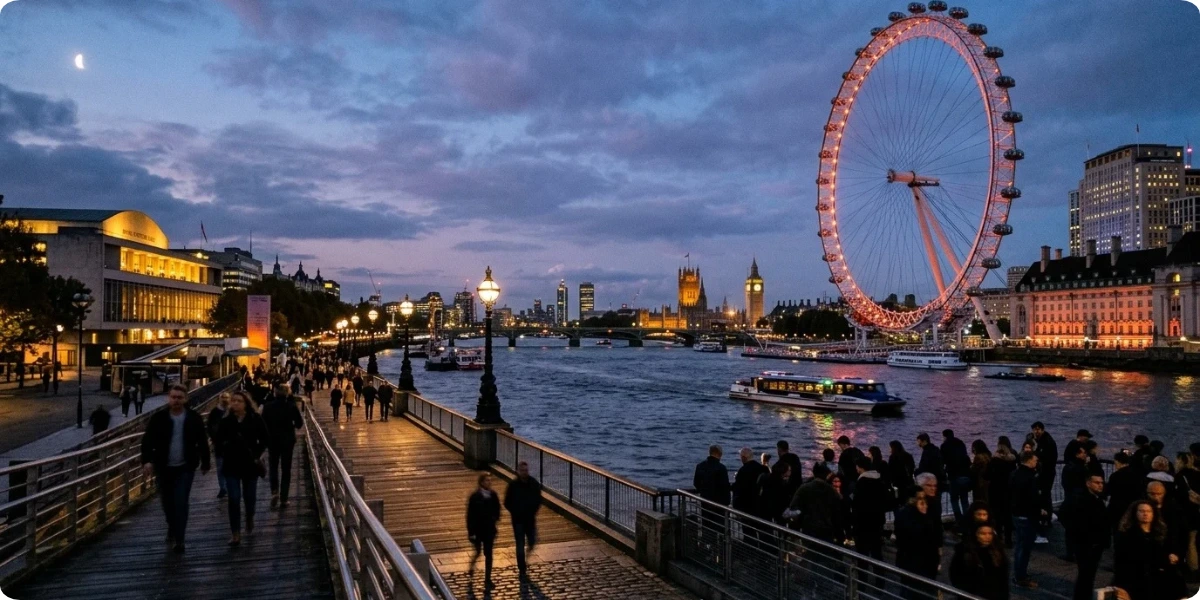
The giant observation wheel on the South Bank takes about 30 minutes for one rotation and gives a wide view over the river and the major landmarks. It is most worthwhile on a clear day, and a timed ticket booked ahead saves queueing. It pairs naturally with a walk along the riverside.
7. Trafalgar Square and the National Gallery
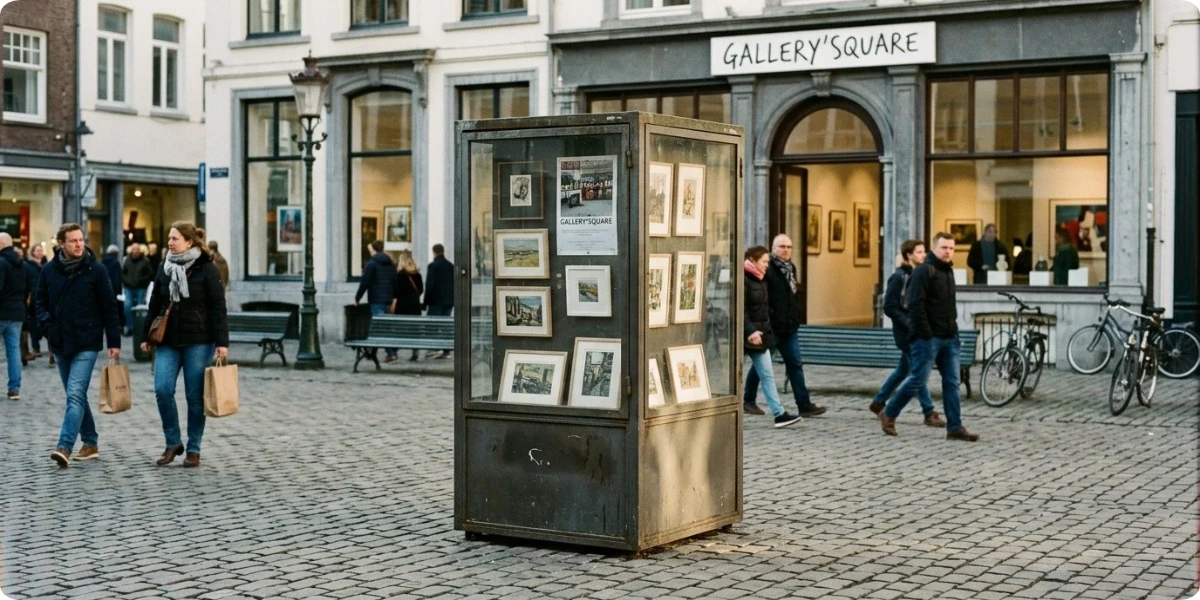
Trafalgar Square is a good meeting point and a short walk from several other sights. The National Gallery on its north side is free to enter and holds a major collection of European painting. A focused one-to-two-hour visit is enough for most first-timers, and it makes a good indoor stop if it rains.
8. Covent Garden

This former market hall is now a lively mix of street performers, shops, restaurants and theatres. Give it one to two hours, ideally late afternoon into the evening when the atmosphere picks up. It is also a convenient place to eat before or after a West End show.
Where Should First-Time Visitors Stay in London?
There is no single best area, because each one trades location against price, transport access and style of hotel. Start by deciding what matters most, then match it to a district. For hotel ideas across budgets, browse our London hotels and accommodation guides.
Westminster puts you beside Big Ben, the Abbey and Buckingham Palace, which is ideal for sightseeing on foot. The trade-off is that it is quiet in the evenings and prices are high for what you get.
Covent Garden is central, packed with restaurants and theatres, and walkable to many sights. It is lively and convenient but can be noisy and costly.
South Bank offers riverside walks, the London Eye and cultural venues. It feels open and scenic, though some hotels there are pricey and it is a little less convenient for the west.
King’s Cross is a practical choice thanks to its Tube connections, rail links and Eurostar at neighbouring St Pancras. Rooms often cost less than in the very centre, but the area is less atmospheric than the others.
Paddington suits travellers arriving from Heathrow, with the Heathrow Express taking around 15 minutes and the Elizabeth line also running to the airport. It is well connected, though it has less of a sightseeing feel.
If you are on a tight budget, staying slightly outside the centre near a good Tube station often saves money without adding much travel time.
How to Get Around London as a First-Time Visitor
The simplest way to get around London is to tap a contactless bank card or phone on the Tube and buses, and let the daily cap limit what you pay. You do not need to buy tickets in advance for most journeys.
The Tube. The London Underground is the fastest way across the city, with colour-coded lines and clear signs. Use a journey planner app to check which line and direction you need, and allow extra time at busy interchanges.
Contactless and Oyster. Contactless and Oyster use the same fares and caps. A contactless card or phone avoids buying a separate card, while an Oyster card can suit visitors without a suitable bank card. TfL’s pay as you go cap rules explain how it works. The key rule is to tap in and out with the same card or device every time, otherwise your fares will not be capped together.
Buses and river transport. Buses are slower than the Tube but give you a street-level view, and tapping works the same way. River services are priced separately from the Tube and bus caps, so check fares before boarding.
Walking. Many sights cluster together. Westminster, St James’s Park, Trafalgar Square and Covent Garden can be linked on foot, and so can the South Bank stretch along the river.
Zones and caps. London’s rail network is split into fare zones, with most sights in Zone 1. At the time of writing in October 2026, the daily cap for Zones 1 and 2 is about £8.90. Fares change each year, so confirm current figures with TfL.
Common mistakes. Forgetting to tap out, switching between a phone and a card, and standing on the wrong side of escalators are the usual slip-ups. If you do not tap out, you may be charged a maximum fare.
Best Time to Visit London for First-Time Visitors
Spring and early autumn are usually the most comfortable seasons for a first visit, with mild weather and manageable crowds, though London works all year.
- Spring: comfortable sightseeing weather, flowering parks, and fewer queues than summer.
- Summer: long days and plenty of events, but busy attractions and higher hotel prices.
- Autumn: warm tones in the parks and fewer peak-summer crowds, with the weather turning cooler.
- Winter: Christmas lights and cosy pubs, with shorter days and colder, damper weather. It suits museum-heavy trips.
Choose by your priorities. If budget matters most, avoid school holidays and December. If you want long evenings outdoors, pick late spring or summer. Our best time to visit London guide goes month by month if you want more detail.
How Much Does a First Trip to London Cost?
London is not a cheap city, but costs vary widely by travel style. Rather than promise numbers that change quickly, the table below shows where the money goes. Check current prices on official sites before you book.
| Cost area | Budget | Mid-range | Higher-cost |
|---|---|---|---|
| Accommodation | Hostel or basic hotel outside Zone 1 | Central three or four-star hotel | Luxury hotel in the West End or Westminster |
| Food | Markets, bakeries, pub lunches | Casual restaurants and a few sit-down dinners | Fine dining and afternoon tea |
| Transport | Tube and buses on a daily cap | Same, plus the odd taxi | Frequent taxis and rail day trips |
| Attractions | Free museums and parks | A few paid sights | Many paid tickets and theatre |
Public transport is one of the easier costs to predict thanks to daily caps, and the Zones 1 and 2 cap is about £8.90 at the time of writing. If you need an ETA, add its £20 fee per traveller. Attraction prices vary, so check official sites. Try our trip cost calculator to estimate a total for your own dates and party size.
You can cut costs by using the free museums, eating lunch from markets, staying near a good Tube station rather than the very centre, and booking timed tickets early. Skipping paid add-ons you do not truly want helps too.
What Are the Best Free Things to Do in London?
London has a generous free side, and first-time visitors can fill several days without paying to enter anything.
- Visit the British Museum for world history under one roof, as covered above.
- Explore the National Gallery for European painting beside Trafalgar Square.
- Walk along the South Bank for river views, street performers and cultural venues.
- Explore Hyde Park, one of the Royal Parks, for lawns, paths and the Serpentine lake.
- See the Changing of the Guard when scheduled. The ceremony does not take place every day and can change at short notice, so check the Household Division schedule before you go.
- Discover markets and neighbourhoods such as Covent Garden, Borough and the streets around Soho, where browsing costs nothing.
What Mistakes Should First-Time Visitors Avoid in London?
Most first-trip regrets come from the same few errors. Our full list of London travel mistakes goes deeper, but these are the main ones.
- Trying to do too much in a day. Two or three major sights per day is realistic.
- Booking a hotel far from convenient transport. A cheap room that adds an hour of travel each way costs you time.
- Standing on the wrong side of Tube escalators. Stand right, walk left.
- Assuming everything is free. Some museums are, but many headline attractions charge.
- Underestimating walking distances. Map distances look short, but they add up.
- Turning up without ticket checks. Popular sights often use timed entry.
- Ignoring the forecast. Keep an indoor plan ready.
Is London Safe for First-Time Visitors?
London is generally safe for visitors, and most problems are petty crime rather than violence. Sensible precautions are enough for most trips. For a fuller answer, read our guide to whether London is safe for tourists.
In crowded places such as busy Tube carriages, markets and tourist hotspots, keep bags closed and phones out of easy reach. Be wary of anyone who approaches you with an unusual offer or distraction, and buy tickets only from official sellers. Use licensed black cabs or booked minicabs rather than unmarked cars. At night, stick to well-lit, busy routes and stay aware of your surroundings.
If something goes wrong, call 999 for an emergency, or 101 for a non-emergency police matter. You can find advice and ways to report crime on the Metropolitan Police website. If you lose something on public transport, contact TfL’s lost property service, and report theft to the police for insurance.
A Simple 3-Day London Itinerary for First-Time Visitors
Day 1: Royal London and Westminster. Start at Big Ben and the Houses of Parliament, then visit Westminster Abbey. Walk through St James’s Park to Buckingham Palace, and finish with a stroll along the Thames if you have energy left.
Day 2: Historic London. Spend the morning at the Tower of London and cross Tower Bridge. Have lunch at Borough Market, then walk the South Bank in the afternoon. Check opening times before you plan the route.
Day 3: Museums and central London. Choose the British Museum or another major museum for the morning. Head to Covent Garden for lunch, then Trafalgar Square and the National Gallery, and leave the evening for a show or a relaxed dinner.
Practical London Travel Tips for First-Time Visitors
A few habits make the trip smoother. Book timed-entry attractions in advance when needed, and group nearby sights to avoid unnecessary travel. Check for transport disruptions before leaving your hotel, and carry a contactless payment option. Keep a flexible indoor plan for wet weather, and confirm opening hours on official attraction websites, since they change. For more detail, see our full set of London travel tips.
Frequently Asked Questions About Visiting London first time visitor
What should I do first when visiting London?
Sort your entry paperwork and accommodation first, then decide how you will pay for transport. After that, pick a few priority attractions and book any timed tickets. Planning the basics before you arrive leaves you free to enjoy the city once you land.
Is London easy to explore for first-time visitors?
Yes, with a little planning. The Tube and buses are straightforward with contactless payment, many sights are walkable from each other, and signs are in English. Booking busy attractions ahead and grouping nearby sights by day keeps things manageable, even if the city feels large at first.
What is the best area to stay in London for a first visit?
Westminster suits landmark-focused trips, Covent Garden suits food and theatre, and South Bank suits riverside walks. King’s Cross is practical for rail links, and Paddington works well for Heathrow arrivals. Pick based on your priorities, since each trades price against convenience.
Is three days enough for a first trip to London?
Three days covers the main highlights, including Westminster, the Tower of London, a major museum and Covent Garden. It will not cover everything, and you will need to choose. Many visitors leave planning a return trip for markets, day trips and neighbourhoods they missed.
Can you visit London on a budget?
Yes. Free museums, parks and riverside walks fill many days, and capped public transport fares limit daily spending. Eating at markets and staying near a Tube station outside the very centre cut costs further. Accommodation is usually the biggest trade-off between price and location.
Do first-time visitors need an Oyster card?
Not necessarily. A contactless bank card or phone gives the same fares and caps as Oyster, and you do not need a separate card. An Oyster can still suit visitors whose cards do not work well, so the best option depends on your circumstances.
Conclusion: Plan Your First London Trip with Confidence
The most important choices for a first trip are simple: sort your entry paperwork, pick a realistic number of days, choose an area to stay that fits your priorities, and travel with contactless payment. Pair that with an itinerary that groups sights by area, and London becomes far more manageable than it first appears. Start with the three-day plan above, then adjust it to your interests and budget.
When you are ready to go deeper, explore our full collection of TripGuiderz London travel guides for neighbourhoods, planning advice and more ideas for your trip.
