

London looks simple on a map, but first-time visitors often find it confusing. The city is huge, the transport system has its own rules, and the famous sights sit in very different corners of town. A few small decisions about transport, money, timing, hotel location and sightseeing can turn a good trip into an expensive, tiring one.
The good news is that most London travel mistakes are easy to avoid once you know about them. This guide covers the mistakes to avoid in London, with a practical fix for each. It sits alongside our London Travel Guide, so you can plan the whole trip in one place.
The biggest London travel mistakes include using the wrong transport options, staying too far from attractions, overpacking your itinerary, ignoring peak travel times, and misunderstanding local customs.
Trying to See All of London in a Few Days
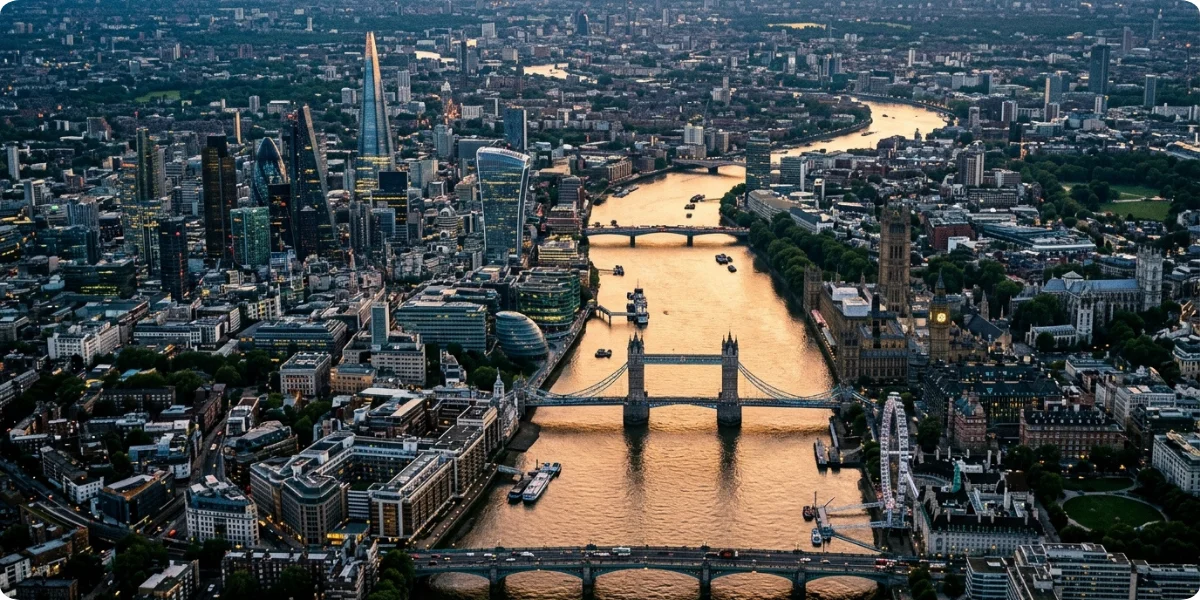
London is far bigger than most first-time visitors expect. The famous sights are spread across Westminster, the City, the South Bank, Kensington and beyond, and every move between them costs time. A “greatest hits in one day” plan usually ends with a lot of Tube rides and very little actual looking.
Most first-timers do well with three to five days. Fewer than three means hard choices, and a week lets you add neighbourhoods and a day trip. Our guide on how many days in London breaks this down by trip length. Rushing also changes the experience, because you tick off a place without really taking it in.
Quick tip: Group attractions by neighbourhood. Pair Westminster Abbey, Parliament and the river walk on one day, and the Tower of London with the City on another.
1. Choosing a Hotel Without Checking the Location
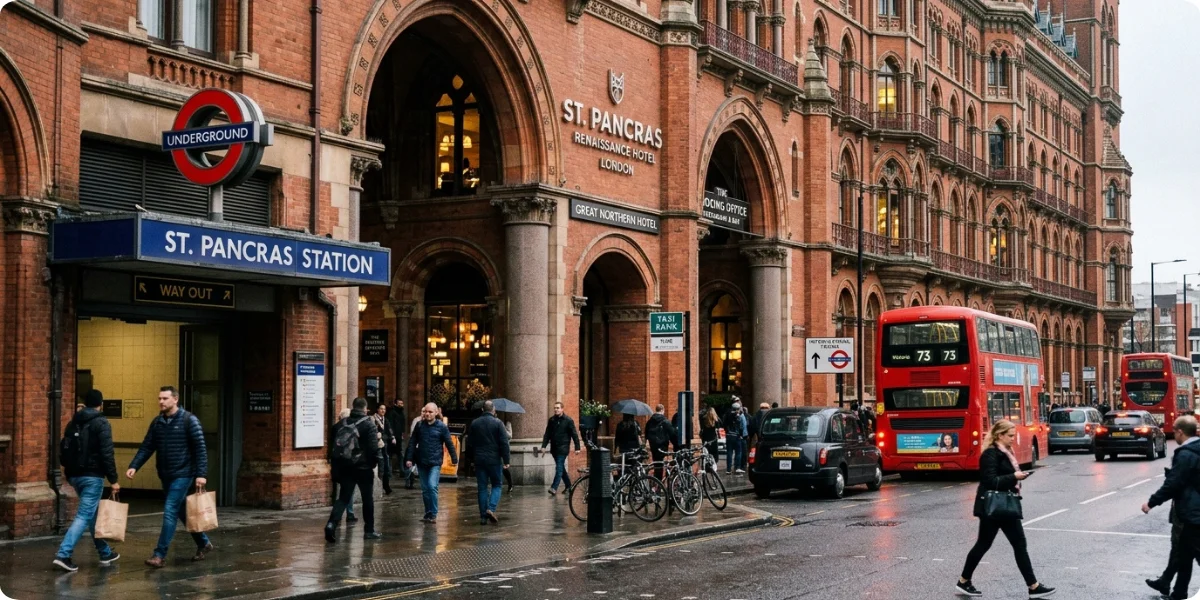
The cheapest room is rarely the cheapest option once you add daily travel time and fares. A hotel 50 minutes from the centre can cost you two hours of commuting every day, and late-night journeys back are tiring.
Before you book, check how far the hotel is from the nearest Underground or rail station, and whether that station is on a line that reaches the places you want to see. Central London costs more per night, but outer neighbourhoods can work well if the station is a short, direct ride from the centre. Read the recent reviews, because they often mention noise, lifts and the real walking distance to the station. Our London Travel Guide covers which areas suit different types of traveller.
2. Not Learning How the London Underground Works
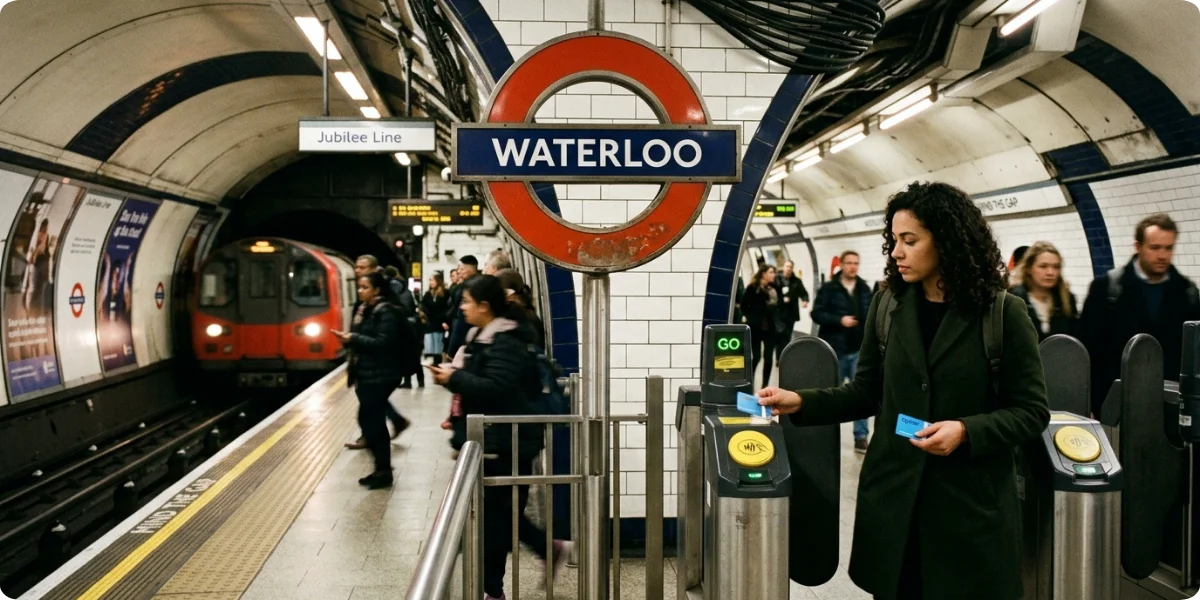
The Tube is the fastest way to cross London, but it rewards a little preparation. The network is divided into fare zones, and the price of a journey depends on the zones you cross and the time you travel. Peak fares apply on weekday mornings and late afternoons, so check the times on Transport for London (TfL) before you plan long journeys.
For payment, you can use a contactless card, a mobile device or an Oyster card with pay-as-you-go. You tap in and out, and TfL applies daily and weekly caps so your fares stop adding up once you reach the limit. TfL’s guidance is to use the same card or device for every journey, or the cap cannot be calculated properly. Check your route before leaving, because the right exit or a change of line can save a lot of walking, and avoid unnecessary changes by choosing the more direct line even when it looks longer on paper.
3. Assuming Every London Attraction Is Free
London has some excellent free museums, which sometimes leads visitors to assume everything is free. It is not. The permanent collection at the British Museum has free entry, for example, but major castles, palaces, observation wheels and special exhibitions charge admission.
Build a rough attraction budget before you arrive. Tickets for the big-name sights can add up quickly across a week, especially for a family. Decide which two or three paid experiences matter most to you and fill the rest of the itinerary with free museums, parks, markets and walks. If you are unsure how the numbers fit together, our Trip Cost Calculator helps you sketch the whole budget.
4. Visiting Popular Attractions Without Booking Ahead
Even free attractions can use timed entry. The British Museum advises booking a free ticket in advance, noting that visitors without one face queues at busier times. For paid sights, the Tower of London lets you book online ahead or buy at the ticket office, and online booking lets you secure a time that suits your day.
Book the sights that matter most as soon as your dates are fixed, particularly for weekends, school holidays and summer. Always buy from the official attraction website, since resellers can add fees and unofficial sellers around tourist areas are best avoided. If you are weighing up the whole trip, our piece on whether London is worth visiting can help you decide where to spend your money.
5. Building an Overpacked Daily Itinerary

A plan that looks efficient on paper rarely survives contact with London traffic, queues and walking distances. Every attraction has a security check, a ticket line or a gift shop exit, and you still need time to eat and rest.
A better rule is two to three major attractions per day, with one lighter stop such as a park, market or river walk. The Tower of London alone recommends allowing at least three hours for a visit, which shows how quickly a “quick stop” fills a morning. Leave a gap in the afternoon for delays, a long lunch or a spontaneous detour.
6. Ignoring London’s Weather
London weather can change within hours. A bright morning can turn showery by lunch and clear again by evening, and rain is spread through the year rather than limited to a single season. Check the Met Office climate averages for your travel month so your expectations are realistic.
The simplest fix is layers a light jacket or sweater, a waterproof outer layer and comfortable, water-resistant shoes. Keep a few indoor alternatives in your pocket, such as a museum, a covered market or a gallery, so a rainy afternoon does not wreck the plan. Our guide to the best time to visit London shows what each season usually feels like.
7. Taking a Taxi Everywhere
Black cabs and rideshares are convenient, but using them for every trip is one of the quickest ways to overspend. In central London, traffic can make a car slower than the Tube for many routes, and public transport is often the more practical choice.
A taxi or rideshare makes sense late at night, with heavy luggage, with young children, or when mobility is an issue. For everything else, compare the options: walking is free and good for short hops, the Tube is fast for longer distances, buses are slower but scenic and cheap, and taxis are best kept for the situations above. A few avoided taxi rides over a week can pay for an attraction ticket.
8. Only Using the Underground and Missing London’s Walkable Areas
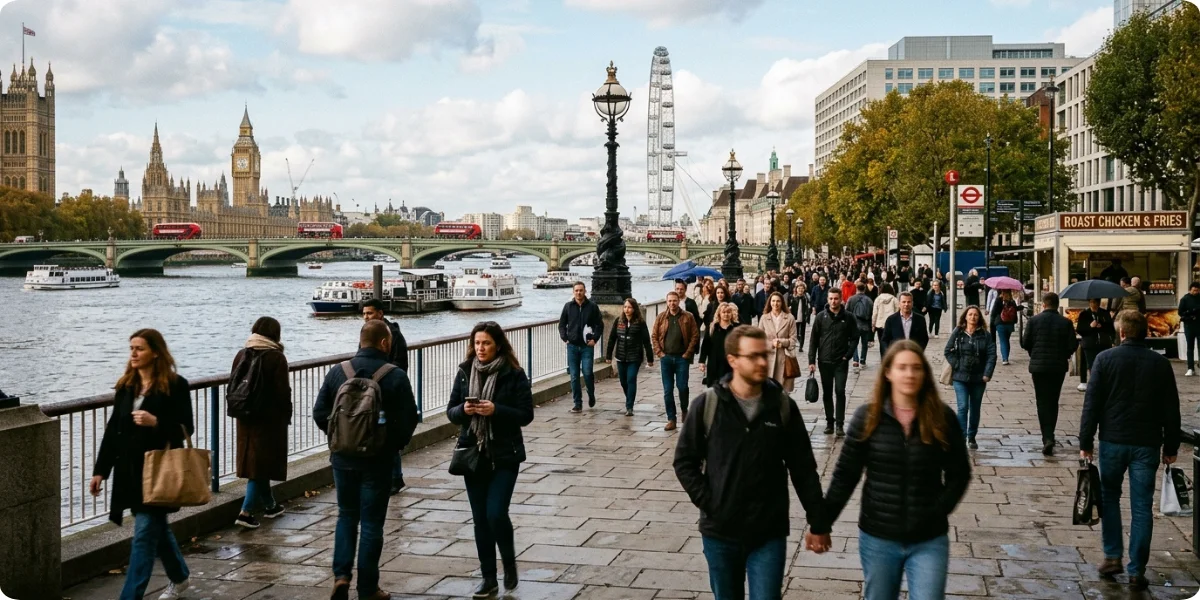
The Tube is efficient, but it hides the city from you. Stations can be close together, and travelling underground between nearby sights means you miss the streets between them.
Some areas are best explored on foot. Around Westminster, you can walk between Parliament, Westminster Abbey and St James’s Park in a single stroll. The South Bank offers a riverside walk past theatres, galleries and markets, and Covent Garden rewards slow wandering through its streets and squares. A good approach is to combine the two: take the Tube to a neighbourhood, then walk its highlights rather than hopping station to station.
9. Eating Only Near Major Tourist Attractions
Restaurants beside the biggest sights tend to charge more and often serve less memorable food. You are paying for the location.
Walk a few streets away, look for neighbourhood restaurants, pubs and markets, and read the menu before sitting down. Check whether a service charge is already included, since this is common in London, and plan meals around your sightseeing route so you are never forced to eat wherever you happen to be hungry. Our London Travel Tips guide has more on eating well without overspending.
10. Forgetting That London Uses Pounds
London uses the pound sterling (GBP, £), not the euro or the dollar. Cards and contactless payments are accepted almost everywhere, including on public transport, so you rarely need much cash.
The trap to watch is dynamic currency conversion. When a card machine offers to charge you in your home currency, decline and pay in pounds. Accepting the offer lets the merchant set the exchange rate, which usually costs more, and Nasdaq’s explainer recommends rejecting it. Check the day’s exchange rate before large purchases, and use our Currency Converter Calculator to estimate prices in your own currency.
11. Underestimating Walking Distances

Two places that look close on a map can still mean 25 minutes on foot, plus waiting at crossings and weaving through crowds. A day of sightseeing can easily add up to many miles.
Wear comfortable, broken-in shoes and use walking time, not map distance, when you plan. Avoid unrealistic combinations such as crossing the whole city between a morning and afternoon booking. If two sights are far apart, take the Tube between them and save your legs for the walking you want to do.
12. Not Checking Opening Times and Closures
Opening hours vary between museums, palaces and attractions, and they change on Sundays, bank holidays and around Christmas. The British Museum, for example, lists daily hours with a later close on Fridays and is closed from 24 to 26 December.
Temporary closures and special events can also change what is open. Always check the official website of each attraction a day or two before you go, and again on the morning itself if the weather or a strike might affect transport.
13. Staying Only Around the Most Famous Tourist Areas
Big Ben, Buckingham Palace and Tower Bridge are famous for good reason, but London is far more than its postcard views. Spending every hour in the busiest zones means missing the character that residents love.
Add one or two different experiences: a neighbourhood market, one of the large parks, a quiet residential street or a canal walk. Aim for a balance of famous sights and less-touristy time, so the trip feels like visiting a living city rather than a checklist.
14. Forgetting Basic London Etiquette
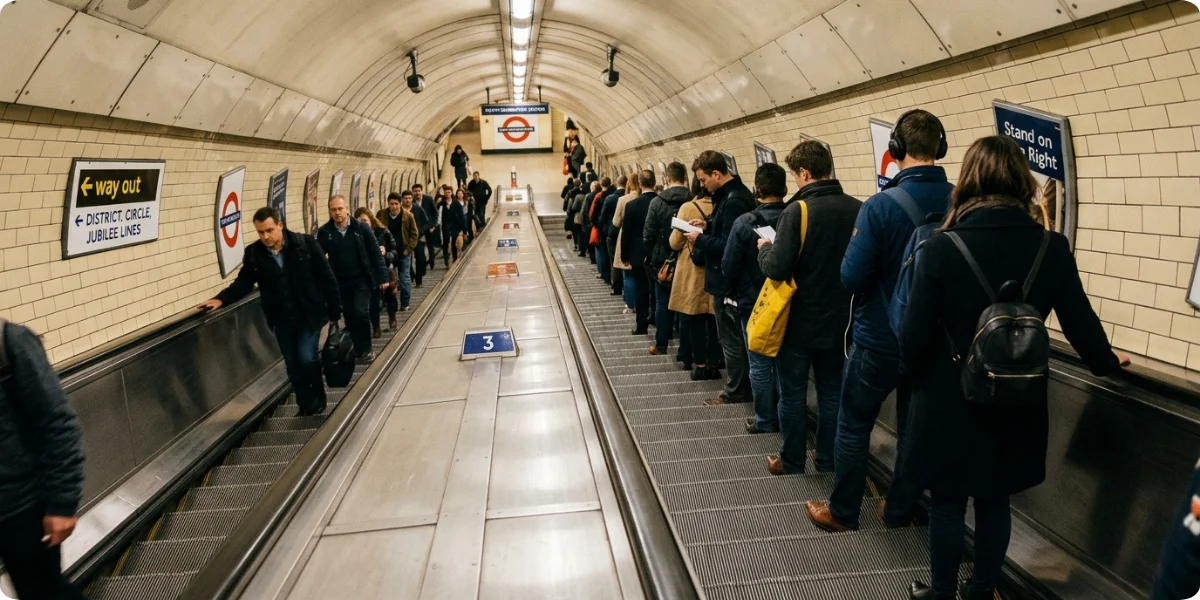
Londoners are generally patient, but some habits matter. On Tube escalators, stand on the right and leave the left side clear for people walking. Queue properly, whether at a bus stop, ticket desk or shop, and give people space on crowded platforms and carriages by keeping bags off seats and letting passengers off before you board.
Keep your voice down on public transport, and look for the service charge on restaurant bills. Under UK law, tips and service charges that an employer controls must be shared fairly with staff, as Acas explains, and a service charge can be voluntary or compulsory, so check how your bill describes it before adding extra.
London Travel Mistakes to Avoid at a Glance
| Mistake | Better Approach |
|---|---|
| Overpacking your itinerary | Visit fewer places each day |
| Staying too far away | Choose accommodation near transport |
| Paying for every journey separately | Consider contactless/Oyster options |
| Skipping bookings | Reserve popular attractions early |
| Taking taxis everywhere | Use the Tube, bus, and walking |
| Ignoring the weather | Pack layers and rain protection |
| Eating only in tourist areas | Explore local neighborhoods |
| Underestimating distances | Check walking and travel times |
What Should First-Time Visitors Avoid in London?
First-time visitors should avoid overplanning, relying on taxis, staying far from a Tube or rail station, and arriving at popular attractions without a booking. Check opening hours, allow extra time for walking, and learn basic etiquette such as standing on the right of escalators.
The common thread is overplanning, squeezing too many sights into each day. Close behind is ignoring public transportation, which is usually the most practical way to move around. Booking a poor accommodation location can cost you hours, and missing advance reservations can mean queues or missed entry. Many visitors also assume everything is close together, and some forget local etiquette, which is easy to fix once you know the basics.
How to Avoid Common London Tourist Mistakes
Before Your Trip
- Choose the right neighborhood, close to a Tube or rail station
- Check attraction opening hours
- Book major attractions
- Research transport options
- Check the weather
During Your Trip
- Start early
- Keep your itinerary flexible
- Use public transport
- Wear comfortable shoes
- Leave buffer time between activities
London Travel Tips That Make Your Trip Easier
Once you have avoided the mistakes above, a few habits make the trip smoother.
Best ways to get around. Mix modes. Use the Tube for long distances, buses when you want to see the city, and your feet for neighbourhoods. A contactless card or Oyster keeps payment simple.
When to visit attractions. Go early on weekdays when the biggest sights are quietest, and save outdoor wandering for the afternoon when you have more flexibility. Check our best time to visit London guide for seasonal timing.
How to save time. Pre-book timed tickets, keep your hotel near a direct line, and plan one area per half-day. This cuts dead time between stops.
Where to eat. Look one or two streets away from the main sights, and consider market lunches to keep afternoons flexible.
How to organize sightseeing by area. Build each day around a single district, then add one flexible extra. If you want a deeper walkthrough, see our full London Travel Tips article, and for the bigger picture our London Travel Guide. Unsure about the trip at all? Read Is London Worth Visiting?. You can also browse everything in our London section.
Frequently Asked Questions About London Travel Mistakes
What is the biggest mistake first-time visitors make in London?
Trying to do too much. London is large, and packing in too many attractions leaves little time to enjoy any of them. Plan two or three main stops per day.
What should you not do when visiting London?
Avoid overpacking your schedule, staying far from transport, skipping advance bookings, taking taxis for every trip, and forgetting layers for changeable weather. Also avoid ignoring basic etiquette on the Tube.
Is it a mistake to stay outside central London?
Not always. It becomes a problem if the hotel is far from a station or on a slow route, because daily travel time and cost add up. A well-connected outer neighbourhood can be a sensible, cheaper choice.
What should tourists avoid in London?
Avoid tourist-trap restaurants beside major sights, unofficial ticket sellers, poor planning, transport errors such as using several different cards for capped fares, and etiquette slips like blocking the left side of escalators.
Is it better to use cash or card in London?
Card or contactless works almost everywhere, including public transport, so you need little cash. Pay in pounds and decline any offer to convert the charge into your home currency.
How many days are enough for London?
Three to five days suits most first-time visitors, with a week giving room for neighbourhoods and a day trip. See our dedicated guide on how many days in London.
Final Takeaway

The most important London travel mistakes come down to a few themes trying to see too much, staying in the wrong place, misusing transport, skipping bookings, and overlooking small local habits. Fix those and most of the stress disappears.
Plan the essentials, such as your hotel location, your big-ticket bookings, and your payment method, then leave the rest loose. Combine public transportation, walking, reservations, and a flexible schedule, and let one or two unplanned detours become the best part of the trip. A simple test before you finish each day’s plan if you cannot walk and travel between your stops in the time you have, cut one. Heading elsewhere next? Our Istanbul Travel Mistakes guide applies the same planning approach.
