

London is generally safe for tourists who take normal big-city precautions. Most visits pass without a problem, and the issues travelers do run into are usually petty crime, pickpocketing, phone snatching, ticket and taxi scams, and the occasional awkward journey home late at night. The trend is encouraging, Met Police figures show phone thefts fell 12.3%, from 81,365 in 2024 to 71,391 in 2025, and City Hall reported 23,311 fewer thefts from person (down 23%) in its July 2026 update. Even so, safety changes from street to street and hour to hour, so it helps to know where the real risks sit.
Crowded transport hubs, nightlife streets and busy kerbsides near tourist hotspots are where opportunistic theft clusters, while serious violent crime against visitors remains rare. Phone theft is the crime visitors most often meet, so keep handsets away from kerbs and out of sight when not in use.
This guide draws on official Met Police and Mayor of London data, cross-checked against current visitor guidance and written to be easy to act on, so the advice reflects current conditions rather than reputation. It covers how safe London is right now, what to expect as a solo traveler, a family or an international visitor, how the Tube and buses compare after dark, which situations call for extra care, and what to do if something goes wrong. No guide can promise a risk-free trip in a city of this size, but the habits below will let you spend your energy enjoying London instead of worrying about it.
Is London Safe for Tourists?
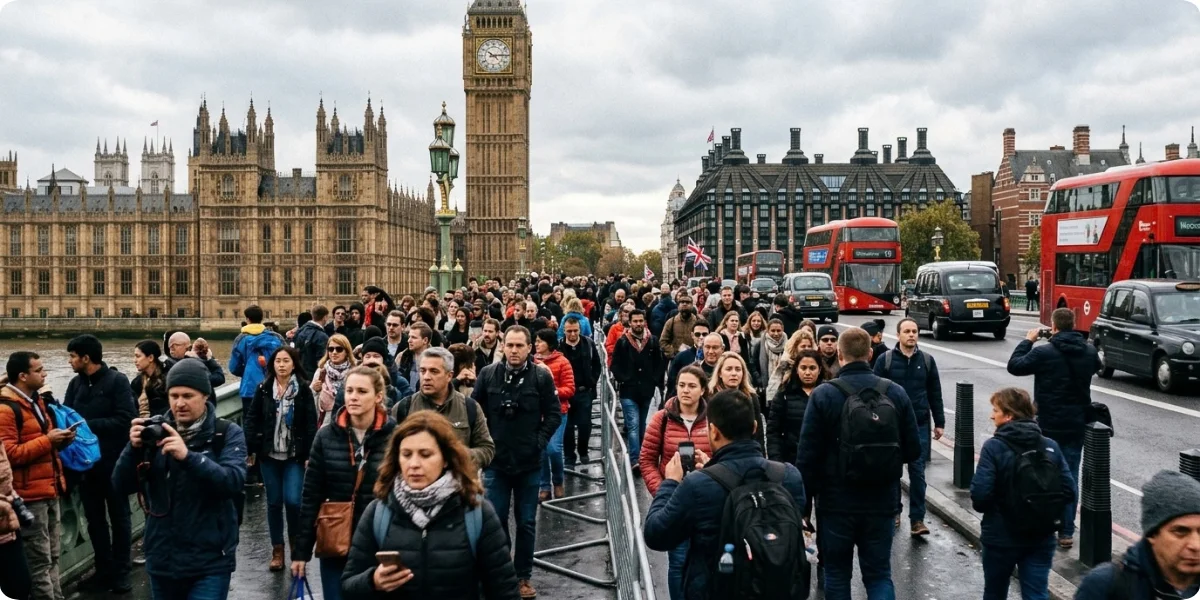
Yes. London is generally safe for tourists, and most trips pass without incident. The risks visitors actually face are mostly opportunistic theft, such as pickpocketing and phone snatching, rather than serious violent crime. Safety varies by street, time of day, and situation, so good habits matter more than avoiding any one neighborhood.
It helps to separate everyday tourist risks from serious crime. Everyday risks are the ones you can plan around: a bag left open on a crowded train, a phone held loosely near the curb, a friendly stranger with a story that ends in a request for money. Serious violent crime exists in London as it does in every major capital, but it rarely involves visitors who stay aware and use sensible routes.
Busy attractions and transport hubs deserve extra awareness for a simple reason: crowds are where opportunistic thieves work. Tourists are often distracted by maps, photos and unfamiliar surroundings, and packed platforms or queues make it easy for someone to brush past unnoticed. Awareness is cheap and effective. Because conditions change, it is also worth checking current local safety advice shortly before you travel.
Is London Safe to Visit Right Now?
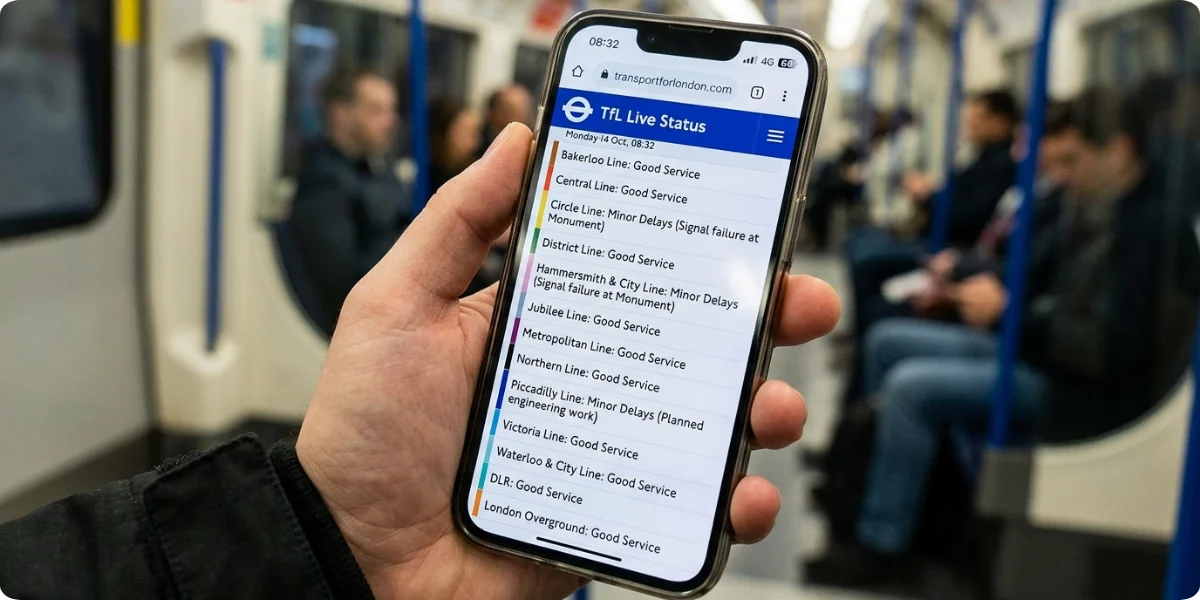
Conditions can shift between booking a trip and landing, so check twice: once before you fly and again on the morning you head out. Live Tube, bus and rail updates are on the Transport for London status page, and the Mayor’s official visitor site publishes general guidance on staying safe in London.
Four things most often change a visitor’s day: public demonstrations, transport disruptions, severe weather and localized incidents. Demonstrations are usually confined to a few streets, but they can close roads and crowd nearby stations, so plan a different route rather than walking through one. Weather matters for comfort and travel times, and our guide to the best time to visit London explains what to expect by season.
Avoid reading too much into a single headline. One incident in one borough does not make the whole city unsafe, and a quiet week does not make it risk-free. The sensible approach is to check live information, adjust your plans where needed and carry on.
Is London Safe for Solo Travelers?
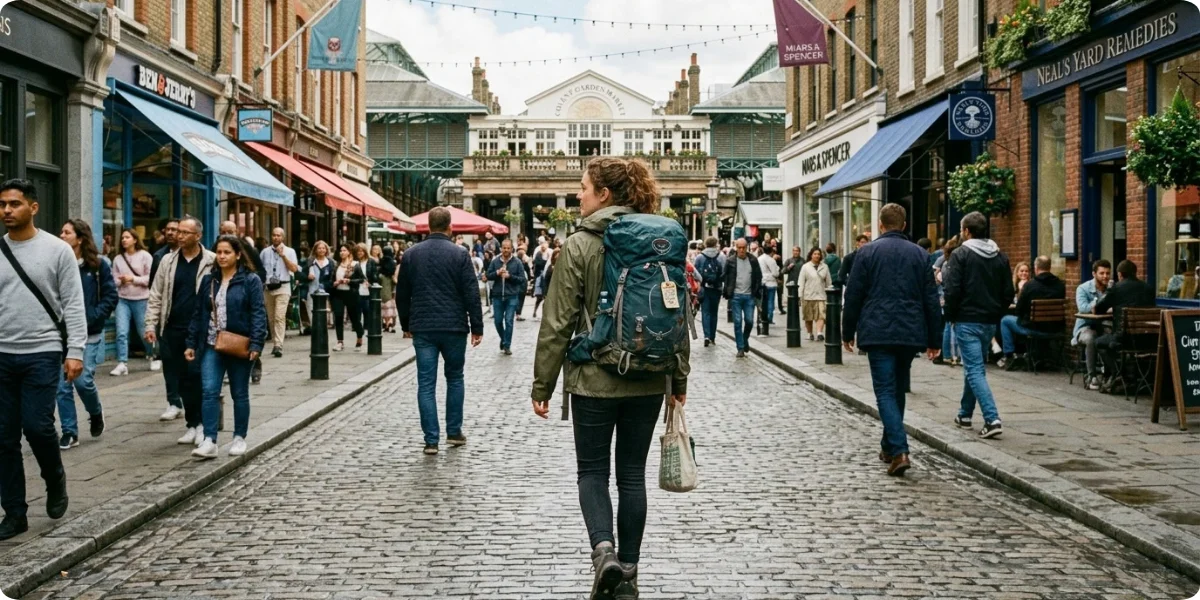
London is a common first solo destination because it is walkable, English-speaking and well connected. Solo travelers face the same main risks as everyone else, plus the fact that no companion is watching their bag or route. Keep valuables close, tell someone your rough plans and trust your instincts about places and people.
Is London Safe for Solo Female Travelers?
Many women travel alone in London without problems. A few habits make it easier:
- Choose well-reviewed accommodation in a convenient area, ideally within a short, well-lit walk of a station.
- Stay alert when walking alone at night, and keep your phone and headphones from dominating your attention.
- Use licensed black cabs or pre-booked licensed minicabs, and share your travel plans with someone you trust.
- If a street feels wrong, head for a busier road, a staffed shop or a station rather than pushing on.
Is London Safe for First-Time Visitors?
First-timers mostly need to learn the system. Public transport accepts contactless payment, so you rarely need paper tickets, and a route planned before you leave a busy area is safer than one worked out on a street corner. Keep valuables secured in crowds and know your way back to your accommodation before dark. Many avoidable problems come from small planning errors, which we cover in our list of common London travel mistakes.
Is London Safe at Night?
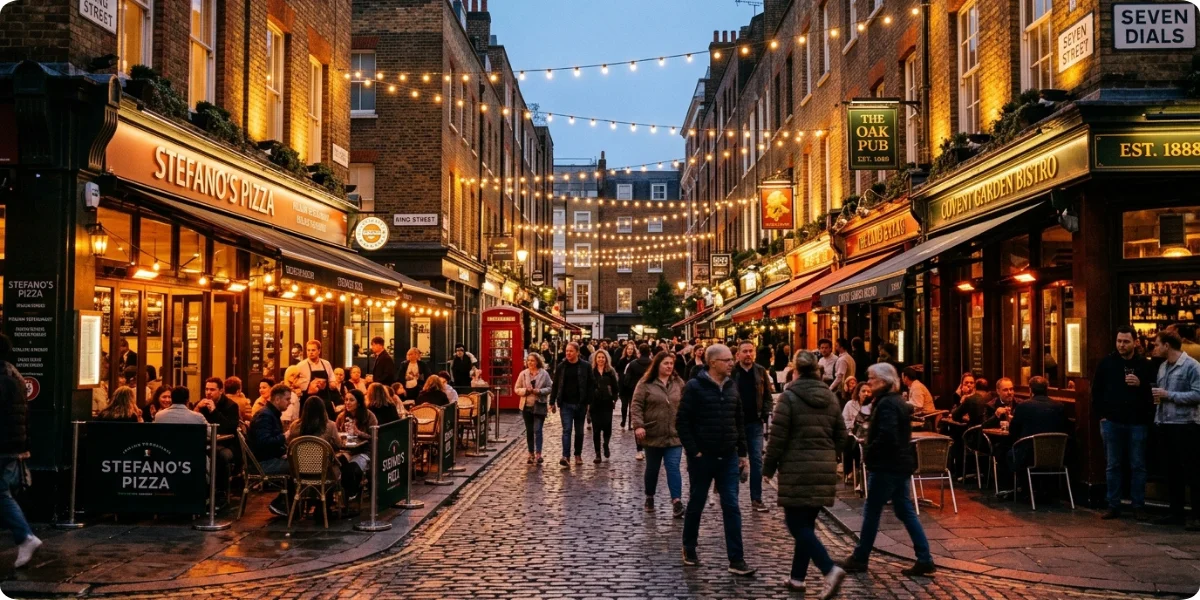
Safety after dark depends on the neighborhood, the street and the hour. A busy central road with open restaurants feels very different from a quiet residential shortcut a few minutes away, even in the same area.
Walking back from restaurants, pubs, theaters and nightlife districts is usually fine when you stay on main streets with steady foot traffic. Pick well-lit routes, keep your phone away from the curb, and avoid cutting through empty parks, underpasses or unlit side streets. Areas with late-night venues, such as parts of Soho and Camden, tend to be livelier at closing time, which brings crowds, drunkenness and opportunistic theft.
A licensed taxi or a bus on a busy road is often the better choice when the walk is long, the route is isolated, you are tired, or you have been drinking. There is no prize for walking.
Which Areas of London Are Safe for Tourists?
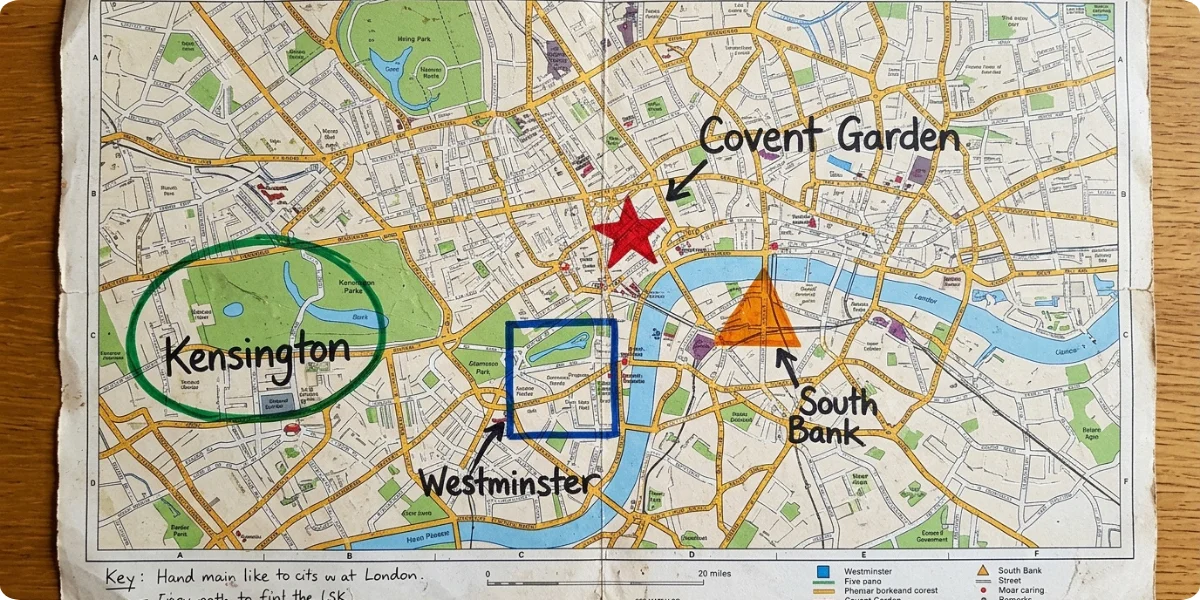
Safety is best assessed street by street rather than by labeling whole boroughs as dangerous. London is large and varied, and a single borough can include both busy, comfortable streets and quiet, poorly lit ones.
When choosing accommodation, look at four things: transport access, lighting and foot traffic after dark, the walk from the nearest station, and late-night activity nearby. Read recent guest reviews for comments on the street and the building, check the hotel’s security, and look at the route from the station on a map before you book.
Central tourist areas such as Westminster, Covent Garden, South Bank and Kensington are worth researching because they offer strong transport links and steady activity into the evening. None is risk-free. Busy central areas can also record more theft simply because more people pass through them.
Areas in London Where Tourists Should Take Extra Care
These are situations that call for awareness, not a blanket judgment that an entire neighborhood is unsafe:
- Busy shopping streets and major tourist attractions.
- Crowded railway stations and Underground platforms.
- Nightlife districts after closing time.
- Isolated streets and poorly lit routes late at night.
The Metropolitan Police specifically warns visitors about phone snatching, pickpocketing and tourist scams, and its guidance on visiting London safely is worth reading before you travel. Its core advice is simple: keep valuables, phones and cameras close, and stay aware of who is around you.
What Are the Most Common Safety Risks in London?
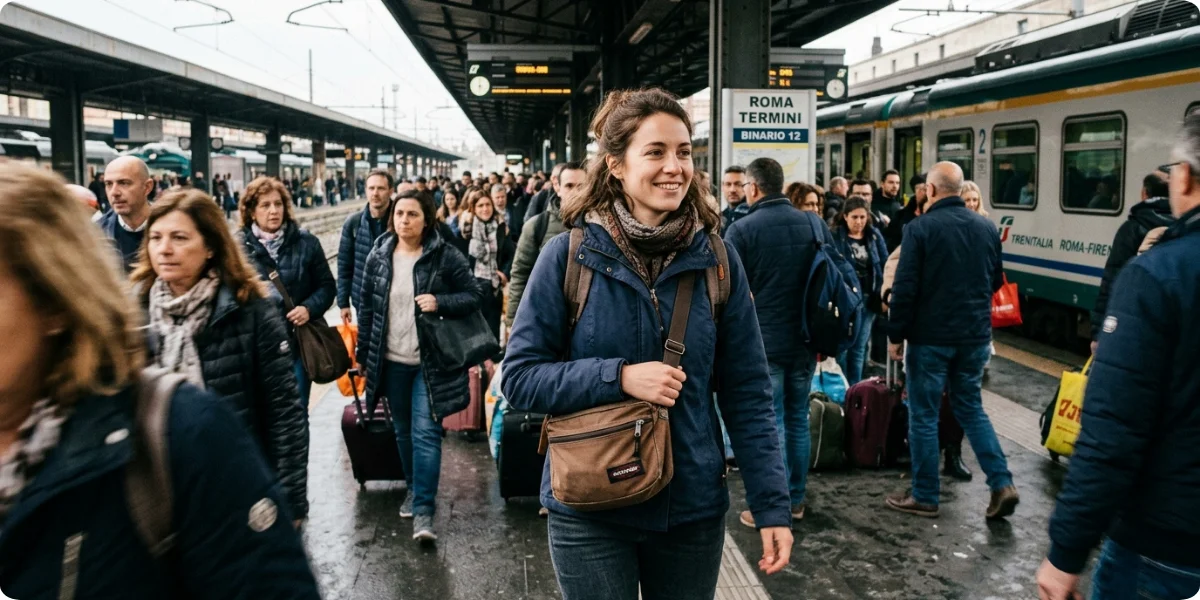
1. Pickpocketing in Crowded Places
Pickpockets exploit crowds and distractions: a bump on a packed platform, a question from a stranger, a commotion near a ticket gate. Carry only what you need, keep wallets and passports in zipped or inside pockets, and wear a bag across your body where you can see it. Leave spare cards and your passport in the hotel safe when you do not need them.
2. Mobile Phone Theft
Phones are a favorite target, and some snatchers approach on bikes, e-bikes or mopeds. Using your phone close to the road makes it easier to grab. Stand away from the curb, ideally with a wall or building behind you, keep map checks short, and look up before taking the phone out. Turn on a strong passcode and your device’s tracking feature before your trip.
3. Tourist Scams and Overcharging
Common problems include unofficial ticket sellers, street games and distraction scams, and unlicensed taxis. Pedicabs can look like fun but often lead to inflated fares for very short rides. A real police officer will never ask for your PIN, and anyone who does is a thief. Buy attraction tickets only from official sellers.
4. Theft on Public Transport
On the Tube and buses, keep bags zipped and in front of you. Stay alert at stations, near doors as they close, and on crowded journeys. Moving to a less busy carriage costs nothing.
5. Nightlife and Drink Safety
Keep your drink in sight, avoid unfamiliar venues that pressure visitors into purchases, and plan your journey back before you go out rather than after the last round. Agree a plan with friends for getting home.
Is Public Transport Safe in London?
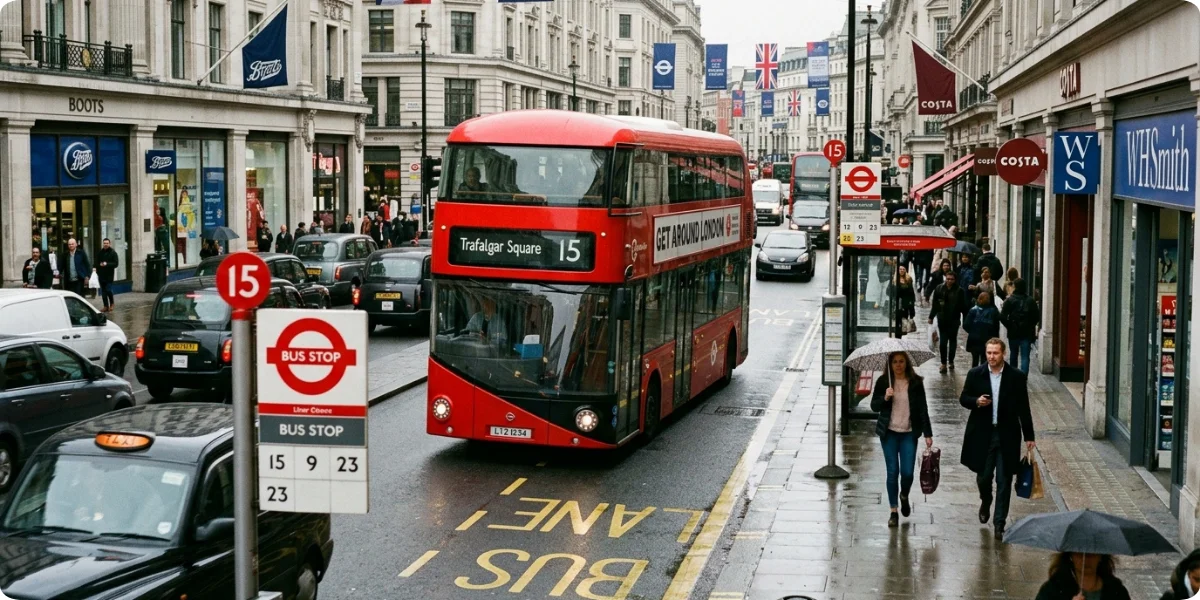
Yes. Public transport is widely used by locals and visitors every day and is generally considered safe, with theft on crowded services as the main concern.
1. Is the London Underground Safe?
The Tube is generally safe. Stay behind the yellow line on platforms, hold the handrail on escalators, and keep your belongings secure at busy interchanges. Check service updates before traveling, since closures and delays are far more likely than anything dangerous.
2. Are London Buses Safe for Tourists?
Buses are a good way to see the city. Board and exit carefully, use official bus stops, and keep bags zipped and in sight. Upper-deck seats at the front give good views, but be aware of your phone near open windows and at stops.
3. Are Taxis and Ride-Hailing Services Safe?
Use licensed black cabs or pre-booked licensed minicabs. Check the vehicle and driver details match your booking before you get in, and never accept rides from people who approach you on the street. For official guidance, use the Transport for London and Metropolitan Police pages linked above.
Is London Safe for Families With Children?
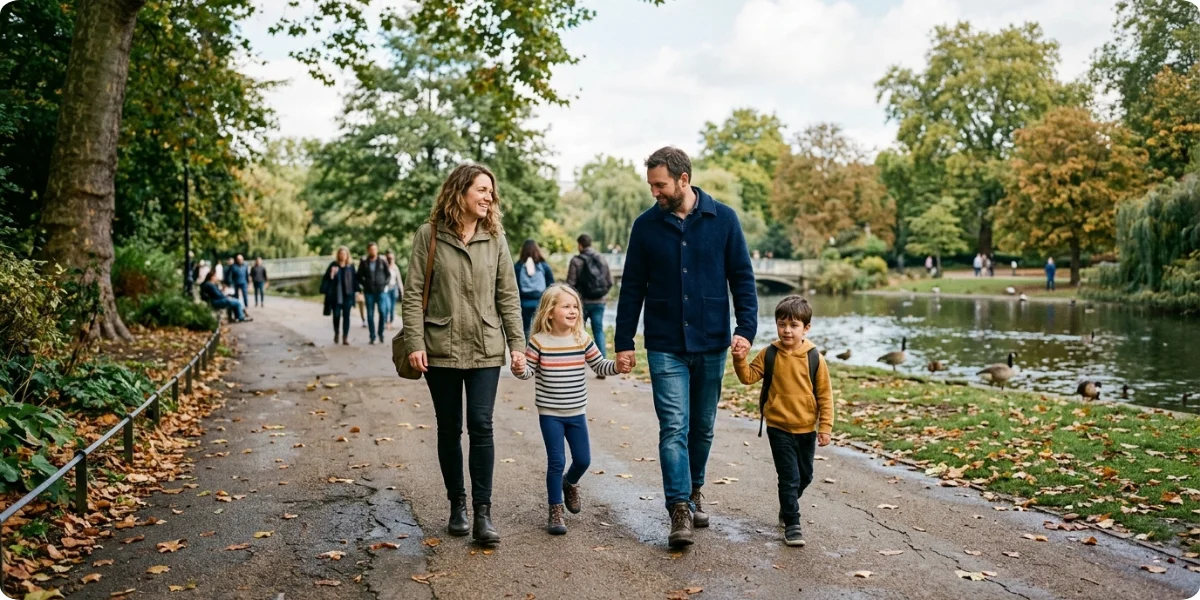
London is a popular family destination, and sensible planning goes a long way:
- Choose family-friendly accommodation with good transport links.
- Agree a meeting point at busy attractions.
- Keep children close in stations and on crowded streets.
- Teach older children what to do if separated, such as approaching a staff member or police officer.
- Plan accessible routes and avoid unnecessarily late journeys.
Shorter, well-paced days also keep everyone alert. If you are deciding how much to fit in, our guide to how many days to spend in London can help you set a realistic pace.
Is London Safe for American and International Tourists?
International visitors face the same main risks as everyone else, with a few extras. Traffic drives on the left, so look both ways before crossing, including on one-way streets. Learn the basics of the transport system and contactless payment so you are not fumbling with machines in busy stations. Protect passports, cards and travel documents, and be cautious if a stranger offers unsolicited help involving money or bank cards. Note that the emergency numbers are 999 and 112, so save them in your phone before you arrive.
How to Stay Safe in London: Practical Travel Tips
- Keep your phone secure when walking near roads.
- Carry only the cash and cards you need.
- Use a zipped bag and keep it within sight.
- Book accommodation with reliable reviews and appropriate security.
- Plan your route before leaving your hotel.
- Use official ticket sellers and licensed transport.
- Avoid poorly lit shortcuts when traveling at night.
- Keep digital copies of important travel documents.
- Check local news and transport updates.
- Trust your instincts and move to a busier place if you feel uncomfortable.
For more first-trip planning beyond safety, see our London travel tips for first-time visitors.
What Should You Do if Something Goes Wrong in London?
If Your Phone or Wallet Is Stolen
Move somewhere safe first and do not chase the thief. Contact your bank or card provider if needed, use device-tracking and account-security tools to lock the phone, and report the theft to the police. Keep your crime reference number for insurance.
If You Feel Unsafe at Night
Enter a staffed business or another busy public place, contact someone you trust, and use licensed transport if you need to get home.
London Emergency Numbers for Tourists

- 999 or 112: Police, ambulance or fire service in an emergency.
- 101: Police assistance for non-emergency matters.
Visit London’s page on emergency services and healthcare explains how healthcare works for visitors, and the UK government’s guidance on 999 and 112 confirms how the emergency numbers work.
Is London Safer Than Other Major Cities?
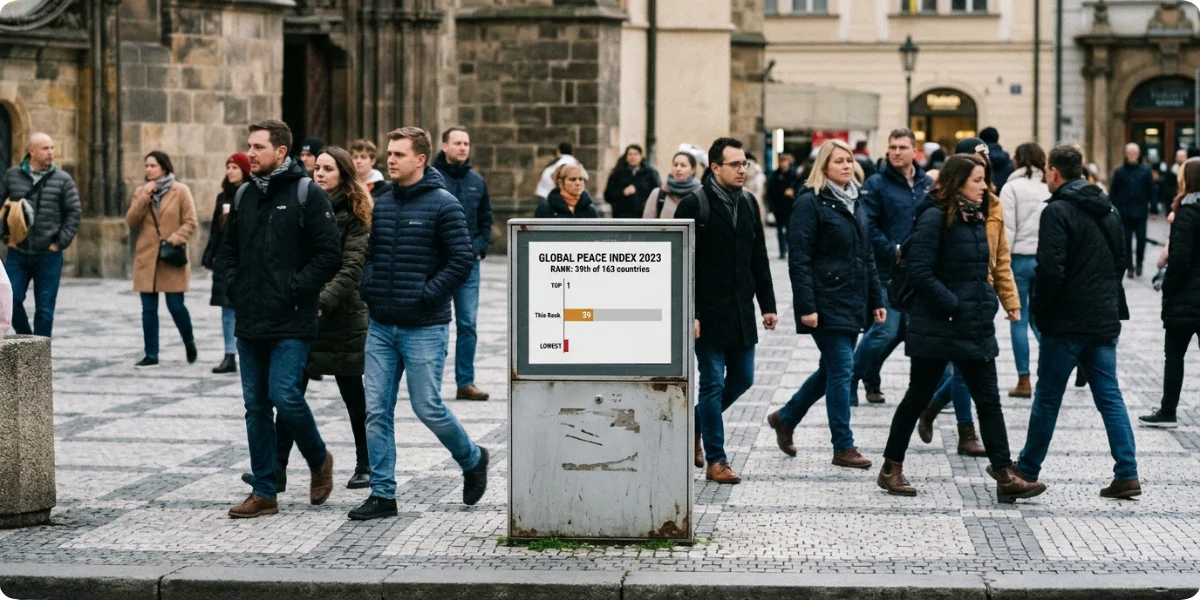
Comparisons depend on the crime type, the location and the measurement period, so a single ranking rarely tells the full story. Compare only cities with reliable, comparable statistics, and avoid sweeping claims that London is safer than New York, Paris or any other popular destination. If you are weighing several trips, our guide to whether Istanbul is safe shows how a different city handles the same questions, and our piece on whether London is worth visiting covers the bigger decision.
On the global stage, the United Kingdom ranked 39th out of 163 countries in the 2026 Global Peace Index from the Institute for Economics and Peace, with a score of 1.730 (lower is more peaceful), down from 30th the year before. Two caveats matter. The index scores whole countries, not cities, and it blends everyday safety with measures such as ongoing conflict and militarization, with the report linking the UK’s slip mainly to the conflict domain rather than street crime. Treat the rank as background context, not a forecast of what will happen on your London trip, and judge your own itinerary and accommodation instead.
Frequently Asked Questions About Safety in London
Is London safe for tourists in 2026?
Yes, London is generally safe for tourists in 2026. Most visitors experience nothing worse than a crowded Tube train, while the realistic risks are pickpocketing, phone snatching and scams around busy attractions. Keep valuables out of sight, use licensed transport, and check live travel and local news updates before heading out.
Is London safe to walk around at night?
In central areas with steady foot traffic, walking at night is usually fine. Stick to well-lit main streets, avoid unfamiliar shortcuts and quiet side roads, and keep your phone away from the curb. If your route looks isolated, switch to a licensed taxi or a bus.
What is the safest area to stay in London?
No area is risk-free, and safety is better judged street by street. Central, well-connected areas such as Westminster, Covent Garden, South Bank and Kensington are popular with visitors for their transport links and evening activity. Check recent reviews, the walk from the nearest station after dark, and hotel security before booking.
Is London safe for solo female travelers?
Many women travel alone in London without problems. Choose well-reviewed accommodation near a station, plan your route before leaving, stay alert on late walks and use licensed taxis or pre-booked minicabs after dark. Share your plans with someone you trust, and move into a busy, staffed place if anything feels wrong.
Is the London Underground safe at night?
The Underground is widely used and generally considered safe in the evening, though crowded trains can attract pickpockets. Keep bags zipped, stay near busier carriages and staffed areas, and check service status before you travel. Not every line runs all night, so have a backup such as a night bus or licensed taxi.
Are pickpockets common in London?
Pickpocketing happens in London, as in any major tourist city, mainly around crowded attractions, markets, stations and packed trains. It is usually opportunistic rather than violent. Carry only what you need, use a zipped bag in front of you, and be cautious if someone bumps into you or creates a distraction.
Which areas of London should tourists avoid?
London has no reliable list of whole neighborhoods tourists must avoid, so check your exact address and route rather than relying on broad labels. Take extra care in crowded tourist streets, stations, nightlife districts after closing time, and isolated or poorly lit streets late at night.
Is London safe for American tourists?
Yes. American visitors face the same risks as anyone, mainly petty theft and scams. Remember that traffic drives on the left, so look both ways, protect your passport and cards, and be wary of strangers offering help with money or bank cards. The UK emergency numbers are 999 and 112.
Is London safe for families with children?
Yes, London is generally a good destination for families. Choose family-friendly accommodation, agree a meeting point at busy attractions, and keep young children close in stations and on crowded streets. Teach older children what to do if separated, and avoid unnecessarily late journeys when everyone is tired.
What should I do if my phone is stolen in London?
Move somewhere safe first and do not chase the thief. Lock or track the phone using your device’s security tools, contact your carrier and bank if needed, then report the theft to the police. Call 101 for a non-emergency report, or 999 if you are in danger. Keep the crime reference number for insurance.
Conclusion: Is London Safe to Visit?
Yes, London is a safe city for most visitors who prepare sensibly. The real risks are mainly theft and scams in crowded places and the occasional poorly planned night out, not widespread danger. Precaution works better than fear: keep valuables secure, use licensed transport, and trust your instincts.
Plan your accommodation, transport and evening activities ahead of time, and check live updates before you set out each day. When you are ready to build the rest of your trip, our complete London travel guide brings together planning, areas and itineraries in one place.
