
Myanmar, also called Burma, is a Southeast Asian country of golden pagodas, riverside temple plains, misty lakes and deeply rooted Buddhist traditions. Travellers have long dreamed about the temples of Bagan, the colonial streets and glittering Shwedagon Pagoda in Yangon, and the floating gardens of Inle Lake. But the country is also living through armed conflict that escalated after the military took power in 2021, and security can change quickly.
That’s why this guide treats culture and safety side by side. Before you plan anything, read your own government’s latest travel advisory, check what your insurer will cover, and treat every attraction below as a place to understand, not a promise that it is open or safe today.
Quick Answer: What About Myanmar as a Travel Destination?
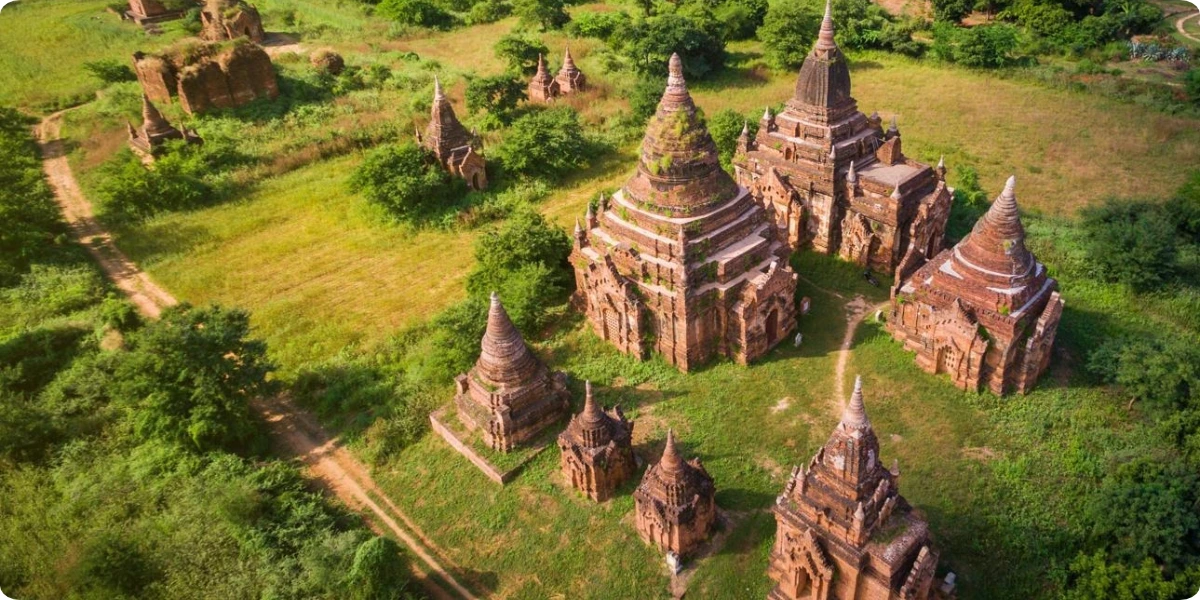
Myanmar offers some of Southeast Asia’s most memorable heritage, from the temple plains of Bagan to Yangon’s Shwedagon Pagoda. But armed conflict and security risks make trip planning far from simple. The United States, Australia and Canada currently advise against travel, and the UK warns against all or all but essential travel to many regions. Check your government’s latest advisory first.
Where Is Myanmar Located?
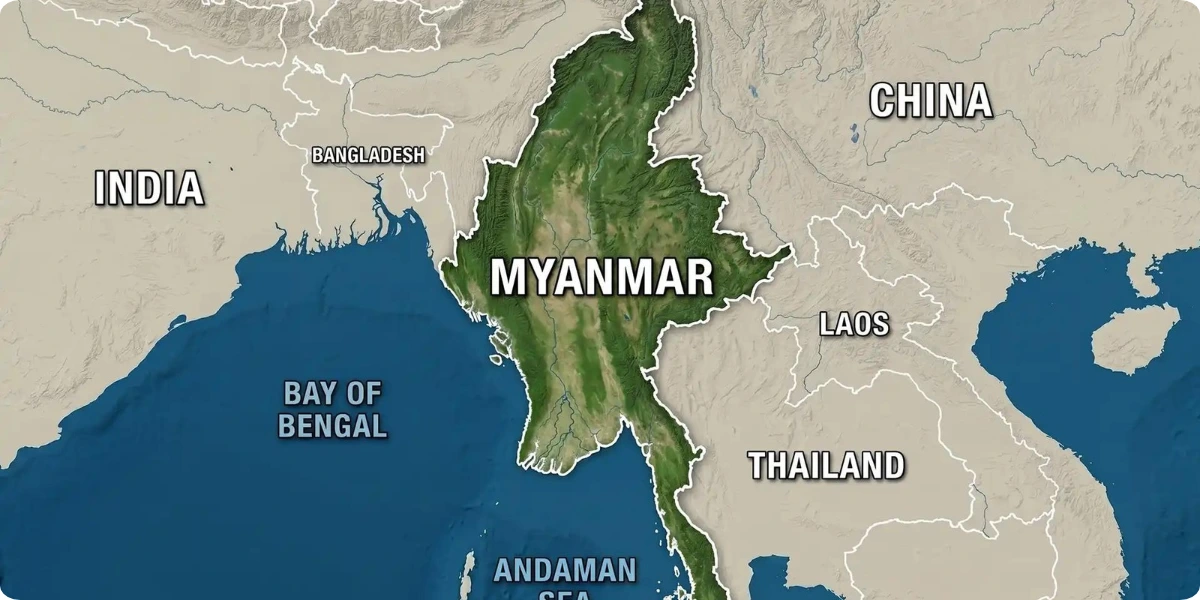
1. Myanmar’s Location in Southeast Asia
Myanmar sits on the western edge of mainland Southeast Asia, facing the Bay of Bengal and the Andaman Sea. It links South Asia with Southeast Asia, covers roughly 677,000 square kilometres and is home to about 55 million people. Nay Pyi Taw is the capital, while Yangon remains the largest city and the usual gateway for visitors.
2. Countries That Share Borders With Myanmar
Five countries share a border with Myanmar: China to the north and north-east, Laos and Thailand to the east, and Bangladesh and India to the west. These frontiers matter for travellers because land crossings are tightly controlled, and several border regions are among the areas governments warn about most strongly.
3. Myanmar’s Geography and Natural Landscape
The Irrawaddy (Ayeyarwady) River runs from north to south through the middle of the country, feeding a hot central dry zone around Bagan and Mandalay and a wide, humid delta near the sea. The Shan Plateau rises in the east, snow-capped Himalayan foothills lie in the far north, and the coastline stretches for roughly 1,900 kilometres.
4. What Is Myanmar Known For?
Myanmar is known for Buddhist temples, gilded stupas, traditional dress such as the longyi, thanaka paste worn on the face, tea-leaf salad and a mix of dozens of ethnic communities. You will see both names in print: “Burma” is still used by some governments, while “Myanmar” is the name used by the authorities since 1989.
Image suggestion: a labelled map of Myanmar showing China, India, Bangladesh, Laos and Thailand. Alt text: “Map of Myanmar and its five neighbouring countries.”
Why Is Myanmar Famous?
1. Ancient Buddhist Temples and Pagodas
Bagan’s plain holds more than 2,000 surviving temples and pagodas built mostly between the 11th and 13th centuries, and the site was added to the UNESCO World Heritage List in 2019. Yangon’s Shwedagon Pagoda is the country’s best-known religious landmark.
2. Traditional Culture and Religious Heritage
Theravada Buddhism shapes daily life, from monks collecting alms at dawn to village festivals around the lunar calendar. The 2014 census recorded roughly 88 percent of the population as Buddhist, with Christian, Muslim and Hindu communities alongside them.
3. Beautiful Lakes, Mountains, and Beaches
Inle Lake in the Shan highlands is famous for fishermen who row with one leg, while the Irrawaddy offers river scenery from Mandalay downstream. On the Bay of Bengal, beaches such as Ngapali and Ngwe Saung have long been the country’s seaside draw.
4. Traditional Markets and Local Cuisine
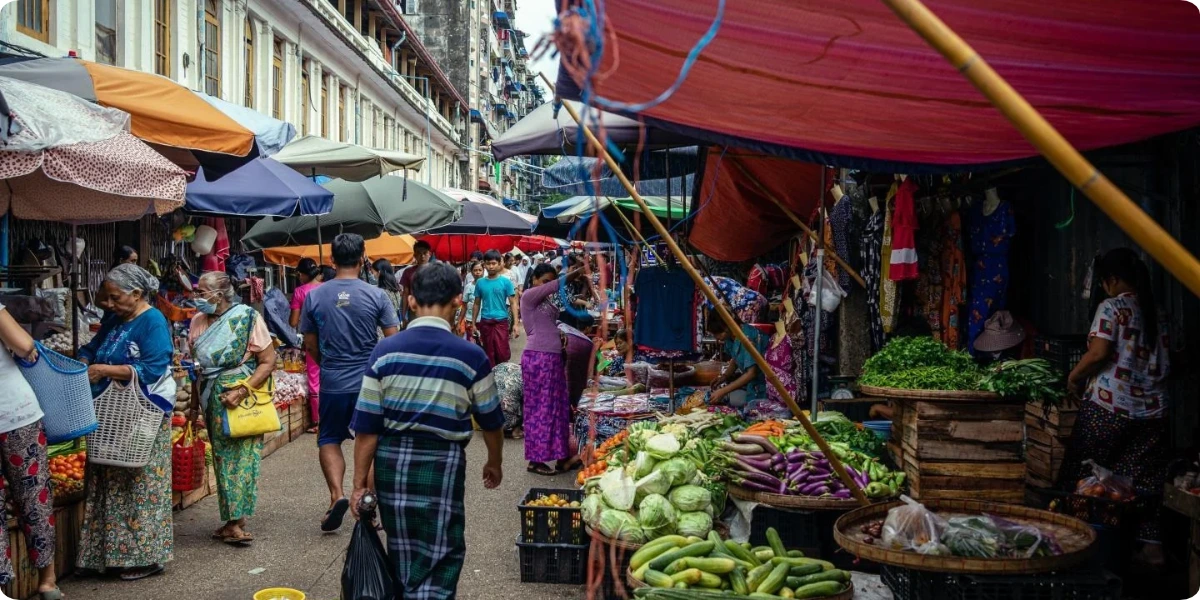
Markets in Yangon and Mandalay sell everything from fresh herbs and fermented tea leaves to lacquerware and handwoven textiles. Burmese food blends Indian, Chinese and Thai influences into dishes that are tangy, savoury and rarely very sweet.
What Are the Most Famous Places in Myanmar?
The places below are the ones travel writers have always highlighted. Being listed here does not mean a destination is currently safe, open or reachable, and some sit inside regions that governments have named in their advisories.
1. Bagan
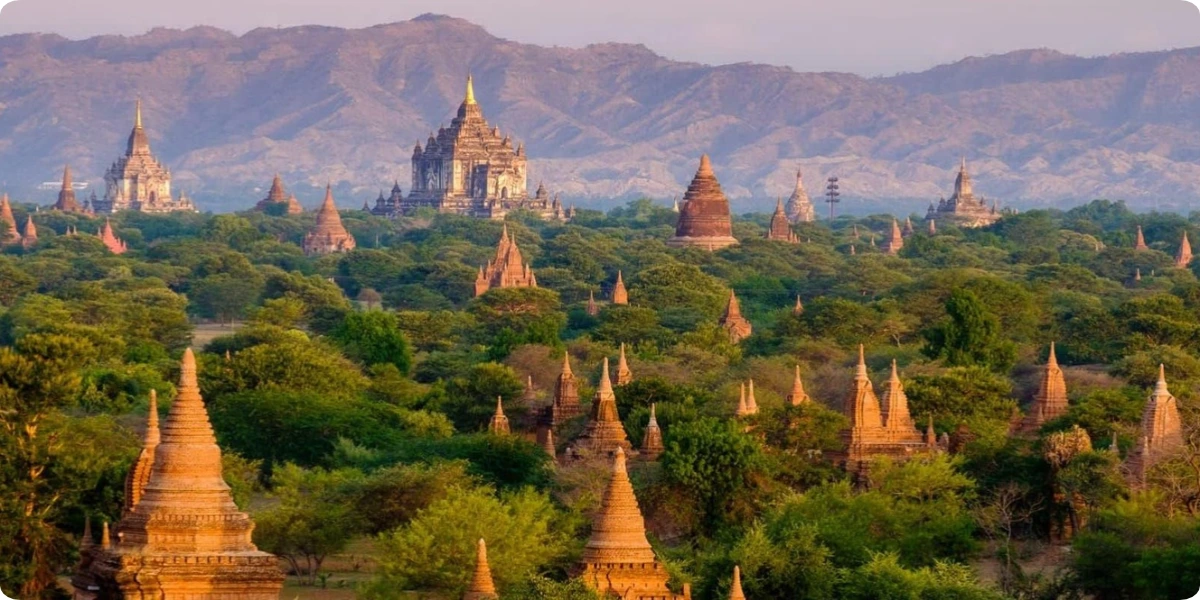
Famous for its remarkable landscape of ancient Buddhist temples and pagodas spread across a dry plain. Bagan lies in the Mandalay Region, which has previously appeared on the UK’s “all but essential travel” list, so confirm its current status before anything else.
2. Yangon
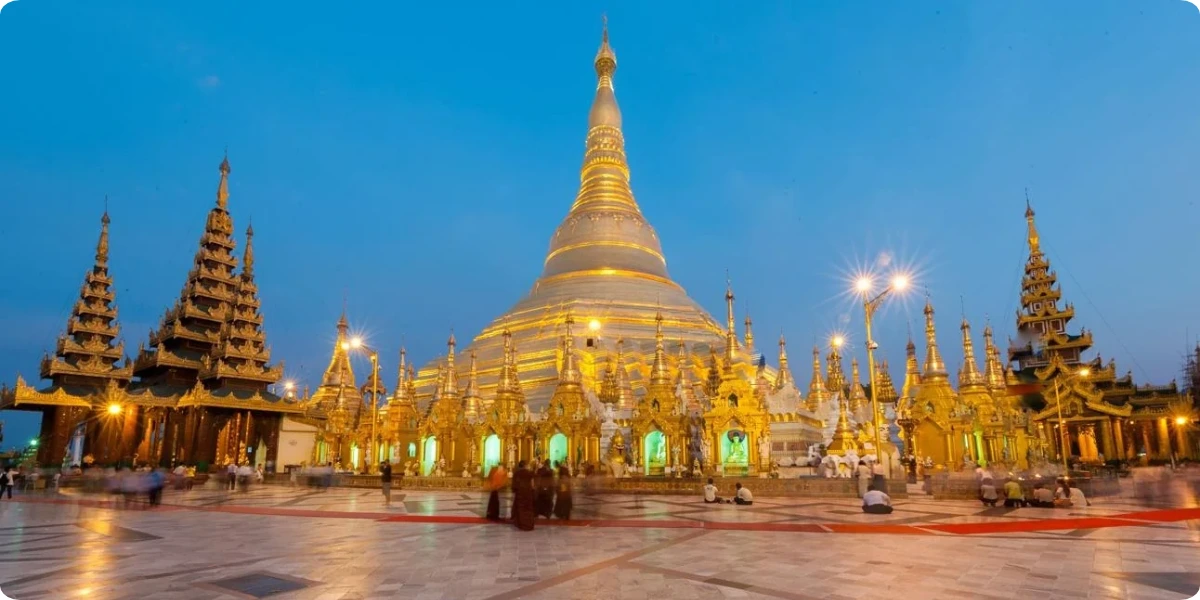
Known for the Shwedagon Pagoda, colonial-era architecture and busy traditional markets. It is the main arrival point, though Australia’s advice notes that explosions and security incidents have occurred in the city.
3. Inle Lake
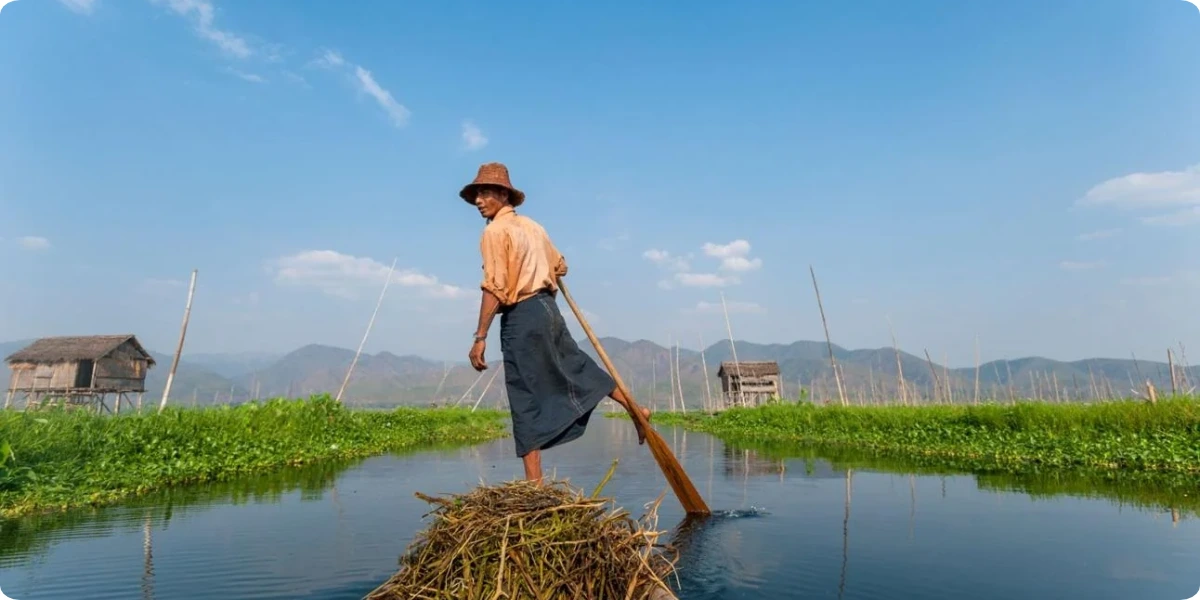
Recognised for floating gardens, traditional leg-rowing fishermen and stilted lakeside communities. The lake lies in Shan State, a region that has appeared in UK advice because of conflict, so access can change at short notice.
4. Mandalay
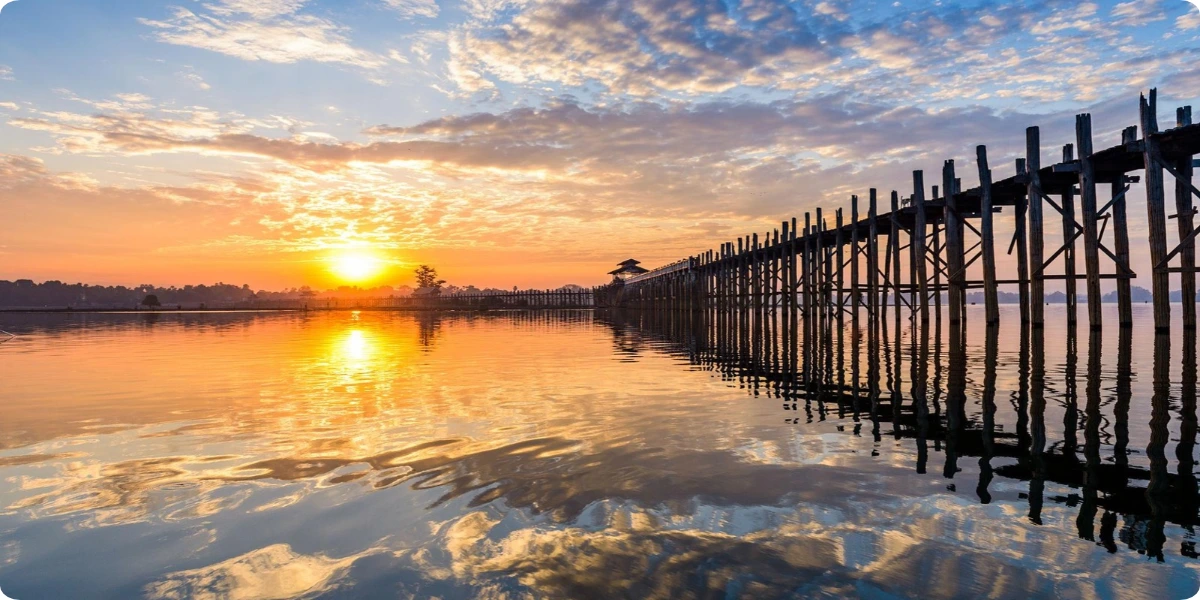
A historic cultural centre with royal heritage, monasteries and traditional crafts such as gold-leaf beating. The 2025 earthquake struck near the city, and conditions there should be checked closely.
5. Ngapali Beach
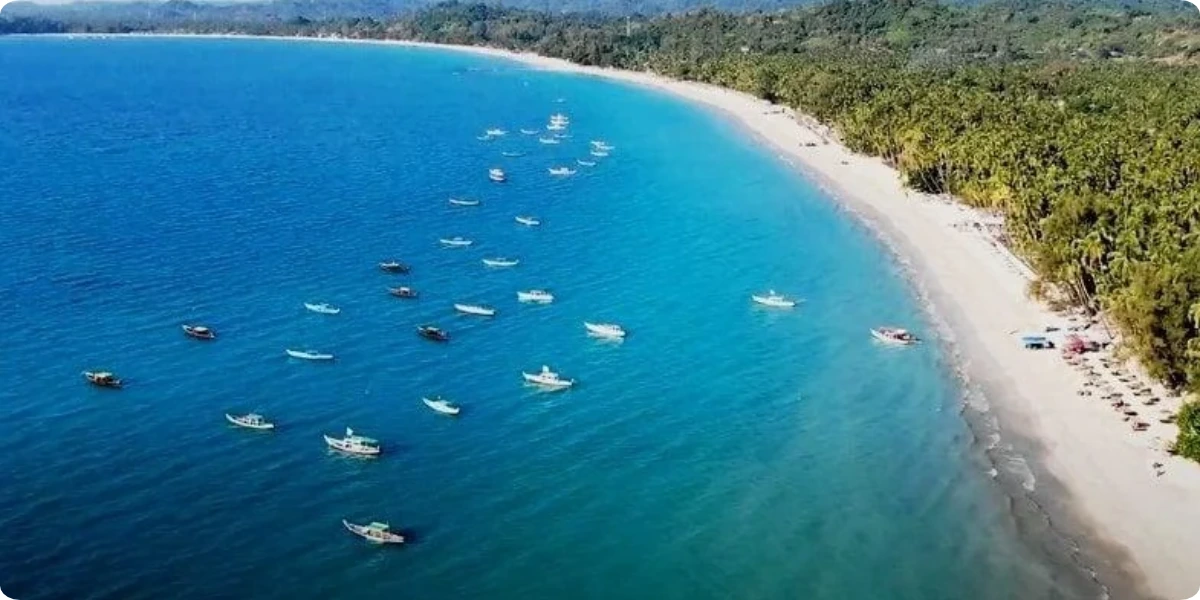
Known for its tropical coastline and soft sand. Ngapali lies in Rakhine State, which the UK has advised against visiting entirely in recent versions of its guidance.
What Is Myanmar’s Culture Like?
1. Religion and Buddhist Traditions
Temples and monasteries are woven into everyday life. Visitors remove shoes and socks before entering religious sites, cover shoulders and knees, and never point their feet at Buddha images. Disrespectful treatment of religious imagery can lead to prosecution.
2. Traditional Clothing and Local Customs
Men and women commonly wear the longyi, a wrapped cloth skirt, and many people apply thanaka, a cooling paste made from ground bark. Greeting elders respectfully and using the right hand when giving or receiving items are small gestures that are noticed.
3. Festivals and Cultural Celebrations
Thingyan, the water festival, marks the new year in April. The Festival of Lights, Thadingyut, falls around October, and Tazaungdaing follows in November with lantern and robe-weaving traditions. Large gatherings can be restricted for security reasons, so do not assume they are open to visitors.
4. Food and Traditional Myanmar Dishes
Rice with several shared side dishes is the everyday meal, with soups, salads and curries on the table at once. Tea shops serve as social hubs, offering sweet milky tea and snacks from early morning.
5. Hospitality and Everyday Life
Many travellers describe Burmese hospitality as warm and unforced. That kindness exists alongside hardship: electricity, fuel and banking disruptions affect ordinary people, and visitors should be sensitive about politics and avoid photographing military or police.
What Is the Best Time to Visit Myanmar?
Weather matters, but it is only one piece of the puzzle. A comfortable climate does not make travel safe, so treat the table below as a seasonal guide and not an endorsement.
| Season | Typical months | General weather | Planning note |
|---|---|---|---|
| Cool season | November to February | Dry, sunny, mild mornings and evenings | Most popular for sightseeing, so heritage sites are busiest |
| Hot season | March to May | Very hot, especially in the central dry zone | Heat can exceed 40°C around Bagan and Mandalay |
| Rainy season | June to October | Heavy monsoon showers and humidity | Roads and flights can be disrupted; lush landscapes |
1. Visiting Myanmar During the Cool Season
November to February is generally the most comfortable time, with clear skies and manageable temperatures. If you are weighing dry-season options across the world, our guide to the best places to visit in February shows easier alternatives.
2. Myanmar’s Hot Season
From March to May the central plains become extremely hot. Sightseeing is usually limited to early mornings and late afternoons, and power cuts are reported to make the heat harder to manage.
3. Rainy Season and Monsoon Weather
The monsoon brings frequent downpours, muddy roads and higher humidity. Coastal areas can see the heaviest rain, and travel by road or domestic flight may be delayed.
4. Regional Climate Differences
The Shan highlands around Inle Lake stay cooler, especially at night. The delta and Yangon are humid and wet in the monsoon, while the central dry zone receives far less rain but much more heat.
Is Myanmar Safe to Visit in 2026?
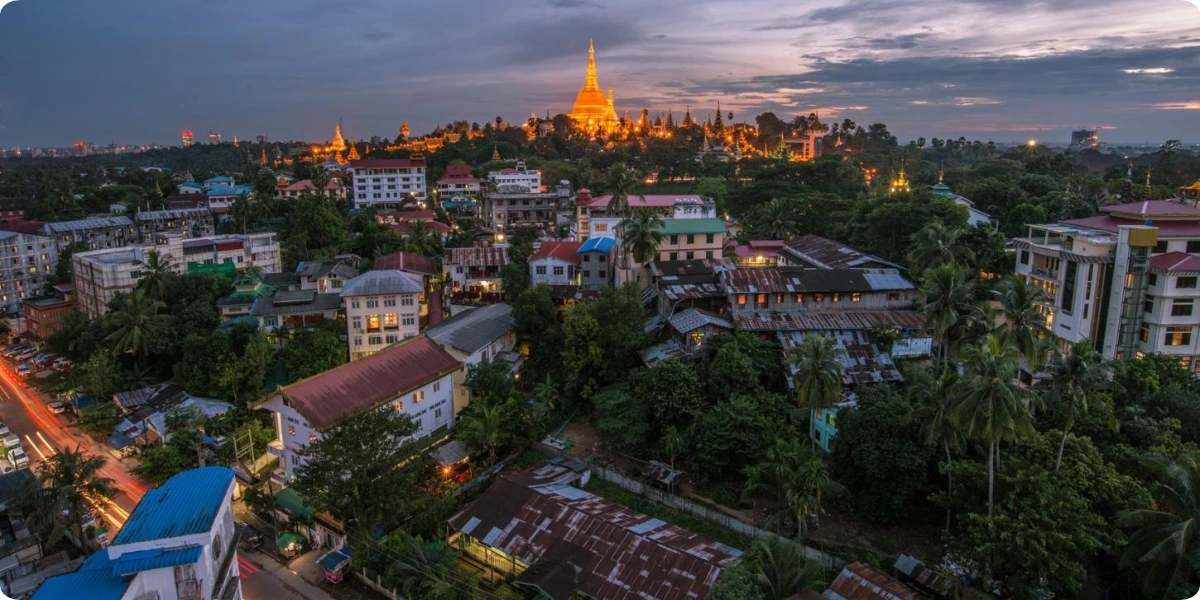
This is the most important section of the guide, and it is deliberately blunt. As of 8 November 2026, Myanmar should not be described casually as a safe holiday destination.
1. Understanding Myanmar’s Current Political Situation
According to Australia’s Smartraveller, the military assumed control and declared a state of emergency on 1 February 2021, followed by a significant increase in violence, deaths, injuries and arrests. Authorities have since held elections and lifted some restrictions, including a Yangon-wide curfew, but the UK notes that the conflict remains increasingly volatile.
2. Armed Conflict and Security Concerns
Active fighting involves armed groups and security forces in several parts of the country. Smartraveller reports explosions and other security incidents in Yangon as well, and says checkpoints and heavy security are common. Other risks governments cite include landmines, unexploded ordnance, arbitrary detention, strained hospitals and trafficking of foreigners into forced work in scam operations.
3. Which Areas Have Travel Restrictions?
Regional lists change often. Recent versions of the UK advice have named Chin, Kachin, Kayah, Kayin, Mon and Rakhine states and the Sagaing and Magway regions under “against all travel,” with other areas, including parts of Shan State and the Mandalay Region, under “all but essential travel.” Authorities can also impose movement restrictions without notice, and Canada notes that its embassy officials need permission to travel freely outside Yangon.
4. What International Governments Advise
- United Kingdom: The FCDO advises against all travel to some regions and against all but essential travel to others, and warns that travel insurance may be invalidated if you ignore its advice.
- Australia: Smartraveller’s level is “Do not travel,” citing the dangerous security situation, civil unrest and armed conflict.
- Canada: The Government of Canada says to avoid all travel, last updated on 15 October 2026, because of politically motivated violence, terrorism, kidnapping and arbitrary detention.
- United States: The State Department lists Burma at Level 4: Do Not Travel, with its advisory dated 8 May 2026.
5. Can Tourists Travel to Yangon?
Foreigners can enter through Yangon with the right visa, and daily life continues in much of the city. But that is not the same as safe. Australia warns that Yangon’s situation may become unstable at short notice, and Canada’s advice warns of random and arbitrary detentions. Consider your insurance and evacuation options before you even look at flights.
6. Why Travel Insurance and Emergency Assistance Matter
Many standard policies exclude destinations covered by a “do not travel” advisory, so confirm in writing what your insurer will cover, including medical evacuation. Embassy help can be limited, and the UK government says it cannot pay medical expenses overseas. For wider preparation, browse our travel planning guides and register your trip with your government’s traveller service.
What Should Travelers Know Before Visiting Myanmar?
1. Myanmar Visa and Entry Requirements
Most visitors need a visa, and the official e-visa is applied for through the Ministry of Immigration portal. Third-party sources commonly report a 28-day, single-entry tourist e-visa at about US$50 with restricted entry airports, but fees and rules change, so rely on the official site and your embassy.
2. Local Currency and Payment Methods
The currency is the kyat (MMK). Reports describe a large gap between the official and street exchange rates, patchy card acceptance and unreliable ATMs, so cash planning matters. Our currency converter calculator can help you check conversions, but always verify the rate you are actually offered locally.
3. Language and Communication
Burmese is the official language, and communities such as the Shan, Kachin and Karen speak their own languages. English is common in the tourism sector but less so elsewhere, so learn a few greetings such as “mingalaba.”
4. Transportation and Domestic Flights
Domestic flights link Yangon, Mandalay and Bagan, but schedules are reported to change due to fuel shortages and security concerns. Canada also warns that public transport, including rail, often falls short of international safety standards. Overland movement can be restricted at checkpoints.
5. Internet Access and Mobile Connectivity
Internet shutdowns, slow speeds and limits on some platforms have been reported. Rules around VPN use have tightened, so check your government’s advice before relying on one. Keep offline maps and emergency contacts saved.
6. Local Laws and Cultural Etiquette
Governments warn that local laws can be enforced arbitrarily. Drones require permits, dual nationality is not recognised, sexual acts between people of the same sex are illegal, and public displays of affection are frowned upon. Avoid demonstrations, military sites and political conversations.
What Is Myanmar’s Food Like?
1. Mohinga – Traditional Fish Noodle Soup
Often called the national dish, mohinga is a rice-noodle soup in a catfish-and-lemongrass broth, topped with fried fritters and boiled egg. It is a common breakfast, served from street stalls and tea houses.
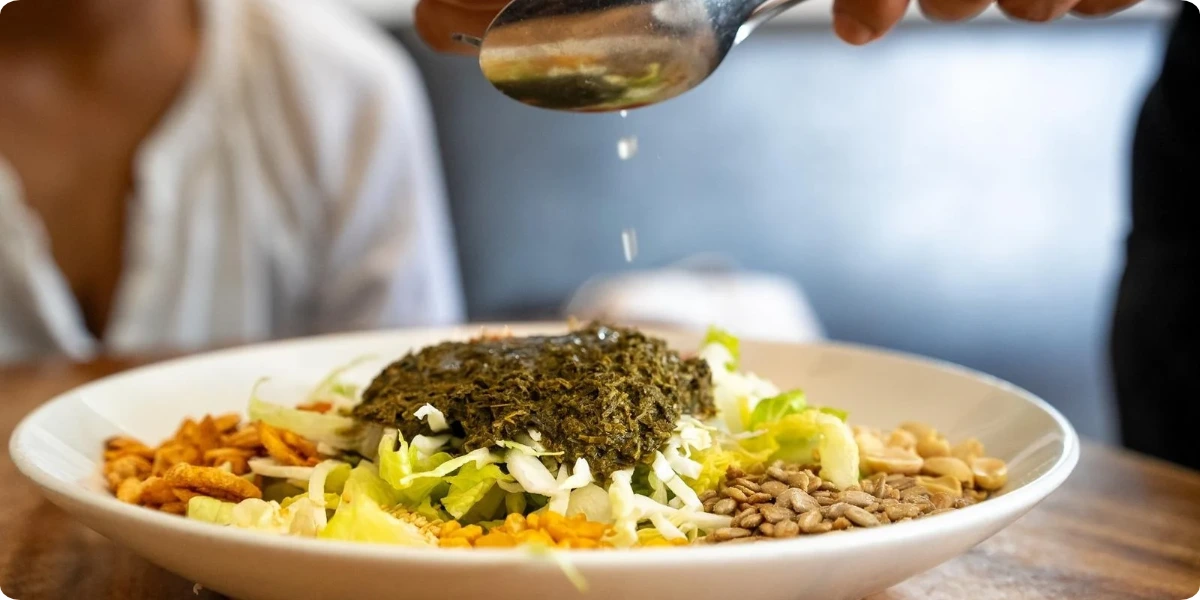
2. Burmese Tea Leaf Salad (Lahpet Thoke)
Fermented tea leaves are tossed with crunchy beans, peanuts, sesame, garlic and tomato for a salad that is salty, sour and slightly bitter. It is traditionally shared after meals.
3. Shan Noodles
Shan khauk swe pairs rice noodles with a light broth or a dry, seasoned topping, usually with pickled mustard greens and chicken or pork. It comes from Shan State and is eaten across the country.
4. Traditional Curries and Rice Dishes
A typical meal centres on rice with a curry of fish, chicken or pork cooked in a lot of oil, along with a soup, vegetables, dips and side dishes. The spice is generally milder than in Thai cooking.
5. Myanmar Street Food Culture
Tea shops and street vendors serve samosa salads, fried snacks, grilled skewers and sweet treats. If you eat out in any destination, choose busy stalls with high turnover and avoid raw or unpeeled food that has been sitting out.
How Much Does a Trip to Myanmar Cost?
We are deliberately not publishing price estimates. Costs in Myanmar have been shaped by inflation, exchange-rate gaps and supply disruptions, and we could not find recent, verifiable figures that we trust. Use the factors below to research current prices directly.
1. Accommodation Costs
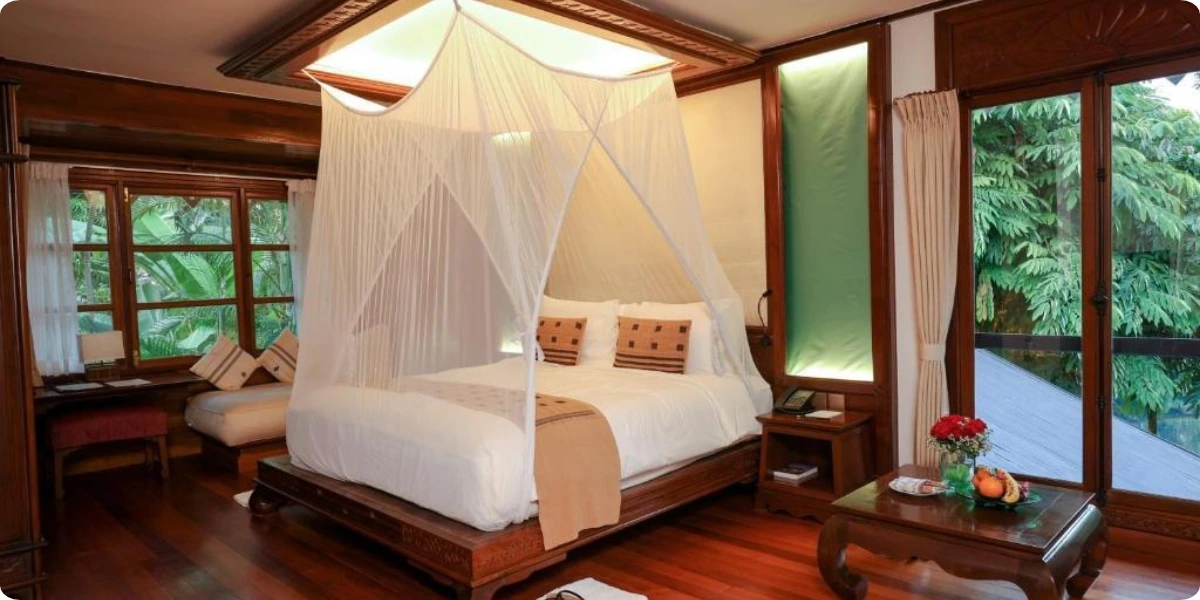
Hotel availability and rates depend on location, season and whether a property is still operating. Confirm directly with the hotel, ask about electricity back-up, and check cancellation terms before paying.
2. Food and Restaurant Expenses
Local tea shops and street stalls are typically far cheaper than tourist restaurants, but prices vary by city and currency conditions. Treat any published “average meal” figure as dated unless it shows a recent date.
3. Transportation Costs
Flight and transfer costs fluctuate with fuel supply and airline schedules. Ask for written quotes and expect changes at short notice.
4. Sightseeing and Activity Expenses
Some heritage areas charge entrance or zone fees, and some tour activities may be suspended. Confirm what is open and who benefits from the money you spend.
5. Daily Travel Budget Considerations
Build in a buffer for emergency flights, evacuation insurance and cash access problems. Our trip cost calculator offers a way to structure a budget, and the checklist in our guide to planning an international trip on a budget helps you stress-test it.
Is Myanmar Worth Visiting?
1. What Makes Myanmar Different From Other Asian Destinations?
Much of Myanmar’s heritage has stayed uncrowded and less commercialised than in neighbouring countries, with living Buddhist culture at the centre. Before the pandemic, 4.36 million foreign visitors arrived in 2019, which shows how strong the demand once was.
2. Cultural and Historical Attractions
Bagan’s temple plain, the Shwedagon Pagoda, royal capitals around Mandalay and monastery life offer a depth of heritage that few countries match.
3. Natural Beauty and Landscapes
The Irrawaddy, the Shan highlands, Inle Lake and the coast give Myanmar a varied landscape, though many natural areas are far from the usual tourist routes.
4. Current Challenges for International Tourism
Tourism has not recovered. Reporting by SEAsia puts 2025 international arrivals at 973,263, down from about 1.06 million in 2024 and far below 2019. Some reports note that a large share of arrivals crossed land borders, so these numbers do not equal leisure tourists.
5. Who Should Consider Myanmar for a Future Trip?
Myanmar is best viewed as a place for a future trip, when official advisories ease. Right now, only travellers who fully understand the risks, hold suitable insurance and have a strong reason to be there should even consider it, and many will decide to wait.
The appeal and the risk are separate questions. A destination can be extraordinary and still be unsuitable for a holiday today.
Myanmar vs Other Southeast Asian Destinations
1. Myanmar vs Thailand
Thailand has a far deeper tourism network, frequent transport and abundant accommodation. Myanmar offers quieter heritage but little infrastructure and an advisory picture that is much more serious. Check the latest advice for any border areas too.
2. Myanmar vs Cambodia
Cambodia’s Angkor temples fill the same “ancient temple” niche as Bagan, with an established visitor system. Advisories for Cambodia have included regional cautions near the Thai border, so confirm current guidance before you go.
3. Myanmar vs Vietnam
Vietnam combines heritage towns, food and landscapes with relatively straightforward logistics. Our Hoi An travel guide shows how a well-established cultural town works in practice.
4. Which Destination Is More Practical for International Travellers?
For most people, Thailand, Cambodia and Vietnam are far more practical because transport, payments, insurance and emergency help are easier to arrange. If you want to branch out, our guides to the places to visit in Singapore, things to do in Malaysia and things to do in Indonesia are good starting points.
Frequently Asked Questions About Myanmar
What is Myanmar famous for?
Myanmar is famous for Buddhist temples and pagodas, especially Bagan’s ancient temple plain and Yangon’s Shwedagon Pagoda. It is also known for Inle Lake, traditional crafts, tea-leaf salad, mohinga and a diverse mix of ethnic cultures. Its fame rests on heritage, not on current ease of travel.
Is Myanmar and Burma the same country?
Yes. Myanmar and Burma are two names for the same country. The ruling authorities adopted “Myanmar” in English in 1989, and some governments and groups still prefer “Burma.” The United States uses Burma, while the UK uses “Myanmar (Burma)” in its travel advice.
Why do tourists visit Myanmar?
Visitors have traditionally come for Bagan’s thousands of temples, Yangon’s Buddhist heritage, Inle Lake’s floating villages and welcoming local culture. Many were also drawn by the sense of seeing a country with fewer crowds than its neighbours. That appeal is now weighed against serious security warnings.
What language do people speak in Myanmar?
Burmese is the official and most widely spoken language. Shan, Kachin, Karen, Rakhine and many other ethnic languages are spoken in their home regions. English is used in some tourism businesses, but travellers should not expect it everywhere. Learning basic Burmese greetings is appreciated.
What currency is used in Myanmar?
The Myanmar kyat (MMK) is the national currency. Travellers have reported wide differences between official and street exchange rates, limited card use and unreliable ATMs. Check current exchange rules before you travel, and keep reliable access to cash and funds for emergencies.
Is Myanmar expensive for tourists?
Historically, Myanmar was considered affordable, but we cannot verify current prices. Inflation, exchange-rate gaps and supply problems make older budgets unreliable. Expect extra costs for travel insurance, emergency evacuation cover and flexible bookings, which should be priced into any trip before you commit.
Can foreigners visit Myanmar?
Foreigners can obtain visas and enter, but governments warn strongly against it. Visitors need a valid visa, a passport with sufficient validity and suitable insurance. Access to some regions is restricted, and conditions can change without notice, so always check official advisories first.
What is the most beautiful place in Myanmar?
Beauty is subjective, but Bagan’s temple plain at sunrise and Inle Lake’s misty waters are the places most often named. Many of Myanmar’s loveliest areas lie in regions with active travel warnings, so beauty and accessibility must be judged separately.
What food is Myanmar famous for?
Mohinga, a fish-based noodle soup, is considered the national dish. Lahpet thoke (tea-leaf salad), Shan noodles, rice with curries and tea-shop snacks are also famous. Burmese food blends Indian, Chinese and Southeast Asian influences into tangy, savoury, balanced flavours.
Is Myanmar currently recommended for international tourists?
No. As of 8 November 2026, Australia advises “Do not travel,” Canada says avoid all travel, the United States lists Level 4: Do Not Travel, and the UK advises against all or all but essential travel to different regions. Check your government’s latest advice before any decision.
Final Thoughts on Myanmar
Myanmar’s cultural and historical importance is hard to overstate. Bagan’s temple plain, the Shwedagon Pagoda in Yangon, the lakes of the Shan highlands and living Buddhist traditions make it one of the most distinctive places in Asia, and the people who live there deserve more than headlines.
But that cultural pull has to be weighed against reality. Government advisories remain among the strongest issued anywhere, insurance may not cover you, and conditions can change within days. Outdated travel articles that treat Myanmar as an easy backpacker route can put readers at real risk.
If Myanmar is on your long-term list, keep it there. Follow official advisories, learn about the country through its food, history and culture, and revisit the question when the situation has genuinely improved. Informed decisions, not old guidebook enthusiasm, are what protect travellers.
Arman Ashraf is a content writer focused on travel and tourism. He creates practical, well-researched travel guides, destination articles, and travel tips designed to help readers plan trips with greater confidence. His work combines clear, engaging writing with SEO best practices, covering destinations, things to do, travel planning, and useful advice for travelers. Arman is committed to producing helpful content that makes discovering and planning travel easier.