
Planning a first trip to Istanbul usually means piecing together advice from a dozen places, and much of it is out of date or contradicts itself. This guide pulls the essential Istanbul tourist information into one place so you can plan with confidence.
Istanbul is a Turkish city of roughly 16 million people that spans Europe and Asia across the Bosphorus Strait. Visitors arrive through Istanbul Airport or Sabiha Gökçen, get around on the metro, tram, ferry, and Istanbulkart, pay in Turkish lira (TRY), and spend most of their time in historic districts such as Sultanahmet, Beyoğlu, and Kadıköy. The emergency number is 112.
Below you will find how to get around, where to stay, what to see, how money works, how to dress at mosques, and how to stay safe. If you are still deciding whether the trip is right for you, start with our guide on whether Istanbul is worth visiting, then come back here for the practical details.
Istanbul Tourist Information at a Glance
| Information | Details |
|---|---|
| Country | Türkiye |
| City | Istanbul |
| Continents | Europe and Asia |
| Currency | Turkish Lira (TRY) |
| Language | Turkish |
| Time Zone | TRT (UTC+3) |
| Main Airports | Istanbul Airport (IST), Sabiha Gökçen (SAW) |
| Main Transport | Metro, tram, ferry, bus, Marmaray |
| Emergency Number | 112 |
| Best Known Areas | Sultanahmet, Beyoğlu, Kadıköy, Beşiktaş |
| Major Attractions | Hagia Sophia, Blue Mosque, Topkapı Palace, Grand Bazaar |
Where Is Istanbul?
1. Istanbul’s Location
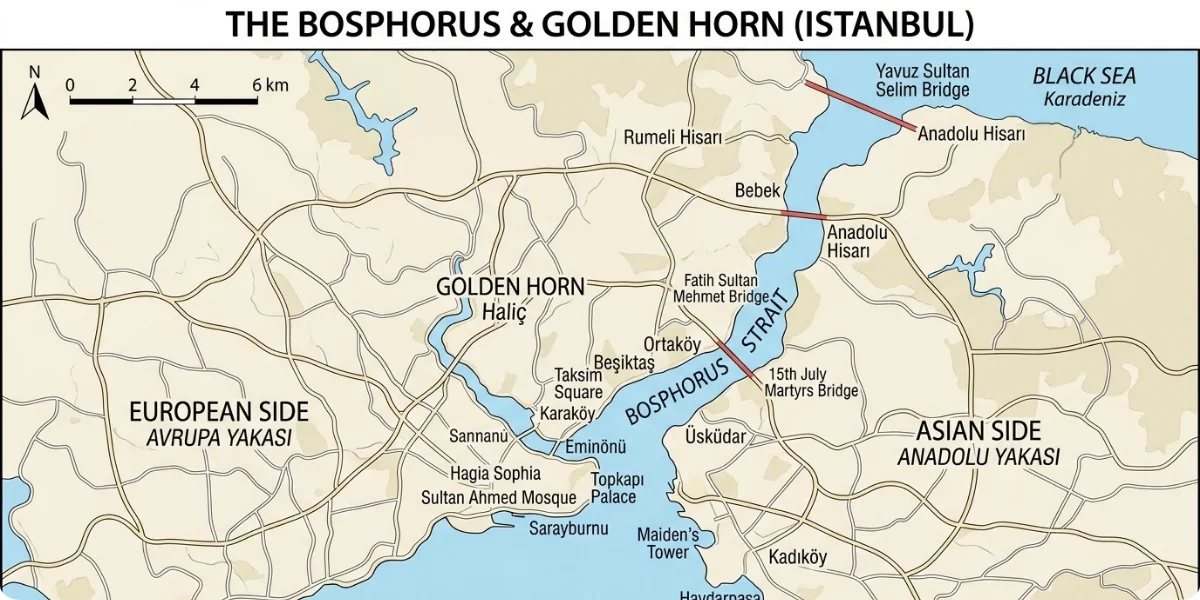
Istanbul sits in northwestern Türkiye, on both sides of the Bosphorus Strait, the narrow waterway that connects the Black Sea to the Sea of Marmara. That position is why the city is described as the meeting point of Europe and Asia: the strait literally divides the two continents, and ferries, bridges, a tunnel, and the Marmaray rail link connect them. A smaller inlet, the Golden Horn, cuts into the European side and separates the old historic peninsula from the districts to the north.
2. European Side vs. Asian Side
The European side holds most of the headline sights. The historic peninsula (Sultanahmet, Eminönü and the bazaars) lies south of the Golden Horn, while Beyoğlu, Karaköy, Taksim and Beşiktaş sit to the north. This is where most hotels, museums and restaurants aimed at visitors are concentrated.
The Asian side is more residential and local in feel. Kadıköy is its liveliest district, known for food markets, cafés and independent shops, while Üsküdar and Moda offer waterfront walks and a slower pace.
For first-time visitors, the European side is the more convenient base because the major attractions are close together and well connected by tram and metro. The Asian side works well as a day trip or as a second-half-of-the-trip experience once you know the city.
How to Get to Istanbul
1. Istanbul Airports
Istanbul has two main airports. Istanbul Airport (IST) is the large international hub on the European side, roughly 40 km northwest of the city centre, and most intercontinental and full-service flights land here. Sabiha Gökçen Airport (SAW) is on the Asian side and is popular with low-cost carriers.
The practical difference is location and travel time. IST is closer to the European side and the historic areas, though still a significant journey. SAW is the better choice if you are staying in Kadıköy or elsewhere on the Asian side. When comparing fares, factor in the transfer time and cost, not just the ticket price.
2. Getting From the Airport to Central Istanbul
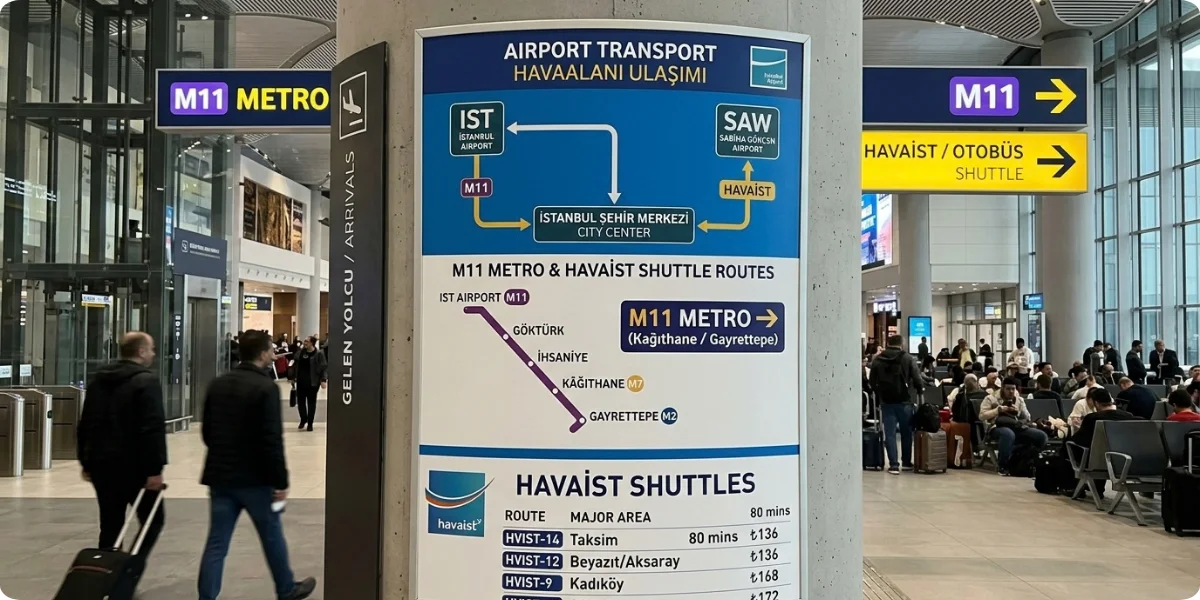
From Istanbul Airport, the M11 metro runs to Gayrettepe, where you change to the M2 line toward Taksim and the Golden Horn area. It is usually the cheapest route and avoids road traffic, but it involves transfers, so it suits travellers with light luggage. You will need an Istanbulkart.
Havaist airport buses are run by the city and head directly to major hubs such as Taksim, Beşiktaş and Sultanahmet. They are comfortable, have luggage space and suit travellers with larger bags, though journey time depends heavily on traffic, and fares change often, so confirm the current price and payment method at the airport.
Taxis and private transfers are the most convenient option for late arrivals, groups or families. Use the official taxi rank, insist on the meter, or pre-book a fixed-price transfer so the cost is agreed in advance.
From Sabiha Gökçen, the M4 metro connects to Kadıköy on the Asian side, with Havaist buses and taxis also available.
3. Arriving by Bus, Train, or Ferry
Long-distance intercity buses are a popular way to reach Istanbul from elsewhere in Türkiye and arrive at large bus terminals that connect to the metro. Rail and ferry links make sense mainly for travellers already in Türkiye or the Marmara region. For most international visitors flying in, these options matter only for onward travel after Istanbul.
Getting Around Istanbul
1. Istanbul Public Transportation
Istanbul’s public transport is extensive and affordable, and learning a few lines makes the city feel much smaller.
The tram (T1) is the most useful line for visitors, running through Sultanahmet, Eminönü, Karaköy and Kabataş. The metro covers newer districts such as Şişhane, Taksim, Levent and the airport routes. Marmaray is the undersea rail line that crosses the Bosphorus between the European and Asian sides in minutes. Buses reach almost everywhere but can be slow in traffic.
Ferries deserve special mention. Crossing between Eminönü, Karaköy, Kadıköy and Üsküdar costs little and doubles as a scenic Bosphorus ride, which is why many locals and visitors treat the ferry as sightseeing as well as transport. Funiculars, including the short link between Kabataş and Taksim and the historic Tünel at Karaköy, help with the steep hills.
2. Istanbulkart
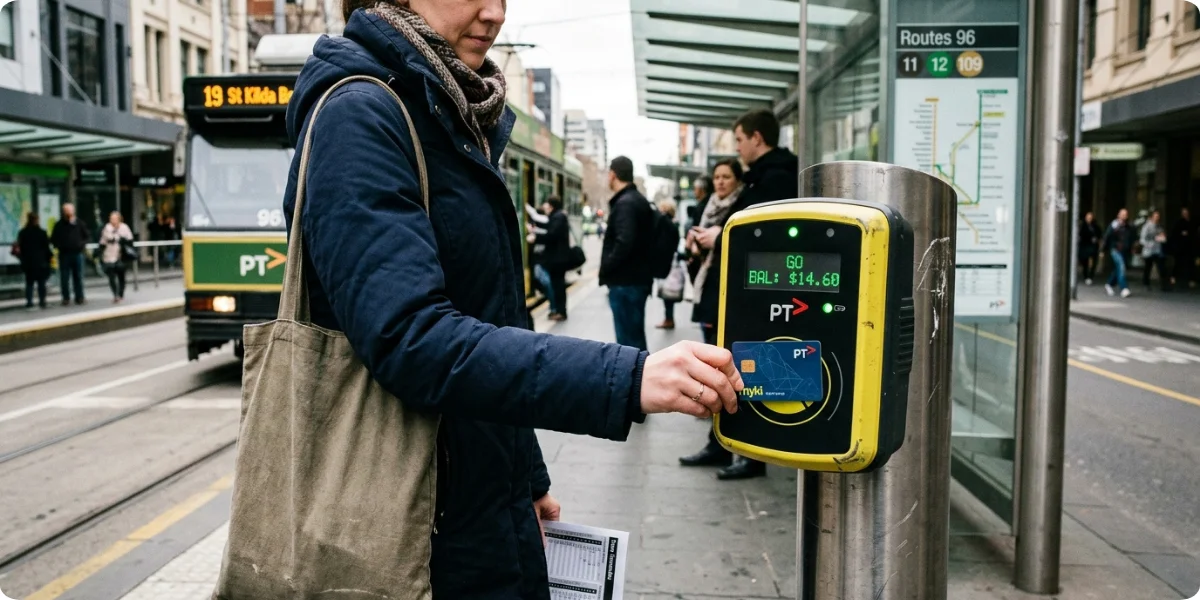
The Istanbulkart is a rechargeable contactless card that works on metro, tram, Marmaray, buses, ferries and funiculars, usually at a lower fare than single tickets. Visitors can buy one from vending machines at the airport and major stations, load a balance, and tap in. It is worth getting on day one if you plan to use public transport more than a couple of times. Check whether the card has a minimum purchase or deposit when you buy it, since terms can change.
3. Taxis and Ride-Hailing
Taxis are plentiful and generally affordable, but they are where most visitor complaints arise. Make sure the meter is running from the start, and have your destination written in Turkish or shown on a map. Ride-hailing apps such as BiTaksi are widely used and show the fare or route upfront, which removes much of the haggling. Taxi drivers in tourist hotspots sometimes refuse short fares or quote a flat price, so if that happens, walk to the next one.
4. Walking in Istanbul
Central areas such as Sultanahmet, Galata, Karaköy and parts of Beyoğlu are best explored on foot. The city is hilly, with steep and sometimes uneven cobblestone streets, so wear comfortable, grippy shoes. Plan a mix of walking and tram or funicular rides rather than trying to cover everything on foot, especially in summer heat.
Where Should Tourists Stay in Istanbul?
1. Sultanahmet
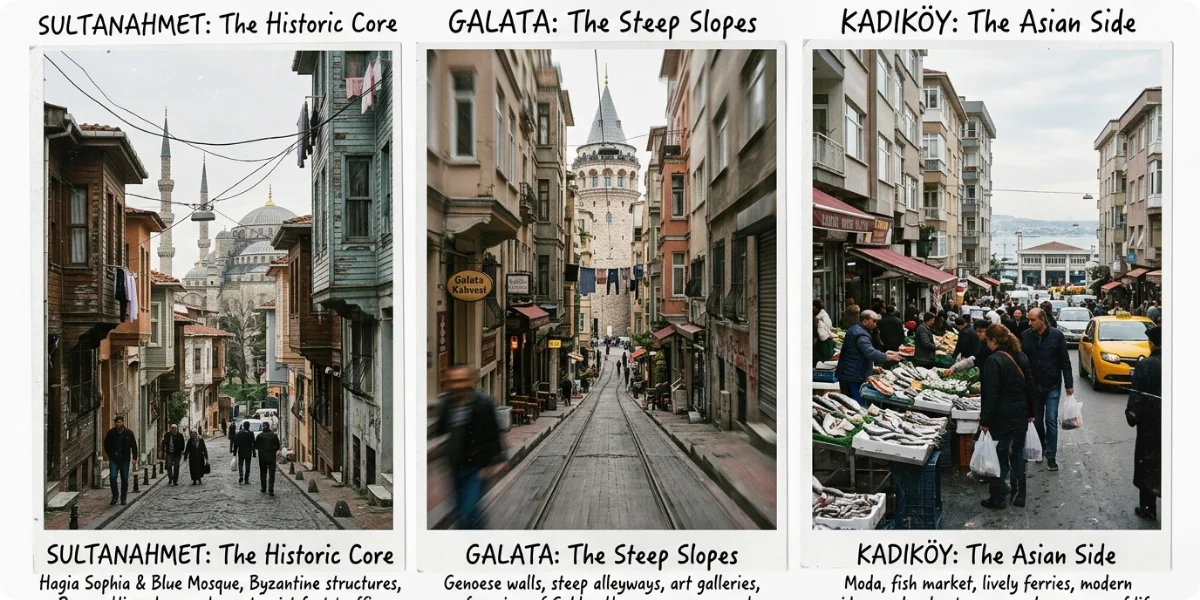
Best for historic attractions. You can walk to Hagia Sophia, the Blue Mosque, Topkapı Palace and the Basilica Cistern, and the T1 tram is on your doorstep. The trade-off is that restaurants close to the main sights tend to be pricey and tourist-oriented, and the area is quieter in the evenings.
2. Beyoğlu and Taksim
The best choice for restaurants, nightlife, shopping and a central location. Istiklal Street, Taksim Square and Galata are all nearby, with metro and funicular links. It is lively and sometimes noisy, which suits travellers who want energy over quiet.
3. Karaköy
A compact waterfront neighbourhood of cafés, galleries and boutique hotels. It sits beside the Galata Bridge and the tram line, so you can reach both the old city and Beyoğlu quickly.
4. Kadıköy
The top pick for an Asian-side experience, with food markets, local restaurants and a relaxed atmosphere. It is easy to reach by ferry or Marmaray, though it adds a commute to the main sights.
5. Beşiktaş
A waterfront district with local restaurants, markets and Dolmabahçe Palace nearby. It feels less touristy and gives a good sense of everyday city life.
What is the best area to stay in Istanbul for first-time visitors? Sultanahmet is the most convenient for sightseeing, while Beyoğlu, Karaköy and Taksim offer more dining and nightlife with easy transport to the historic sites. Most first-time visitors choose between these two based on whether they prioritise history or atmosphere. For a fuller walkthrough, see our Istanbul first-time visitor guide.
Top Tourist Attractions in Istanbul
1. Hagia Sophia
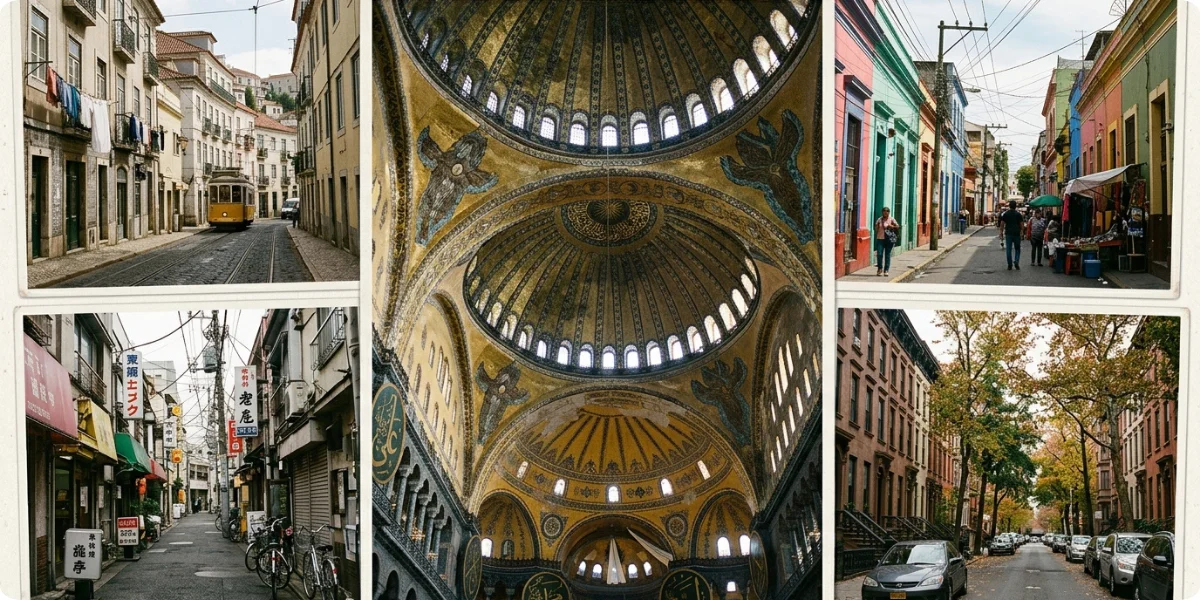
- Why visit: A sixth-century landmark that has served as a church, a mosque, a museum and, since 2020, a mosque again. The dome and interior scale are the draw.
- Time needed: About 1 to 1.5 hours, plus time in the security line.
- Location: Sultanahmet Square, historic peninsula.
- Practical information: As an active mosque, modest dress is required and women should cover their hair. The ground floor is a free prayer space, while foreign visitors typically pay a fee for the upper-gallery route where the mosaics are. Check current rules and prices on the official site before you go.
- Nearby: Blue Mosque, Topkapı Palace, Basilica Cistern.
2. Blue Mosque
- Why visit: Known for its cascading domes, six minarets and the blue İznik tiles that give it its popular name (officially the Sultanahmet Mosque).
- Time needed: 30 to 45 minutes.
- Location: Across the square from Hagia Sophia.
- Practical information: Entry is free but the mosque closes to visitors during the five daily prayers, so plan around prayer times. Remove your shoes and dress modestly. Restoration work can affect parts of the interior.
- Nearby: Hagia Sophia, the Hippodrome, Basilica Cistern.
3. Topkapı Palace
- Why visit: The Ottoman sultans’ residence for roughly four centuries, with courtyards, treasury rooms, imperial collections and Bosphorus views.
- Time needed: 2 to 3 hours.
- Location: Sultanahmet, beside Gülhane Park.
- Practical information: The palace is closed on Tuesdays. Some sections, such as the Harem, may need a separate ticket. Arrive early to avoid queues.
- Nearby: Hagia Sophia, Gülhane Park, Archaeological Museums.
4. Basilica Cistern
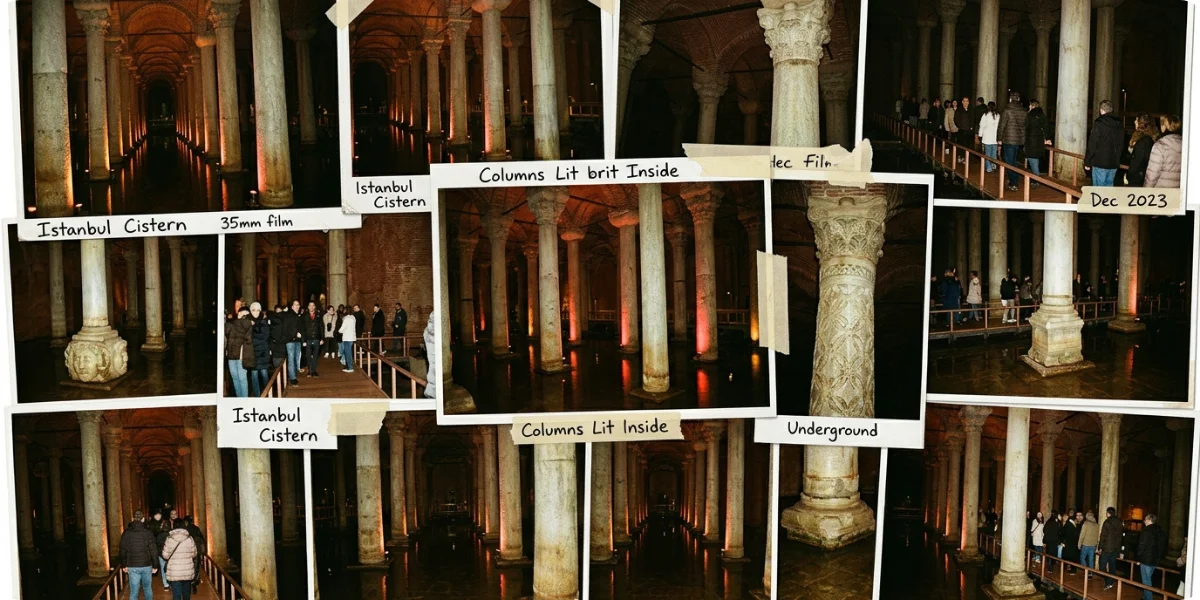
- Why visit: A vast Byzantine underground water reservoir from the sixth century, lit atmospherically among rows of columns.
- Time needed: 30 to 60 minutes.
- Location: Sultanahmet, a short walk from Hagia Sophia.
- Practical information: Timed or advance tickets can reduce waiting at busy times. The space is cool and damp, so bring a light layer.
- Nearby: Hagia Sophia, Blue Mosque.
5. Bazaar
- Why visit: One of the world’s oldest and largest covered markets, with thousands of shops selling ceramics, textiles, jewellery, lamps and souvenirs.
- Time needed: 1.5 to 3 hours.
- Location: Beyazıt/Çemberlitaş, near the T1 tram.
- Practical information: Closed on Sundays and public holidays. It is easy to get lost, so note your entrance gate.
- Nearby: Süleymaniye Mosque, Beyazıt Square, Spice Bazaar.
6. Spice Bazaar
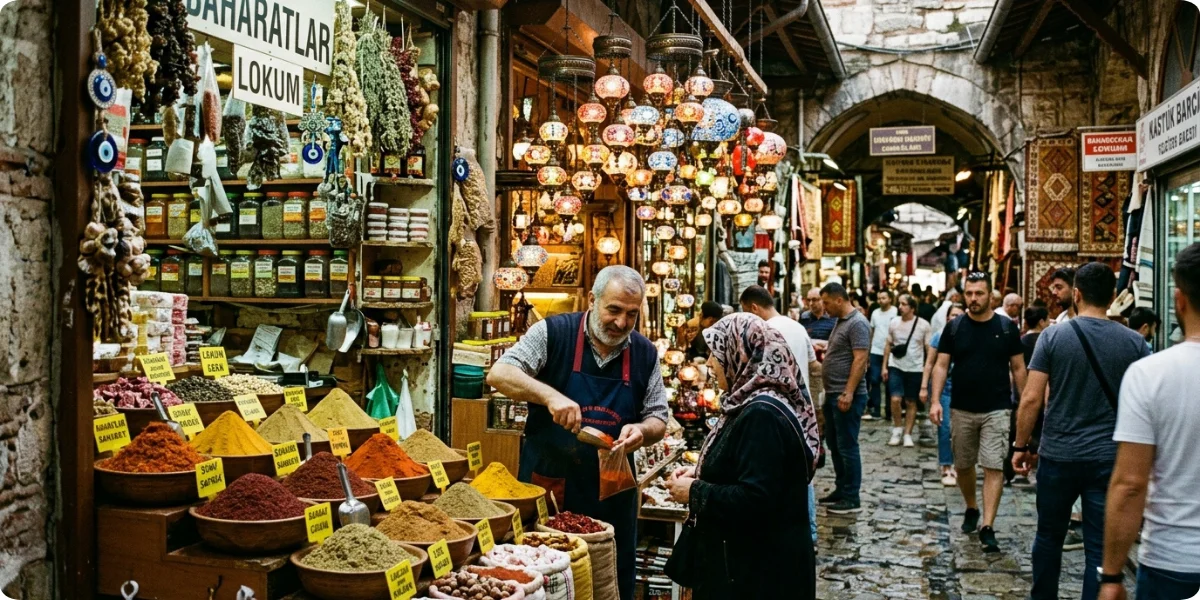
- Why visit: A smaller, aromatic market for spices, Turkish delight, nuts, teas and dried fruit.
- Time needed: 45 minutes to 1 hour.
- Location: Eminönü, by the Galata Bridge.
- Practical information: Compare prices and sample before buying in bulk, and check that food is properly sealed for travel.
- Nearby: Galata Bridge, ferry piers, Süleymaniye Mosque.
Galata Tower
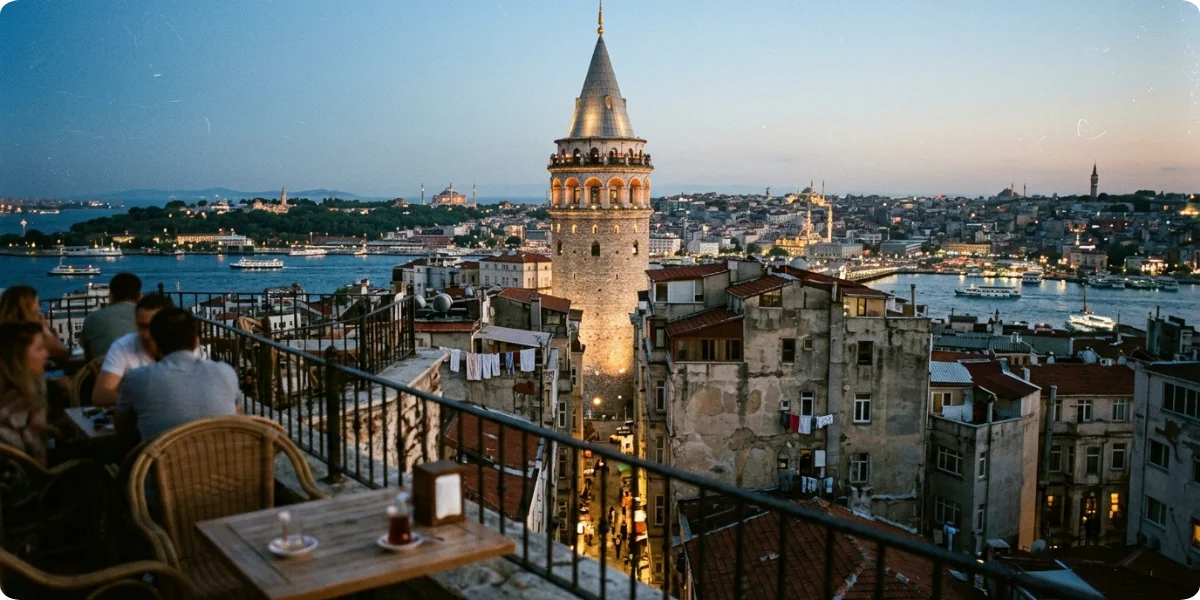
- Why visit: A medieval tower with a panoramic terrace over the Golden Horn, the old city and the Bosphorus.
- Time needed: 45 minutes to 1 hour.
- Location: Galata, Beyoğlu.
- Practical information: Queues can be long, especially at sunset, so consider an early or late visit or an advance ticket.
- Nearby: Karaköy, Istiklal Street, Galata Bridge.
Dolmabahçe Palace
- Why visit: A 19th-century Ottoman palace on the Bosphorus shore, notable for its ornate interiors and chandeliers.
- Time needed: 1.5 to 2 hours.
- Location: Beşiktaş.
- Practical information: Visits are typically by guided route, and the palace is closed on certain weekdays, so check the schedule before travelling.
- Nearby: Beşiktaş waterfront, Bosphorus ferry piers.
Bosphorus
- Why visit: A cruise along the strait shows palaces, wooden mansions, fortresses and bridges that tie the Europe-Asia story together.
- Time needed: 1.5 to 2 hours for short cruises, longer for public ferry tours.
- Location: Departures from Eminönü, Kabataş and other piers.
- Practical information: Shorter private cruises cost more than the long public ferries but save time. Bring a layer for wind on the water.
- Nearby: Eminönü, Galata Bridge, Dolmabahçe.
Süleymaniye Mosque
- Why visit: A 16th-century imperial mosque designed by architect Mimar Sinan, with a calm courtyard and one of the best skyline views in the city.
- Time needed: 45 minutes.
- Location: A hilltop above the Golden Horn, near the Grand Bazaar.
- Practical information: It is an active mosque, so dress modestly and avoid prayer times.
- Nearby: Grand Bazaar, Spice Bazaar, Beyazıt.
Istanbul Tourist Attractions by Area
1. Sultanahmet
This is the historic core, where Hagia Sophia, the Blue Mosque, Topkapı Palace and the Basilica Cistern sit within a few minutes’ walk of each other. Allow at least a full day, and ideally two, if you want to enter all four without rushing.
2. Beyoğlu
Beyoğlu pairs Galata Tower with Istiklal Street, a long pedestrian avenue of shops, cafés and the nostalgic tram, ending at Taksim Square. It is the city’s modern, social centre and works well for an afternoon and evening.
3. Eminönü
On the waterfront, Eminönü combines the Spice Bazaar, the Galata Bridge and the ferry piers. It is the natural launch point for Bosphorus cruises and a good place for street food by the water.
4. Asian Istanbul
Cross to the Asian side for Kadıköy‘s market streets, Moda‘s seafront parks and cafés, and Üsküdar‘s waterfront and mosques. These areas show a more local side of the city and pair well with a ferry ride.
Istanbul Tourist Information for First-Time Visitors
1. How Many Days Do You Need?
Two days covers the Sultanahmet highlights and a quick look at Beyoğlu. Three days adds the bazaars, a Bosphorus cruise and Galata. Four to five days lets you include Dolmabahçe, the Asian side and slower neighbourhood time. For a day-by-day breakdown, see our guide on how many days you need in Istanbul.
2. What Should You Book in Advance?
Book hotels early for peak months and weekends. Airport transfers are worth arranging for late arrivals. For popular attractions, advance tickets or timed entries can save time in high season, particularly for the Basilica Cistern, Galata Tower and guided palace tours. A Bosphorus cruise can usually be arranged on the day, but book ahead if you want a specific sunset slot.
3. What Should You Know Before Arriving?
Carry some Turkish lira, since cards are common but not universal. Learn the main transport options and pick up an Istanbulkart. Pack modest clothing for mosques, including a scarf for women, and a power adapter. Consider an eSIM or local SIM for maps and translation, and check your passport and visa requirements well before departure. For more practical pointers, browse our Istanbul travel tips and what to know before visiting Istanbul.
Best Time to Visit Istanbul
Most travel sources agree that the best seasons for sightseeing are spring and autumn, when temperatures are comfortable and crowds are lighter than in summer. Our full breakdown is in the guide on the best time to visit Istanbul.
1. Spring
Spring (March to May) brings mild temperatures, blooming parks and tulip displays.
- Advantage: pleasant walking weather.
- Disadvantage: weather can still be changeable and rainy in early spring, and popular sights get busier toward May.
2. Summer
Summer (June to August) is hot and busy, with long daylight hours.
- Advantage: long days and lively waterfronts.
- Disadvantage: heat, crowds and higher prices. Plan indoor visits and ferry rides for the hottest part of the day.
3. Autumn
Autumn (September to November) is often considered the best balance of warm days, cooler evenings and fewer crowds. Disadvantage: rain becomes more likely later in the season.
4. Winter
Winter (December to February) is cool and wet, with occasional cold snaps.
- Advantage: lowest crowds and often lower hotel rates, and major sights are quieter.
- Disadvantage: shorter days and less comfortable outdoor sightseeing.
Istanbul Weather by Month
| Month | Typical Conditions | Tourist Consideration |
|---|---|---|
| January | Cool and wet | Lower crowds, bring layers |
| February | Cool, often damp | Winter travel, quieter sights |
| March | Mild but changeable | Spring begins |
| April | Mild, some rain | Popular season, tulip displays |
| May | Warm | Excellent sightseeing |
| June | Warm to hot | Longer days |
| July | Hot | Peak summer |
| August | Hot | Busy season |
| September | Warm | Good balance |
| October | Mild | Strong sightseeing season |
| November | Cooler, wetter | Fewer crowds |
| December | Cool | Winter atmosphere |
Money and Payments in Istanbul
1. What Currency Is Used?
The official currency is the Turkish lira (TRY). Exchange rates and prices can shift quickly, so check a live rate before you travel and avoid relying on old budget figures.
2. Do Tourists Need Cash?
Cards and contactless payments are widely accepted in hotels, restaurants, shops and on public transport. Cash is still handy for small purchases, street food, tips, some market stalls and smaller family-run places, so carry a modest amount of lira.
3. ATMs and Currency Exchange
Bank ATMs and licensed exchange offices in the city generally offer better rates than airport kiosks. If a card terminal or ATM asks whether to pay in your home currency or in lira, choose lira, because the home-currency option usually carries a poor conversion rate. Compare rates before exchanging a large amount.
4. Tipping in Istanbul
Tipping is customary but modest. In restaurants, a tip of around 10 percent is common if a service charge has not already been added. For taxis, rounding up is typical. Hotel staff such as porters appreciate a small tip, and guides are usually tipped at your discretion according to service.
Istanbul Food and Dining Information
1. What Food Should Tourists Try?
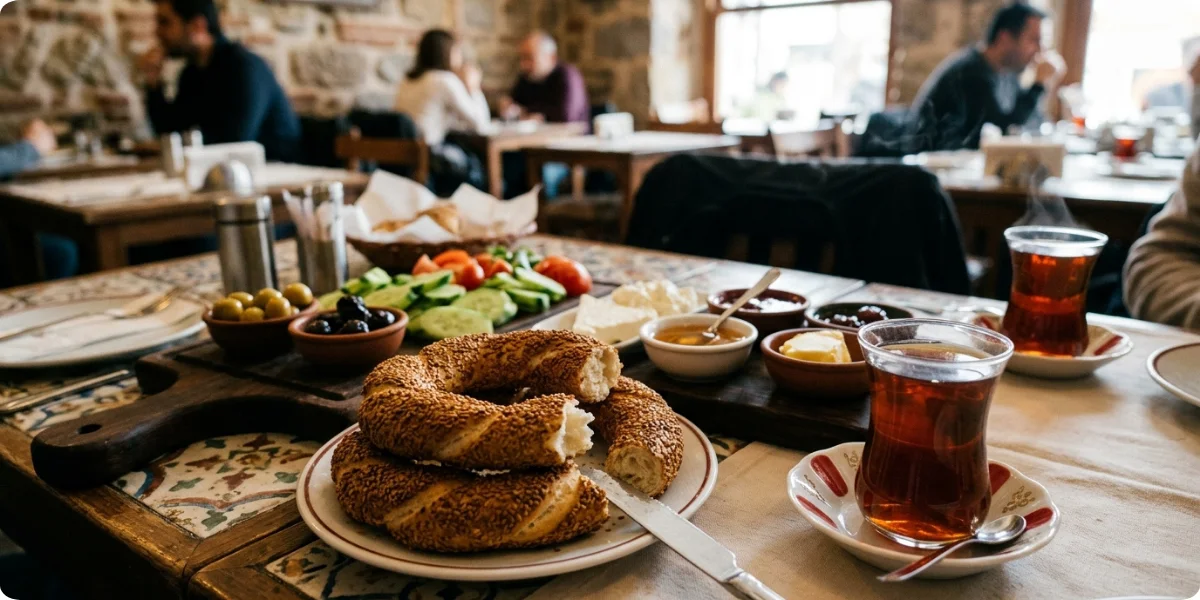
A traditional Turkish breakfast with cheeses, olives, eggs, breads, and jams is a highlight. Try kebabs in their regional varieties, a spread of meze starters, and street staples like simit (sesame bread ring) and lahmacun (thin spiced flatbread). For dessert, baklava is the classic, and Turkish tea and Turkish coffee round out almost every meal.
2. Where to Eat
Rather than hunting a single restaurant list, choose by area. Sultanahmet has convenient sit-down options, though quality near the main sights varies and prices run higher. Beyoğlu and Karaköy offer a broad mix from traditional lokantas to modern cafés. Kadıköy is known for its market streets and casual eateries and is a strong choice for an authentic meal. Eminönü is the place for quick waterfront snacks.
3. Food Prices
Street food and simple lokantas sit at the budget end, mid-range restaurants cost more in tourist districts than in local neighbourhoods, and higher-end dining, especially with Bosphorus views, is priced accordingly. Because inflation affects menu prices, check recent reviews or menus for current costs.
Istanbul Shopping Information
1. Grand Bazaar
The best-known place for ceramics, lamps, textiles, jewellery and souvenirs. Expect a maze of lanes and persistent sellers, so go with a loose plan and a sense of what you want.
2. Spice Bazaar
Ideal for spices, teas, dried fruits, nuts and Turkish delight. It is smaller and easier to navigate than the Grand Bazaar.
3. Istiklal Street
A long pedestrian street of fashion shops, bookstores, bakeries and cafés, with side lanes worth exploring.
4. Modern Shopping Malls
Istanbul has many contemporary malls with international brands, which suit rainy days and fixed-price shopping.
5. What to Buy in Istanbul
Popular purchases include Turkish sweets, spices, ceramics, textiles such as towels and scarves, and tea and coffee products. Buy food items in reputable, sealed packaging to travel easily.
6. Bargaining in Istanbul
Bargaining is expected in bazaars and many souvenir shops, particularly for rugs, ceramics and jewellery. Fixed prices apply in malls, supermarkets, restaurants and most chain stores. Keep it polite and friendly, and be ready to walk away if the price does not suit you.
Istanbul Mosques and Religious Sites: Visitor Information
1. Dress Code
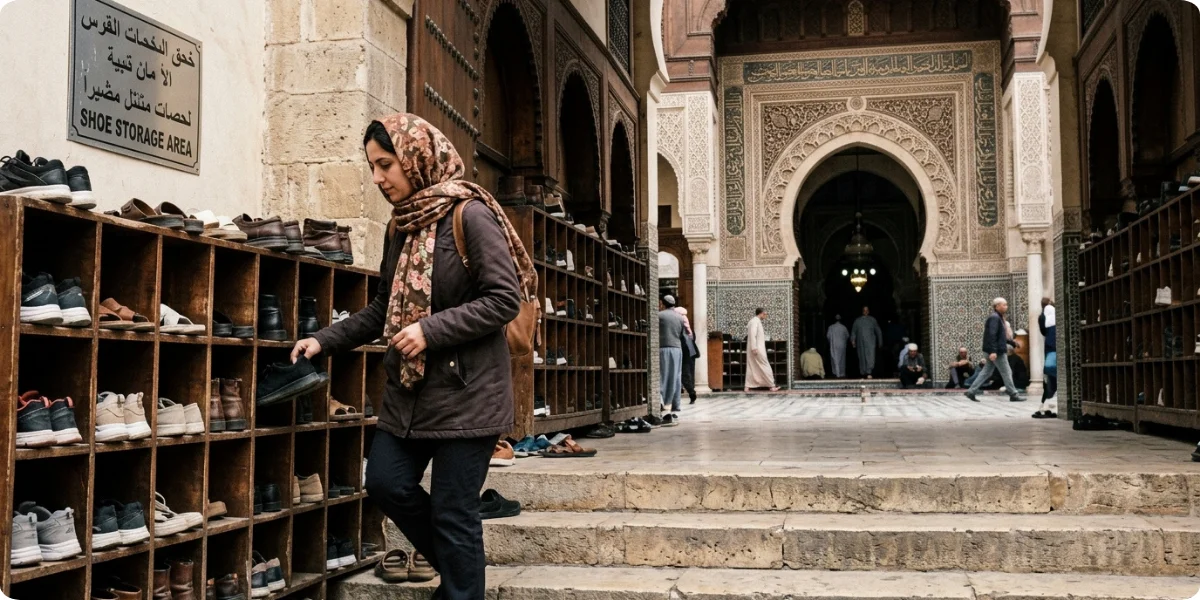
Both men and women should cover shoulders and knees. Women are generally asked to cover their hair with a scarf, and many mosques provide loan scarves or wraps, although bringing your own is more reliable.
2. Visiting During Prayer Times
Mosques are active places of worship. Visits are usually restricted during the five daily prayers, and Friday midday prayers can mean longer closures. Check timings before you go and avoid planning a tight schedule around them.
3. Footwear
Remove your shoes before entering the prayer hall. Carrying a small bag for them is helpful, and clean socks are more comfortable than bare feet.
4. Photography Etiquette
Photography is generally permitted for visitors, but avoid using flash, do not photograph people praying, and follow posted signs.
5. What Non-Muslim Visitors Should Know
Non-Muslim visitors are welcome in most major mosques outside prayer times. Keep voices low, stay out of marked prayer areas, and follow staff directions. Respectful behaviour matters more than perfect knowledge of customs, and staff are generally helpful.
Istanbul Tourist Information for Families
1. Is Istanbul Family-Friendly?
Yes, with preparation. Istanbul has plenty to engage children, but it is a busy, hilly city with crowded transport and traffic, so pace matters more than ambition.
2. Getting Around With Children
Trams, ferries and funiculars are easier than buses for families, and ferry rides often delight children. Strollers can be awkward on steep, uneven pavements and in older sights, so a lightweight stroller or carrier helps.
3. Family-Friendly Attractions
Good options include a Bosphorus ferry or cruise, Gülhane Park, the Basilica Cistern‘s atmospheric columns for older children, and parks along the waterfront. Break up museum days with outdoor time.
4. Practical Tips for Parents
Plan shorter sightseeing blocks, book accommodation near a tram or metro stop, carry water and snacks, and be ready for heat in summer. Keep a close eye on children in crowded areas such as the bazaars and Istiklal Street.
Internet, SIM Cards and Connectivity
1. Mobile SIM and eSIM Options
Visitors can use an eSIM, buy a local tourist SIM, or use roaming. Buying a SIM at the airport is convenient but often costs more than in the city. If you use a foreign phone with a local SIM, check the current rules, since devices may need to be registered.
2. Wi-Fi
Most hotels, cafés and many restaurants offer free Wi-Fi, though speeds vary. Avoid doing sensitive banking on public networks.
3. Using Maps and Translation Apps
Download offline maps of Istanbul before you arrive, and install a translation app with Turkish offline support. Transit apps help with ferry and tram timetables.
4. Staying Connected While Traveling
A small power bank is useful for long days of navigation and photos. Save key addresses, hotel details and emergency numbers where you can access them without a connection.
Istanbul Safety and Emergency Information
Istanbul is a large, busy metropolitan city with the same everyday risks as other major tourist destinations. For a fuller look, read is Istanbul safe for tourists. Before any trip, also check your government’s current travel advice.
1. Emergency Number
Dial 112 for emergencies. It is the single national emergency number connecting you to ambulance, police and fire services.
2. Common Tourist Problems
The most common issues are overcharging, pushy sales tactics in busy areas, and minor theft. Most visits pass without problems if you stay aware of your surroundings.
3. Pickpocketing and Crowded Areas
Pickpocketing can occur on crowded trams, at major attractions, in the bazaars and on Istiklal Street. Keep valuables in front pockets or a zipped bag and avoid carrying more cash than you need.
4. Taxi and Tourist Scams
Watch for taxis that do not use the meter, drivers who take long routes, and offers of unsolicited help leading to overpriced shops, bars, or restaurants. Use the meter or a ride-hailing app, check prices before ordering, and politely decline strangers who steer you to a venue.
5. What to Do in an Emergency
Call 112, give your location and a short description of what has happened, and contact your embassy or consulate if you lose your passport or face a serious problem. Keep a copy of your passport and insurance details separate from the originals
Istanbul Tourist Information: Useful Numbers and Services
| Service | Information |
|---|---|
| Emergency | 112 |
| Police | 112 |
| Ambulance | 112 |
| Fire | 112 |
| Tourist Information | Official Istanbul and Türkiye tourism resources |
| Airport | IST / SAW |
| Currency | Turkish Lira (TRY) |
Istanbul Tourist Information for Different Travelers
1. For First-Time Visitors
Base yourself in Sultanahmet or Beyoğlu, use the tram and ferries, and group sights by area rather than crisscrossing the city.
2. For Budget Travelers
Use public transport with an Istanbulkart, eat at local lokantas and street stalls, and visit free sights such as mosques outside prayer times. Staying in Kadıköy or Beşiktaş can lower accommodation costs.
3. For Couples
A Bosphorus sunset cruise, a rooftop dinner with minaret views and an evening stroll through Karaköy and Galata suit couples well.
4. For Families
Choose accommodation near a tram or metro stop, build in park and ferry time, and avoid overpacked itineraries.
5. For Solo Travelers
Central areas like Sultanahmet, Beyoğlu and Karaköy are practical bases with good transport and plenty of social settings. Share your plans, keep your phone charged, and take the usual precautions at night.
6. For Luxury Travelers
Bosphorus-front hotels, private guided tours, private transfers, and fine dining are readily available, and booking ahead is advisable for peak periods.
Istanbul Tourist Information: Common Travel Mistakes
Most problems come from a handful of predictable errors:
- Staying too far from attractions, which adds hours of commuting.
- Underestimating Istanbul’s size, since distances and traffic are bigger than they look on a map.
- Ignoring ferry transportation, which is often the most pleasant way to cross the city.
- Not checking attraction opening days, including weekly closures at some palaces and the Grand Bazaar.
- Carrying no cash for small purchases and tips.
- Using unlicensed or unmetered taxis.
- Trying to see everything in one day.
- Forgetting appropriate clothing for mosques.
You can find more detail in our guide to Istanbul travel mistakes. For a broader overview, our Istanbul travel guide is a good companion to this article.
Frequently Asked Questions About Istanbul
What do tourists need to know before visiting Istanbul?
Tourists should know that Istanbul uses the Turkish lira, has a large public transport network accessible with an Istanbulkart, and requires modest dress in mosques. Check visa requirements, carry some cash alongside a card, confirm attraction opening days, and keep emergency number 112 saved before arriving.
What currency is used in Istanbul?
Istanbul uses the Turkish lira (TRY). Cards and contactless payments are widely accepted, but cash is useful for street food, small shops, tips and markets. Use bank ATMs or licensed exchange offices rather than airport kiosks, and choose to pay in lira if a card machine offers a currency choice.
Is Istanbul expensive for tourists?
Costs depend on your style. Public transport, street food and local restaurants are affordable, while hotels in prime areas, tourist-district restaurants and foreign-visitor attraction fees add up. Because prices and exchange rates change frequently, check current rates when budgeting.
How many days are enough for Istanbul?
Two days cover the main historic highlights, three days add the bazaars, a Bosphorus cruise and Galata, and four to five days allow a relaxed pace with the Asian side and Dolmabahçe. Most first-time visitors find three to four days a comfortable balance.
What is the best area to stay in Istanbul?
Sultanahmet is best for first-time sightseers who want to walk to major historic sites. Beyoğlu, Taksim and Karaköy suit travellers wanting restaurants, nightlife and strong transport links, while Kadıköy offers a local Asian-side experience. Choose a base near a tram or metro line.
How do tourists get around Istanbul?
Most tourists use the tram, metro, Marmaray, ferries and funiculars with an Istanbulkart, adding buses, taxis or ride-hailing apps when needed. The T1 tram links Sultanahmet, Eminönü and Karaköy, and ferries connect the European and Asian sides while offering scenic Bosphorus views.
Is Istanbul easy to visit without a car?
Yes. Istanbul is easier and cheaper to explore without a car because of its public transport network and heavy traffic. Trams, metro, Marmaray, ferries and funiculars cover most visitor routes, and taxis or ride-hailing apps fill the gaps. Parking is limited and stressful in central areas.
What are the main tourist attractions in Istanbul?
The main attractions are Hagia Sophia, the Blue Mosque, Topkapı Palace, the Basilica Cistern, the Grand Bazaar, the Spice Bazaar, Galata Tower, Dolmabahçe Palace, the Bosphorus and Süleymaniye Mosque. Most are clustered in Sultanahmet, Eminönü and Beyoğlu, making them easy to combine by area.
Is Istanbul safe for tourists?
Istanbul is a major tourist destination that most visitors enjoy without incident. Common risks are pickpocketing, taxi overcharging and tourist-area scams. Stay alert in crowds, use metered taxis or ride-hailing apps, secure valuables, and check your government’s current travel advice before you go.
What should tourists wear in Istanbul?
Dress comfortably in layers for the season, with sturdy walking shoes for hills and cobblestones. For mosques, cover shoulders and knees, and women should bring a scarf for covering hair. Casual clothing is common in modern areas, but modest dress is wise in conservative neighbourhoods.
Do I need cash in Istanbul?
You do not need much, but some cash is useful. Cards and contactless are widely accepted, yet cash helps with street food, small shops, bazaar purchases, tips, and some taxis. Withdraw small amounts from bank ATMs as needed instead of exchanging a large sum upfront.
What is the best time to visit Istanbul?
Spring (April to May) and autumn (September to October) are generally the best times, offering comfortable weather and manageable crowds. Summer is hot and busy, while winter is cool, wet, and quieter, with lower prices but shorter days and less comfortable outdoor sightseeing.
Can tourists use public transportation in Istanbul?
Yes. Tourists can use the metro, tram, Marmaray, buses, ferries and funiculars, and an Istanbulkart makes payment simple across all of them. Public transport is usually the cheapest and often the fastest way to reach major sights, especially the tram through Sultanahmet.
Which Istanbul airport is better for tourists?
Istanbul Airport (IST) is the main international hub on the European side and is generally better for reaching Sultanahmet and Beyoğlu. Sabiha Gökçen (SAW) is on the Asian side and suits low-cost flights and Asian-side stays. The better choice depends on your airline, fare, and hotel location.
Is Istanbul good for a first-time international trip?
Yes, for prepared travellers. Istanbul has well-developed tourism infrastructure, many English-speaking services in visitor areas and plenty of accommodation choices. Plan transport, dress for mosques, watch for taxi and shopping scams, and base yourself in a central area to keep the trip smooth.
Final Istanbul Tourist Information Checklist
- ☐ Check passport and visa requirements
- ☐ Choose the right Istanbul airport
- ☐ Book accommodation in a convenient area
- ☐ Prepare payment options (card and some lira)
- ☐ Plan airport transportation
- ☐ Get an Istanbulkart if useful
- ☐ Check attraction opening days
- ☐ Plan major attractions by neighbourhood
- ☐ Download offline maps
- ☐ Prepare appropriate clothing for mosques
- ☐ Save emergency information (112)
With these basics covered, you are ready to explore the city with far fewer surprises.

Arman Ashraf is a content writer focused on travel and tourism. He creates practical, well-researched travel guides, destination articles, and travel tips designed to help readers plan trips with greater confidence. His work combines clear, engaging writing with SEO best practices, covering destinations, things to do, travel planning, and useful advice for travelers. Arman is committed to producing helpful content that makes discovering and planning travel easier.